 German Empire
•
0 views
German Empire
•
0 views
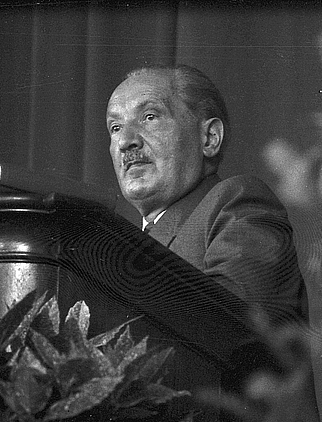
Martin Heidegger

Messkirch (Baden), German Empire
Archival Overview
German philosopher whose 1927 masterwork Being and Time revolutionized modern existentialism, hermeneutics, and continental philosophy by re-opening the question of Being (Seinsfrage).
Biographical Record
Edmund Husserl's assistant and successor at Freiburg, Martin Heidegger (1889–1976) sought to dismantle centuries of Western metaphysics to ask the fundamental question: what does it mean to be? In 'Being and Time' ('Sein und Zeit', 1927), he analyzed human existence as Dasein ('Being-there'), characterized by being-in-the-world, thrownness (Geworfenheit), and anxiety before death.
His later works examined technology as 'enframing' (Gestell) and poetry (Holderlin) as the dwelling of truth. His brief 1933 rectorship and association with the Nazi Party remain the subject of intense philosophical and moral scrutiny.
Key Life Milestones
Publication of 'Being and Time'
Published the epochal masterpiece of existential ontology that transformed 20th-century European thought.
The Question Concerning Technology
Delivered seminal lecture critiquing modern technology as enframing nature into standing-reserve.
Memorial Guestbook & Tributes
0 messages recordedLeave a Respectful Tribute
Final Resting Place
Perpetual MemorialMesskirch (Baden-Wurttemberg), Germany