 Austria-Hungary
•
1 views
Austria-Hungary
•
1 views
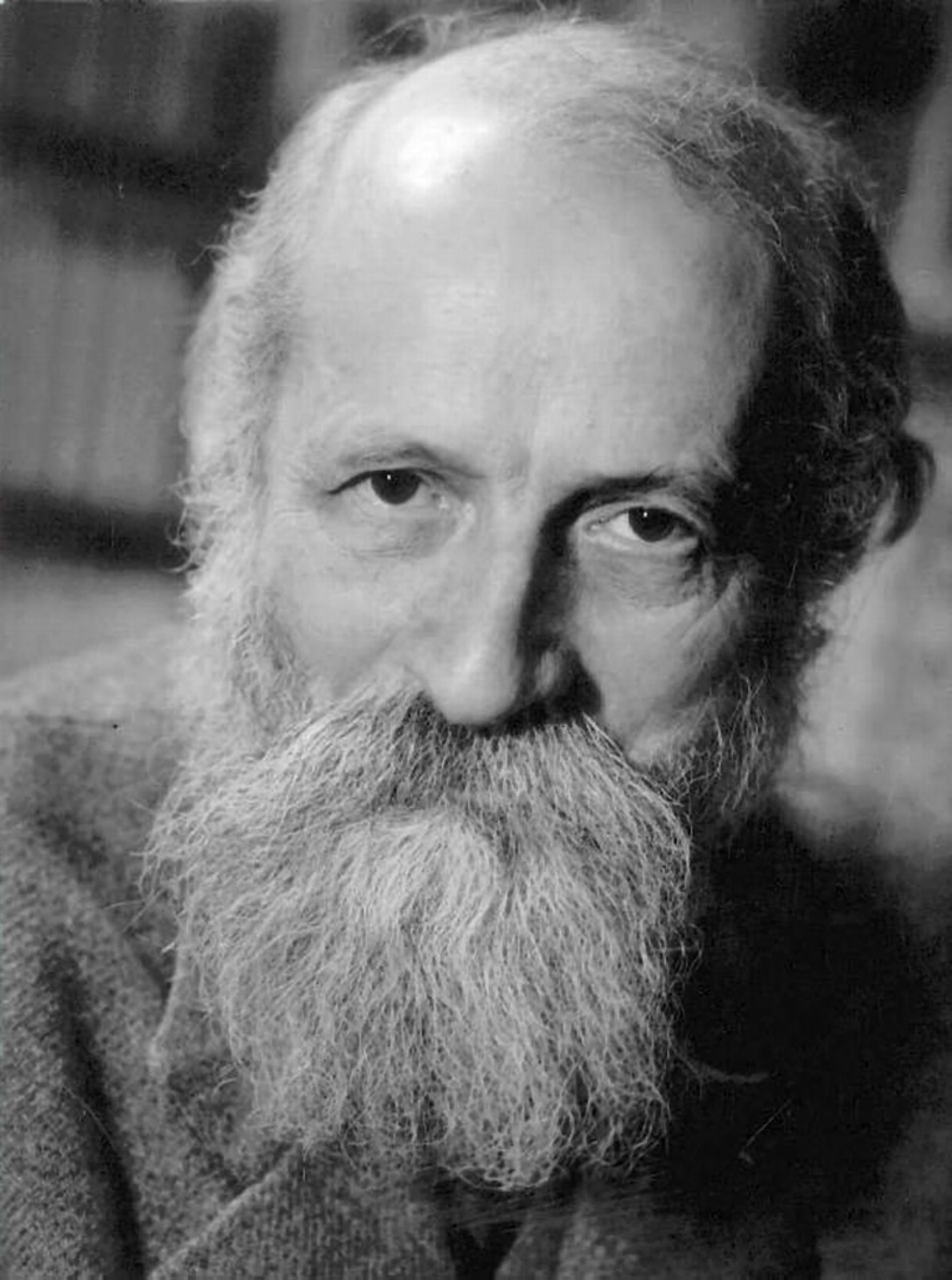
Martin Buber

Vienna, Austria-Hungary
Archival Overview
Jewish-Austrian philosopher whose 1923 existential masterpiece I and Thou founded dialogical personalism, contrasting authentic human communion (I-Thou) with utilitarian objectification (I-It).
Biographical Record
Martin Buber (1878–1965) grew up in Lemberg with his grandfather Solomon Buber, absorbing classical Talmudic scholarship and Hasidic spirituality. He served as professor of Jewish theology in Frankfurt before fleeing Nazi Germany in 1938 to teach at the Hebrew University of Jerusalem.
In 'Ich und Du' ('I and Thou', 1923), Buber argued that human existence is fundamentally relational. While the 'I-It' relationship treats others as objects of utility, the 'I-Thou' relationship encounters the other person with unconditional openness, mutuality, and presence, meeting the Eternal Thou in the dialogue.
Key Life Milestones
Publication of 'I and Thou' (Ich und Du)
Published his landmark existential philosophical treatise establishing dialogical philosophy.
Israel Prize in the Humanities
Awarded the state's highest civilian honor for his contributions to philosophy and peace dialogue.
Memorial Guestbook & Tributes
0 messages recordedLeave a Respectful Tribute
Final Resting Place
Perpetual MemorialJerusalem, Israel