Public Figures & Cultural Luminaries
Filterable archive covering centuries of intellectual, artistic, and moral contributions to the human story.
Ibn Asakir
 (ابن عساكر)
Monumental 12th-century Damascene historian whose eighty-volume Tarikh Dimashq is the most comprehensive biographical history of Syria.
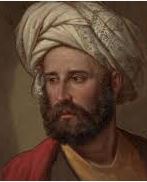
Abu Muhammad Abd al-Jabbar Ibn Hamdis
 (عبد الجبار بن أبي بكر بن حمديس الصقلي)
Celebrated Arab-Sicilian poet who fled Norman conquest and spent his golden creative years at the Hammadid court of Bejaïa, where he died in 1133.
Sanai of Ghazna
 (سنایی غزنوی)
Trailblazing Persian poet of the Ghaznavid era who pioneered the mystical didactic masnavi form with his monumental 'Hadiqat al-Haqiqa'.
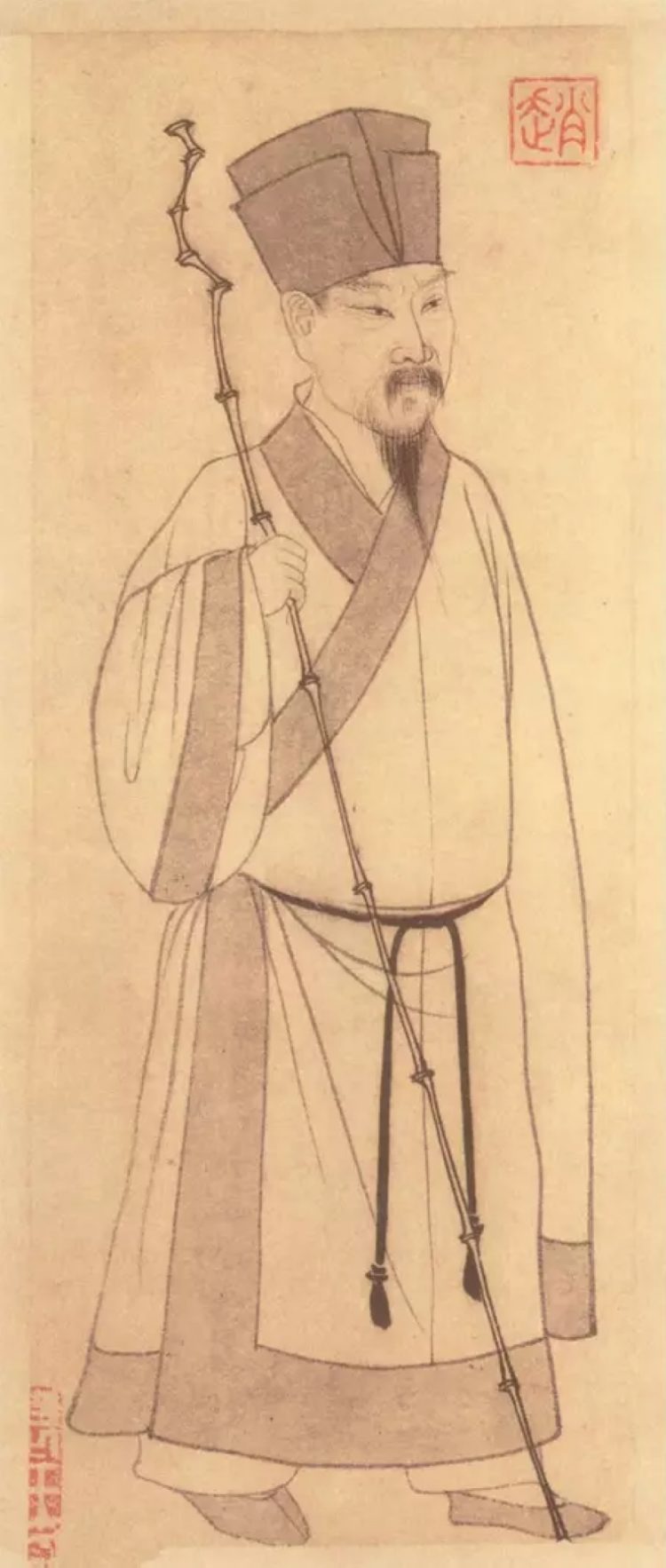
Su Shi
 (蘇軾 (Su Dongpo))
Northern Song dynasty polymath (1037–1101), known as Su Dongpo, who excelled as a poet, calligrapher, painter, and statesman, revolutionizing Ci lyric poetry and leaving an immortal cultural legacy.
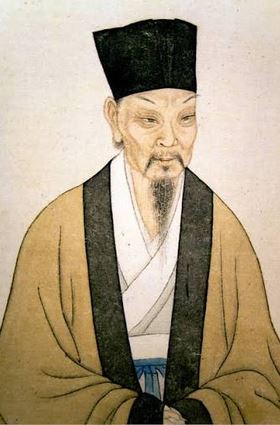
Su Shi (Su Dongpo)
(蘇軾 (蘇東坡))
Supreme cultural polymath of the Northern Song dynasty whose buoyant Buddhist-Taoist resilience, peerless ci poetry, and prose masterworks—like the Red Cliff Odes—rank him as one of China's greatest literary titans.
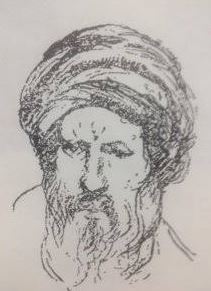
Abu al-Hasan al-Husari
 (أبو الحسن الحصري القيرواني)
Blind master lyricist of Kairouan whose romantic masterpiece 'Ya Laylu al-Sabbu Mata Ghaduhu' (O Night, When Will the Lover's Dawn Arrive?) became one of the most famous love poems in Arabic history.
Al-Khatib al-Baghdadi
 (الخطيب البغدادي)
Monumental 11th-century Muslim historian whose fourteen-volume Tarikh Baghdad recorded the biographical history of the Abbasid capital.
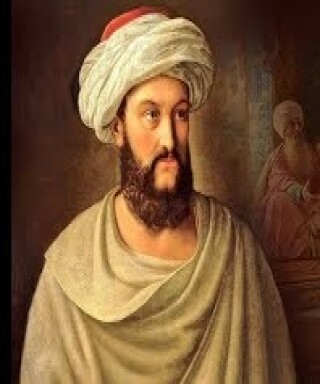
Ibn Sharaf al-Qayrawani
(ابن شرف القيرواني)
Celebrated poet and literary theorist of Kairouan whose legendary intellectual rivalry with Ibn Rashiq produced some of the sharpest critical works in classical Arabic literature.
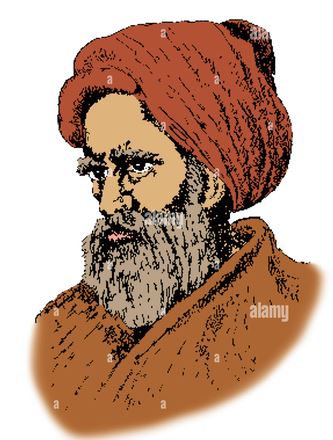
Abu Muhammad Ali ibn Ahmad ibn Hazm al-Andalusi
 (ابن حزم الأندلسي)
Brilliant Andalusian polymath and literalist (Zahiri) thinker of Islamic Spain whose psychological masterpiece on romantic courtly love, Tawq al-Hamamah (The Ring of the Dove), influenced European troubadour poetry.
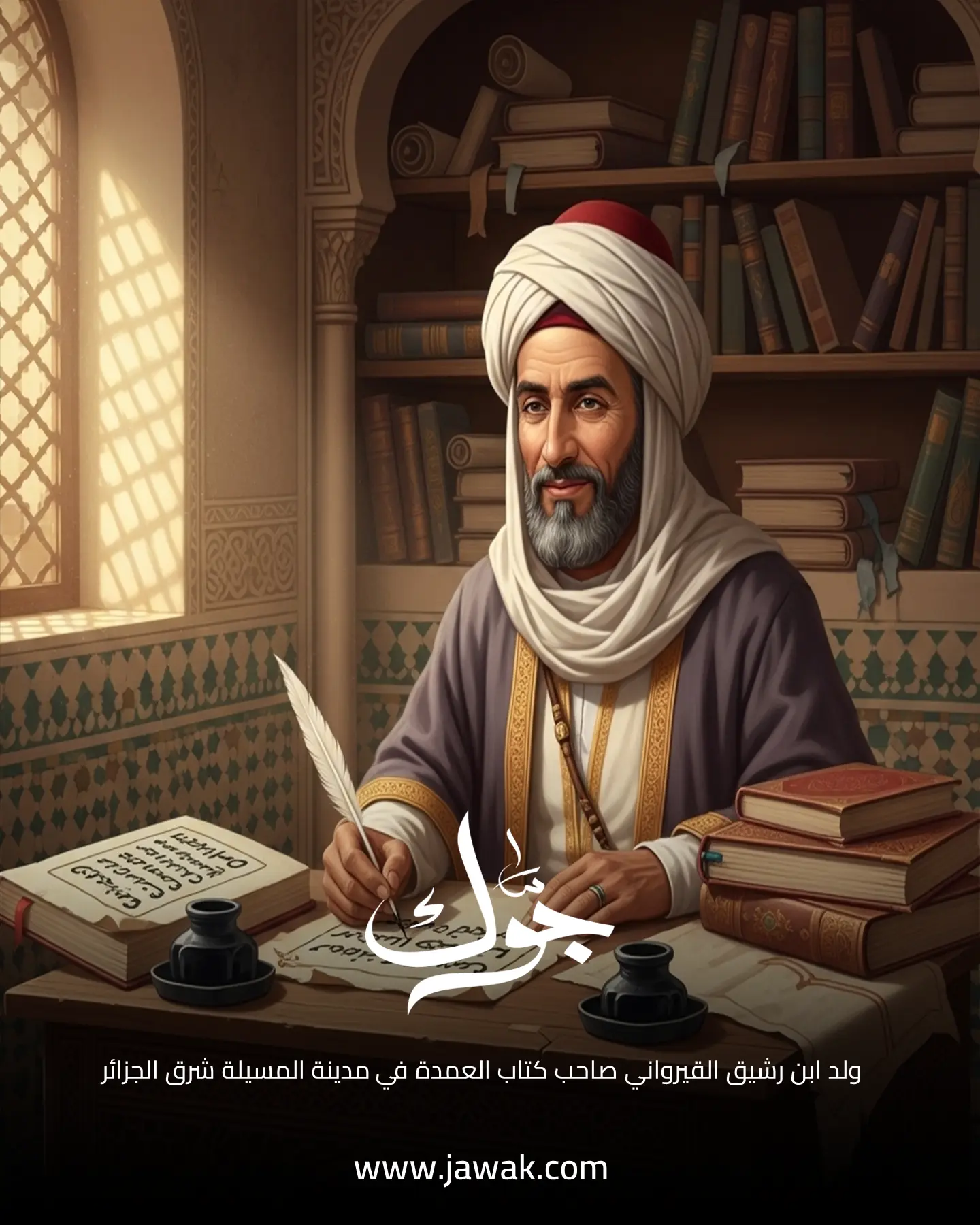
Ibn Rashiq al-Qayrawani
 (ابن رشيق القيرواني)
Paramount literary critic of Kairouan whose masterwork, Al-Umda fi Mahasin al-Shi'r, defined the aesthetic canons, metrics, and rhetorical philosophy of classical Arabic poetry.
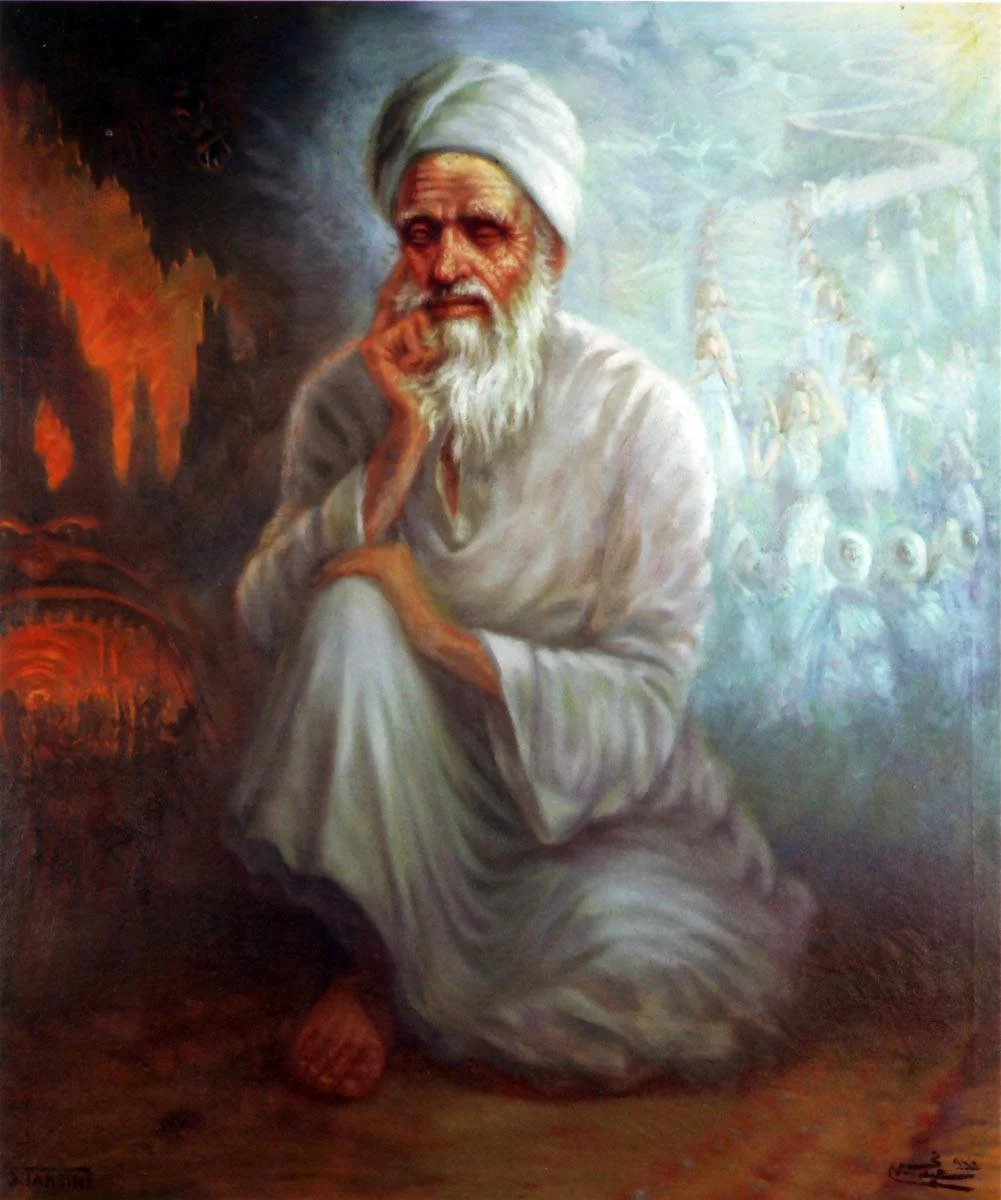
Abu al-Ala al-Ma'arri
(أبو العلاء المعري)
Blind Arab philosopher-poet, rationalist, and vegan whose masterpiece Resalat Al-Ghufran (The Epistle of Forgiveness) foreshadowed Dante's Divine Comedy.
Baba Taher
 (باباطاهر عریان)
Venerated 11th-century wandering dervish and lyric poet whose passionate, rustic do-bayti quatrains became foundation stones of Persian folk singing.
Ibn al-Nadim
(أبو الفرج محمد بن إسحاق النديم)
Renowned 10th-century Baghdad bookseller and bibliographer who compiled the Kitab al-Fihrist, preserving medieval literary heritage.
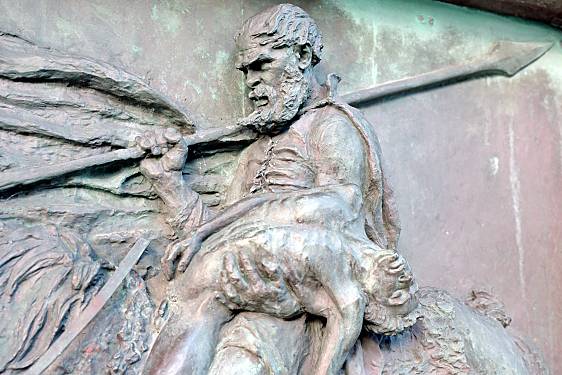
Egill Skallagrímsson
 (Egill Skallagrímsson)
Legendary 10th-century Icelandic Viking warrior-poet and berserker hero of Egil's Saga whose complex scaldic masterpieces include Höfuðlausn (Head-Ransom) and the grief-stricken Sonatorrek.
Abu Firas al-Hamdani
(أبو فراس الحمداني)
Chivalric Hamdanid prince and knight-poet whose poignant prison poems 'Al-Rumiyyat' captured his seven-year captivity in Constantinople.
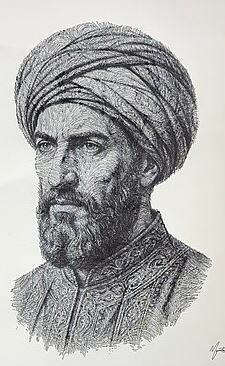
Abu al-Tayyib Ahmad ibn al-Husayn al-Kindi (Al-Mutanabbi)
(أبو الطيب المتنبي)
Universally venerated as the greatest poet in the history of the Arabic language, whose soaring verses of pride, valor, and existential philosophical grandeur at the court of Sayf al-Dawla remain proverbial across the Arab world.
Al-Masudi
(أبو الحسن علي بن الحسين المسعودي)
Celebrated 10th-century historian and geographer known as the 'Herodotus of the Arabs', author of The Meadows of Gold.
Al-Buhturi
(البحتري)
Great 9th-century Syrian classical poet renowned for his lyrical naturalism, musicality, and majestic ode on the ruins of the Arch of Ctesiphon.