Public Figures & Cultural Luminaries
Filterable archive covering centuries of intellectual, artistic, and moral contributions to the human story.
Ibn Qutaybah
 (ابن قتيبة)
Monumental 9th-century polymath and judge whose masterworks 'Adab al-Katib' and 'Uyun al-Akhbar' codified classical Arab humanistic culture (Adab).
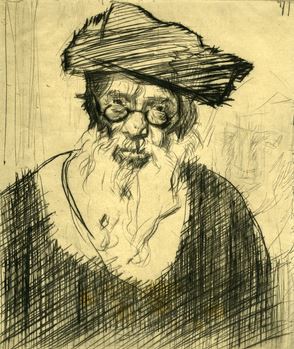
Abu Uthman Amr ibn Bahr al-Kinani al-Basri (Al-Jahiz)
(الجاحظ (عمرو بن بحر الكناني البصري))
Supreme prose stylist of the Arabic Golden Age and pioneering zoologist whose encyclopedic masterworks—Kitab al-Hayawan (Book of Living Creatures) and Kitab al-Bukhala (Book of Misers)—laid the foundations of modern Arabic literary art (Adab).
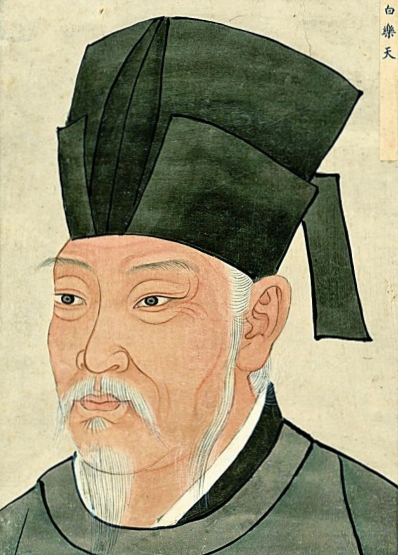
Bai Juyi
 (白居易 (Bai Letian / Xiangshan Jushi))
Celebrated Tang dynasty poet and statesman (772–846), famous for his accessible plain-style verse, social criticism, and narrative masterpieces 'Song of Everlasting Regret' and 'The Pipa Song'.
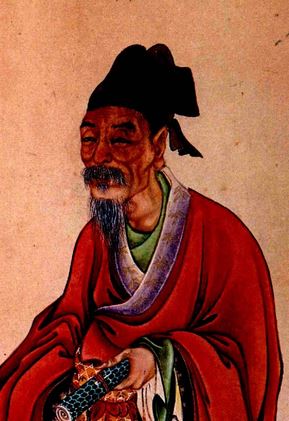
Bai Juyi (Bo Juyi)
(白居易)
One of the greatest poets of China's Tang dynasty whose accessible, socially conscious verses—including The Song of Everlasting Sorrow and The Pipa Player—were so plainspoken that even elderly village peasants could understand them.
Abu Tammam
 (أبو تمام)
Syrian-born Abbasid poet who revolutionized Arabic poetry with the ornate 'badi' style and compiled the premier heroic anthology Diwan al-Hamasah.
Sibawayh
 (سيبويه / عمرو بن عثمان)
Persian scholar from Shiraz universally revered as the 'father of Arabic grammar', author of 'Al-Kitab', the first systematic Arabic grammatical treatise.
Al-Khalil ibn Ahmad al-Farahidi
 (الخليل بن أحمد الفراهيدي)
Pioneering Omani-Iraqi polymath who compiled 'Kitab al-Ayn', the first Arabic dictionary, and single-handedly discovered and codified the sixteen meters of Arabic poetry.
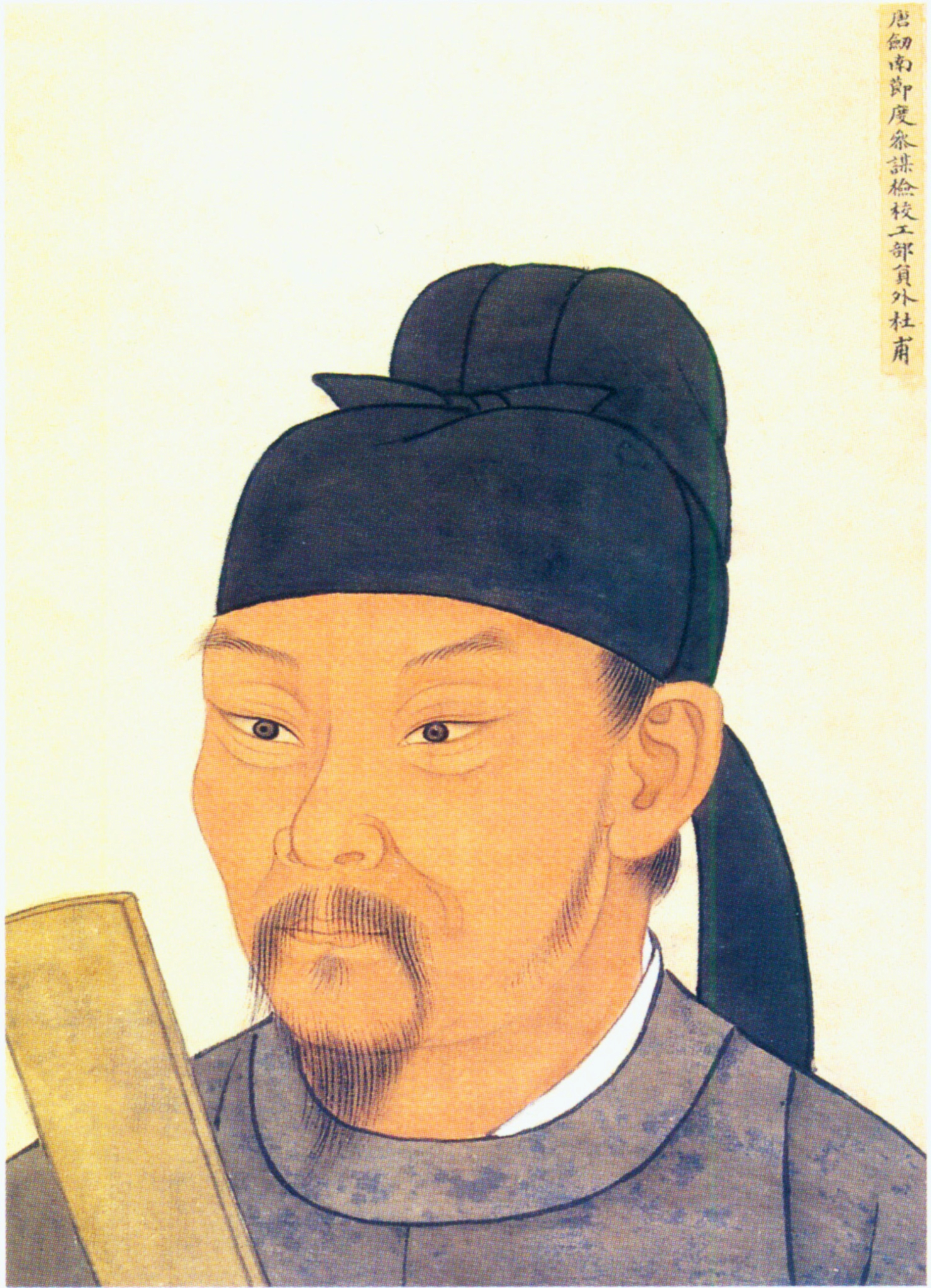
Du Fu
(杜甫 (Du Shaoling / Shisheng))
Tang dynasty literary titan (712–770), honored as the 'Poet-Historian' and 'Poet-Sage' (Shisheng), whose profound verse chronicled the devastating An Lushan Rebellion and gave voice to ordinary human suffering.
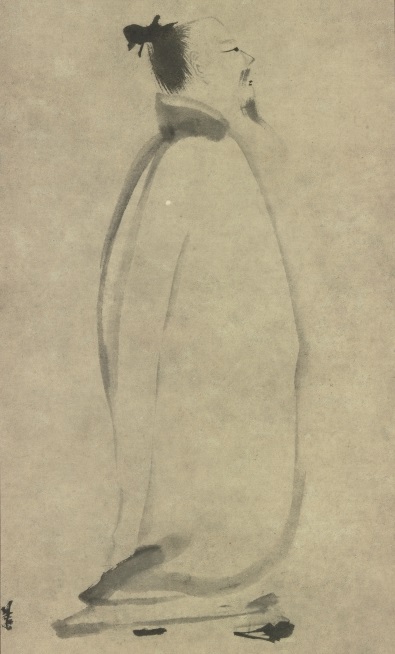
Li Bai
(李白 (Li Po / Shixian))
Tang dynasty genius poet (701–762), revered as the 'Poet Immortal' (Shixian), whose romantic lyricism, effortless grace, and boundless imagination produced over a thousand immortal poems celebrated across the world.
Farazdaq
(الفرزدق)
Monumental 8th-century Arab poet of the Tamim tribe whose linguistic mastery was so complete scholars said 'Without Farazdaq, Arabic would have been lost'.
Jarir
 (جرير بن عطية)
Celebrated Umayyad poet whose forty-year poetic duels (naqa'id) with Farazdaq and elegies for his wife defined Arab lyric satire.
Al-Akhtal
(الأخطل)
Preeminent Arab Christian poet of the Taghlib tribe who served as official court poet to Umayyad Caliphs Abd al-Malik and Al-Walid I.
Labid ibn Rabi'a
(لبيد بن ربيعة)
Celebrated pre-Islamic warrior-poet whose golden ode hangs in the Mu'allaqat, who embraced Islam and lived to a centenarian age in Kufa.
Zuhayr ibn Abi Sulma
(زهير بن أبي سلمى)
Venerated pre-Islamic 'poet of wisdom' whose golden Mu'allaqah celebrated the peacemakers who ended the bloody forty-year War of Dahis and Ghabra.
Antarah ibn Shaddad
(عنترة بن شداد)
Supreme chivalric hero of pre-Islamic Arabia, born an enslaved outcast who won his freedom through valor, immortalized in his golden Mu'allaqah.
Amr ibn Kulthum
(عمرو بن كلثوم)
Chivalric chieftain of the Taghlib tribe whose fiercely proud Mu'allaqah celebrates tribal honor, defiance of kings, and battle victory.
Al-Harith ibn Hilliza
(الحارث بن حلزة)
Pre-Islamic poet of the Bakr tribe who spontaneously improvised his majestic eighty-line Mu'allaqah while afflicted with leprosy before King Amr ibn Hind.
Tarafa ibn al-Abd
 (طرفة بن العبد)
Brilliant pre-Islamic prodigy from Bahrain whose celebrated Mu'allaqah contains the famous description of the desert she-camel.