 Iraq
•
9 views
Iraq
•
9 views
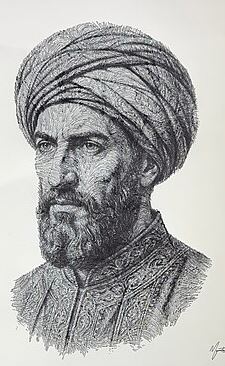
Abu al-Tayyib Ahmad ibn al-Husayn al-Kindi (Al-Mutanabbi)

Kufa, Iraq
Archival Overview
Universally venerated as the greatest poet in the history of the Arabic language, whose soaring verses of pride, valor, and existential philosophical grandeur at the court of Sayf al-Dawla remain proverbial across the Arab world.
Biographical Record
Al-Mutanabbi ('he who claimed prophecy', 915–965 CE) was born in Kufa and possessed an unparalleled, superhuman command of the Arabic lexicon, meter, and philosophical metaphor. Joining the martial court of the Hamdanid prince Sayf al-Dawla in Aleppo in 948, he accompanied the prince on campaigns against the Byzantine Empire, producing the immortal Sayfiyyat praise odes that elevated epic panegyric into cosmic philosophy.
His verses celebrate unyielding courage, intellectual aristocracy, and tragic defiance against time and mediocrity. Ambushed by desert bandits near Baghdad in 965, Al-Mutanabbi was preparing to retreat when his servant quoted his own famous line back to him: 'The horse, the night, and the desert know me; and the sword, the lance, the paper, and the pen.' Refusing to flee and contradict his own verse, he stood his ground and was slain.
Key Life Milestones
The Golden Years at the Court of Sayf al-Dawla in Aleppo
Composed the legendary Sayfiyyat odes celebrating Arab martial chivalry against Byzantine legions.
Heroic Death Living by His Own Verse
Faced bandits in the desert and died rather than flee, refusing to betray his own immortal words.
Memorial Guestbook & Tributes
0 messages recordedLeave a Respectful Tribute
Final Resting Place
Perpetual MemorialNear Baghdad (Deyr al-Aqul), Iraq