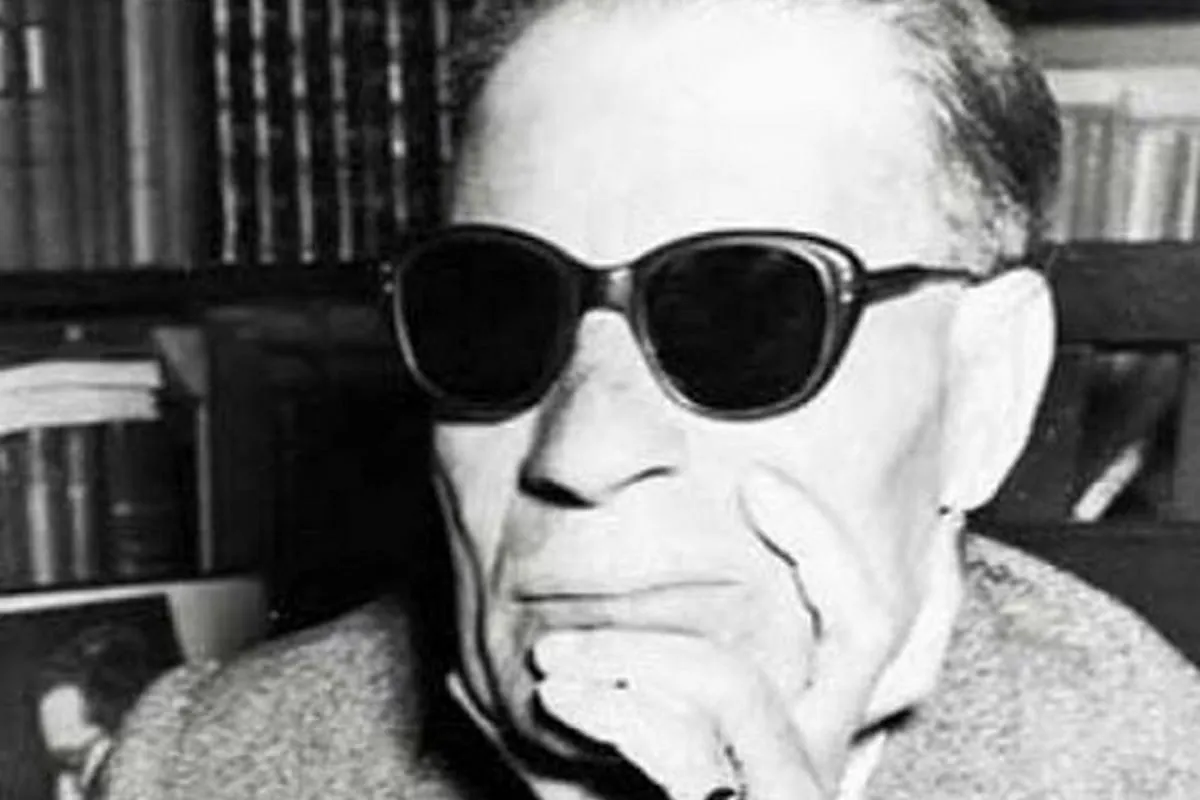
Taha Hussein
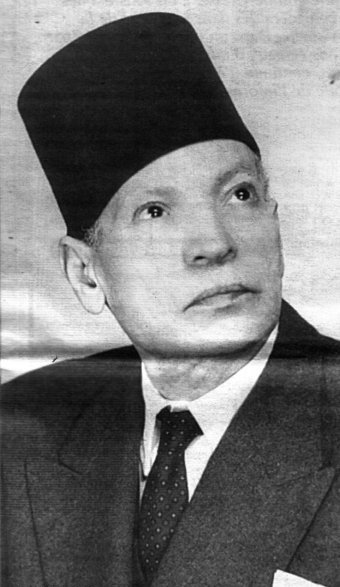
Revered as the 'Dean of Arabic Literature' (Qahir al-Zalam), blind Egyptian modernist author, educational reformer, and author of the classic autobiography The Days (Al-Ayyam).
Start typing to search worldwide archives and community tributes
Filterable archive covering centuries of intellectual, artistic, and moral contributions to the human story.
Revered as the 'Dean of Arabic Literature' (Qahir al-Zalam), blind Egyptian modernist author, educational reformer, and author of the classic autobiography The Days (Al-Ayyam).
Pioneering Senegalese novelist and veterinary surgeon whose 1935 novel 'Karim' and 1937 'Mirages de Paris' explored the cultural clash between African tradition and Western modernity.
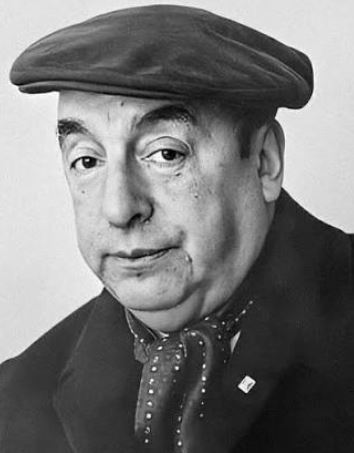
Supreme Chilean poet and 1971 Nobel laureate hailed by Gabriel Garcรญa Mรกrquez as 'the greatest poet of the 20th century in any language', whose Twenty Love Poems, Canto General, and Elemental Odes gave voice to love, labor, and Latin American resistance.
Algerian lyric poet of European heritage who wholeheartedly embraced the Algerian Revolution, serving as a passionate mentor to a generation of young revolutionary poets.
Towering Swedish novelist and dramatist whose monumental four-volume 'Emigrants' epic chronicled the 19th-century Swedish exodus to Minnesota, selling millions worldwide.
Distinguished Palestinian historian, Mayor of Jerusalem (1950-1951), and author of the monumental 'Nakba: The Catastrophe and the Lost Paradise'.
Pioneering Angolan modernist poet and revolutionary strategist who coined the movement 'Vamos Descobrir Angola!' (Let's Discover Angola!) and served as first Secretary-General of the MPLA.
Eloquent Palestinian Christian poet and official PLO spokesman known as 'The Conscience', assassinated in Beirut alongside Kamal Adwan and Abu Youssef.
Towering Palestinian novelist and cultural icon whose masterworks 'Men in the Sun' and 'Returning to Haifa' gave voice to Palestinian dispossession.
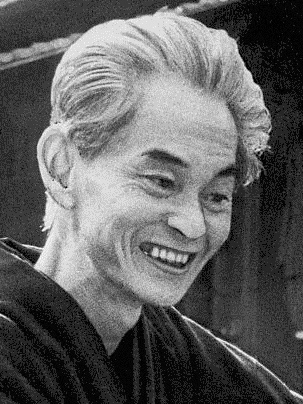
First Japanese writer to win the Nobel Prize in Literature (1968), master of subtle psychological nuance and traditional Japanese aesthetics in Snow Country and Thousand Cranes.
Beloved dean of Tunisian folklorists, journalist, and radio pioneer whose Sunday evening broadcasts Hikayat El Aroui preserved thousands of oral tales, proverbs, and philosophical allegories.
Brilliant, tragic poet whose posthumous collection 'Dead Roots' (1973) stands as one of the most intense and lyrical expressions of the agony of apartheid exile.
Prodigious Japanese author, nationalist, and aesthetician whose Confessions of a Mask, The Temple of the Golden Pavilion, and Sea of Fertility tetralogy explored beauty and death.
One of twentieth-century France's greatest Catholic writers, winner of the 1952 Nobel Prize in Literature, author of Thรฉrรจse Desqueyroux and Le Nลud de vipรจres, and fearless opponent of French colonialism in Algeria.
One of Norway's greatest 20th-century authors, writing in Nynorsk, famed for lyrical, psychologically haunting modernist classics such as Fuglane (The Birds) and Is-slottet (The Ice Palace).
Great master of Flemish naturalist prose, nephew of Guido Gezelle, whose iconic novel De vlaschaard (The Flax Field, 1907) elevated the rural struggle of Flemish peasants into a mythic cosmic tragedy.
Prominent Iranian intellectual, novelist, and essayist whose 1962 manifesto 'Gharbzadegi' (Occidentosis) diagnosed cultural dependency on the West.
Eminent Tanzanian magistrate, poet, and cultural leader who presided over the National Swahili Council (BAKITA) and created the 'Ngonjera' dramatic dialogue poetic form.