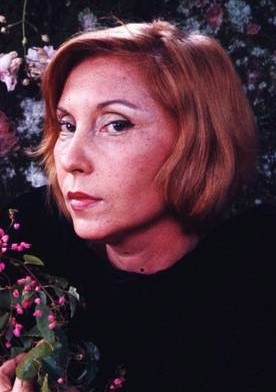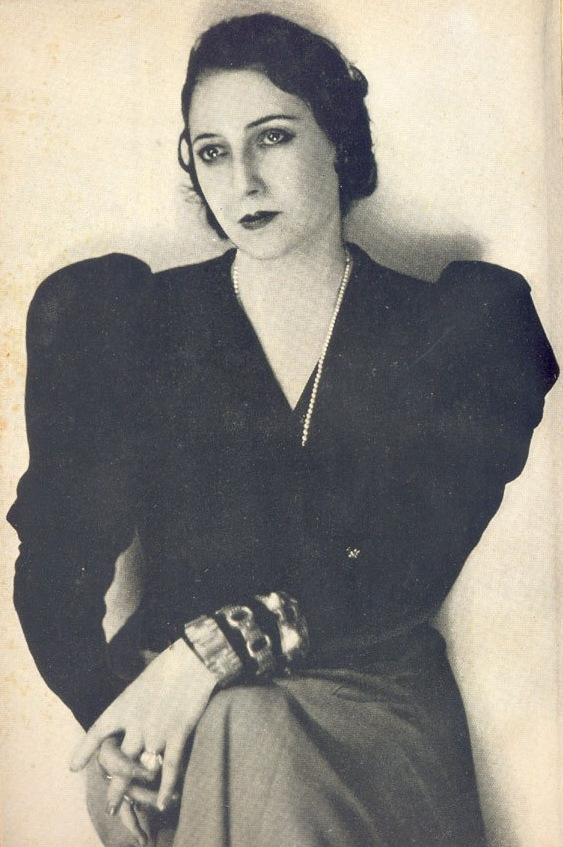
Juana de Ibarbourou
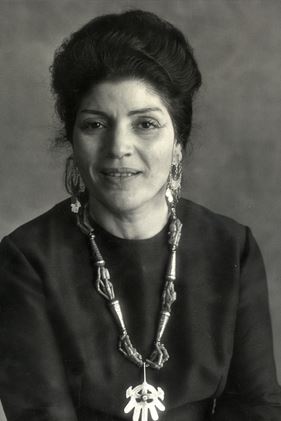
Uruguayan poet proclaimed 'Juana de America' in 1929, renowned for her sensual, life-affirming celebrations of nature, motherhood, and female bodily sovereignty.
Start typing to search worldwide archives and community tributes
Filterable archive covering centuries of intellectual, artistic, and moral contributions to the human story.
Uruguayan poet proclaimed 'Juana de America' in 1929, renowned for her sensual, life-affirming celebrations of nature, motherhood, and female bodily sovereignty.
Towering twentieth-century Flemish novelist and social rebel whose monumental modernist masterpiece De Kapellekensbaan (Chapel Road, 1953) revolutionized the novel with multivocal narrative and working-class solidarity.
Lyrical Algerian poet and novelist who famously declared 'The French language is my exile' and voluntarily ceased publishing fiction after independence until Arabic achieved its rightful cultural restoration.
Poet and author awarded the 1974 Nobel Prize in Literature, celebrated for his autobiographical novels and his visionary 1956 science fiction verse epic 'Aniara'.
Visionary Brazilian modernist and mystical innovator whose stream-of-consciousness masterpieces The Passion According to G.H. and The Hour of the Star redefined modern prose.
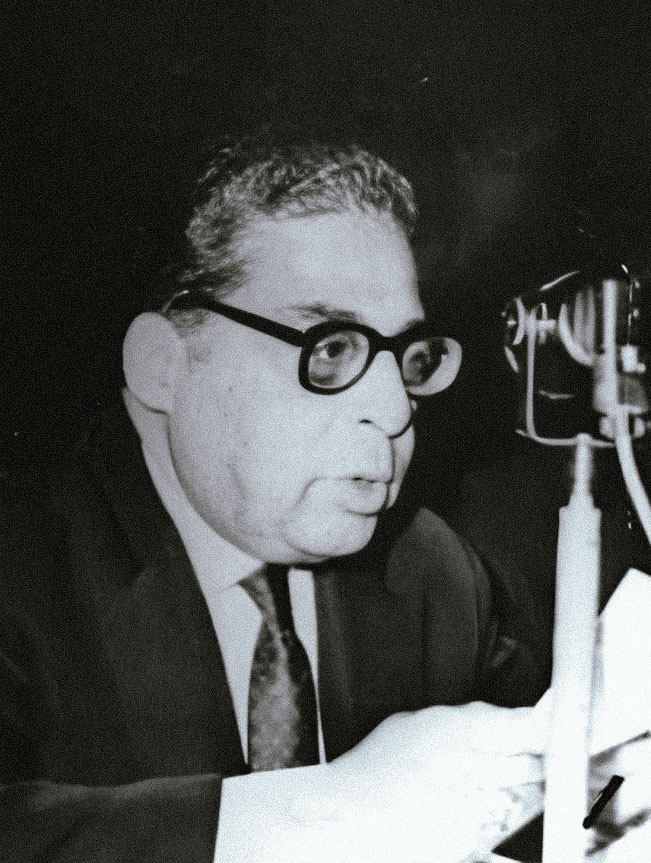
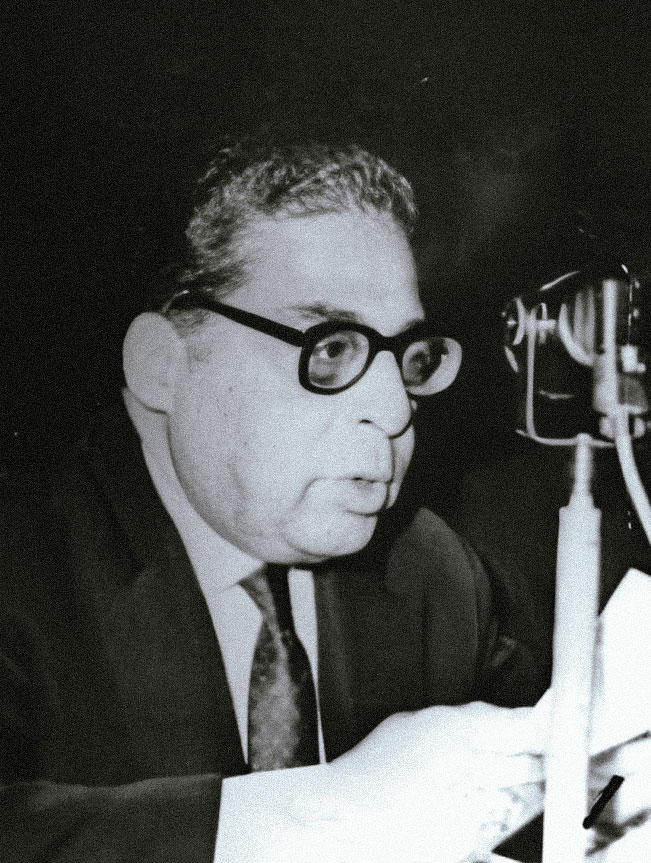
Immortal Poet of the Algerian Revolution whose blazing neoclassical verses written on prison walls in Barberousse, including the national anthem Qassaman and The Holy March, defined national liberation.
Algerian Mozabite Amazigh poet acclaimed as the 'Poet of the Algerian Revolution', who penned the words of the Algerian national anthem 'Kassaman' with his own blood on the walls of Barberousse Prison in 1955.
Beloved French popular poet and screenwriter whose 1946 collection Paroles sold millions of copies, who wrote the immortal lyrics to Autumn Leaves (Les Feuilles mortes), and penned the screenplay for Children of Paradise.
Brilliant, radical Quebec novelist whose revolutionary spy thriller Prochain รpisode (1965)โwritten while detained in a psychiatric prison for separatist militancyโrevolutionized post-modern literature.
Proletarian modernist novelist awarded the 1974 Nobel Prize in Literature, celebrated for his Olof tetralogy, Homeric retelling 'Return to Ithaca', and historical masterpiece 'Days of His Grace'.
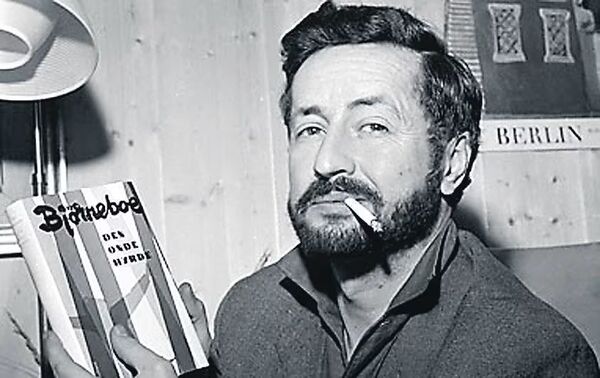
Fiery and provocative Norwegian author, playwright, and essayist who attacked authoritarianism and explored the darker nature of evil in his acclaimed History of Bestiality trilogy.
First Algerian woman to publish a novel in French ('Jacinthe noire', 1947), gifted ethnomusicologist and singer who preserved the ancient ancestral oral poetry and polyphonic chants of Kabylie.
Beloved Danish working-class poet and novelist celebrated for her searingly honest memoirs in The Copenhagen Trilogy and poems capturing childhood, addiction, and female vulnerability.
Internationally acclaimed Icelandic author whose psychological novelsโnotably Svartfugl (The Black Cliffs) and Advent (The Good Shepherd)โearned multiple Nobel Prize in Literature nominations.
Towering Quebec poet and globe-trotting adventurer whose lyrical masterpiece Les รles de la nuit ushered Quebec literature into the international avant-garde.
Swedish author and poet awarded the 1951 Nobel Prize in Literature for his profound metaphysical novels 'Barabbas' and 'The Dwarf', exploring good, evil, and the search for faith in modern times.
Guatemalan novelist and poet who pioneered magical realism through Mayan mythology and political critique, winning the 1967 Nobel Prize in Literature for El Senor Presidente and Men of Maize.
Celebrated Norwegian author and painter who wrote the acclaimed semi-autobiographical Alberta trilogy, portraying female artistic independence and provincial stifling.