 Empire of Japan
•
7 views
Empire of Japan
•
7 views
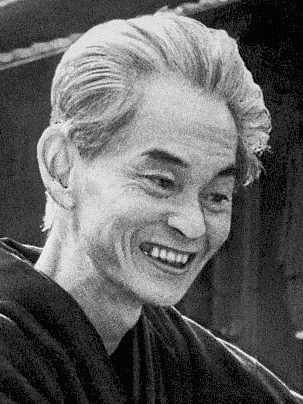
Yasunari Kawabata

Osaka, Empire of Japan
Archival Overview
First Japanese writer to win the Nobel Prize in Literature (1968), master of subtle psychological nuance and traditional Japanese aesthetics in Snow Country and Thousand Cranes.
Biographical Record
Yasunari Kawabata (1899–1972) was a Japanese novelist and short story writer whose sparse, lyrical, and impressionistic prose won him the 1968 Nobel Prize in Literature—the first ever awarded to a Japanese author. Orphaned by age four and losing all close relatives by his teens, Kawabata lived with a deep sense of solitude that infused his work with delicate melancholy and traditional Buddhist concepts of impermanence (mono no aware).
A founder of the Neo-Sensualist (Shinkankakuha) avant-garde group, Kawabata achieved international renown with Snow Country (Yukiguni), depicting the fleeting love affair between a wealthy dilettante and a provincial geisha in an isolated mountain hot spring town. Other masterworks include Thousand Cranes, centered on the tea ceremony, and The Master of Go. His Nobel citation praised his 'narrative mastery, which with great sensibility expresses the essence of the Japanese mind'.
Key Life Milestones
Snow Country Completed
Completed the definitive edition of Yukiguni, praised worldwide for its haiku-like poetic distillation and sensory subtlety.
First Japanese Nobel Laureate in Literature
Awarded the Nobel Prize in Literature, delivering his celebrated lecture 'Japan, the Beautiful and Myself' in traditional kimono.
Memorial Guestbook & Tributes
0 messages recordedLeave a Respectful Tribute
Final Resting Place
Perpetual MemorialKamakura, Japan