Public Figures & Cultural Luminaries
Filterable archive covering centuries of intellectual, artistic, and moral contributions to the human story.
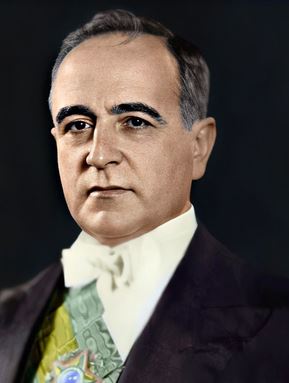
Getúlio Vargas
 (Getúlio Dornelles Vargas)
Father of modern Brazilian industrialization and labor rights; laid the institutional foundations of modern Brazil through state-led development and basic social protections.
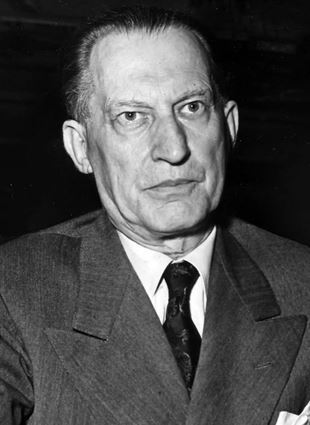
Alcide De Gasperi
 (Alcide Amedeo Francesco De Gasperi)
Rebuilt democratic Italy from the wreckage of World War II, rooted it in the Western alliance (NATO), and championed early European federalism.
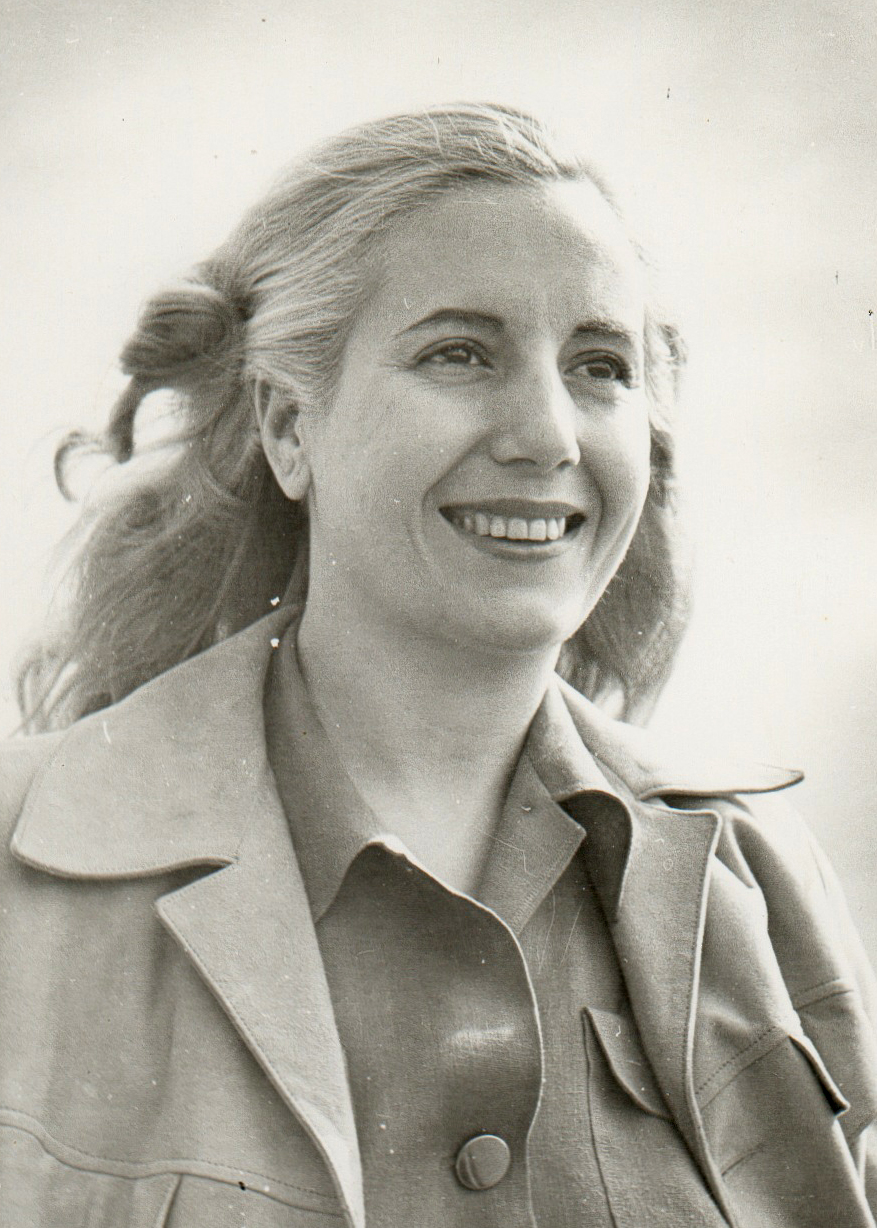
Eva Peron (Evita)
 (María Eva Duarte de Perón)
Legendary First Lady of Argentina revered as 'Evita' and 'Spiritual Leader of the Nation', who secured women's voting rights in 1947 and directed the Eva Peron Foundation for the impoverished.
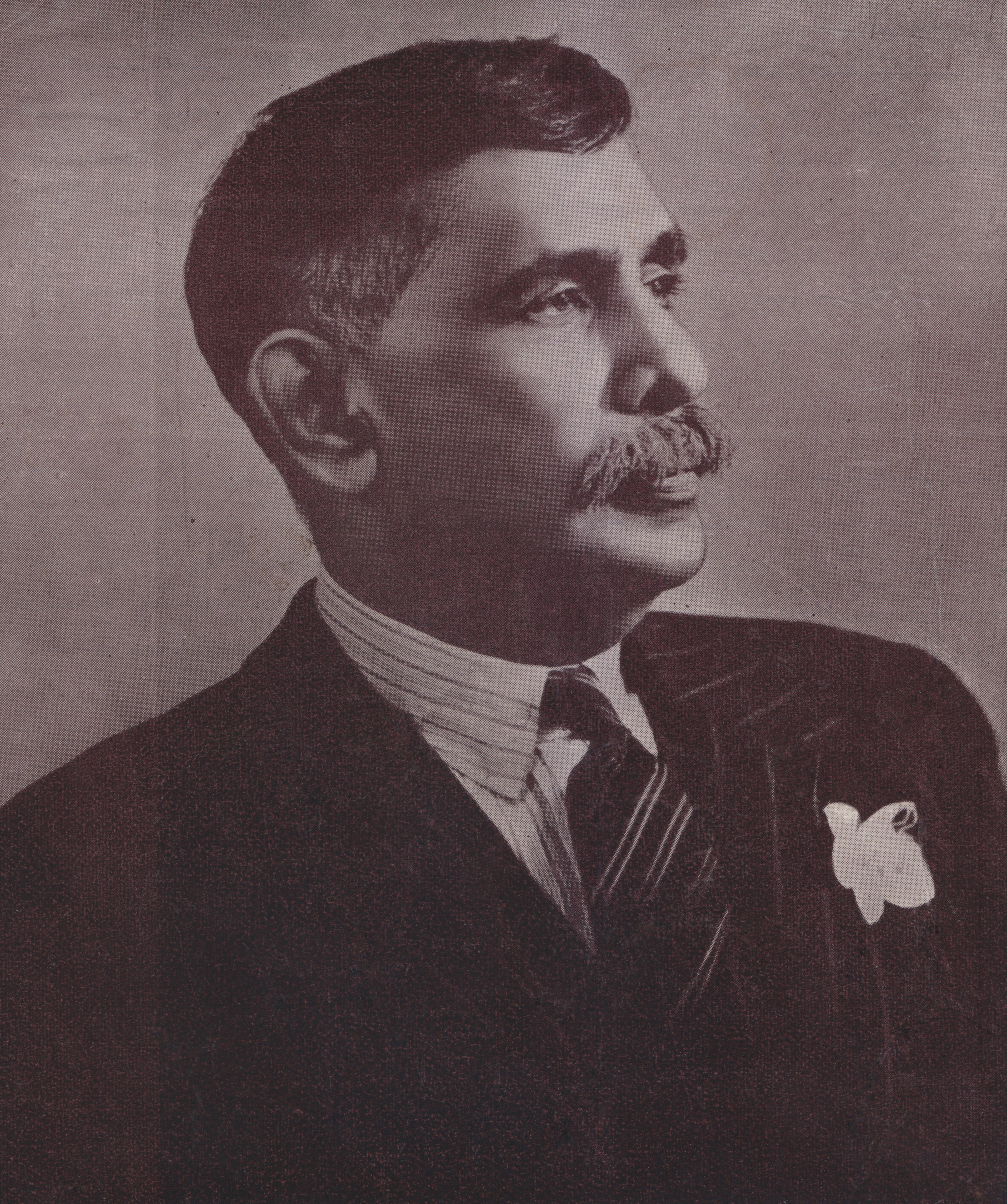
D. S. Senanayake (දොන් ස්ටීවන් සේනානායක)
Founding Father and first Prime Minister of independent Ceylon (Sri Lanka) known as 'The Father of the Nation', who restored ancient dry zone irrigation reservoirs and led Ceylon to freedom in 1948.
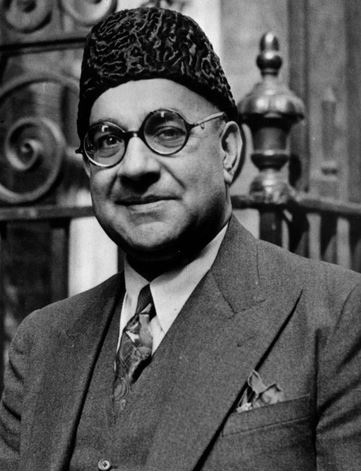
Liaquat Ali Khan
 (لیاقت علی خان)
Consolidated Pakistan's state institutions, currency, and military apparatus amidst catastrophic refugee displacement after Partition.
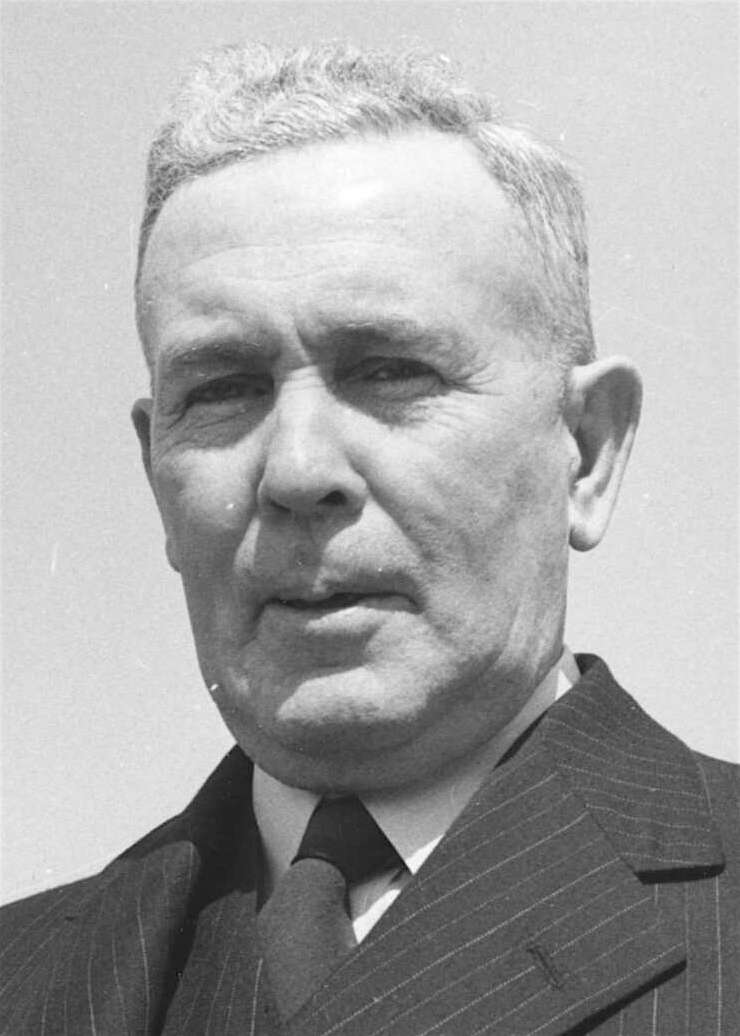
Ben Chifley
 (Joseph Benedict Chifley)
Sixteenth Prime Minister of Australia (1945–1949), former steam locomotive driver who led Australia's transformative post-war reconstruction, created national unemployment benefits, established the Australian National University, and launched the Snowy Mountains Hydro Scheme.
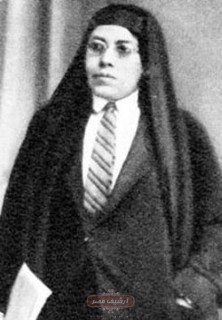
Nabawiyya Musa
 (نبويات موسى)
First Egyptian woman to obtain a high school baccalaureate (1907) and first female headmistress in Egypt, who established independent girls' schools and the Tarqiyat al-Fatah journal.
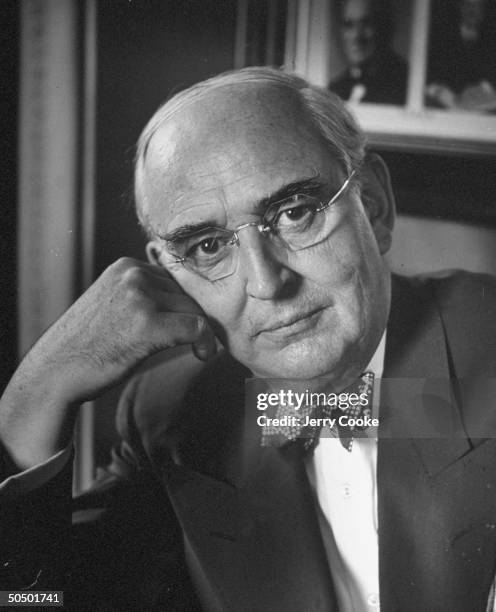
Arthur H. Vandenberg
 (Arthur Hendrick Vandenberg)
Michigan Senator who forged bipartisan Cold War foreign policy, famously proclaiming 'politics stops at the water's edge' and authoring the Vandenberg Resolution that enabled NATO.
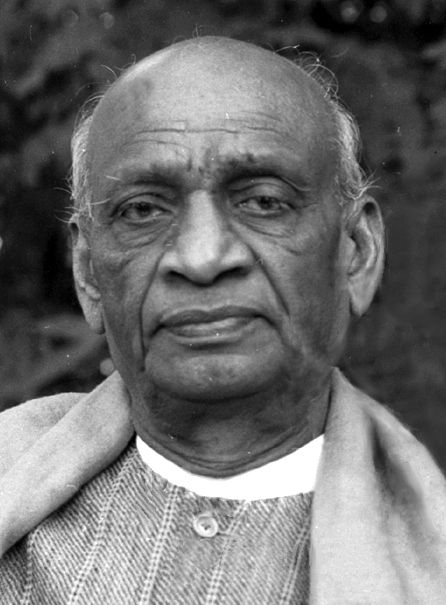
Vallabhbhai Patel
(सरदार वल्लभभाई पटेल)
Founding Father and first Deputy Prime Minister of India revered as the 'Iron Man of India', who integrated 565 princely states into a unified republic, immortalized by the Statue of Unity.
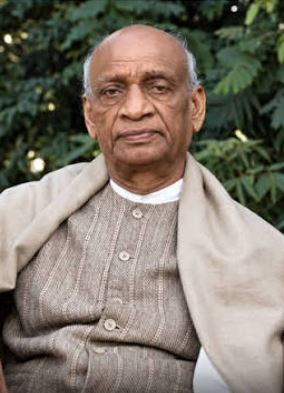
Sardar Vallabhbhai Patel
(સરદાર વલ્લભભાઈ પટેલ)
Unified modern India into a cohesive federal republic, created the Indian Administrative Service (IAS), and averted Balkanization of the subcontinent.
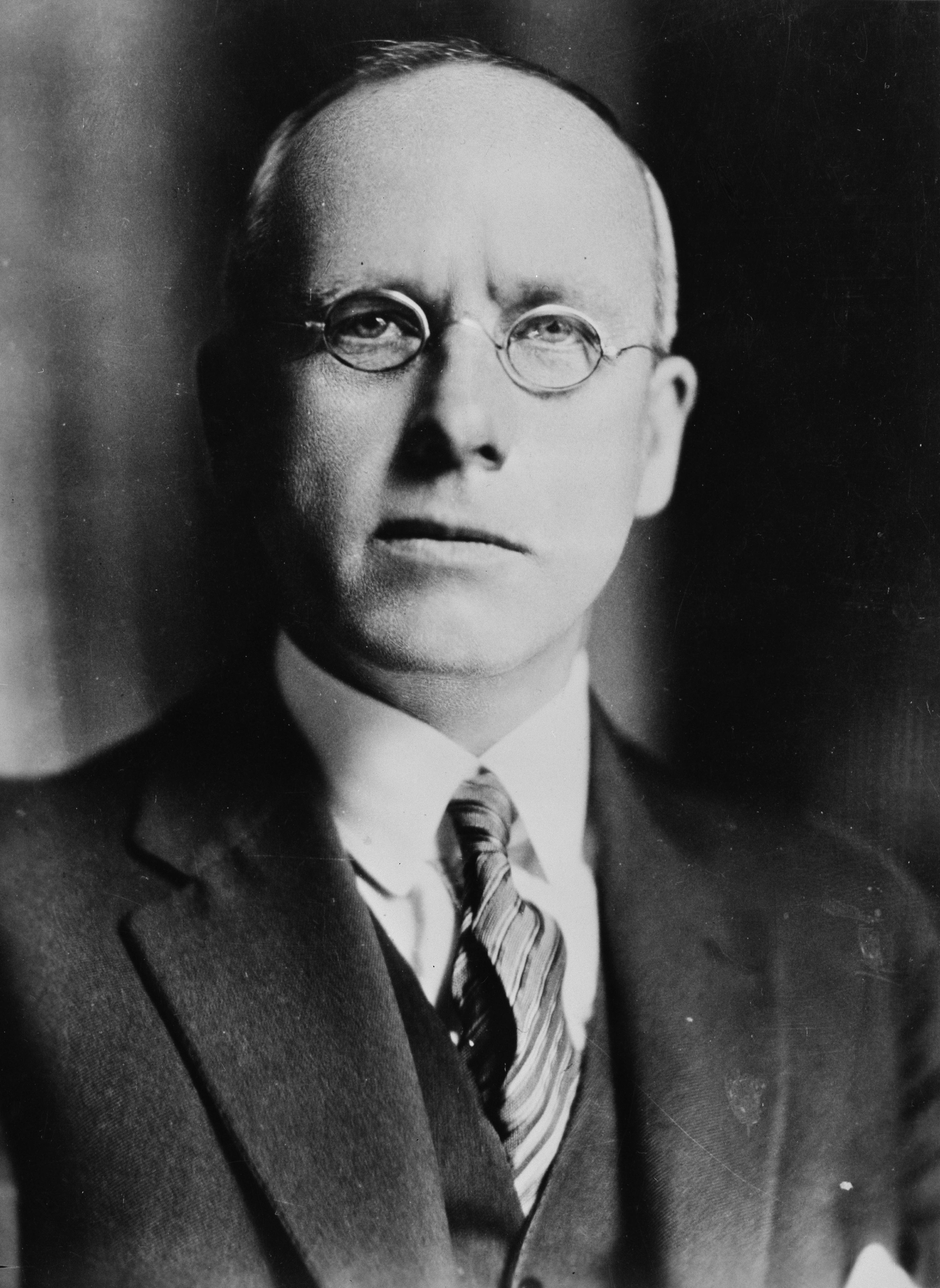
Peter Fraser
 (Peter Fraser)
Twenty-fourth Prime Minister of New Zealand (1940–1949) who guided his country through World War II, transformed national secondary and university education, and championed the rights of small nations as a key drafter of the United Nations Charter in San Francisco.
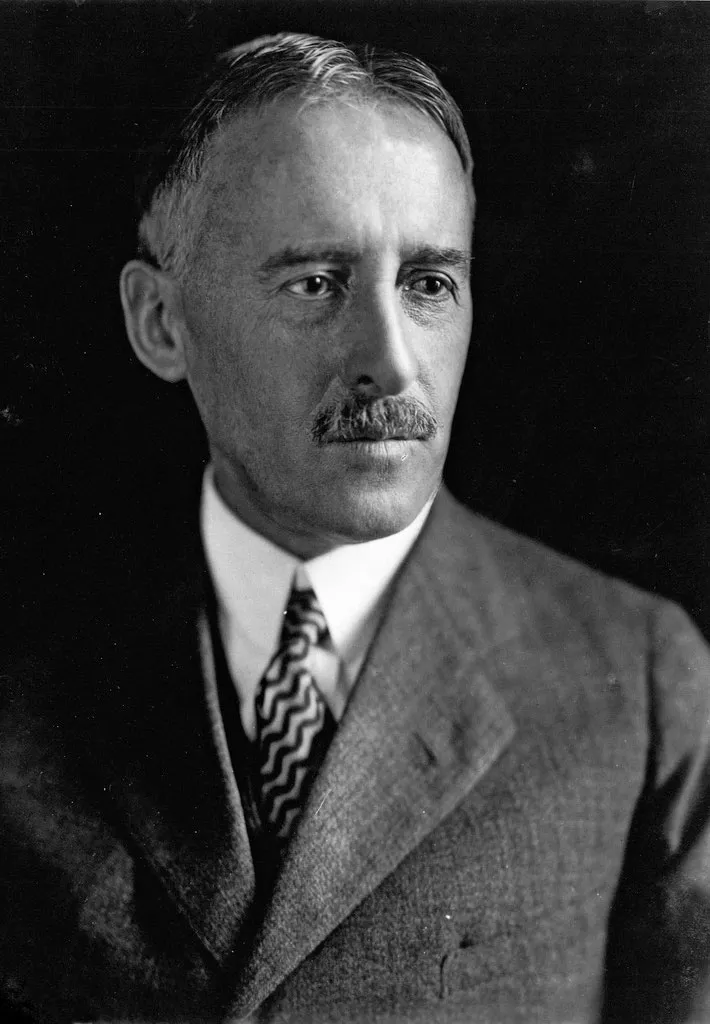
Henry L. Stimson
(Henry Lewis Stimson)
Elder statesman who served under seven presidents, promulgated the Stimson Doctrine of non-recognition, and directed the US War Department through World War II and the Manhattan Project.
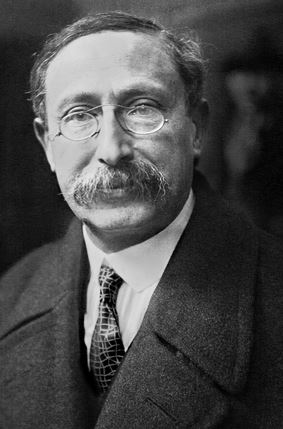
Léon Blum
 (André Léon Blum)
Transformed social rights for the working class and demonstrated unyielding moral courage during the Riom trial under the Vichy regime.
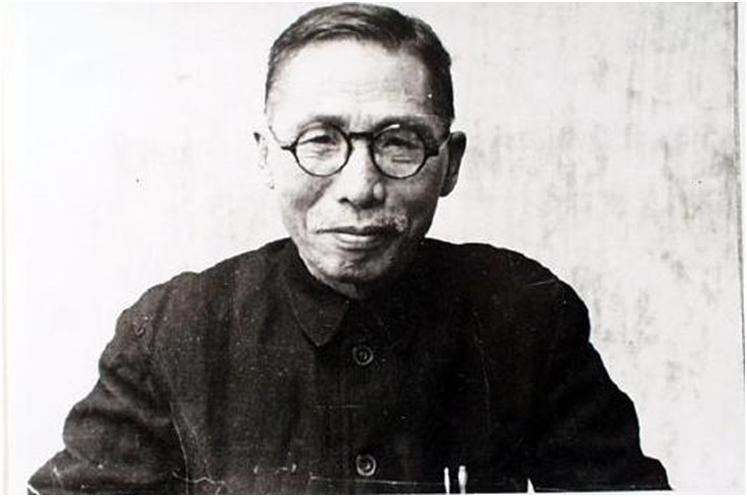
Kim Koo
 (김구 / 金九)
President of the Provisional Government of the Republic of Korea and leader of the Korean independence movement, revered as the 'Father of the Nation' (Gukbu).
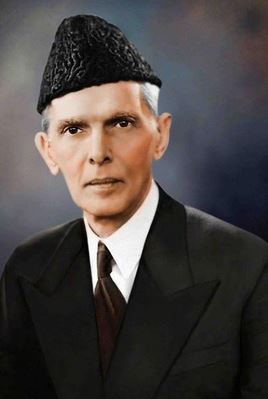
Muhammad Ali Jinnah
 (محمد علی جناح)
Redrew the geopolitical map of South Asia through rigorous constitutional and legal advocacy, founding the sovereign state of Pakistan.
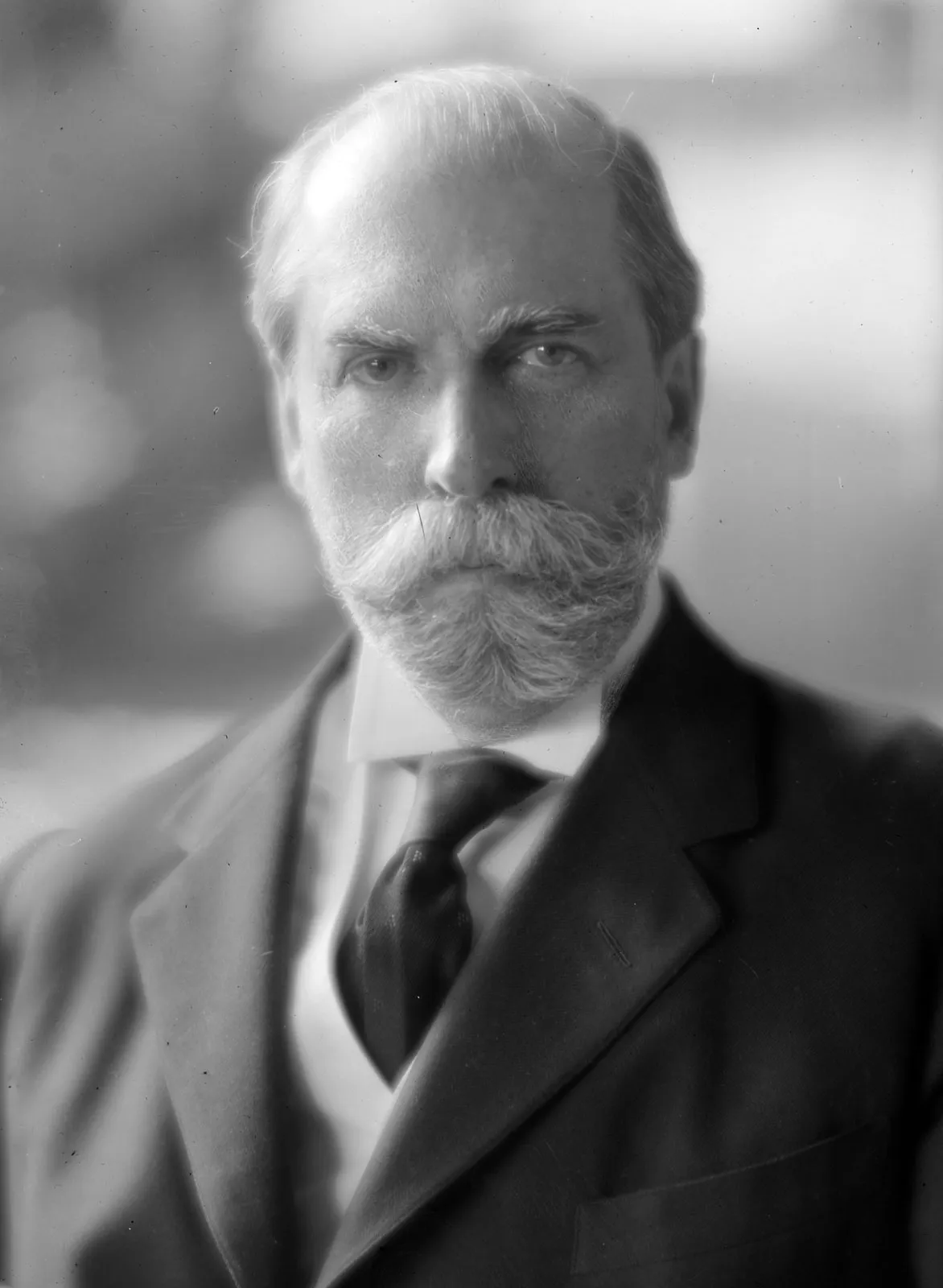
Charles Evans Hughes
(Charles Evans Hughes)
11th Chief Justice of the United States, Governor of New York, Secretary of State, and 1916 Republican presidential nominee who led the Washington Naval Conference and resisted FDR's Court-packing plan.
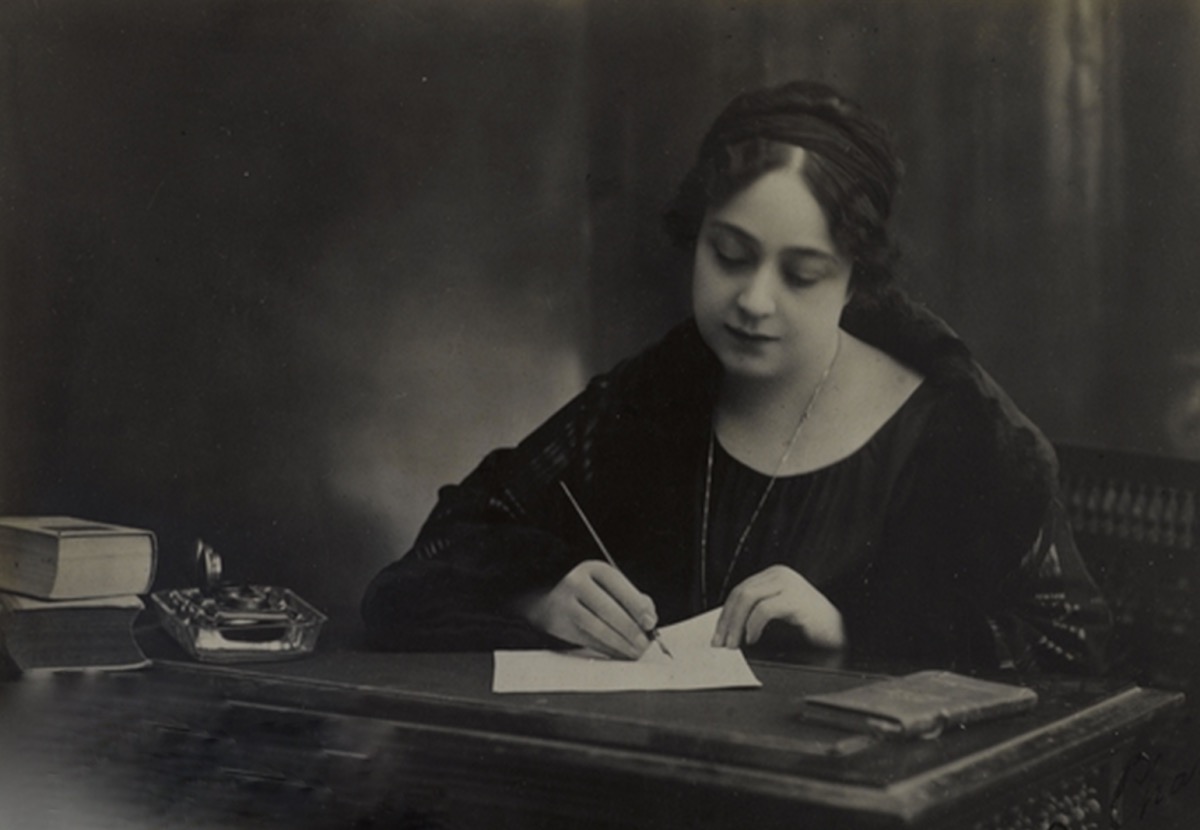
Huda Sha'arawi
(هدى شعراوي)
Trailblazing Egyptian feminist leader, nationalist pioneer, and suffragist who founded the Egyptian Feminist Union in 1923 and famously removed her veil at Cairo Railway Station, sparking a nationwide revolution for women's rights.
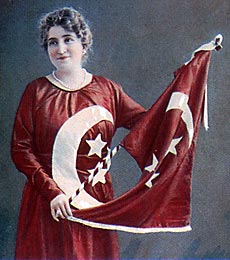
Safia Zaghloul
(صفية زغلول)
Beloved Egyptian nationalist leader hailed as 'Umm al-Misriyyin' (Mother of the Egyptians), who directed the Wafd party and sustained the popular anti-colonial struggle while her husband Saad Zaghloul was exiled to the Seychelles.