 Joseon Korea
•
1 views
Joseon Korea
•
1 views
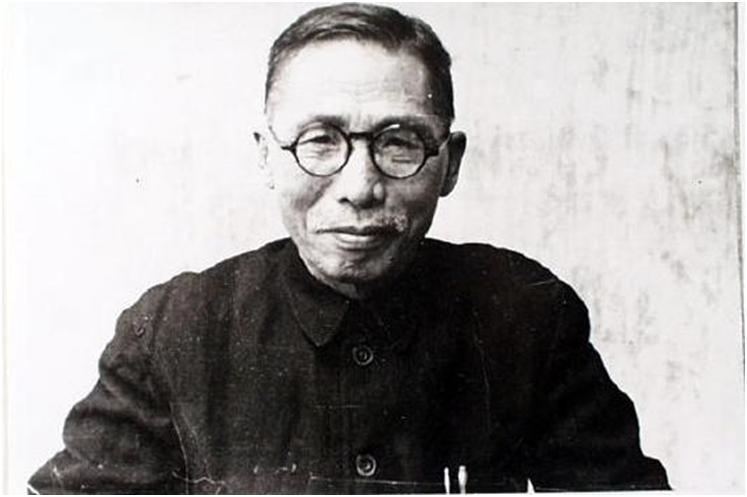
Kim Koo

Haeju, Hwanghae Province, Joseon Korea
Archival Overview
President of the Provisional Government of the Republic of Korea and leader of the Korean independence movement, revered as the 'Father of the Nation' (Gukbu).
Biographical Record
Kim Koo (1876–1949), known by his pen name Baekbeom ('White Tiger'), was a Korean nationalist leader, freedom fighter, and statesman revered in South Korea as the 'Father of the Nation'. Participating in the Donghak Peasant Revolution at sixteen and imprisoned and tortured by Japanese colonial authorities following the 1910 annexation, he fled into exile in Shanghai following the March 1st Independence Movement of 1919.
In Shanghai and later Chongqing, Kim led the Provisional Government of the Republic of Korea, organizing the Korean Patriotic Organization and the Korean Liberation Army. In his beloved essay My Wish (Naui Sowon), he expressed his dream that Korea become not a military empire, but 'the most beautiful nation in the world, rich in culture and moral virtue'. Following liberation, he passionately opposed the division of Korea into separate North and South regimes before being assassinated in Seoul in 1949.
Key Life Milestones
Formation of Korean Liberation Army
Founded the Korean Liberation Army in Chongqing, coordinating with the Chinese Nationalist Government and the American OSS.
Inter-Korean Unity Conference in Pyongyang
Traveled to Pyongyang to negotiate directly with Kim Il-sung in a desperate, principled attempt to avert the partition of Korea.
Memorial Guestbook & Tributes
0 messages recordedLeave a Respectful Tribute
Final Resting Place
Perpetual MemorialSeoul, South Korea