Public Figures & Cultural Luminaries
Filterable archive covering centuries of intellectual, artistic, and moral contributions to the human story.
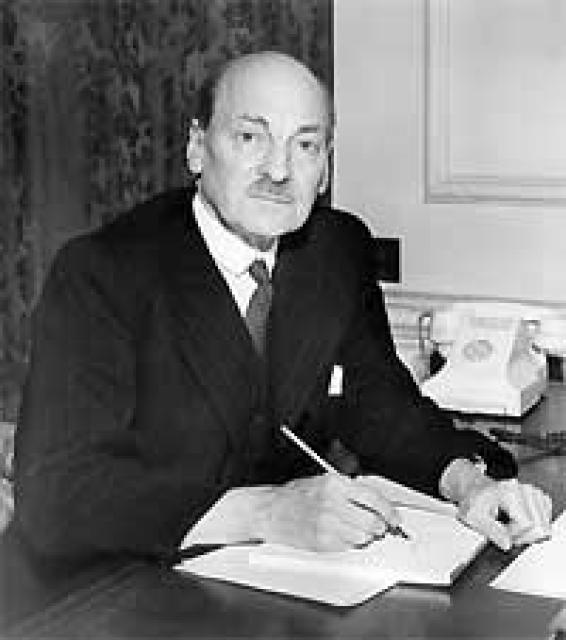
Clement Attlee, 1st Earl Attlee
 (Clement Richard Attlee)
British Labour Prime Minister who established the modern Welfare State, founded the National Health Service (NHS), and presided over the independence of India.
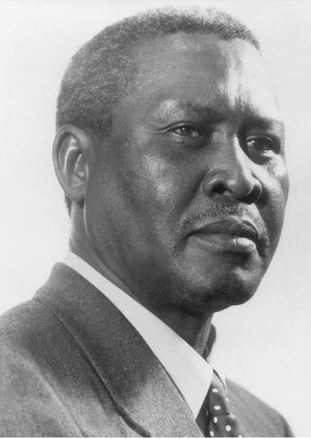
Albert Luthuli (Albert John Mvumbi Luthuli)
First African to receive the Nobel Peace Prize; set the moral foundation of non-violent resistance and democratic brotherhood for the South African anti-apartheid movement.
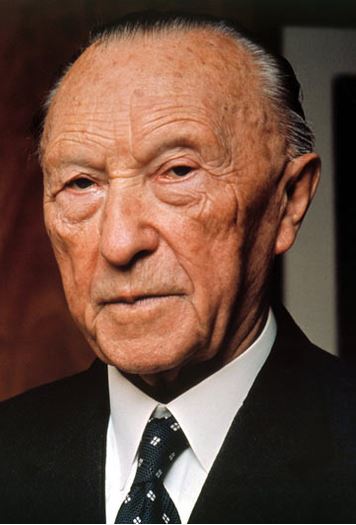
Konrad Adenauer
 (Konrad Hermann Joseph Adenauer)
Rebuilt a devastated Germany into a prosperous democracy (Wirtschaftswunder) and signed the historic Élysée Treaty with Charles de Gaulle in 1963.
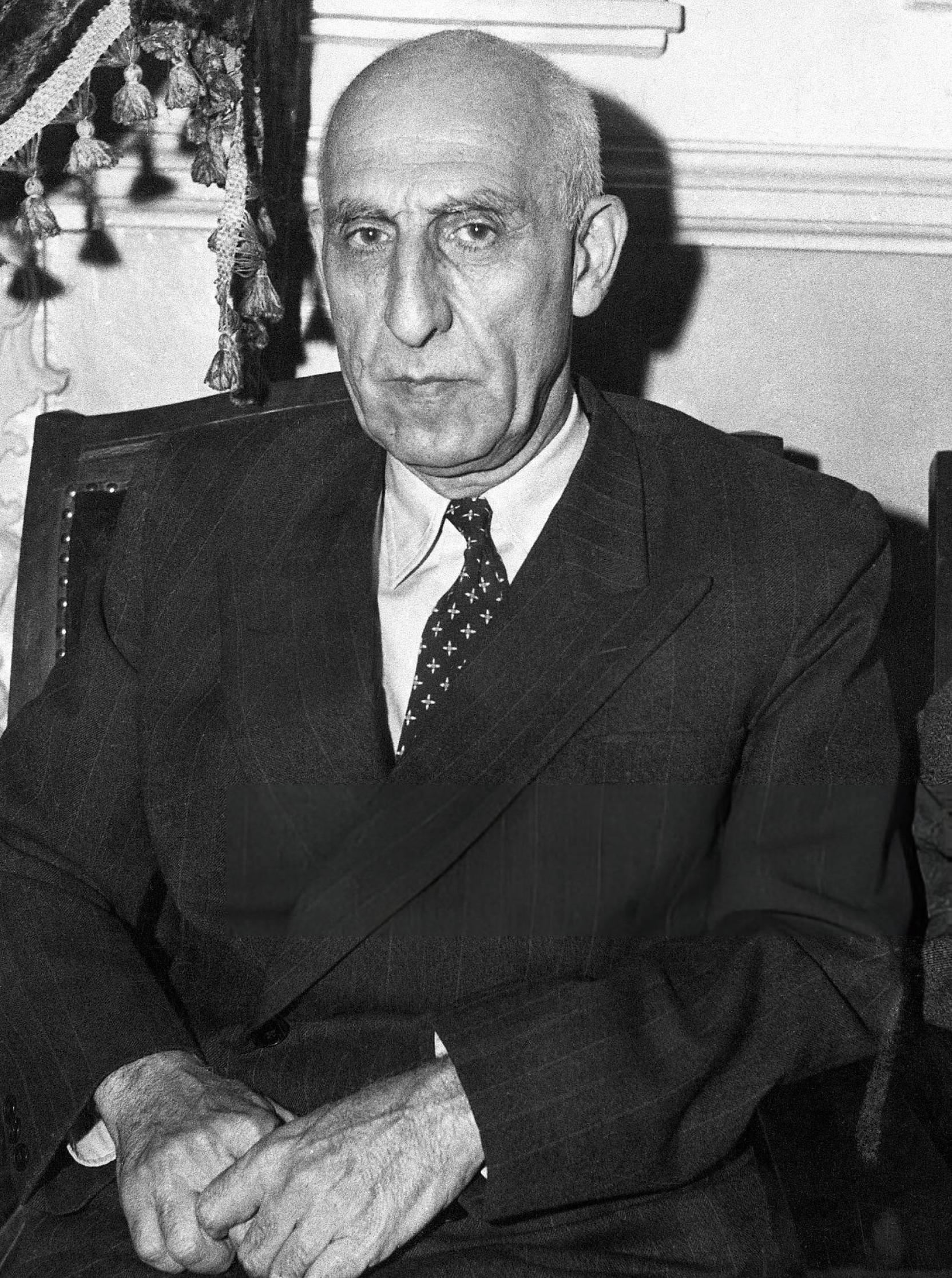
Mohammad Mosaddegh
 (محمد مصدق)
Democratically elected Prime Minister of Iran who nationalized the British-controlled Iranian oil industry, leading to his overthrow in the 1953 CIA/MI6 coup (Operation Ajax).
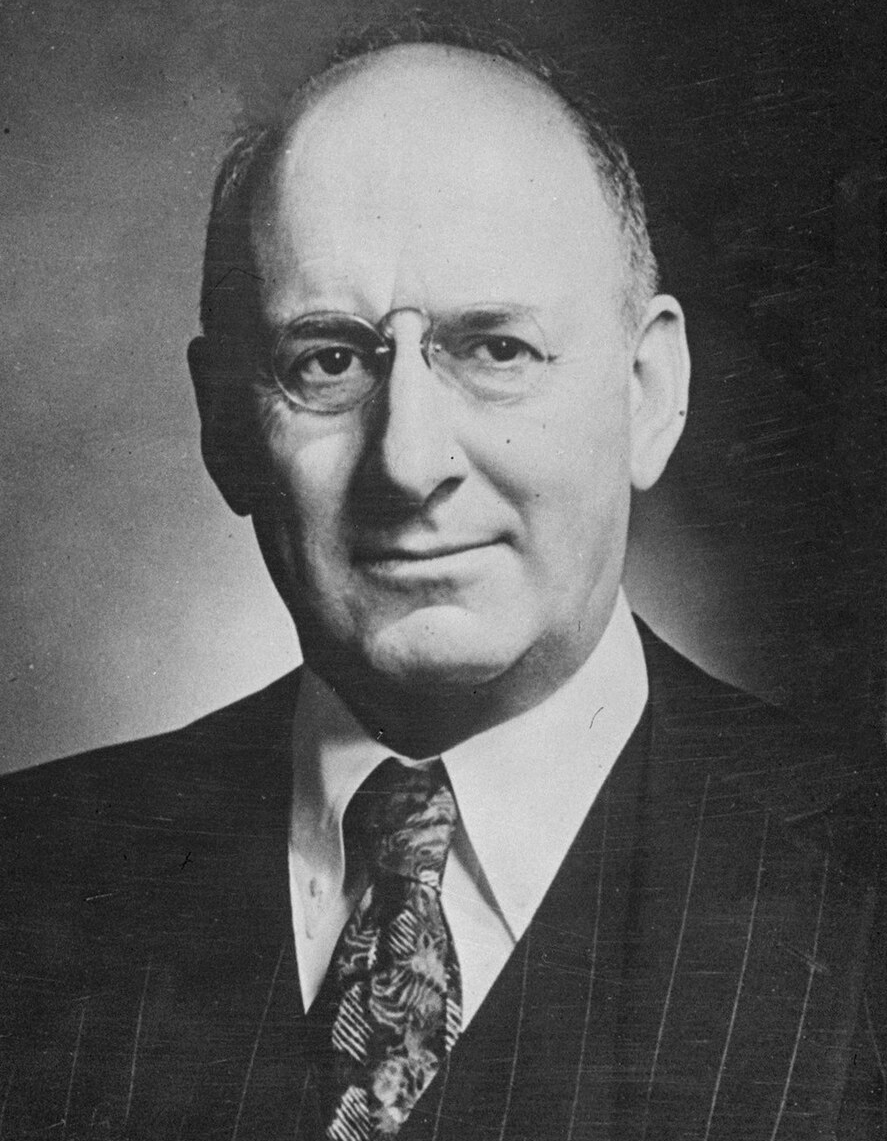
Henry Morgenthau Jr.
 (Henry Morgenthau Jr.)
FDR's Secretary of the Treasury who financed the New Deal and World War II, led the 1944 Bretton Woods Conference creating the IMF and World Bank, and established the War Refugee Board.
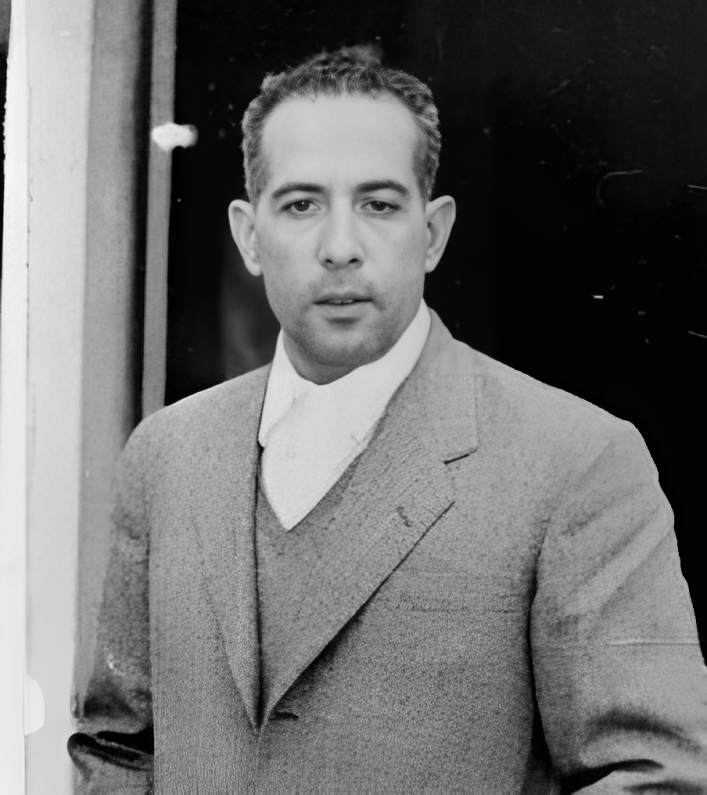
Mohamed Khider
 (محمد خيضر)
Pioneering Algerian revolutionary leader, member of the historic 'Nine Chiefs' of the FLN, and manager of the revolutionary war treasury who oversaw the international logistics of the ALN.
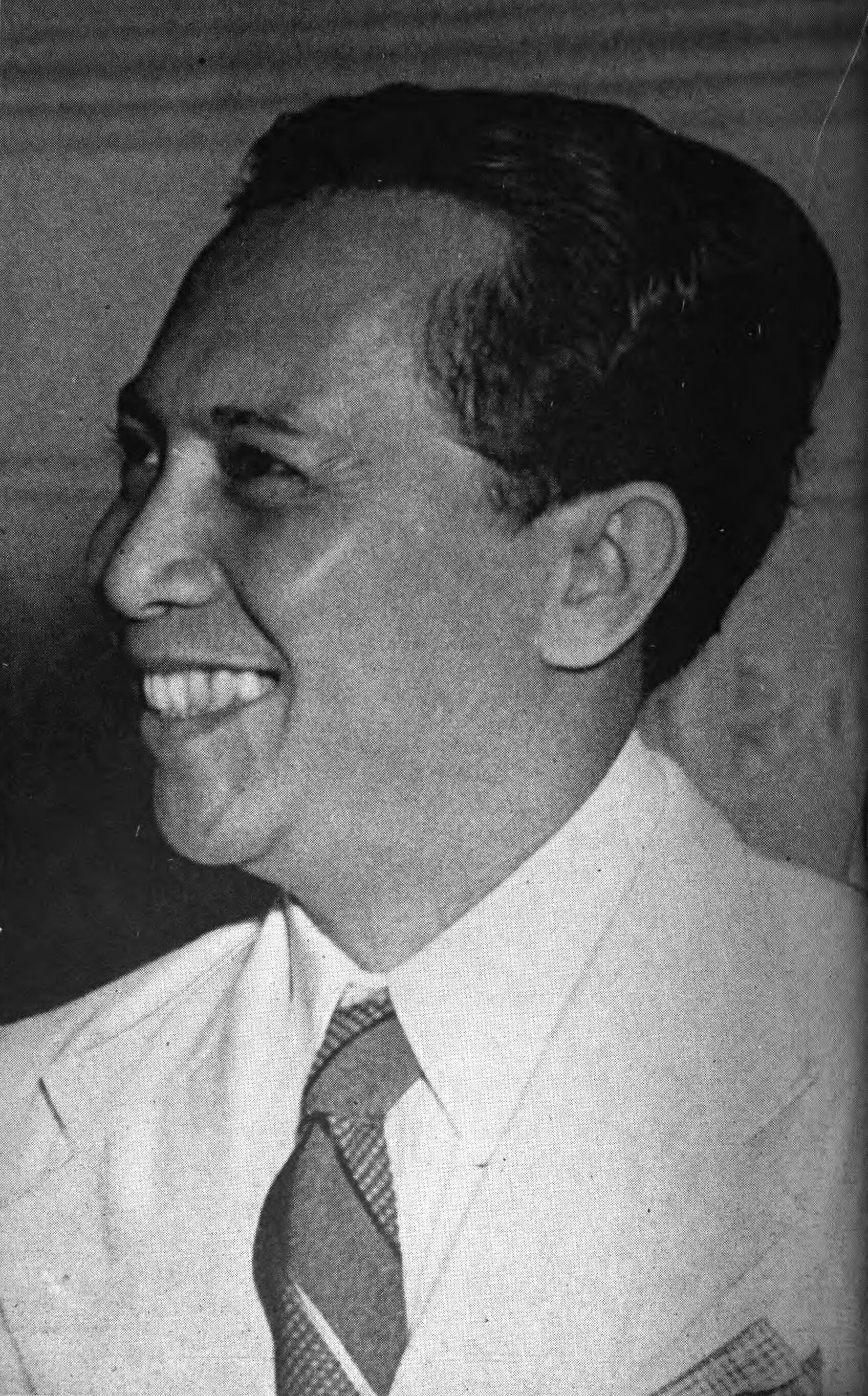
Sutan Sjahrir
 (Sutan Sjahrir)
First Prime Minister of independent Indonesia (1945–1947), intellectual leader of the underground anti-fascist resistance during the Japanese occupation, who secured international diplomatic recognition for the young republic at the United Nations.
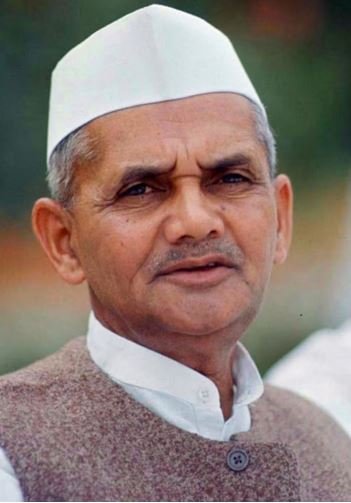
Lal Bahadur Shastri
 (लाल बहादुर शास्त्री)
Icon of ethical governance, modesty, and agrarian development; laid the groundwork for India's food security and dairy self-sufficiency (Amul).
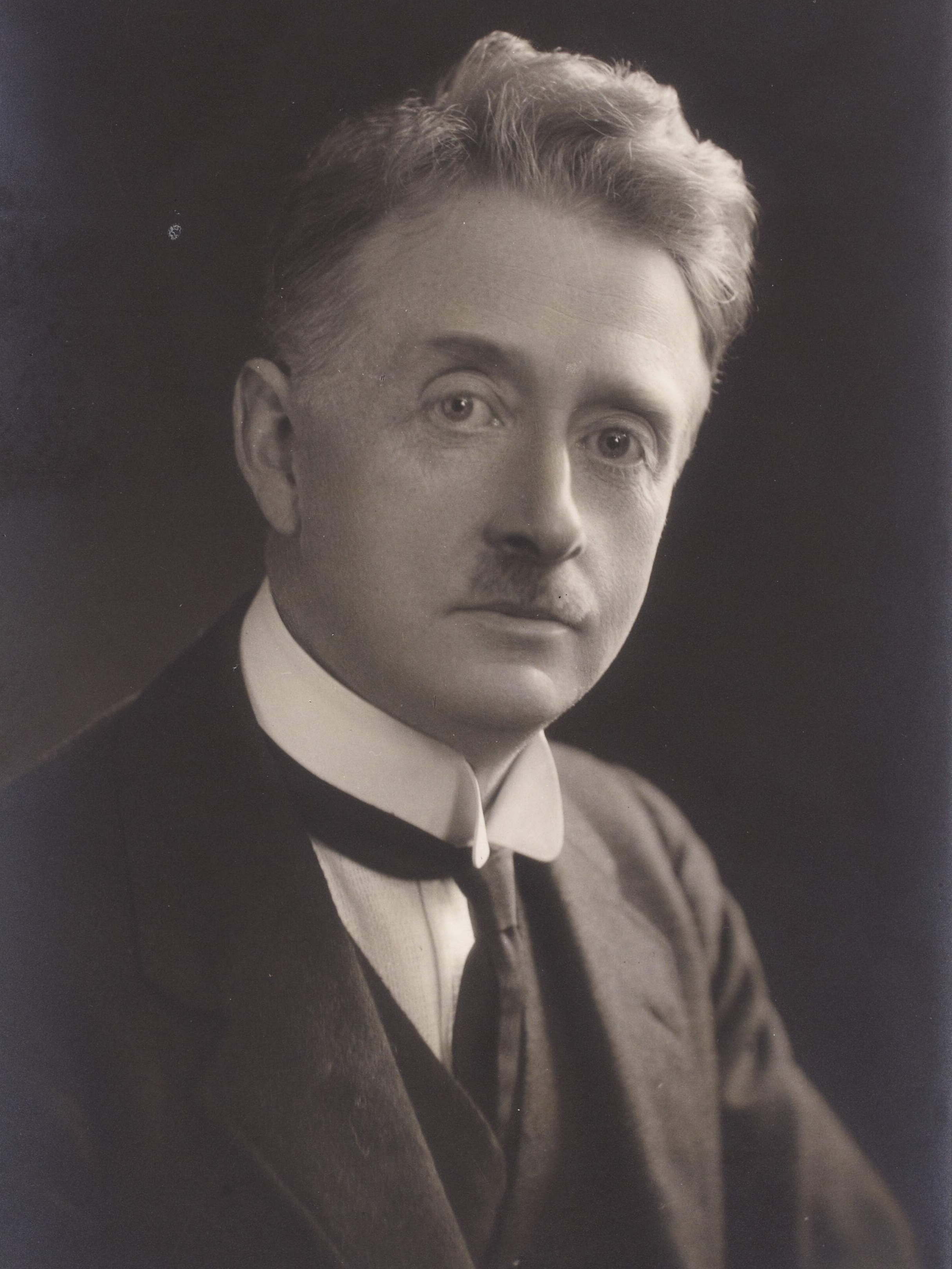
W. T. Cosgrave
 (William Thomas Cosgrave (Liam Mac Cosgair))
Founding statesman and first President of the Executive Council of the Irish Free State (1922–1932) who established stable constitutional democracy following the Irish Civil War, founded the Shannon Hydroelectric Scheme, and peacefully handed over power to his civil war opponents.
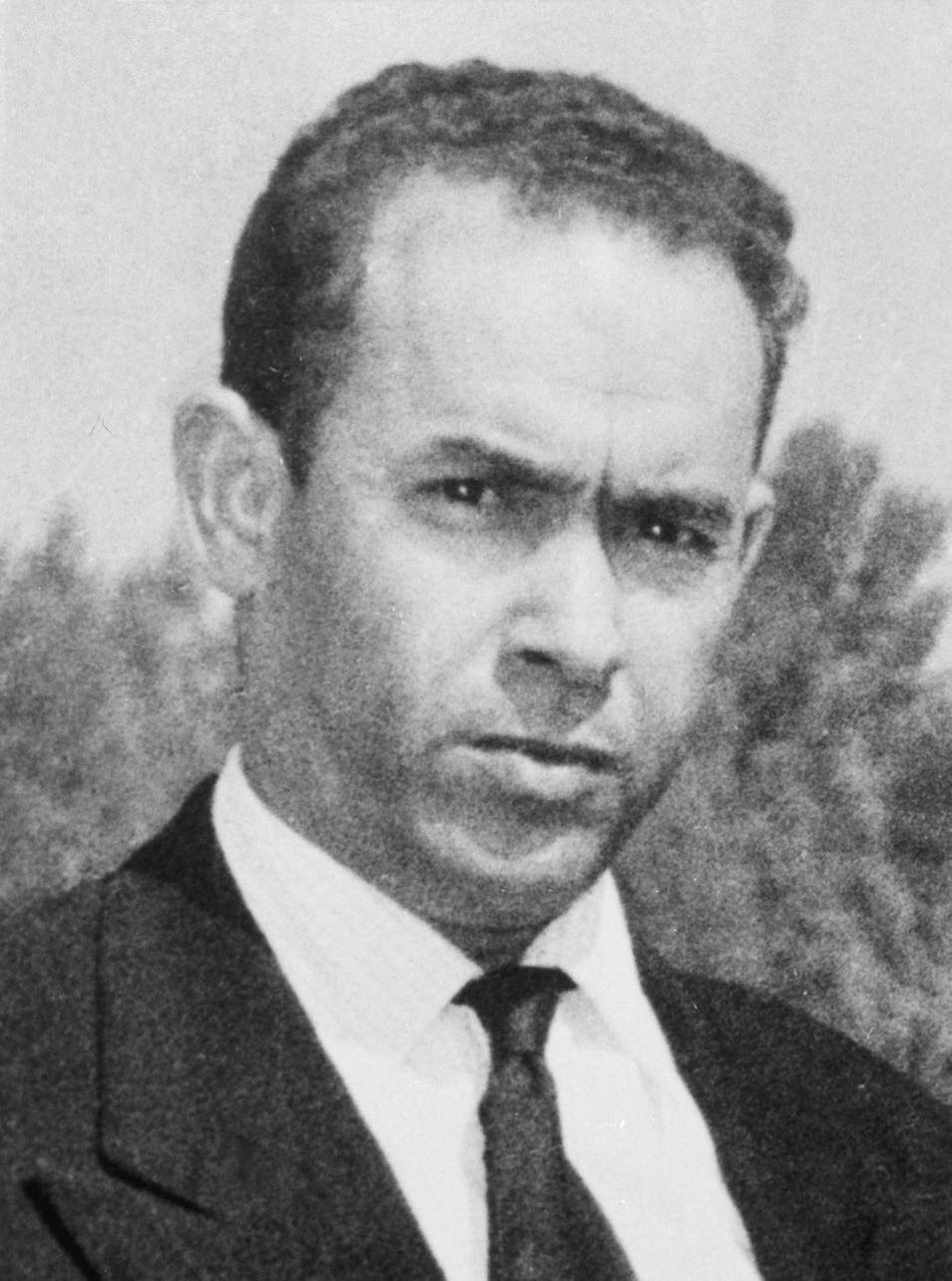
Mehdi Ben Barka
 (المهدي بن بركة)
Dynamic Moroccan socialist statesman and anti-imperialist leader who headed the National Union of Popular Forces (UNFP) and served as leader of the Tricontinental Conference, championing global liberation before his mysterious assassination in Paris.
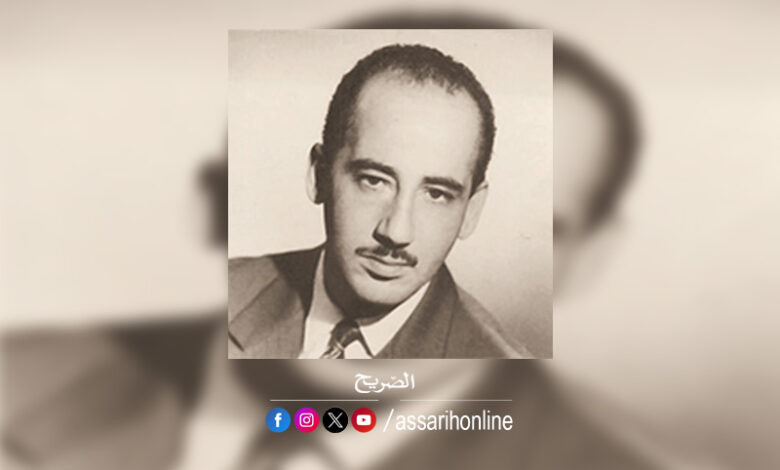
Taieb Mehiri
 (الطيب المهيري)
Instrumental Tunisian revolutionary leader and the republic's first Minister of the Interior, who organized the underground resistance and built modern Tunisia's internal security and administrative infrastructure.
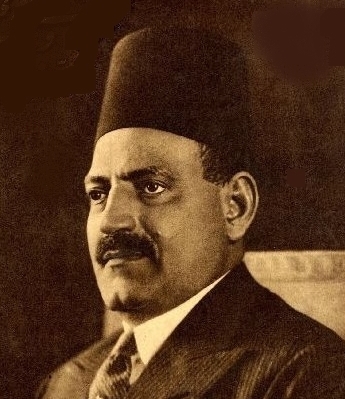
Mostafa El-Nahas Pasha
 (مصطفى النحاس باشا)
Five-term Prime Minister of Egypt and leader of the Wafd Party who co-founded the Arab League, signed the 1936 Anglo-Egyptian Treaty, and unilaterally abrogated it in 1951.
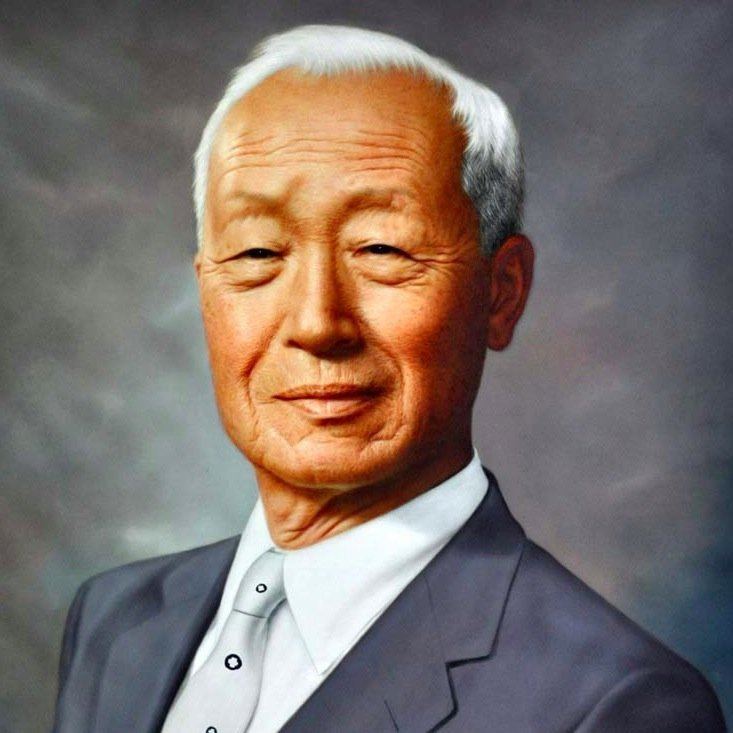
Syngman Rhee
 (이승만 / 李承晚)
First President of South Korea who led the Republic of Korea through the Korean War and secured the US-ROK Mutual Defense Treaty.
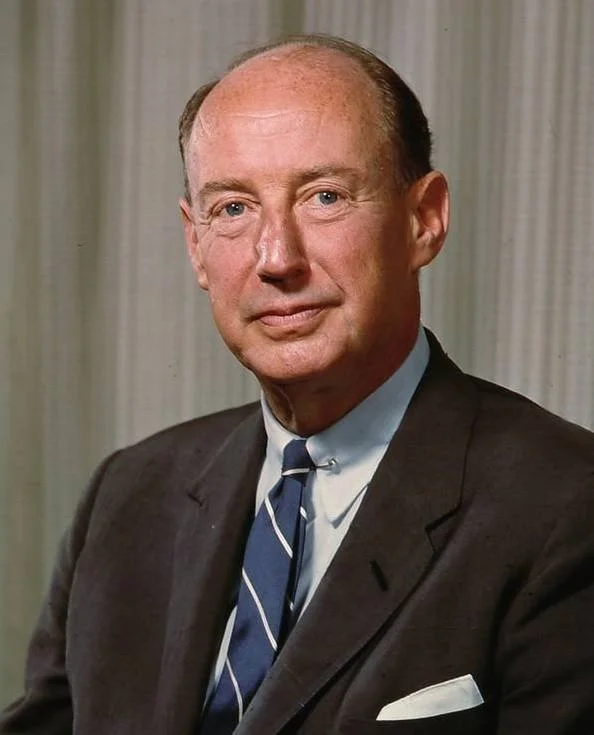
Adlai Stevenson II
(Adlai Ewing Stevenson II)
Governor of Illinois, two-time Democratic presidential nominee, and US Ambassador to the UN who dramatically confronted the Soviets with U-2 spy photos during the Cuban Missile Crisis.
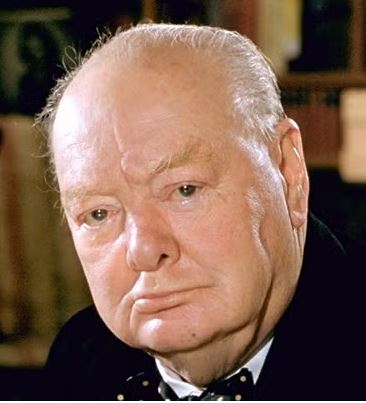
Winston Churchill
(Sir Winston Leonard Spencer Churchill)
Rallied the British Empire and the free world when standing alone against Nazi hegemony, cementing Allied victory and warning of the Soviet 'Iron Curtain'.
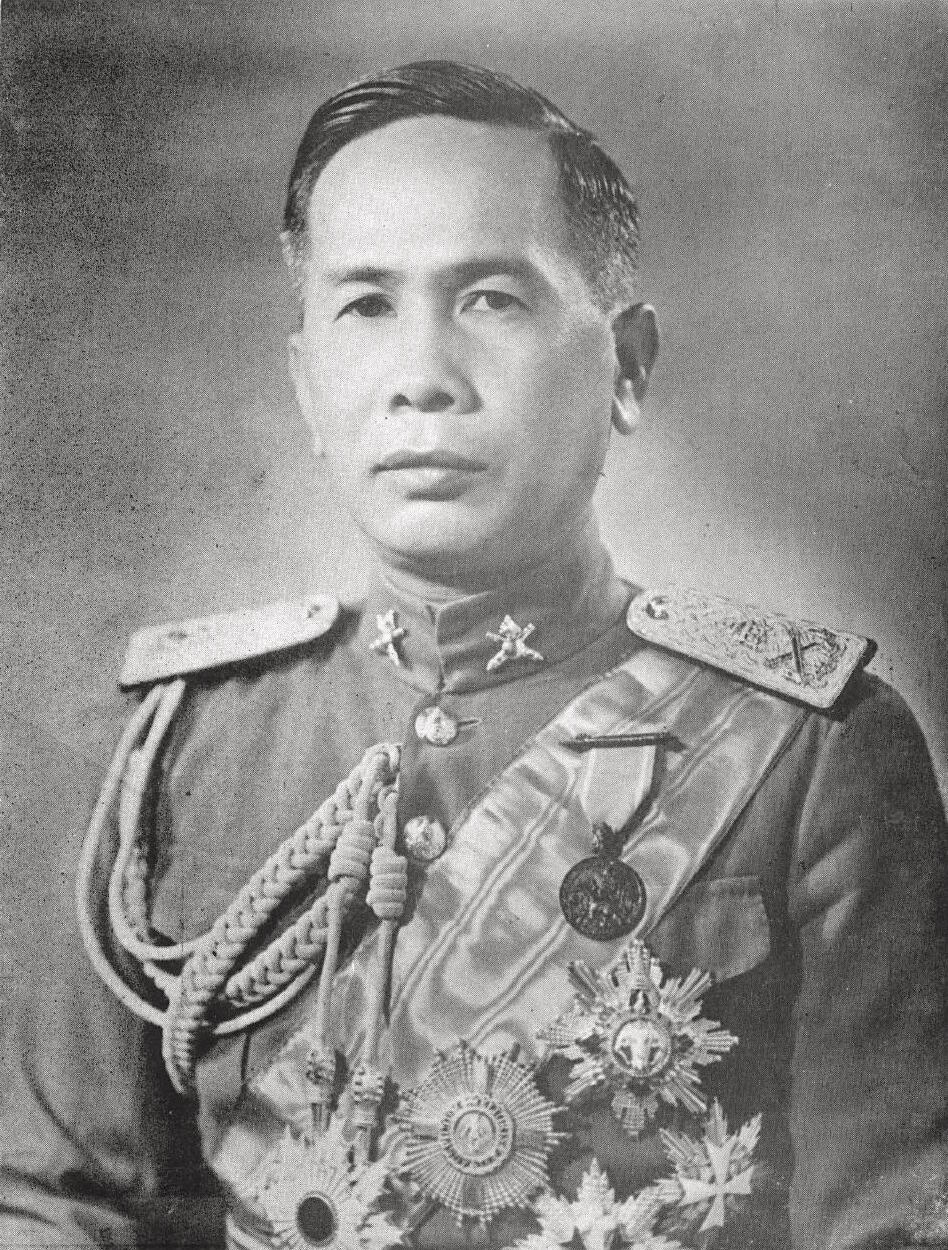
Plaek Phibunsongkhram
 (แปลก พิบูลสงคราม (จอมพล ป.))
Third Prime Minister of Thailand who renamed Siam to 'Thailand' in 1939, introduced national cultural mandates (including Pad Thai and Western attire), and modernized Thai national identity.
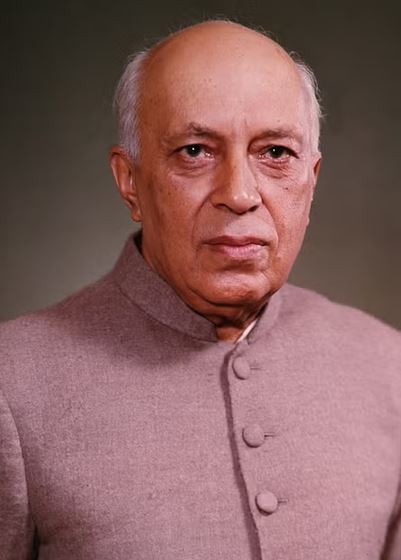
Jawaharlal Nehru
(जवाहरलाल नेहरू)
Architect of modern India's secular democracy, scientific institutions (IITs, atomic program), and foreign policy pioneer of the Non-Aligned Movement.
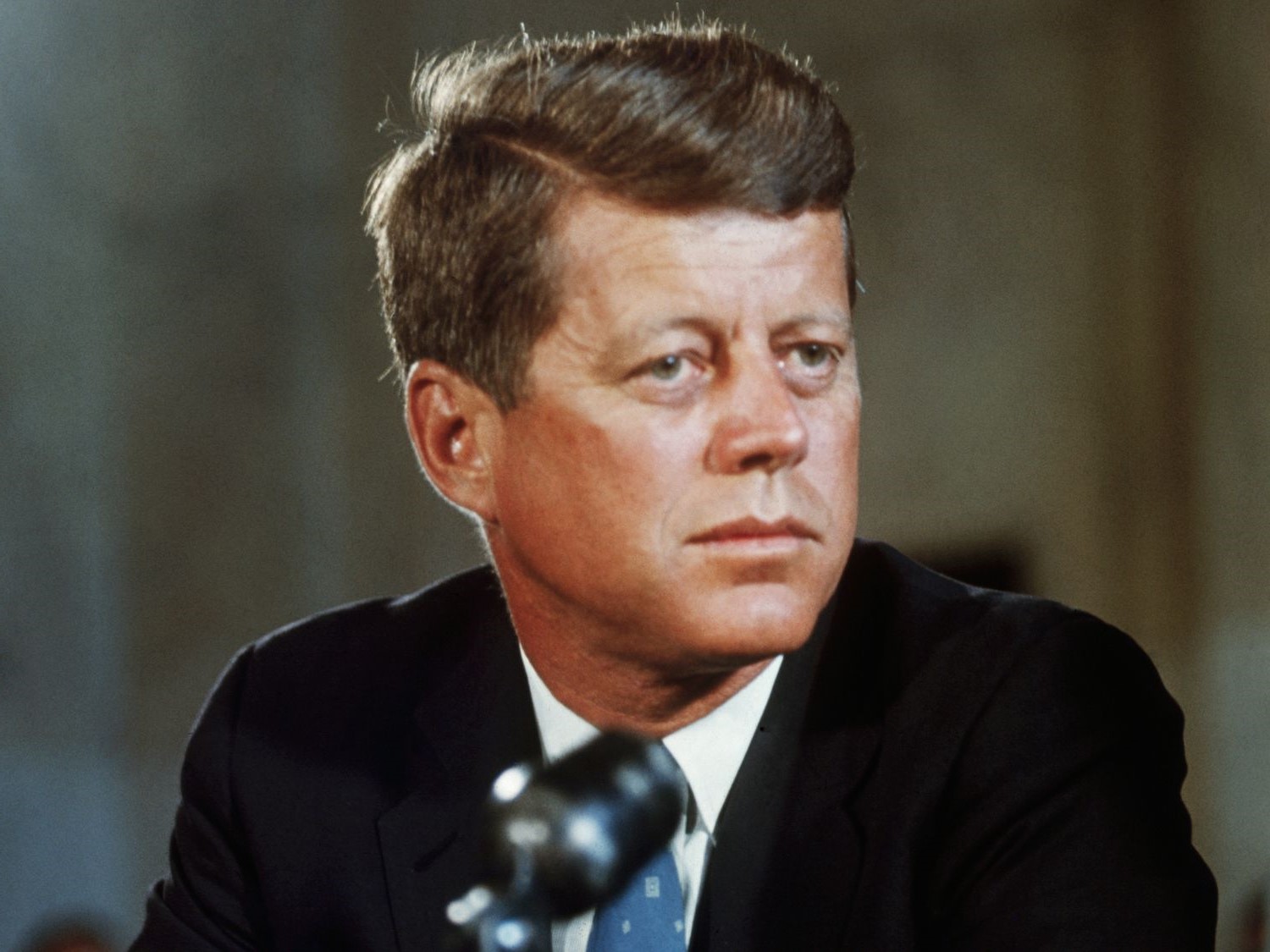
John F. Kennedy
(John Fitzgerald Kennedy)
A symbol of youthful optimism and rhetorical brilliance who averted nuclear war during the Cuban Missile Crisis and inspired global space exploration.