Public Figures & Cultural Luminaries
Filterable archive covering centuries of intellectual, artistic, and moral contributions to the human story.
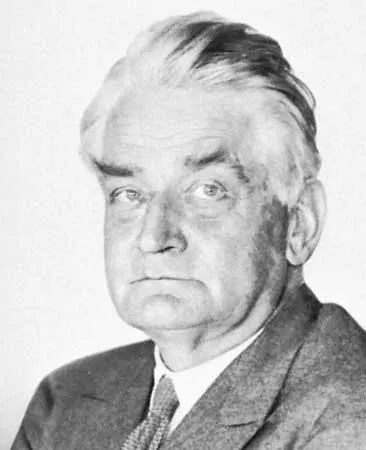
Christian Lous Lange
 (Christian Lous Lange)
Christian Lous Lange was a Norwegian historian, educator, and political scientist who served as Secretary-General of the Inter-Parliamentary Union (IPU) for a quarter-century (1909–1933). The first secretary of the Norwegian Nobel Committee, Lange guided the IPU through World War I and authored the monumental 'Histoire de l'internationalisme', receiving the 1921 Nobel Peace Prize with Hjalmar Branting.
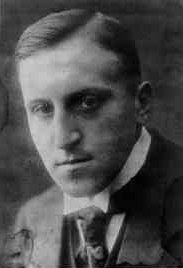
Carl von Ossietzky
 (Carl von Ossietzky)
German investigative journalist and fearless anti-Nazi editor of 'Die Weltbuhne' who exposed Germany's secret illegal rearmament in violation of the Treaty of Versailles, awarded the 1935 Nobel Peace Prize while imprisoned in a Nazi concentration camp.
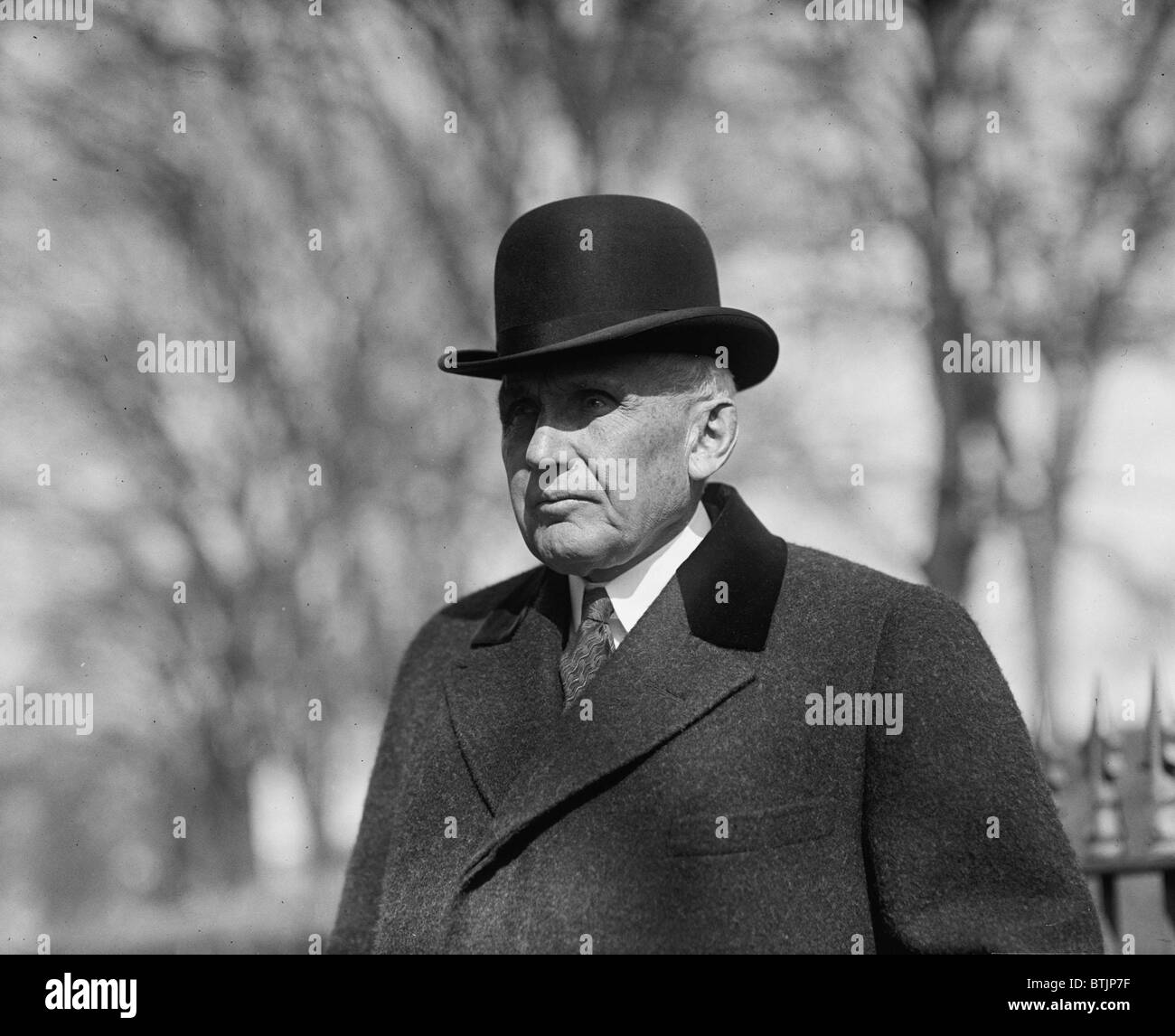
Frank Billings Kellogg
 (Frank Billings Kellogg)
Frank Billings Kellogg was an American lawyer, diplomat, and US Secretary of State (1925–1929) under President Calvin Coolidge. Working in partnership with French Foreign Minister Aristide Briand, he authored the historic 1928 Kellogg-Briand Pact (Pact of Paris), signed by sixty-two nations legally renouncing war as an instrument of national policy, for which he was awarded the 1929 Nobel Peace Prize.
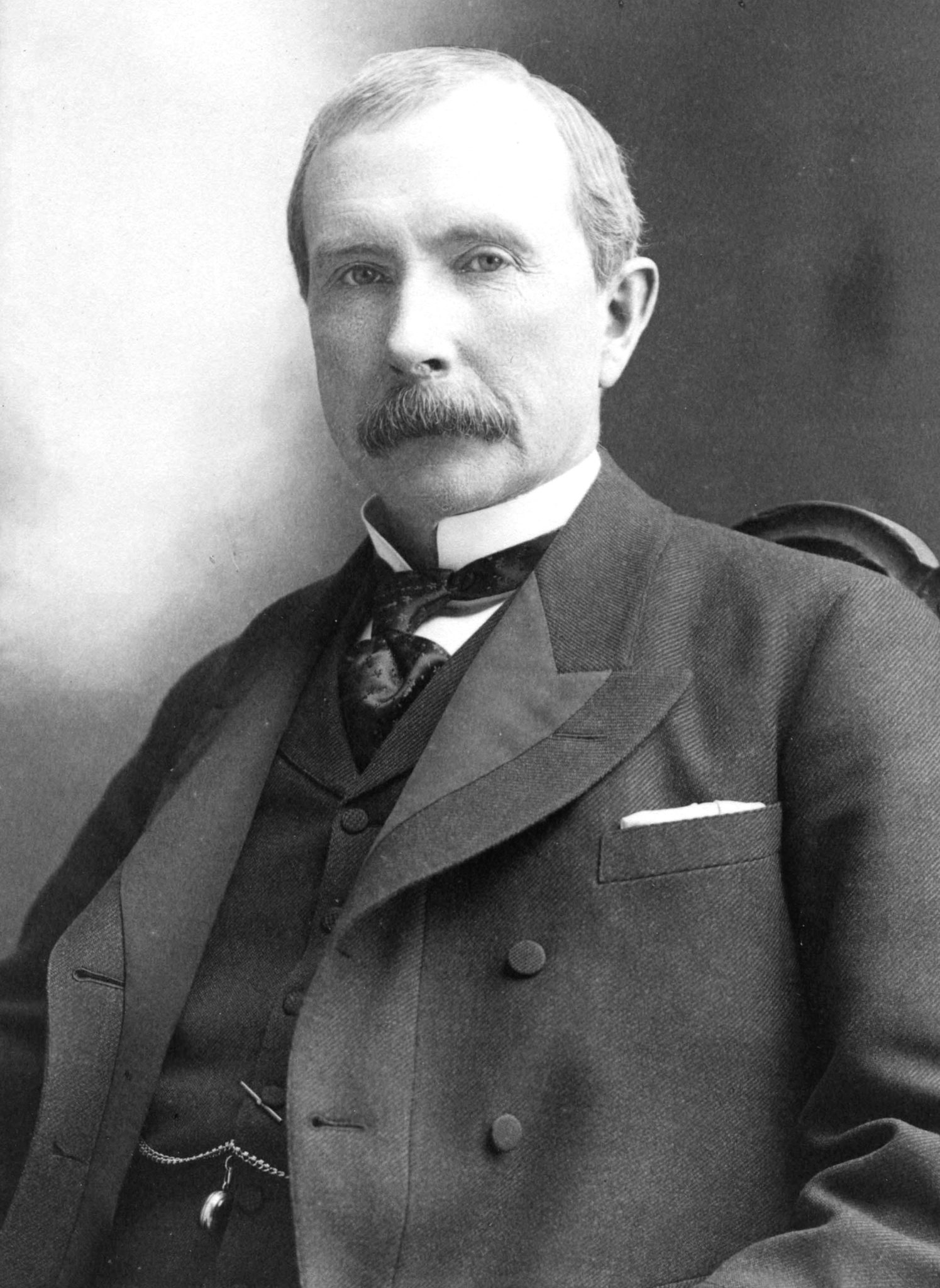
John Davison Rockefeller Sr.
(John D. Rockefeller)
Fondateur de la Standard Oil et pionnier de la philanthropie scientifique moderne, créateur de la Fondation Rockefeller qui a transformé la médecine et éradiqué la fièvre jaune.
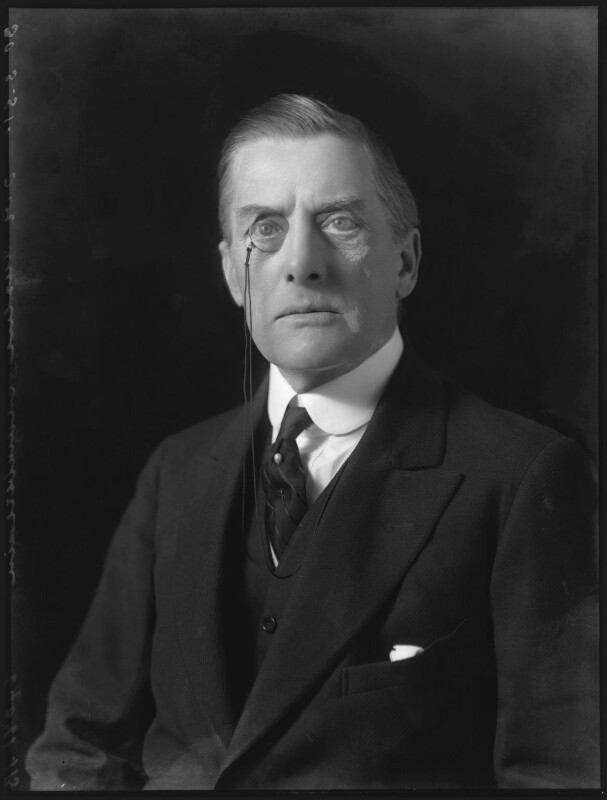
Sir Joseph Austen Chamberlain
 (Sir Joseph Austen Chamberlain)
Sir Austen Chamberlain was a British statesman who served as Foreign Secretary from 1924 to 1929. Renowned as the primary diplomatic architect of the 1925 Locarno Treaties, which reconciled postwar Germany with France and Britain and admitted Germany to the League of Nations, he was awarded the 1925 Nobel Peace Prize jointly with Charles G. Dawes.
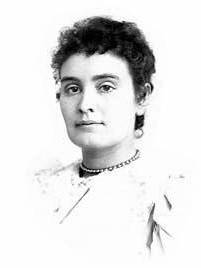
Anne Sullivan Macy (née Johanna Mansfield Sullivan)
(Anne Sullivan)
Éducatrice américaine visionnaire surnommée « The Miracle Worker », qui libéra l'esprit d'Helen Keller et révolutionna la pédagogie pour sourds et aveugles.
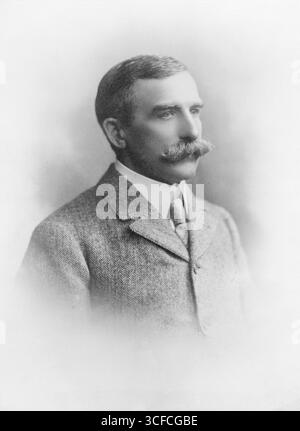
Sir Henry Solomon Wellcome
(Henry Wellcome)
Industriel pharmaceutique anglo-américain et philanthrope visionnaire, créateur du Wellcome Trust finançant la recherche biomédicale mondiale.
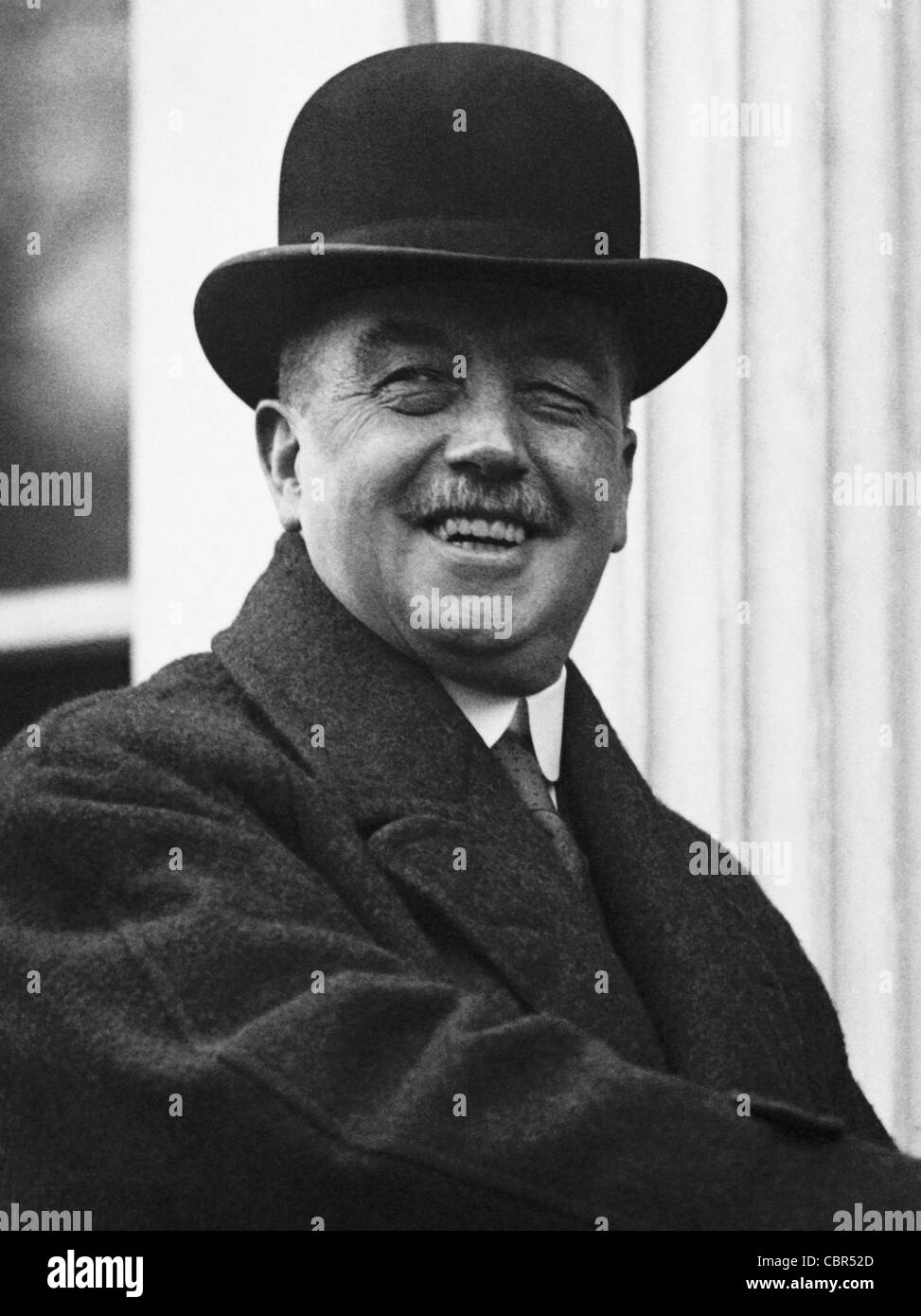
Arthur Henderson
(Arthur Henderson)
Arthur Henderson was a Scottish iron moulder, trade union leader, and British Foreign Secretary (1929–1931) who served as leader of the Labour Party across three terms. Appointed President of the World Disarmament Conference in Geneva in 1932, he struggled heroically for three years to achieve global arms reduction in the face of rising fascism, receiving the 1934 Nobel Peace Prize.
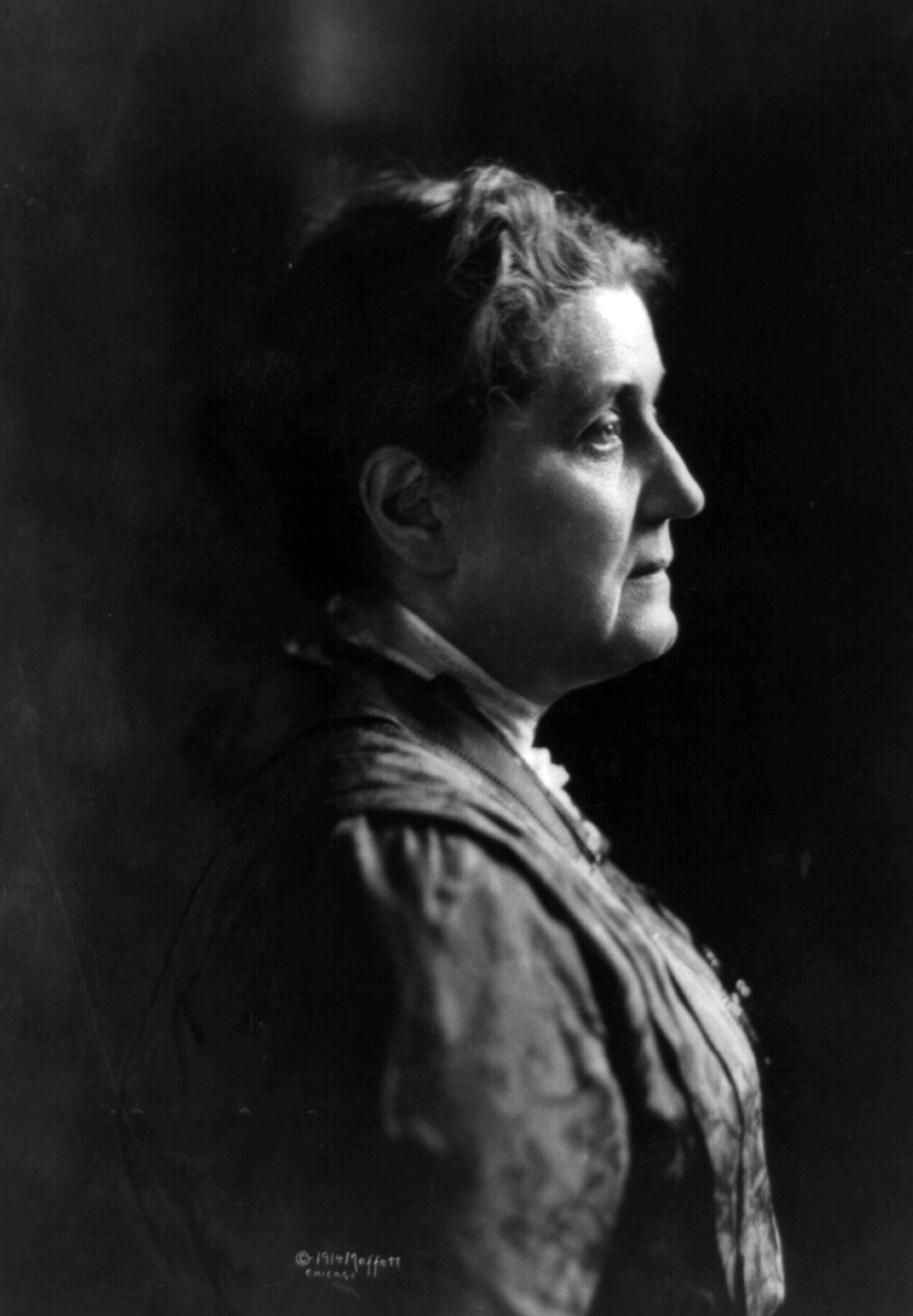
Jane Addams
(Jane Addams)
Pionnière américaine du travail social, fondatrice de Hull House à Chicago et première Américaine récipiendaire du prix Nobel de la paix en 1931.
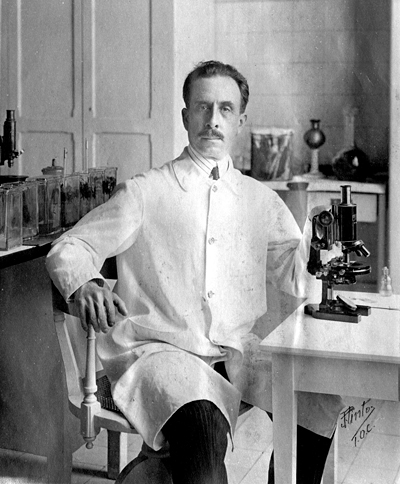
Carlos Ribeiro Justiniano Chagas
 (Carlos Chagas)
Médecin et chercheur brésilien d'exception, auteur d'un exploit unique en médecine : la découverte intégrale d'une maladie infectieuse, son agent, son vecteur et sa clinique.
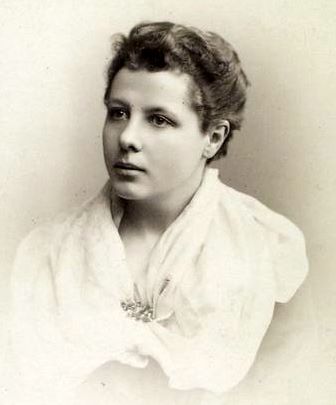
Annie Besant
(Annie Besant (nee Wood))
British social reformer, trade union champion, and orator who organized the historic 1888 London Matchgirls' Strike, moved to India to champion education and the Home Rule movement, and was elected President of the Indian National Congress in 1917.
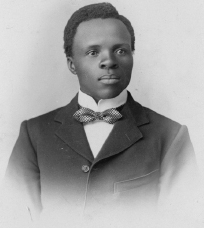
Sol Plaatje
 (Solomon Tshekisho Plaatje)
Brilliant intellectual, journalist, and first General Secretary of the South African Native National Congress (later ANC), whose book 'Native Life in South Africa' exposed land dispossession.
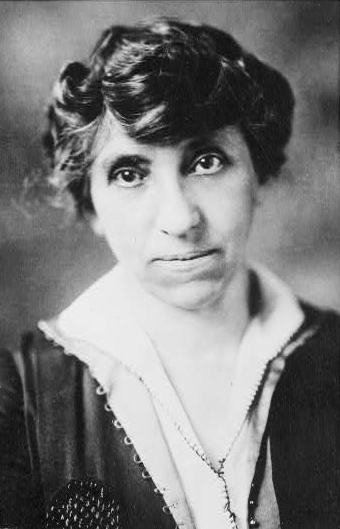
Julia Lathrop
(Julia Clifford Lathrop)
Pioneering American social reformer who created the world's first juvenile court system in Chicago in 1899 and became the first woman to head a United States federal government agency as Chief of the US Children's Bureau.
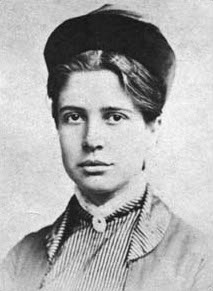
Florence Kelley
(Florence Kelley)
Tireless American labor and consumer reformer who lived at Hull House, served as Illinois' first female Chief Factory Inspector, founded the National Consumers League, and co-founded the NAACP in 1909.
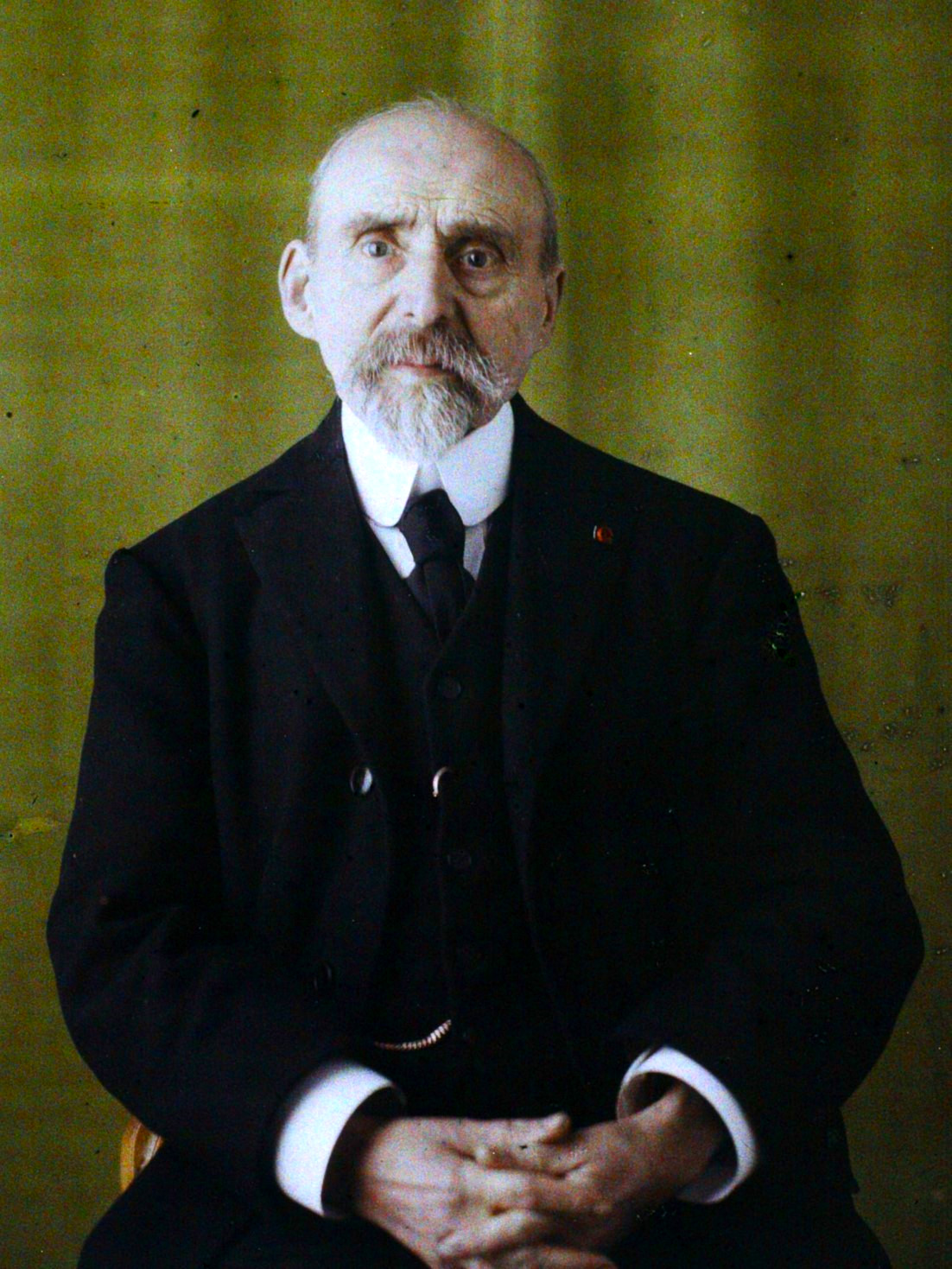
Ferdinand Édouard Buisson
 (Ferdinand Édouard Buisson)
Ferdinand Buisson was a French academic, philosopher, and social reformer who co-founded the League of Human Rights (Ligue des droits de l'homme) and served as Jules Ferry's Director of Primary Education, creating France's free, mandatory, secular public school system (laïcité). A passionate advocate of Franco-German pacifist reconciliation, he shared the 1927 Nobel Peace Prize with Ludwig Quidde.
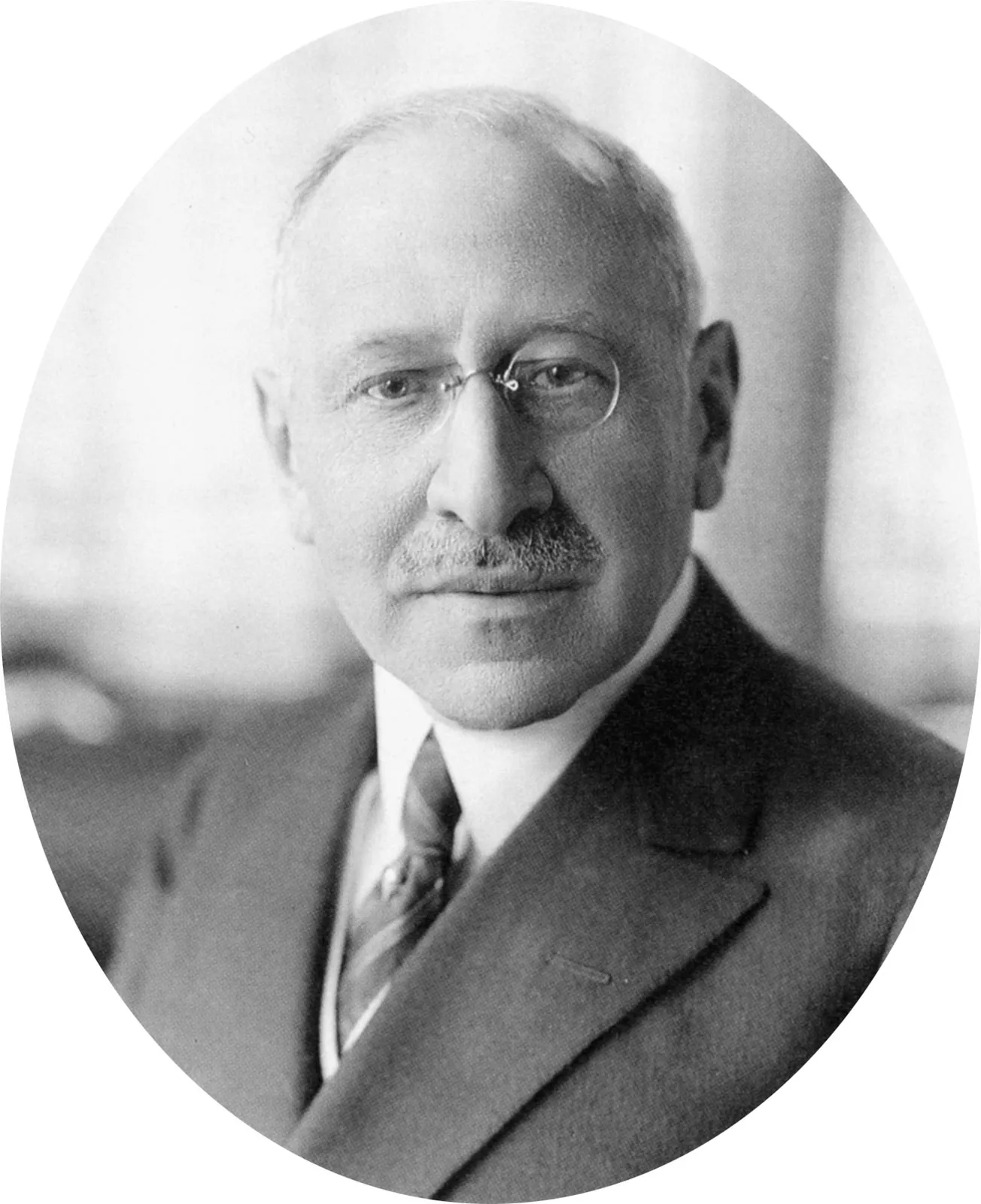
Julius Rosenwald
(Julius Rosenwald)
Président de Sears, Roebuck & Co. et philanthrope visionnaire, financeur avec Booker T. Washington de plus de 5 000 écoles pour les enfants afro-américains dans le Sud ségrégué.
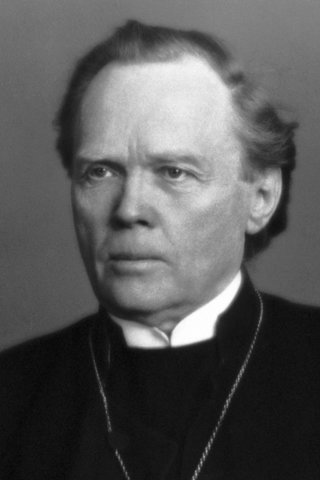
Lars Olof Jonathan (Nathan) Söderblom
 (Lars Olof Jonathan Söderblom)
Nathan Söderblom was a Swedish Lutheran theologian and Archbishop of Uppsala (Primate of the Church of Sweden) from 1914 to 1931. Widely revered as the father of the modern ecumenical movement, he convened the historic 1925 Universal Christian Conference on Life and Work in Stockholm, uniting divided churches across former WWI battlelines in common humanitarian action, receiving the 1930 Nobel Peace Prize.
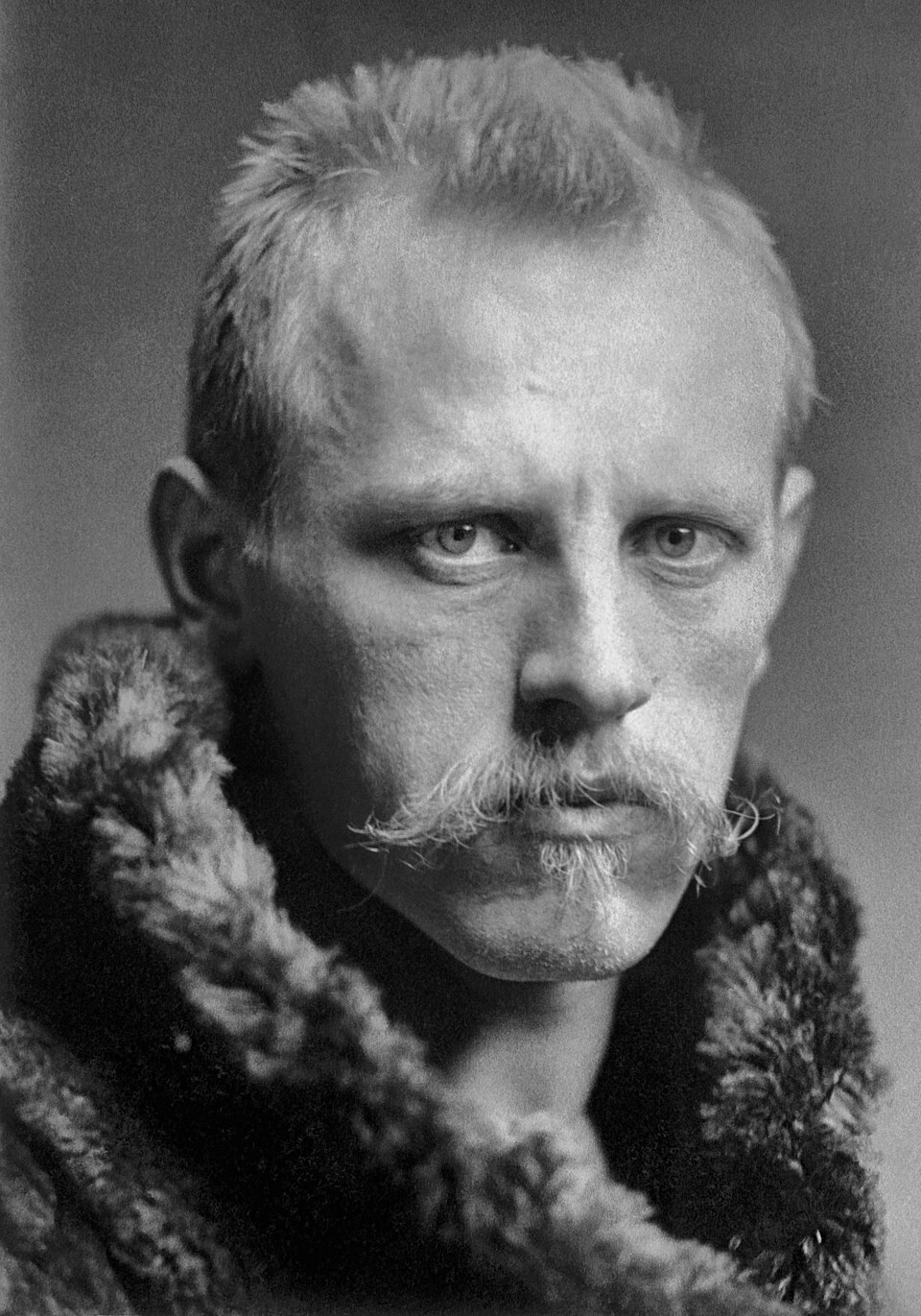
Fridtjof Nansen
(Fridtjof Wedel-Jarlsberg Nansen)
Fridtjof Nansen was a Norwegian polymath, polar explorer, and humanitarian diplomat who revolutionized Arctic exploration before serving as the League of Nations' first High Commissioner for Refugees. He repatriated over 400,000 WWI prisoners of war, organized massive famine relief saving millions of Russians, and created the 'Nansen Passport' for stateless refugees, earning the 1922 Nobel Peace Prize.