Public Figures & Cultural Luminaries
Filterable archive covering centuries of intellectual, artistic, and moral contributions to the human story.
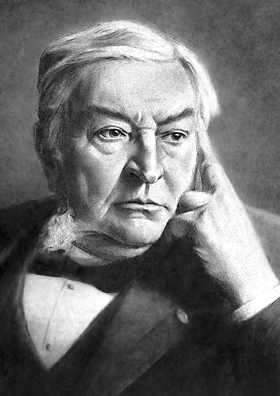
Auguste Marie François Beernaert
 (Auguste Marie François Beernaert)
Auguste Beernaert was a Belgian statesman who served as Prime Minister of Belgium from 1884 to 1894. A champion of international law, he represented Belgium at the 1899 and 1907 Hague Peace Conferences, presided over the Inter-Parliamentary Union, and promoted social legislation and Congo reform, sharing the 1909 Nobel Peace Prize with Paul-Henri d'Estournelles de Constant.
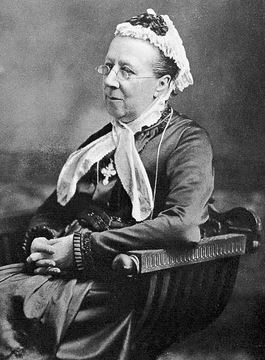
Louisa Twining
 (Louisa Twining)
Réformatrice sociale victorienne, fondatrice de la Workhouse Visiting Society, qui consacra cinquante ans à humaniser les hospices de pauvres et à professionnaliser les soins aux vieillards indigents.
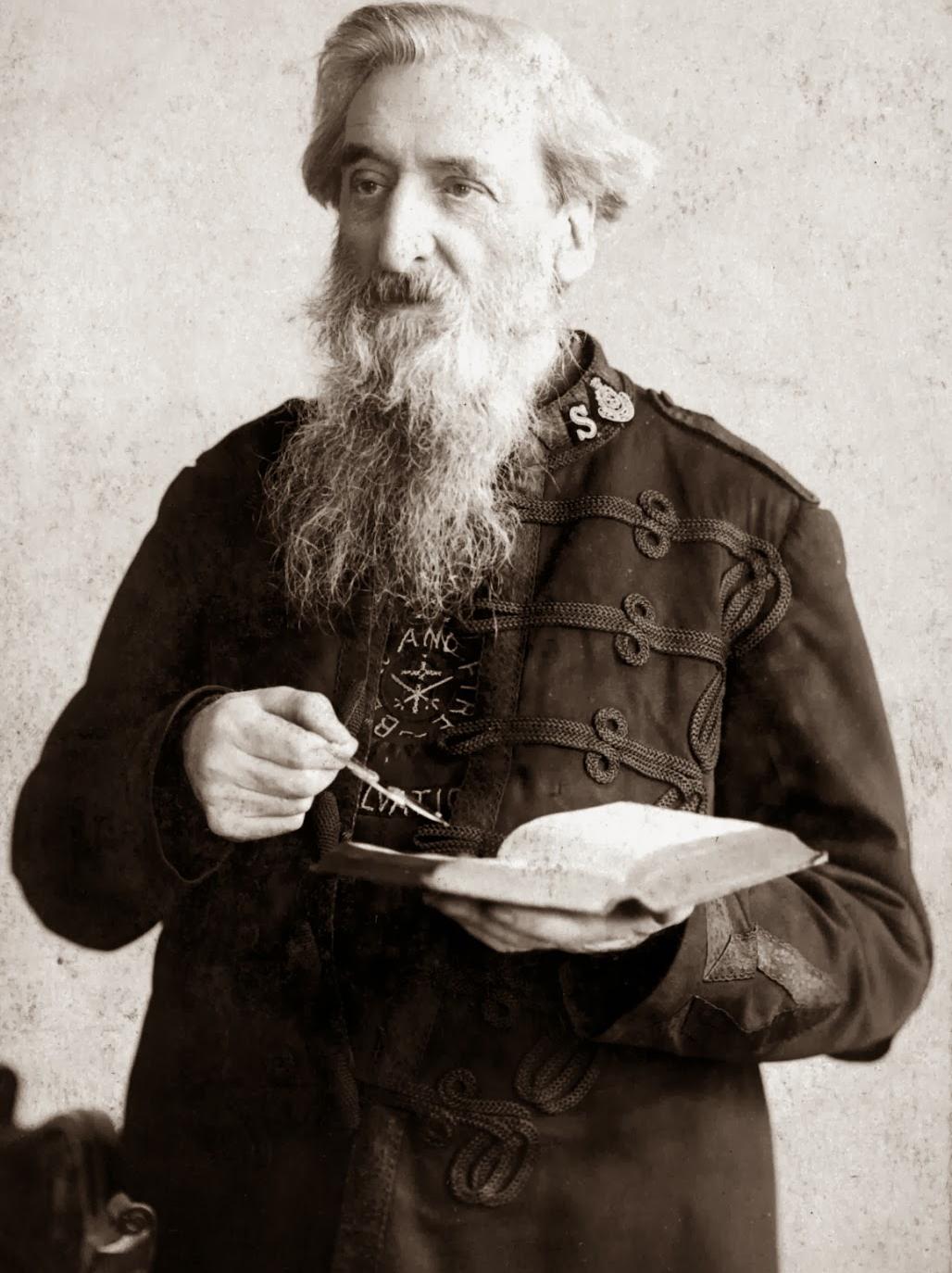
William Booth
(William Booth)
Prédicateur britannique, fondateur et premier Général de l'Armée du Salut en 1865, alliant secours social concret (nourriture, abri, réinsertion) et rédemption spirituelle.
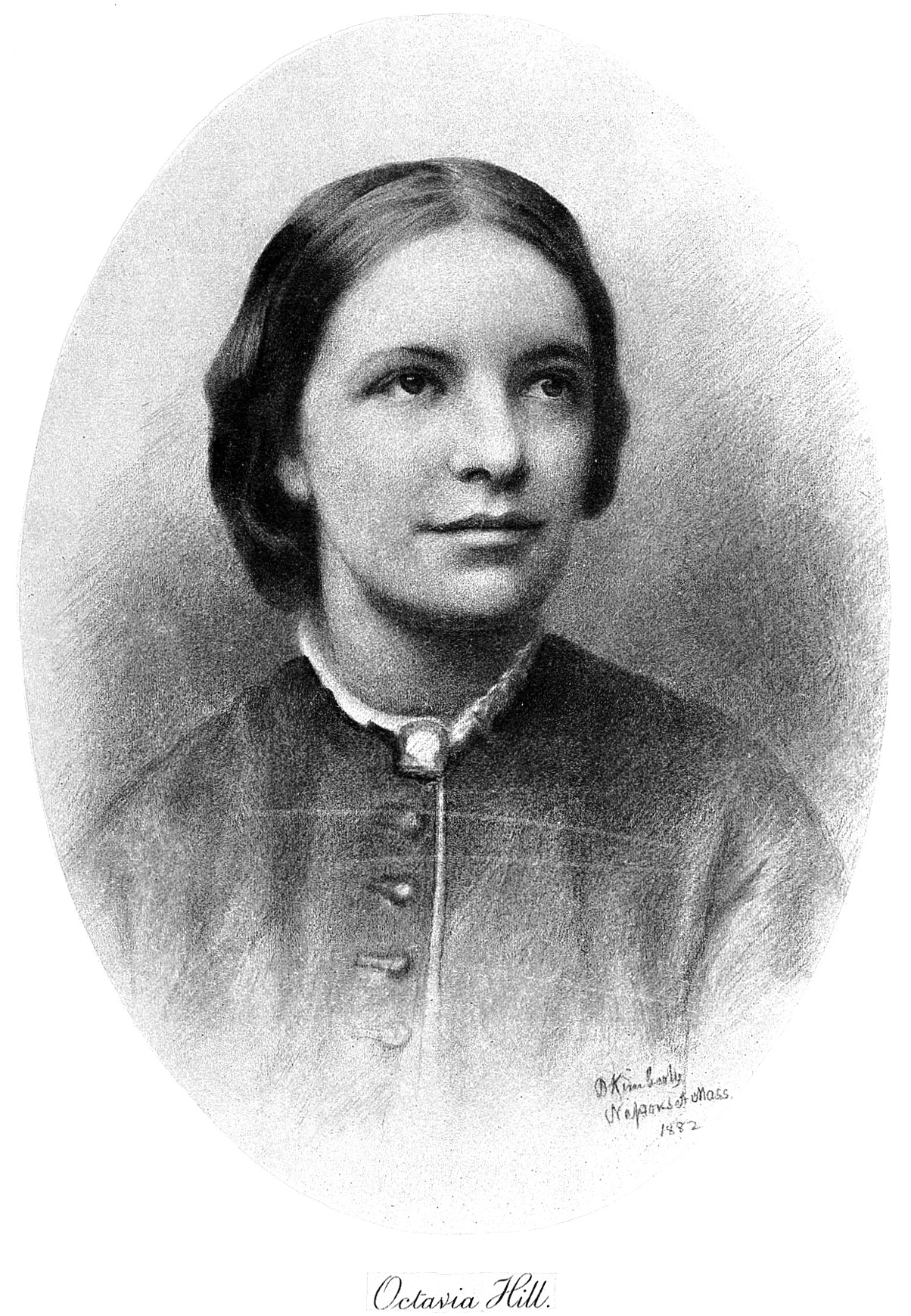
Octavia Hill
(Octavia Hill)
Pioneering British social reformer who founded modern social housing management in London's slums, championed urban public green spaces, and co-founded the National Trust in 1895 to preserve open lands for all citizens.
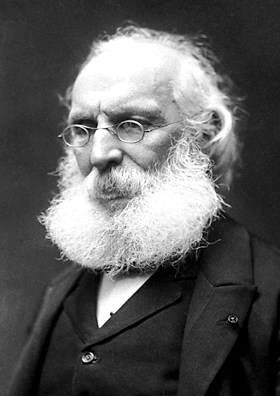
Frédéric Passy
 (Frédéric Passy)
Frédéric Passy was a French political economist and pacifist who co-founded the Inter-Parliamentary Union in 1889 alongside William Randal Cremer. Revered as the dean of the international peace movement, Passy was awarded the inaugural Nobel Peace Prize in 1901 jointly with Henry Dunant.
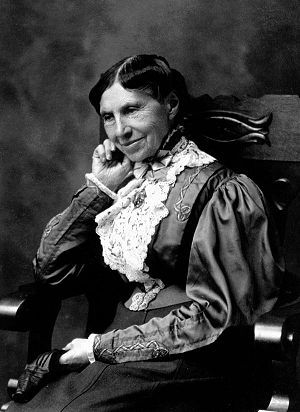
Clarissa Harlowe Barton
 (Clarissa Harlowe Barton)
Clara Barton was a pioneering American nurse and humanitarian who ministered to wounded soldiers on the front lines of the American Civil War, earning the moniker 'Angel of the Battlefield'. She founded the American Red Cross in 1881 and served as its first president for over two decades, expanding its humanitarian mandate to include peacetime disaster relief.
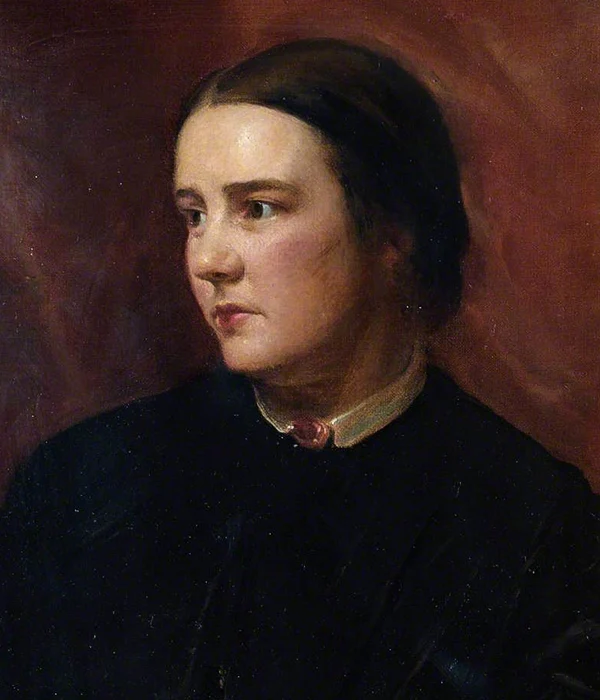
Sophia Louisa Jex-Blake
(Sophia Jex-Blake)
Médecin et réformatrice britannique, cheffe de file des « Sept d'Édimbourg » et fondatrice des premières facultés de médecine pour femmes à Londres et en Écosse.
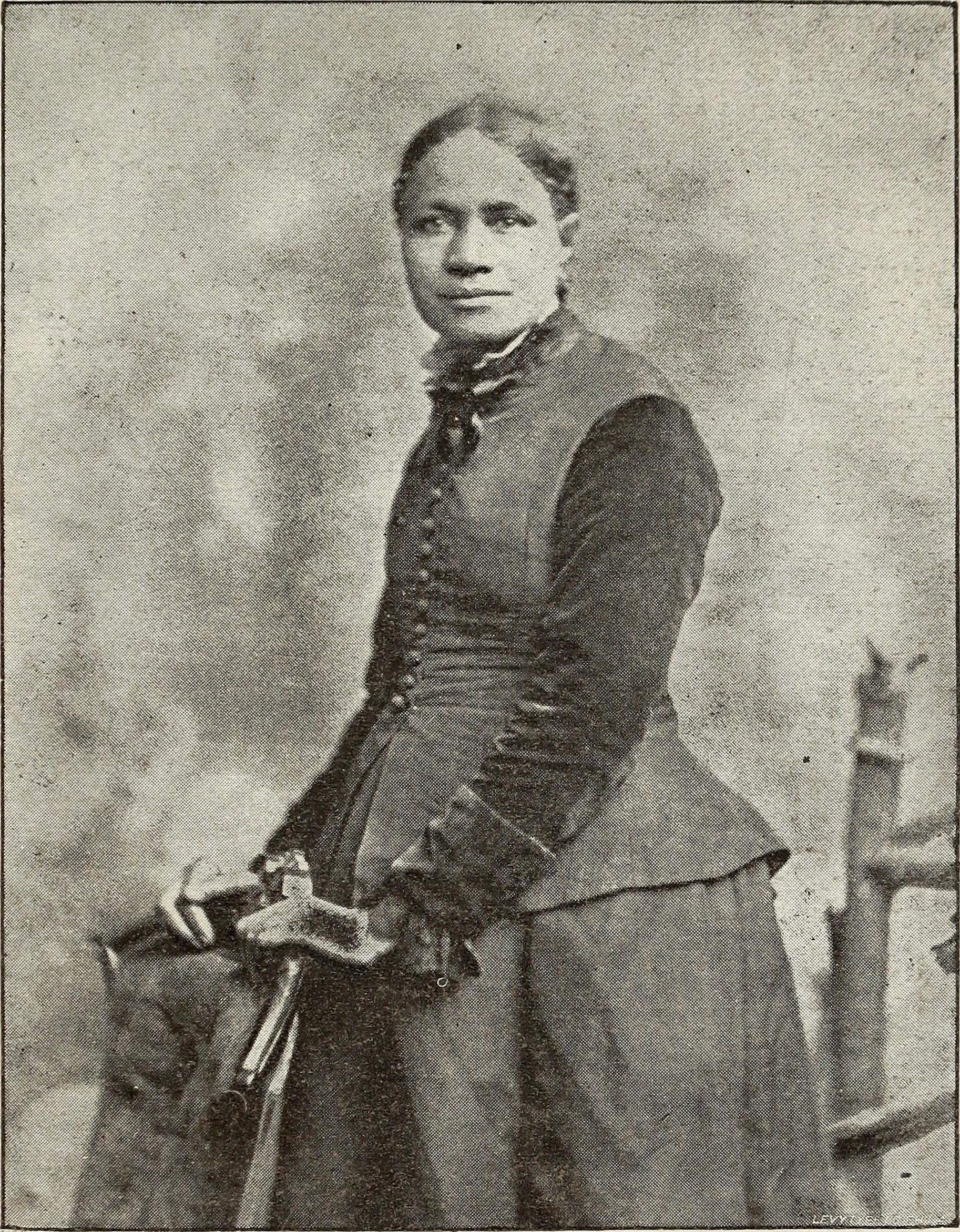
Frances Ellen Watkins Harper
(Frances Ellen Watkins Harper)
Celebrated African American abolitionist orator and poet acclaimed as the 'Mother of African American Journalism', whose bestselling poetry and 1892 novel 'Iola Leroy' championed Black freedom, temperance, and women's rights.
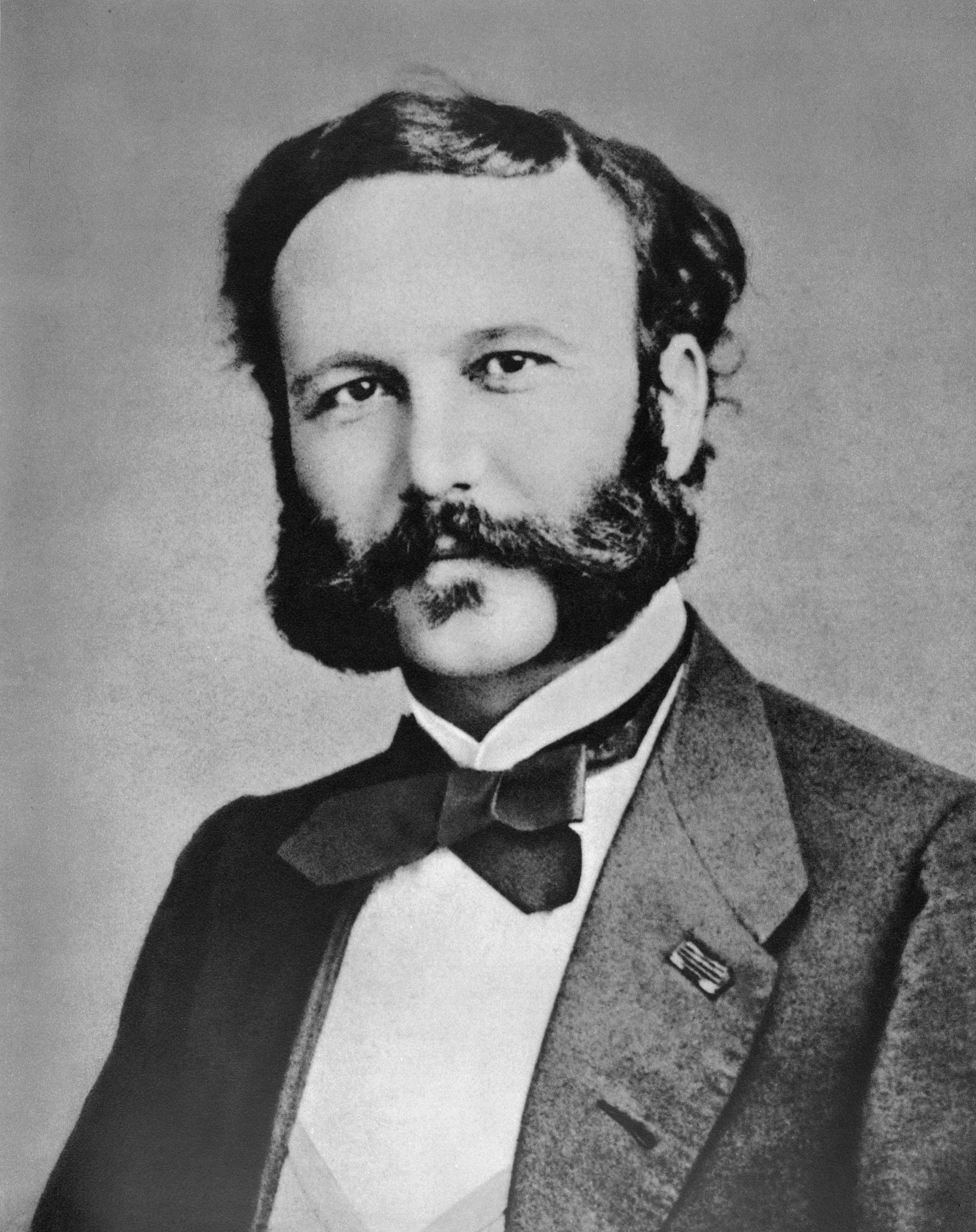
Henry Dunant
 (Jean Henri Dunant)
Swiss humanitarian whose horror at the slaughter of the 1859 Battle of Solferino inspired him to found the International Committee of the Red Cross and spark the Geneva Convention, recipient of the first Nobel Peace Prize in 1901.
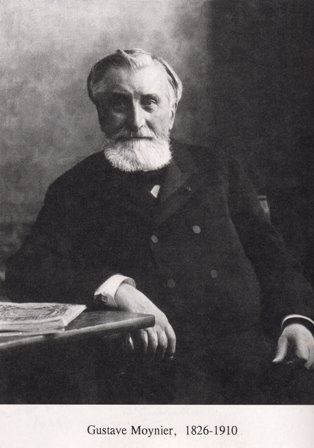
Gustave Moynier
(Louis Gabriel Gustave Moynier)
Gustave Moynier was a Swiss jurist and humanitarian who co-founded the International Committee of the Red Cross (ICRC) alongside Henri Dunant in 1863. Serving as ICRC President for forty-seven years (1863–1910), he drafted the first Geneva Convention and pioneered international humanitarian law, being the first person in history to propose a permanent international criminal court in 1872.
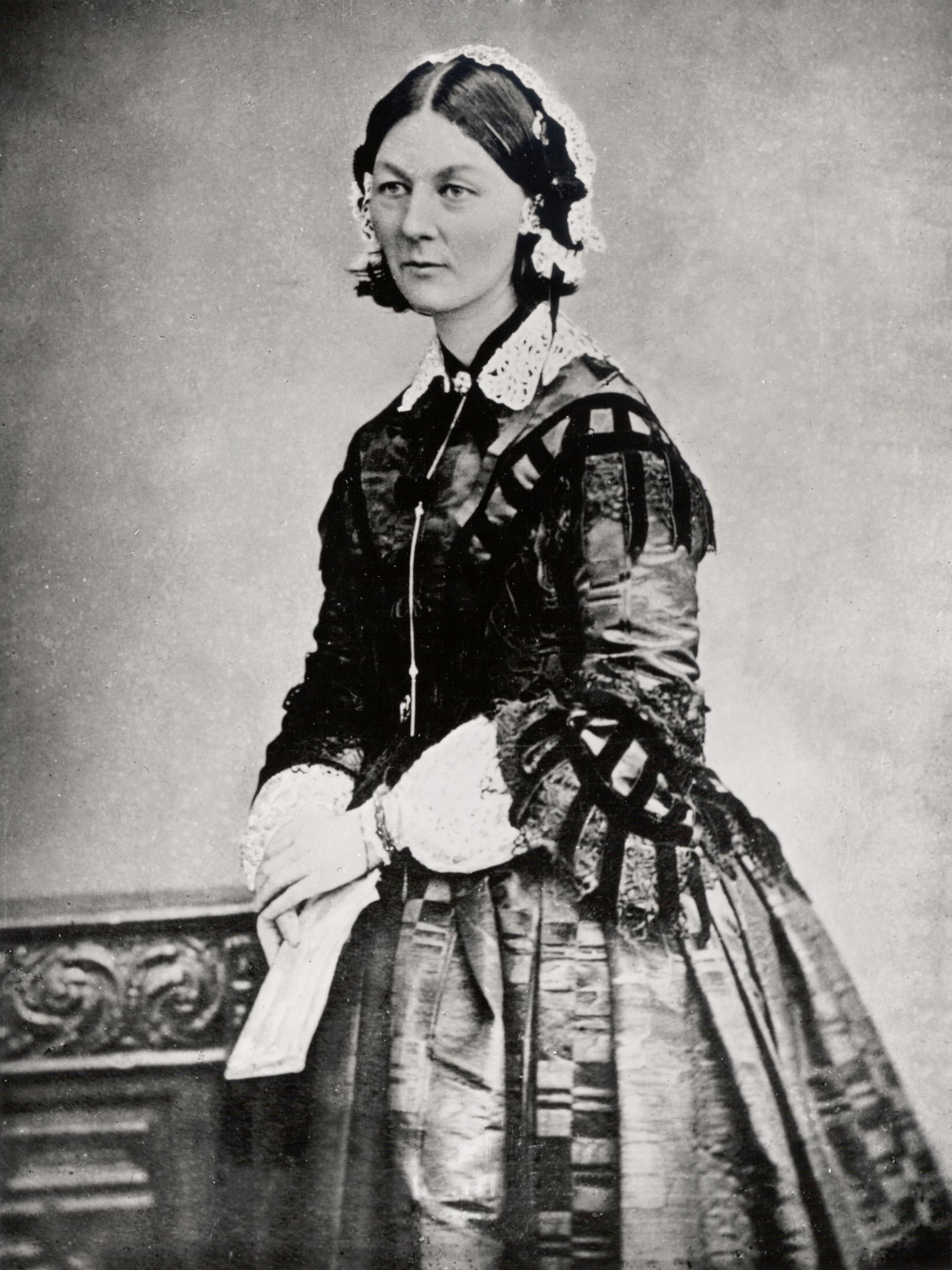
Florence Nightingale
 (Florence Nightingale)
Florence Nightingale was a British social reformer, statistician, and the foundational philosopher of modern professional nursing. Gaining worldwide renown as 'The Lady with the Lamp' during the Crimean War for her nightly rounds tending wounded soldiers at Scutari hospital, she pioneered epidemiological data visualization and established the world's first secular nursing school at St Thomas' Hospital.
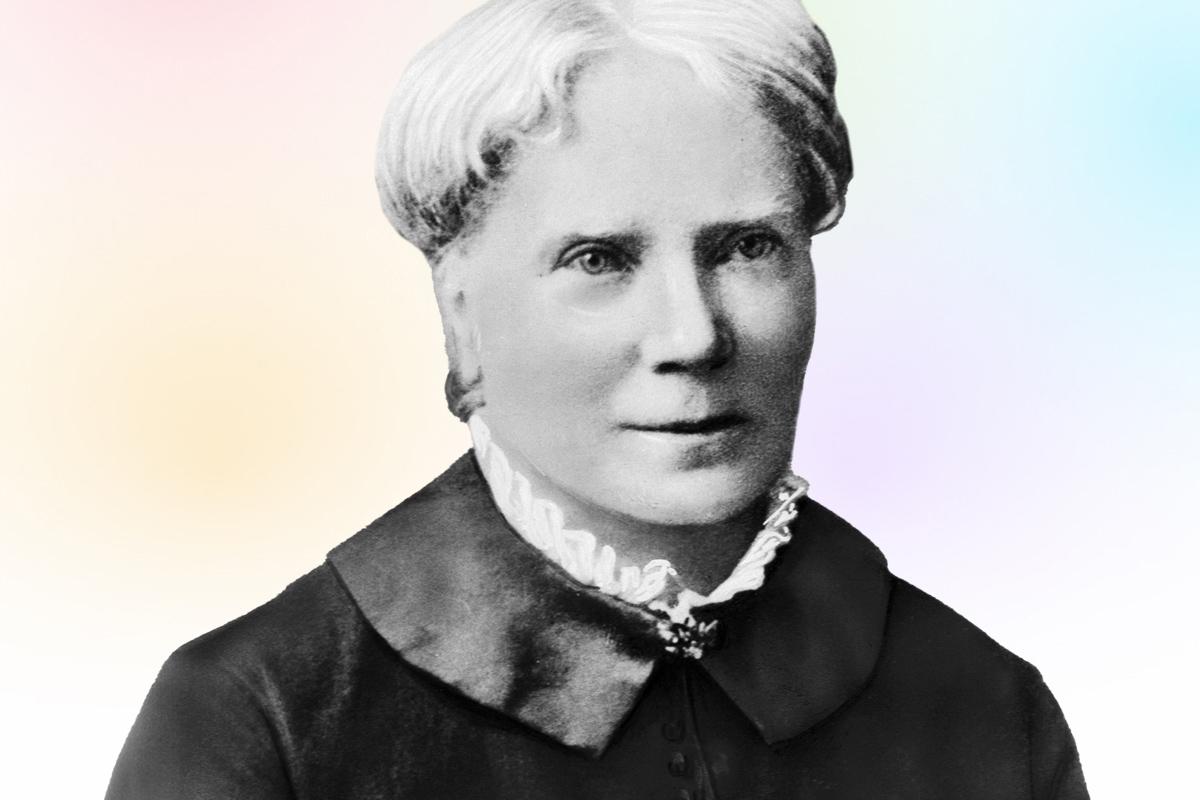
Elizabeth Blackwell
(Elizabeth Blackwell)
Première femme diplômée en médecine aux États-Unis (1849) et première femme inscrite à l'Ordre des médecins au Royaume-Uni, pionnière de la santé pour les femmes démunies.
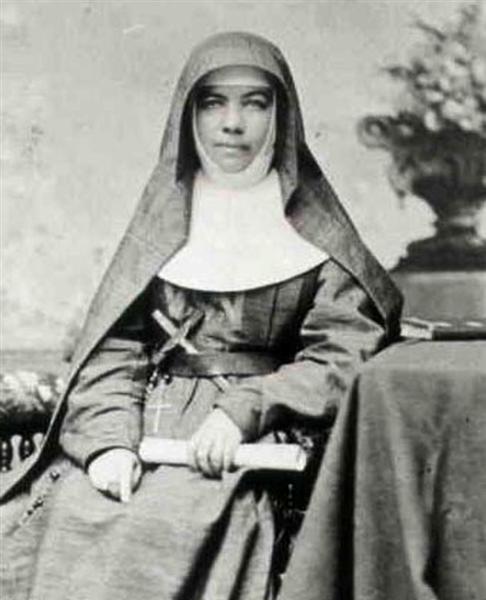
Saint Mary Helen MacKillop
 (Mary MacKillop)
Première sainte d'Australie, fondatrice des Sœurs de Saint-Joseph du Sacré-Cœur, ouvrant des écoles gratuites et des orphelinats dans tout le bush australien.
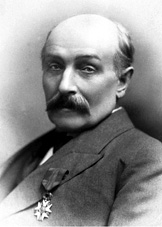
Sir William Randal Cremer
(William Randal Cremer)
Sir William Randal Cremer was a British carpenter, trade union leader, and Member of Parliament who rose from childhood poverty to become the foremost working-class pioneer of international arbitration. He founded the International Arbitration League, co-founded the Inter-Parliamentary Union with Frédéric Passy, and was awarded the 1903 Nobel Peace Prize, donating his entire prize money to the arbitration movement.
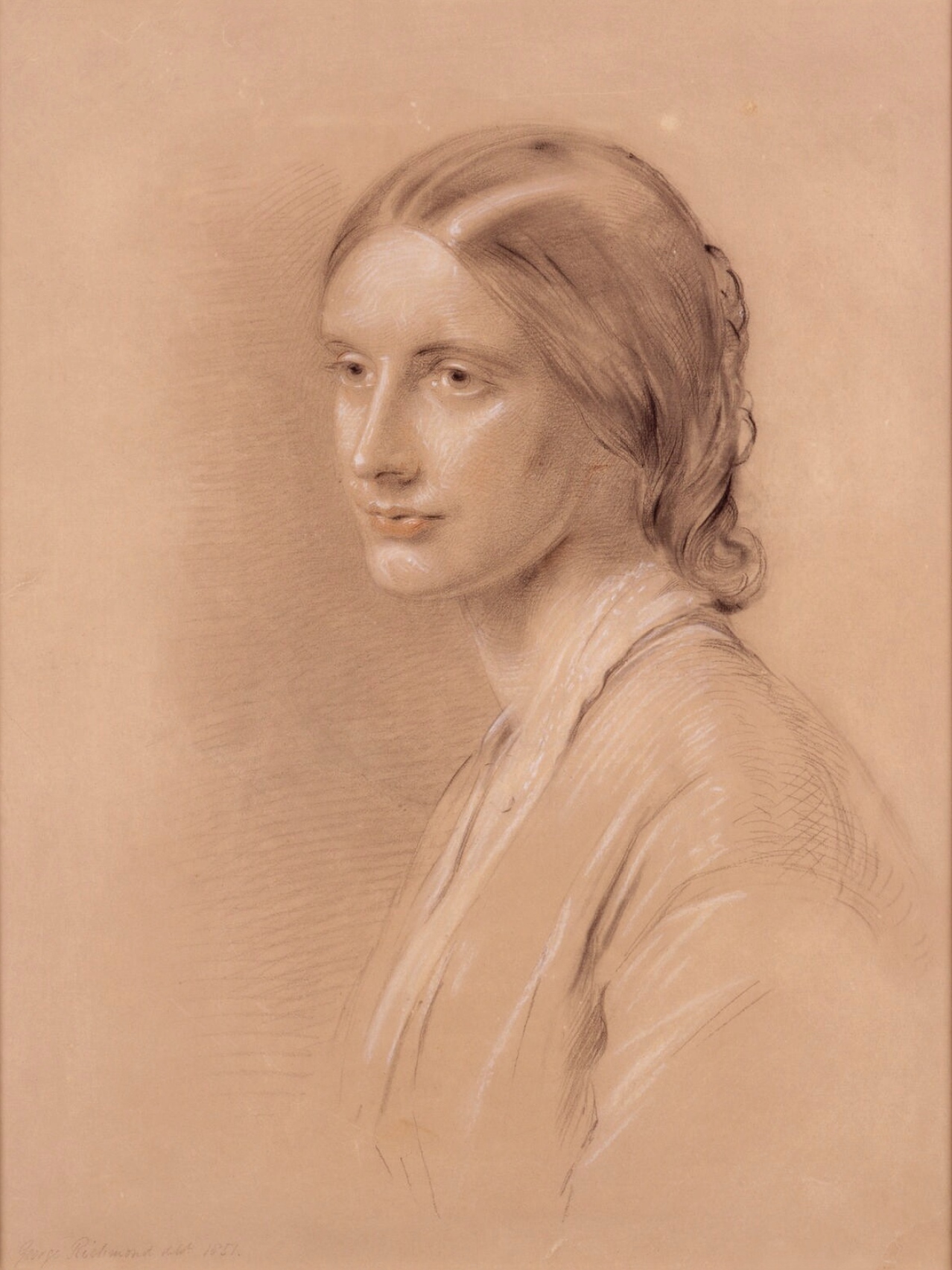
Josephine Butler
(Josephine Elizabeth Butler)
Heroic Victorian feminist and human rights campaigner who led the successful international campaign to repeal the Contagious Diseases Acts and exposed the international trafficking and child prostitution of young girls.
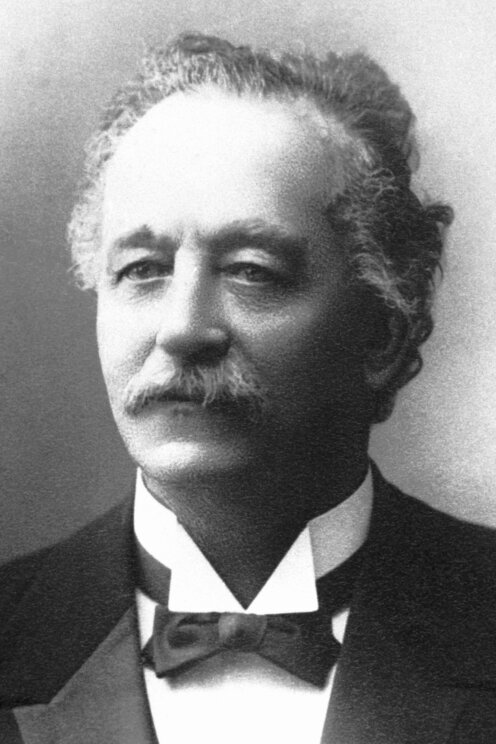
Élie Ducommun
(Élie Ducommun)
Élie Ducommun was a Swiss journalist, politician, and peace activist who served as the first honorary director of the International Peace Bureau in Bern from 1891 until his death. For his tireless, unpaid leadership coordinating peace societies worldwide, he was awarded the 1902 Nobel Peace Prize jointly with Charles Albert Gobat.
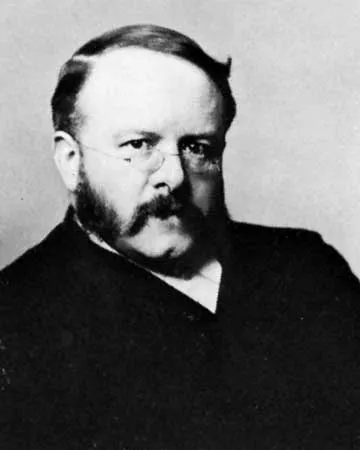
Thomas John Barnardo
 (Thomas Barnardo)
Médecin et philanthrope irlandais, fondateur de Barnardo's qui sauva plus de 60 000 enfants abandonnés des rues de Londres avec la promesse qu'aucun enfant ne serait jamais refusé.
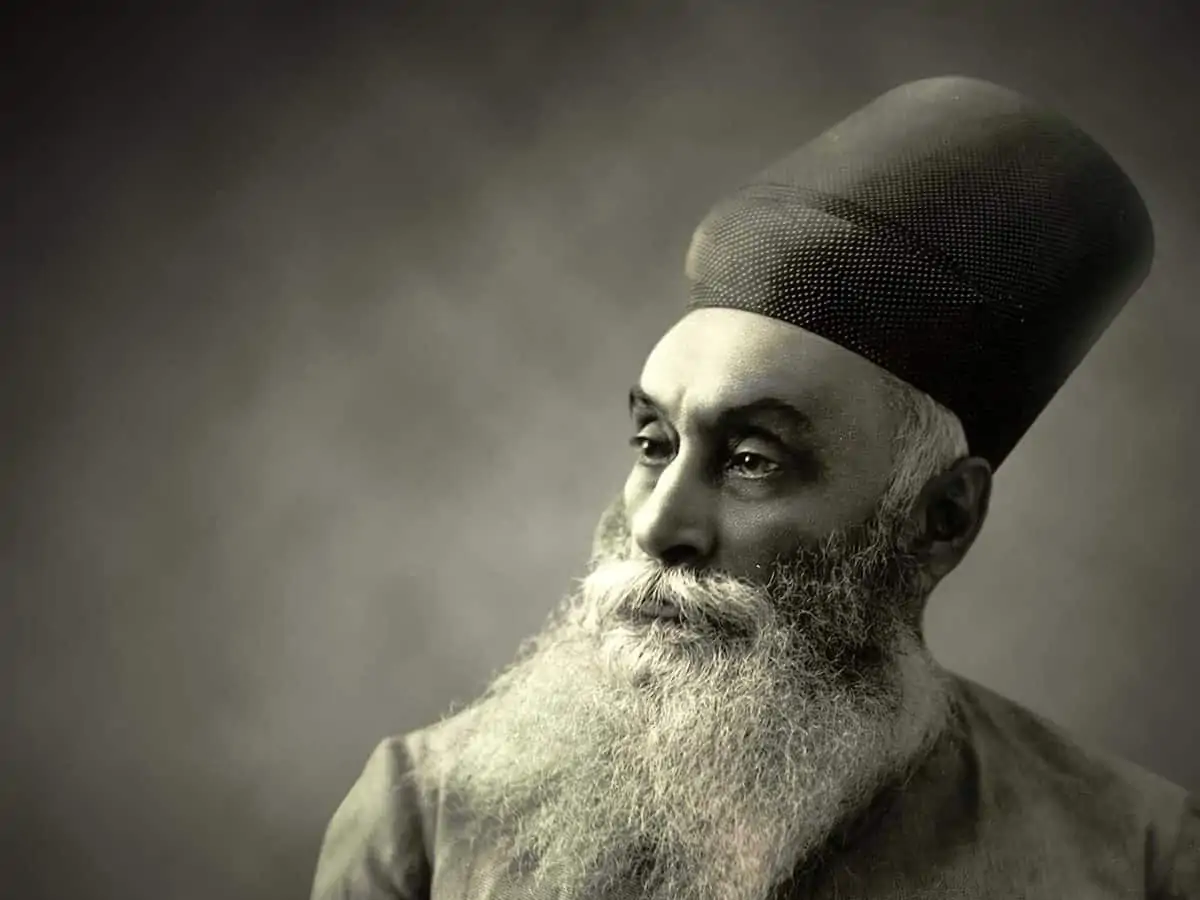
Jamsetji Nusserwanji Tata
 (જમશેદજી નસરવાનજી ટાટા)
Père de l'industrie indienne et désigné en 2021 comme le plus grand philanthrope du siècle par Hurun Philanthropy (plus de 102 milliards de dollars de dons cumulés).