 Great Britain
•
4 views
Great Britain
•
4 views
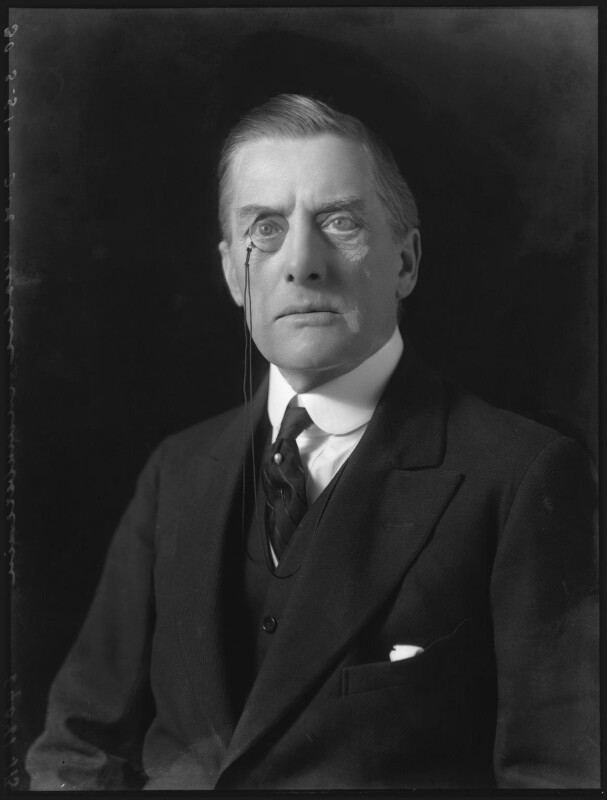
Sir Joseph Austen Chamberlain

Birmingham, Warwickshire, Great Britain
Archival Overview
Sir Austen Chamberlain was a British statesman who served as Foreign Secretary from 1924 to 1929. Renowned as the primary diplomatic architect of the 1925 Locarno Treaties, which reconciled postwar Germany with France and Britain and admitted Germany to the League of Nations, he was awarded the 1925 Nobel Peace Prize jointly with Charles G. Dawes.
Biographical Record
Joseph Austen Chamberlain was born in Birmingham, the eldest son of the famed imperial statesman Joseph Chamberlain and half-brother of future Prime Minister Neville Chamberlain. Educated at Rugby School and Trinity College, Cambridge, Chamberlain studied at Sciences Po in Paris and in Berlin, acquiring fluent French and German and an intimate understanding of European continental politics. Entering Parliament as a Liberal Unionist in 1892, he served as Chancellor of the Exchequer and leader of the Conservative Party.
Appointed Foreign Secretary in Stanley Baldwin's government in November 1924, Chamberlain inherited a Europe deeply divided by World War I reparations, the French occupation of the Ruhr, and mutual Franco-German terror. Chamberlain recognized that peace could only endure if Britain actively guaranteed European borders against aggression.
Working in close partnership with French Foreign Minister Aristide Briand and German Foreign Minister Gustav Stresemann, Chamberlain convened the Locarno Conference in Switzerland in October 1925. The resulting Locarno Treaties guaranteed the demilitarization of the Rhineland and the mutual borders between Germany, France, and Belgium, with Britain and Italy acting as guarantors. The 'Spirit of Locarno' brought postwar reconciliation, leading to Germany's entry into the League of Nations in 1926. For this diplomatic triumph, Chamberlain was knighted with the Order of the Garter and awarded the 1925 Nobel Peace Prize.
Key Life Milestones
Conclusion of the Locarno Treaties
Successfully negotiated the historic Locarno Treaties, reconciling postwar Germany with France and Britain.
Awarded the 1925 Nobel Peace Prize
Honored retroactively with the 1925 Nobel Peace Prize alongside Charles G. Dawes for establishing the 'Spirit of Locarno'.
Memorial Guestbook & Tributes
0 messages recordedLeave a Respectful Tribute
Final Resting Place
Perpetual MemorialLondon, United Kingdom