Public Figures & Cultural Luminaries
Filterable archive covering centuries of intellectual, artistic, and moral contributions to the human story.
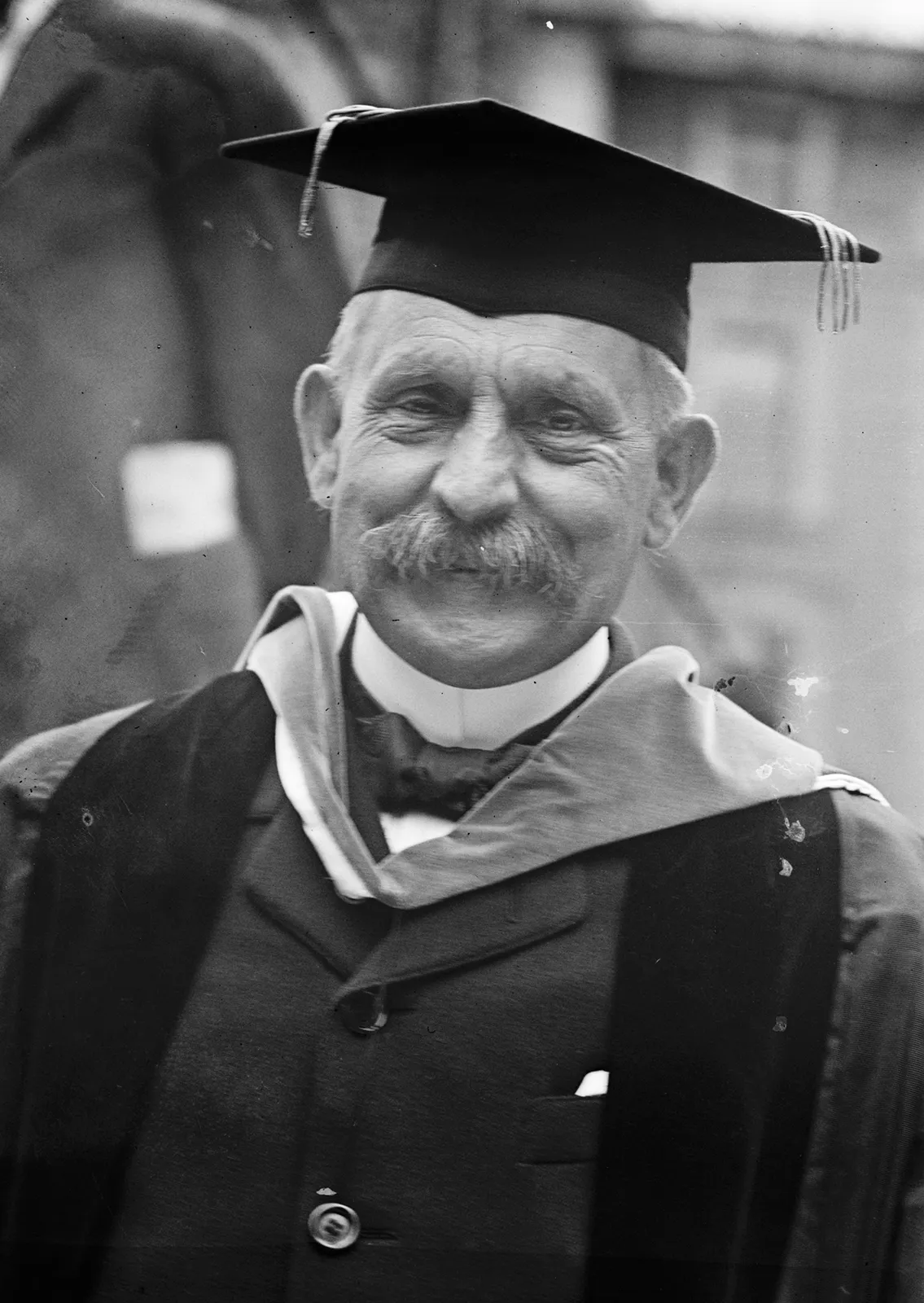
Paul-Henri-Benjamin d'Estournelles de Constant
 (Paul-Henri-Benjamin Balluet d'Estournelles de Constant, baron de Constant de Rebecque)
Paul-Henri d'Estournelles de Constant was a French diplomat, senator, and advocate for international arbitration who co-represented France at the 1899 and 1907 Hague Peace Conferences. He was instrumental in establishing the Permanent Court of Arbitration and founded the Association for International Conciliation, receiving the 1909 Nobel Peace Prize.
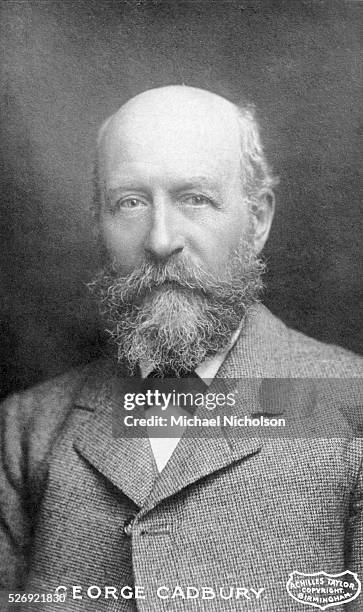
George Cadbury
 (George Cadbury)
Industriel et philanthrope quaker britannique, créateur du village modèle de Bournville offrant un habitat salubre et des droits sociaux aux ouvriers.
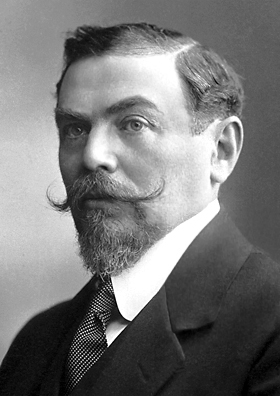
Alfred Fried
 (Alfred Hermann Fried)
Austrian pacifist author and publisher who co-founded the German Peace Society alongside Bertha von Suttner, edited 'Die Friedens-Warte', and was awarded the 1911 Nobel Peace Prize for his scientific theory of international organizational pacifism.
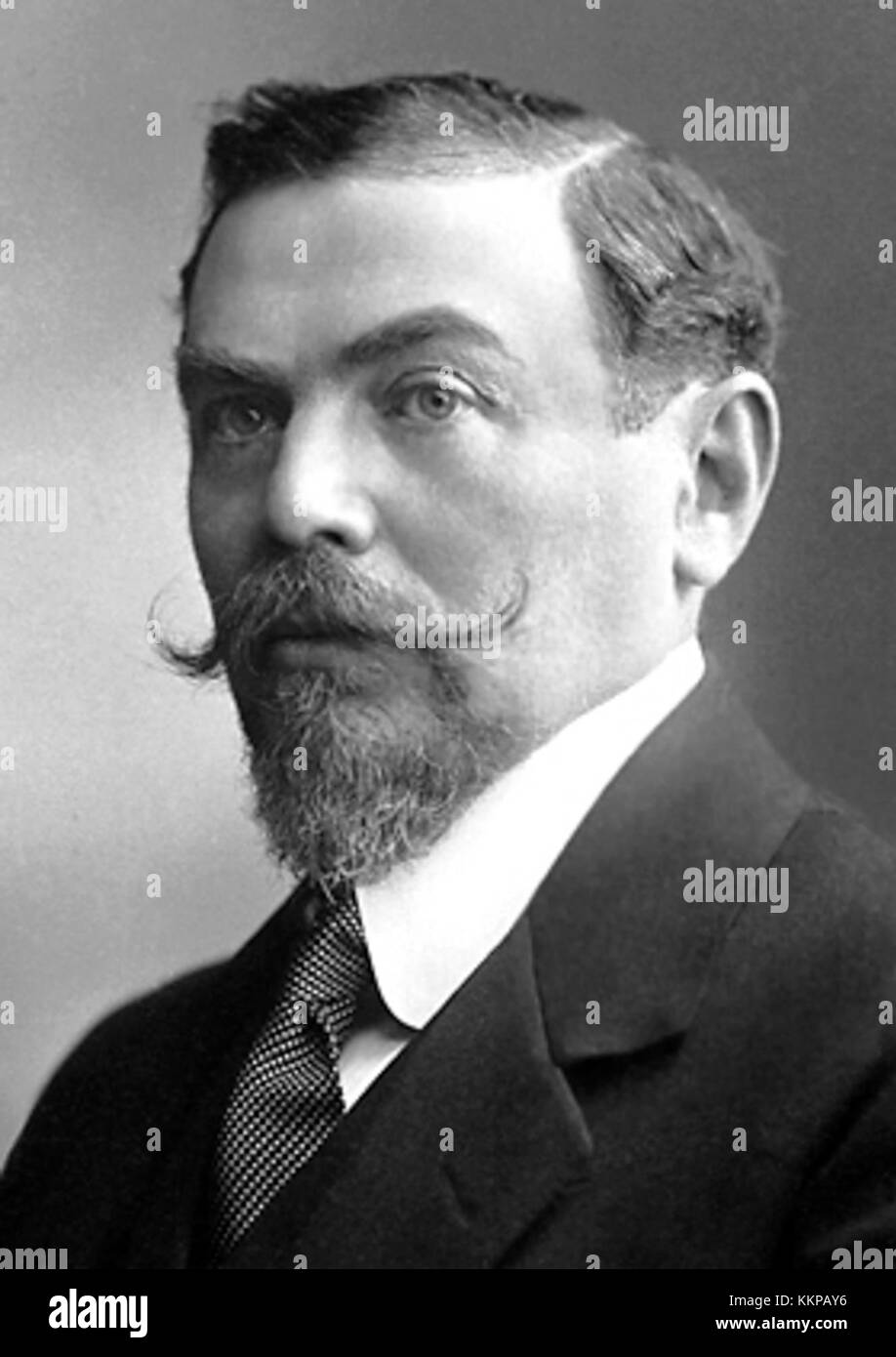
Alfred Hermann Fried
(Alfred Hermann Fried)
Alfred Hermann Fried was an Austrian Jewish pacifist, journalist, and publisher who co-founded the German Peace Society (Deutsche Friedensgesellschaft) in 1892 alongside Bertha von Suttner. As editor of 'Die Waffen nieder!' and 'Die Friedens-Warte', he pioneered 'scientific pacifism', advocating international organization as an economic and structural necessity, receiving the 1911 Nobel Peace Prize.
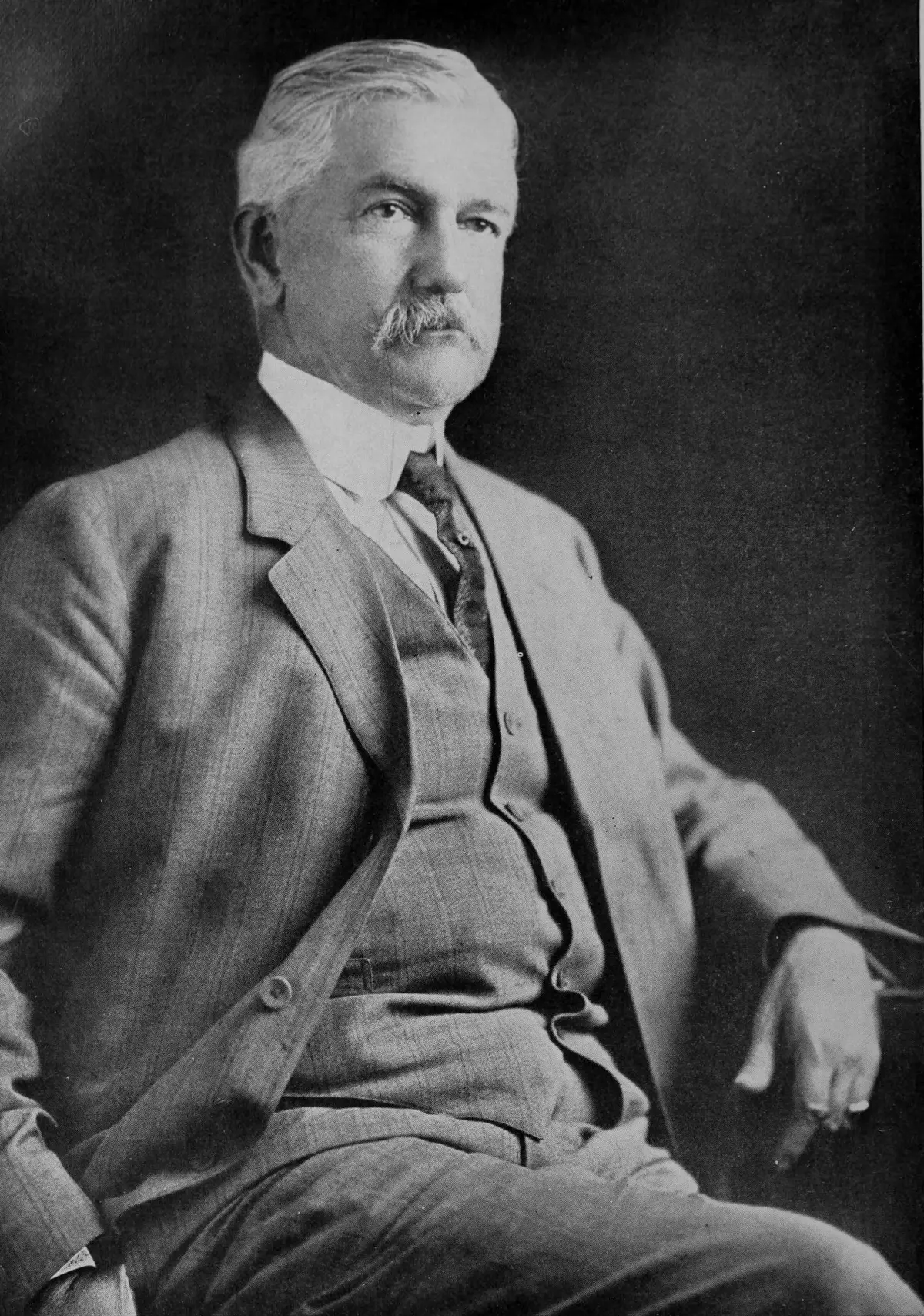
William Crawford Gorgas
 (William C. Gorgas)
Médecin militaire américain et chirurgien général, qui éradiqua la fièvre jaune et maîtrisa le paludisme à La Havane et au canal de Panama.
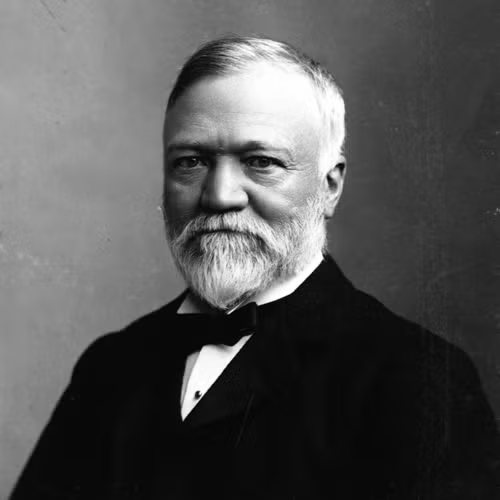
Andrew Carnegie
(Andrew Carnegie)
Industriel de l'acier et l'un des plus grands philanthropes de l'histoire, auteur du Gospel of Wealth, financeur de plus de 2 500 bibliothèques publiques et du Palais de la Paix.
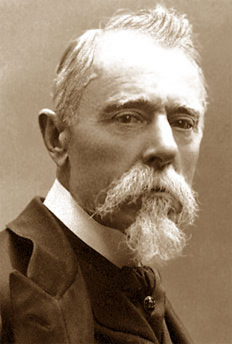
Ernesto Teodoro Moneta
 (Ernesto Teodoro Moneta)
Ernesto Teodoro Moneta was an Italian journalist, Garibaldian freedom fighter, and peace leader who founded the International Peace Society in Lombardy. As the influential editor of Milan's leading newspaper, Il Secolo, Moneta advocated for Franco-Italian reconciliation and international arbitration, becoming Italy's only Nobel Peace Prize laureate in 1907.
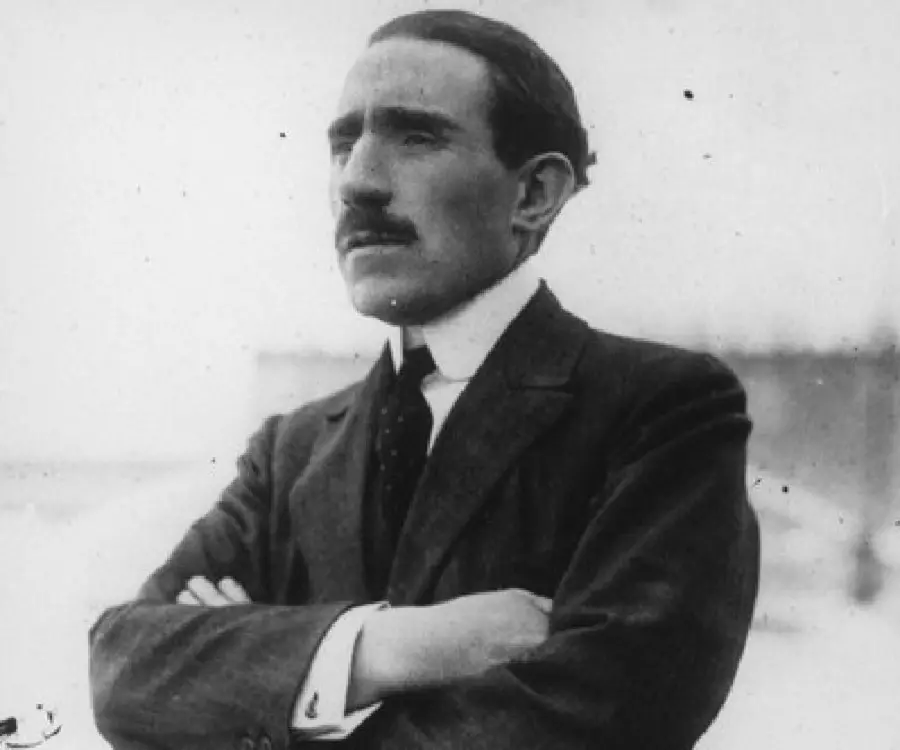
Louis Renault
(Louis Renault)
Louis Renault was an eminent French jurist and professor of international law at the University of Paris. Serving as legal counsel to the French Foreign Ministry and principal rapporteur at the 1899 and 1907 Hague Peace Conferences, he drafted pivotal treaties on naval warfare and prisoners of war, sharing the 1907 Nobel Peace Prize with Ernesto Teodoro Moneta.
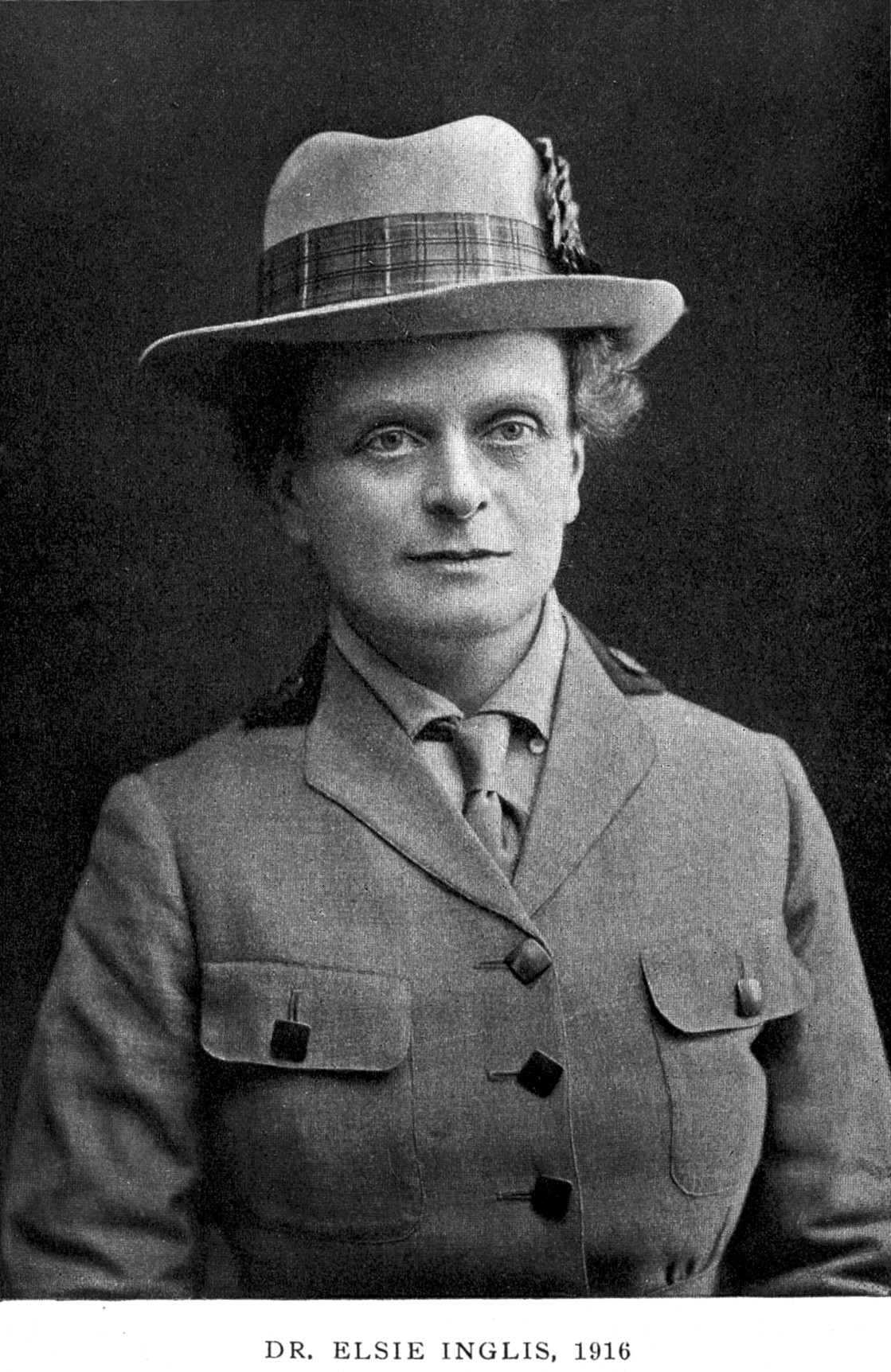
Dr. Elsie Maud Inglis
 (Elsie Maud Inglis)
Dr. Elsie Inglis was an innovative Scottish physician, surgeon, and suffragist who founded the Scottish Women's Hospitals for Foreign Service during World War I. Rebuffed by the British War Office who told her to 'go home and sit still', she established fourteen frontline female-staffed hospitals across France, Serbia, and Russia, earning Serbia's highest military honor.
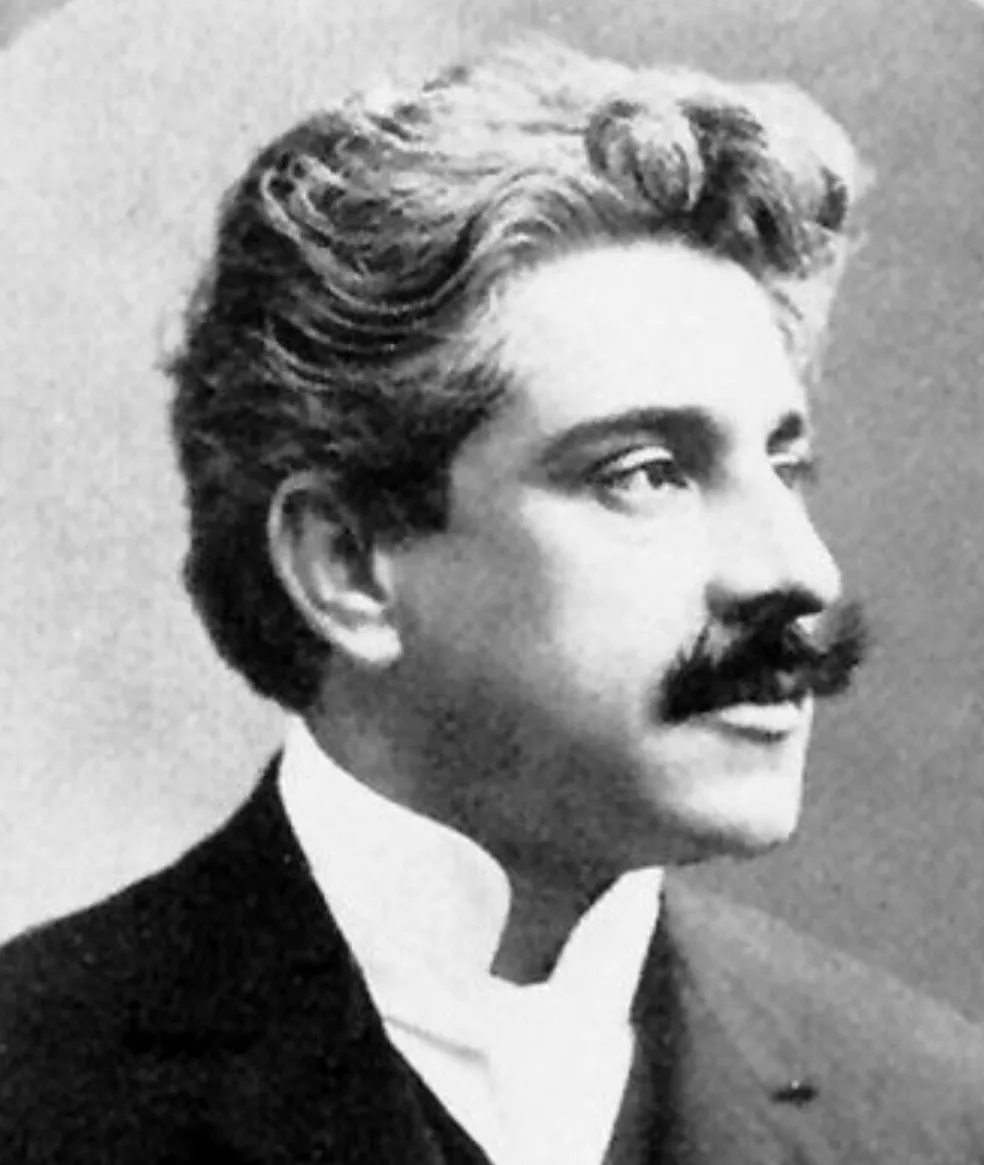
Oswaldo Gonçalves Cruz
 (Oswaldo Cruz)
Médecin bactériologiste brésilien, père de la santé publique moderne au Brésil, vainqueur de la fièvre jaune et de la peste à Rio de Janeiro.
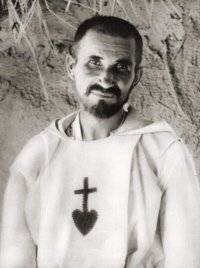
Saint Charles Eugène de Foucauld
(Charles de Foucauld)
Officier et explorateur français devenu ermite au Sahara, pionnier du rachat des esclaves et linguiste rédacteur du premier dictionnaire touareg-français.
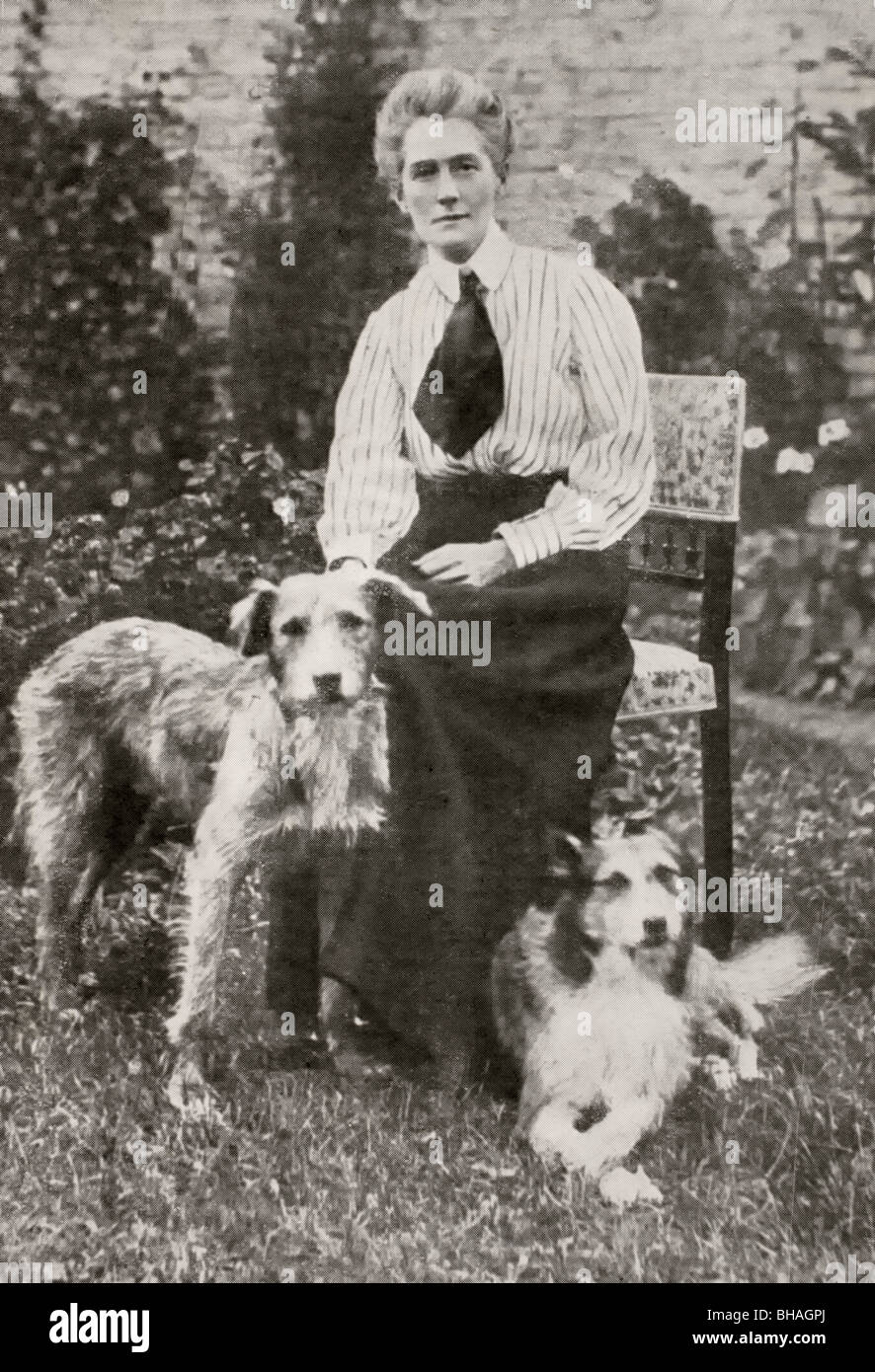
Edith Louisa Cavell
(Edith Louisa Cavell)
Edith Cavell was a British nurse and the pioneer of modern secular nursing in Belgium who treated wounded soldiers from both Allied and German forces without discrimination during World War I. She helped more than two hundred Allied soldiers escape from occupied Belgium to the neutral Netherlands, for which she was court-martialed and executed by a German firing squad, becoming a global symbol of moral courage.
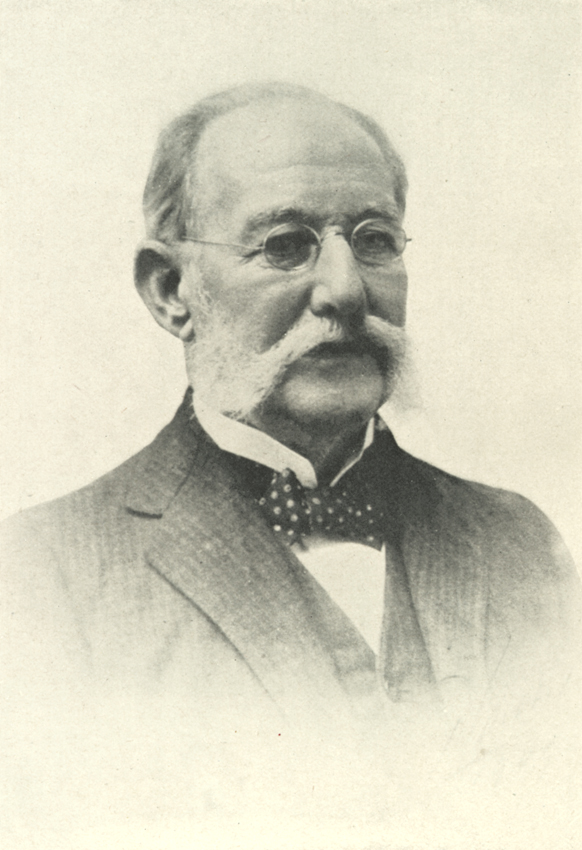
Carlos Juan Finlay
 (Carlos Juan Finlay y de Barres)
Cuban physician and epidemiologist who discovered in 1881 that yellow fever was transmitted by the Aedes aegypti mosquito, a revolutionary medical breakthrough that saved millions of lives and enabled the completion of the Panama Canal.
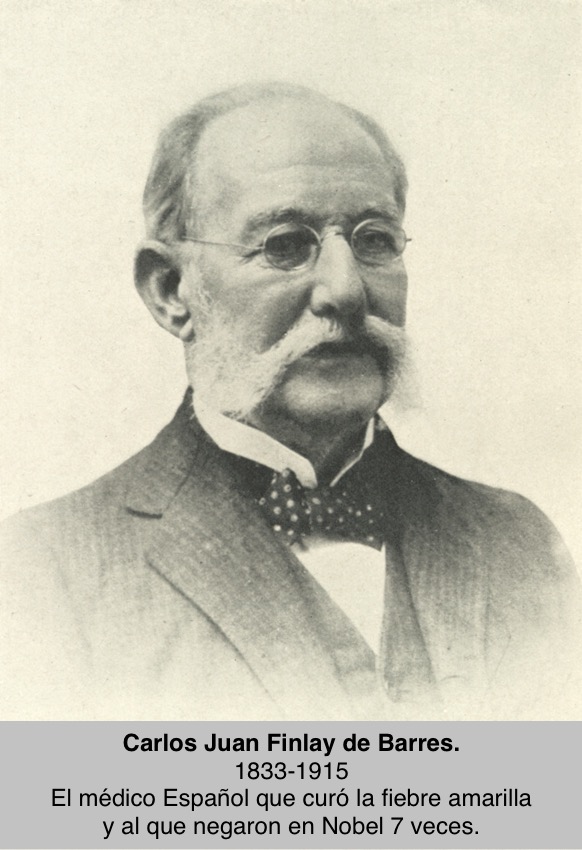
Carlos Juan Finlay y de Barrés
(Carlos J. Finlay)
Médecin et épidémiologiste cubain, découvreur visionnaire de la transmission de la fièvre jaune par le moustique vecteur (Aedes aegypti) dès 1881.
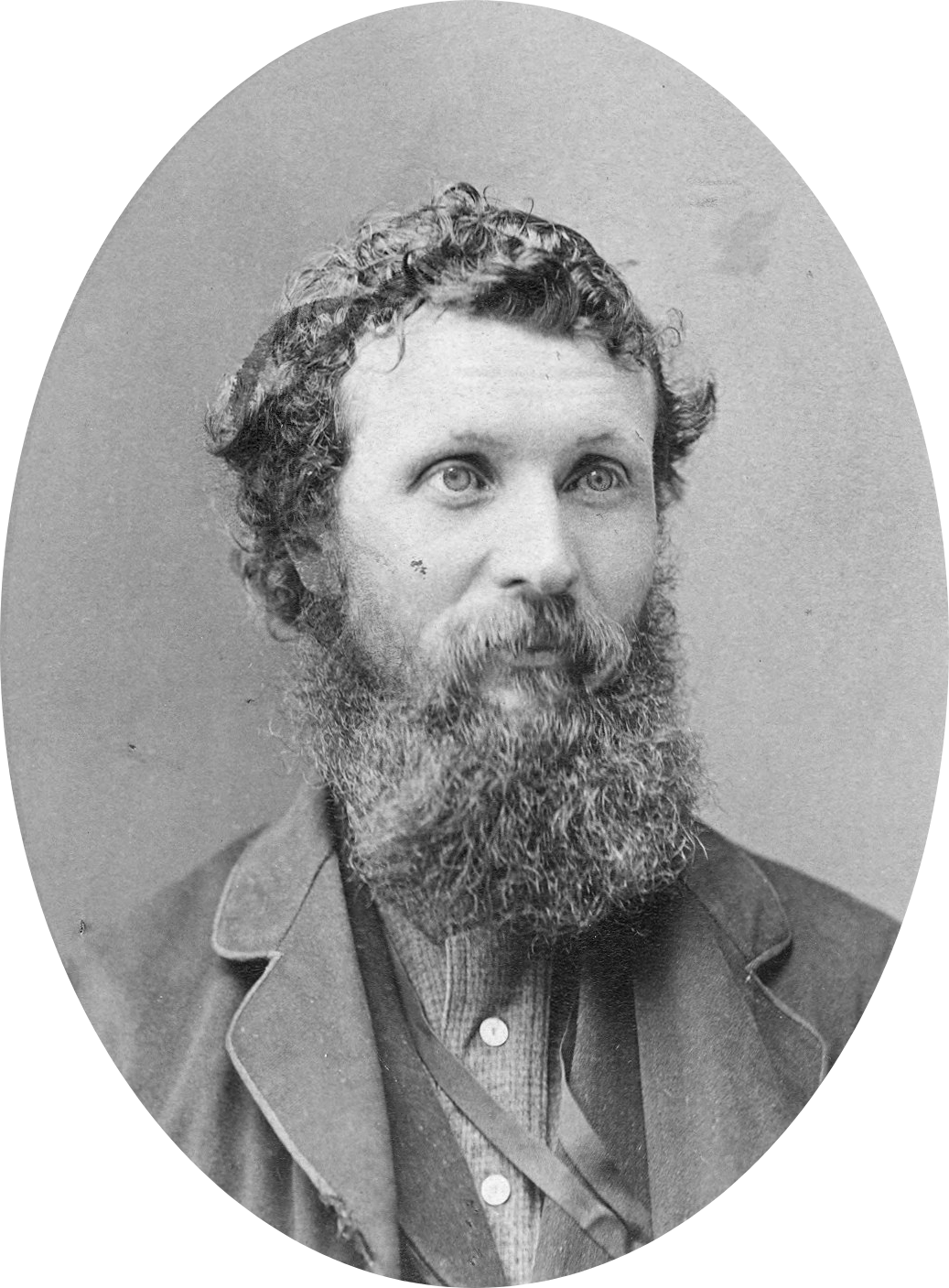
John Muir
(John Muir)
Scottish-born naturalist and preservationist revered as 'Father of the National Parks', whose poetic writings and activism led to the protection of Yosemite and Sequoia.
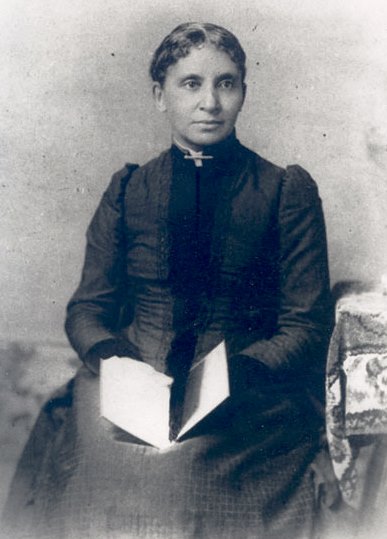
Charlotte Forten Grimke
(Charlotte Louise Bridges Forten Grimke)
Pioneering African American abolitionist, poet, and diarist who traveled to the Sea Islands of South Carolina during the Civil War to educate liberated enslaved families in the historic Port Royal Experiment.
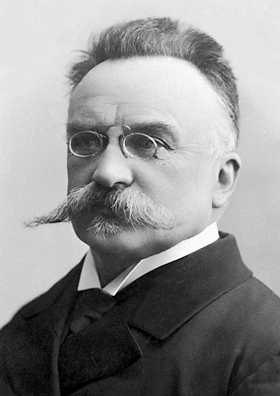
Charles Albert Gobat
 (Charles Albert Gobat)
Charles Albert Gobat was a Swiss lawyer, statesman, and educator who served as administrator of the Inter-Parliamentary Union and later directed the International Peace Bureau. Jointly awarded the 1902 Nobel Peace Prize with Élie Ducommun, Gobat passed away while addressing a peace conference in Bern on the eve of World War I.
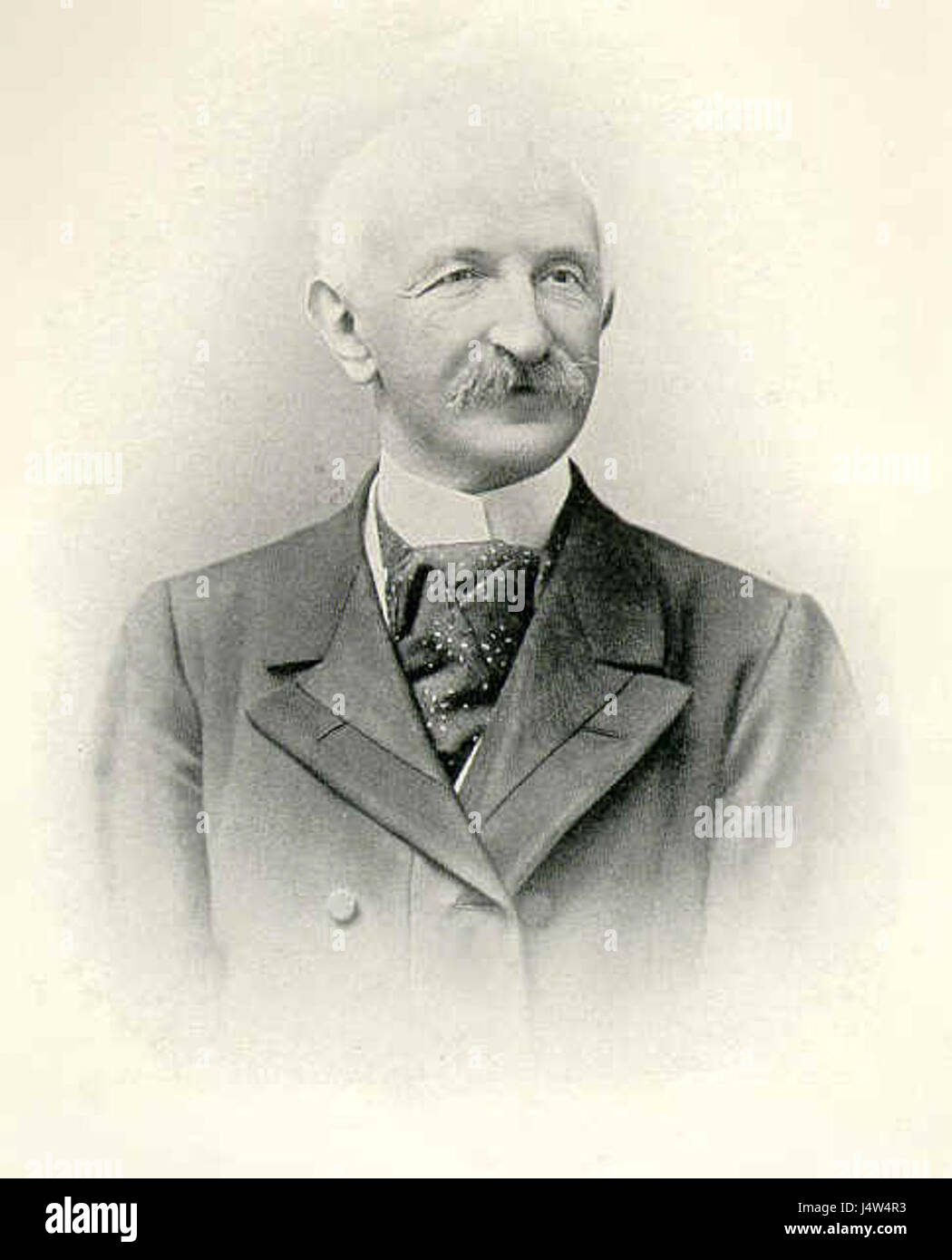
Tobias Michael Carel Asser
 (Tobias Michael Carel Asser)
Tobias Asser was an eminent Dutch jurist who pioneered the international codification of private international law. He initiated and presided over the Hague Conferences on Private International Law (1893–1904), co-founded the Institut de Droit International, and helped create the Hague Academy of International Law, receiving the 1911 Nobel Peace Prize.