 Sweden
•
4 views
Sweden
•
4 views
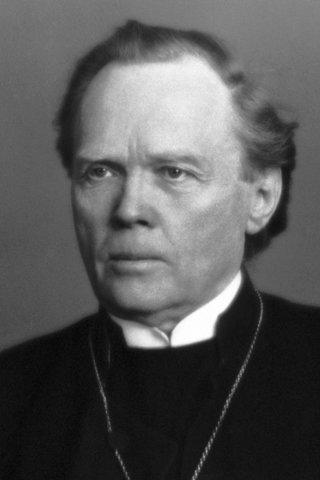
Lars Olof Jonathan (Nathan) Söderblom

Trönö, Hälsingland, Sweden
Archival Overview
Nathan Söderblom was a Swedish Lutheran theologian and Archbishop of Uppsala (Primate of the Church of Sweden) from 1914 to 1931. Widely revered as the father of the modern ecumenical movement, he convened the historic 1925 Universal Christian Conference on Life and Work in Stockholm, uniting divided churches across former WWI battlelines in common humanitarian action, receiving the 1930 Nobel Peace Prize.
Biographical Record
Lars Olof Jonathan 'Nathan' Söderblom was born in Trönö, Sweden, the son of a deeply pietistic parish pastor. Studying theology and classical languages at Uppsala University, Söderblom was ordained a Lutheran priest in 1893, serving as chaplain to the Swedish legation in Paris for seven years. While in Paris, Söderblom studied history of religions at the Sorbonne, earning a doctorate in theology in 1901 with a groundbreaking dissertation on ancient Iranian religion (Zoroastrianism) and becoming close personal friends with inventor Alfred Nobel, whom he visited during his final illness.
Appointed professor of theology at Uppsala University and later professor of comparative religion at Leipzig University in Germany, Söderblom was elevated directly to Archbishop of Uppsala and Primate of Sweden in May 1914, just weeks before the outbreak of World War I. Throughout the four catastrophic years of war, Söderblom issued impassioned appeals to church leaders across Europe, declaring that the Christian gospel transcended national borders and urging an immediate negotiated peace.
Following the war, Söderblom dedicated his life to uniting the fractured global Christian churches behind international peace and social justice. In August 1925, he hosted the historic Universal Christian Conference on Life and Work in Stockholm, bringing together over 600 delegates representing Protestant, Anglican, and Eastern Orthodox churches from thirty-seven nations—the first ecumenical gathering of its scale since the Council of Nicaea. Söderblom's ecumenical vision established the direct foundation for the World Council of Churches, earning him the 1930 Nobel Peace Prize.
Key Life Milestones
The Universal Christian Conference in Stockholm
Convened the historic Stockholm ecumenical conference, bringing divided global churches together for world peace.
Nobel Peace Prize in Oslo
Awarded the Nobel Peace Prize in recognition of his ecumenical leadership in healing the spiritual wounds of WWI.
Memorial Guestbook & Tributes
0 messages recordedLeave a Respectful Tribute
Final Resting Place
Perpetual MemorialUppsala, Sweden