 Norway
•
4 views
Norway
•
4 views
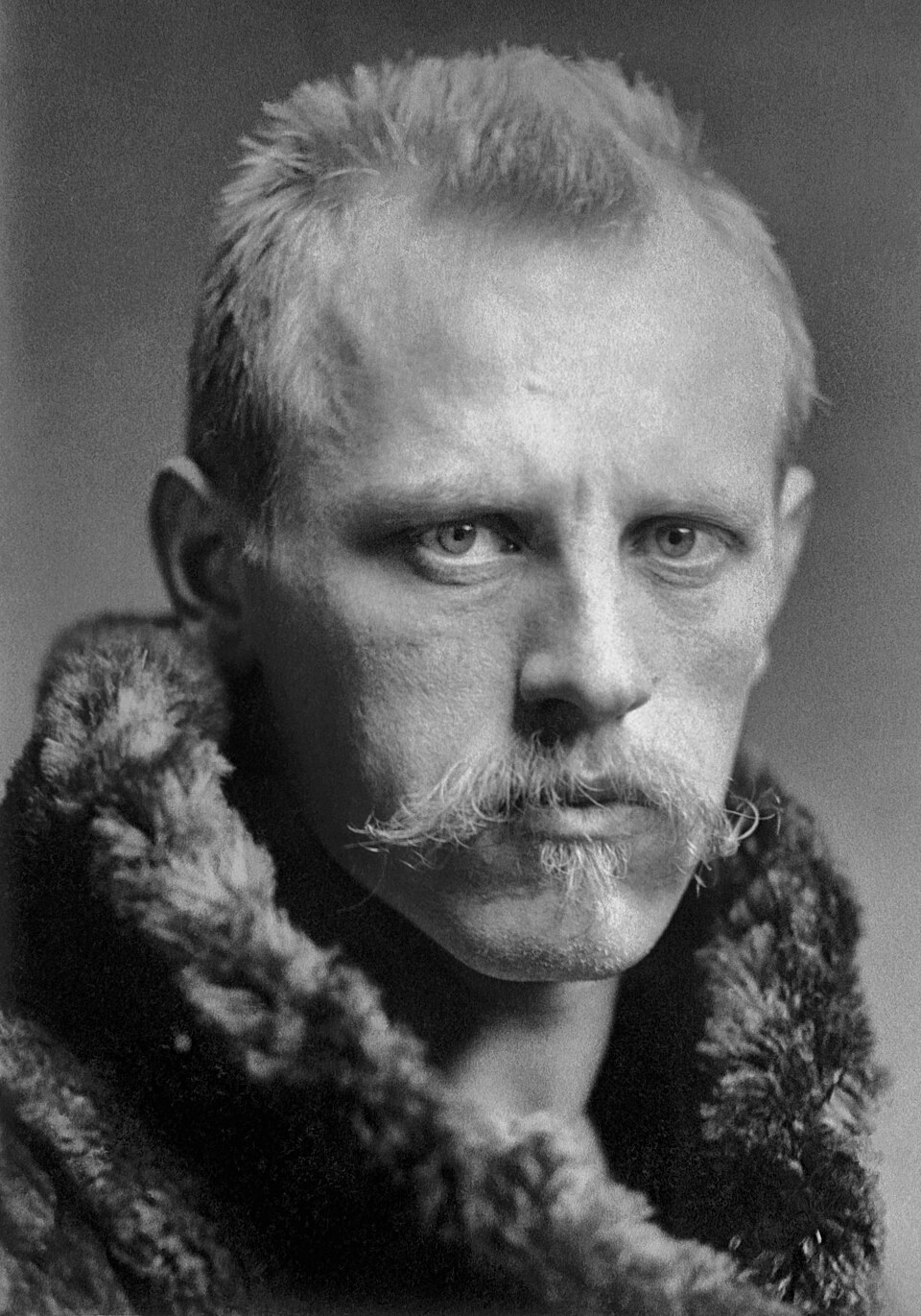
Fridtjof Nansen

Store Frøen, Christiania (Oslo), Norway
Archival Overview
Fridtjof Nansen was a Norwegian polymath, polar explorer, and humanitarian diplomat who revolutionized Arctic exploration before serving as the League of Nations' first High Commissioner for Refugees. He repatriated over 400,000 WWI prisoners of war, organized massive famine relief saving millions of Russians, and created the 'Nansen Passport' for stateless refugees, earning the 1922 Nobel Peace Prize.
Biographical Record
Fridtjof Nansen was born near Christiania (now Oslo), Norway. A brilliant zoologist and oceanographer, Nansen achieved worldwide fame as an explorer. In 1888, he led the first successful crossing of the treacherous Greenland interior on cross-country skis. Between 1893 and 1896, he designed the ice-strengthening vessel Fram and embarked on a daring expedition to reach the North Pole, surviving a legendary fifteen-month trek across Arctic pack ice with Hjalmar Johansen and setting an unprecedented Farthest North record.
Following Norway's peaceful dissolution of its union with Sweden in 1905, in which Nansen played a vital diplomatic role, his global stature turned him toward humanitarian relief. In 1920, the fledgling League of Nations appointed Nansen High Commissioner for the Repatriation of Prisoners of War. Despite postwar political chaos and economic devastation, Nansen coordinated rail and maritime networks that repatriated 427,886 prisoners from thirty nations back to their homelands.
In 1921, Nansen took on the responsibility of High Commissioner for Refugees, confronting millions displaced by the Russian Revolution, Ottoman collapses, and the Armenian Genocide. Because Soviet Russia had stripped emigrés of citizenship, Nansen created the internationally recognized 'Nansen Passport'—the first official identity travel document for stateless individuals, utilized by luminaries like Marc Chagall, Igor Stravinsky, and Anna Pavlova. Concurrently, Nansen organized relief efforts during the catastrophic 1921–1922 Russian famine, saving an estimated 7 to 22 million lives and earning the 1922 Nobel Peace Prize.
Key Life Milestones
League of Nations High Commissioner Appointment
Appointed to lead the repatriation of over 400,000 WWI prisoners of war stranded across Russia and Central Europe.
Invention of the Nansen Passport & Nobel Prize
Created the Nansen Passport providing legal recognition for stateless refugees, awarded the Nobel Peace Prize.
Memorial Guestbook & Tributes
0 messages recordedLeave a Respectful Tribute
Final Resting Place
Perpetual MemorialLysaker, Bærum, Norway