Public Figures & Cultural Luminaries
Filterable archive covering centuries of intellectual, artistic, and moral contributions to the human story.
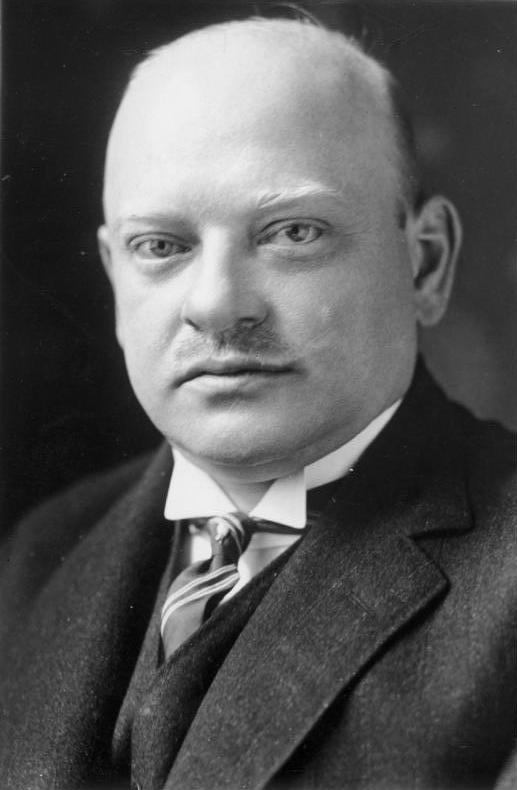
Gustav Stresemann
 (Gustav Stresemann)
Gustav Stresemann was a German statesman who served as Chancellor in 1923 and Foreign Minister of the Weimar Republic from 1923 until his death in 1929. Breaking with nationalist militarism to embrace pragmatic European reconciliation, he halted hyperinflation, negotiated the Locarno Treaties, and led Germany into the League of Nations, sharing the 1926 Nobel Peace Prize with Aristide Briand.
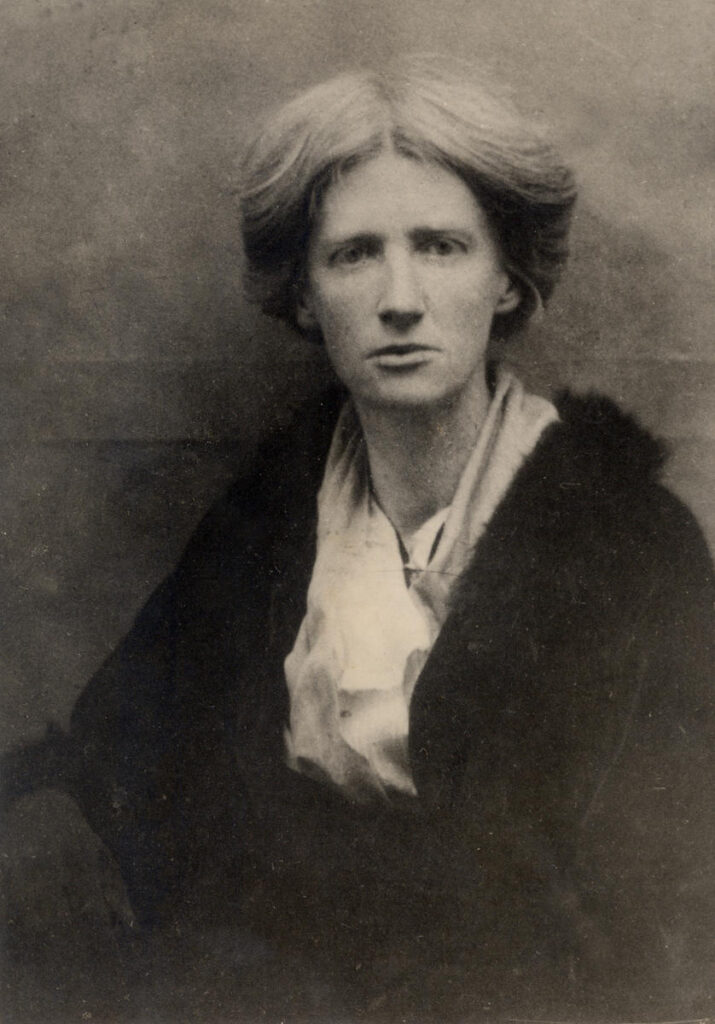
Eglantyne Jebb
 (Eglantyne Jebb)
Eglantyne Jebb was a visionary British humanitarian and social reformer who founded Save the Children in 1919 to relieve post-WWI famine among European children. In 1923, she authored the landmark Declaration of the Rights of the Child, which was adopted by the League of Nations and served as the direct foundation for the 1989 United Nations Convention on the Rights of the Child.
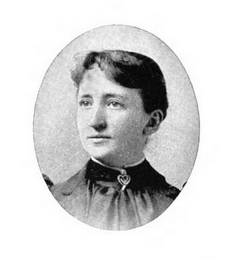
Mary Richmond
 (Mary Ellen Richmond)
Pioneering American humanitarian whose 1917 masterpiece 'Social Diagnosis' constructed the scientific methodology of professional social casework, establishing diagnostic interviewing and social investigation.
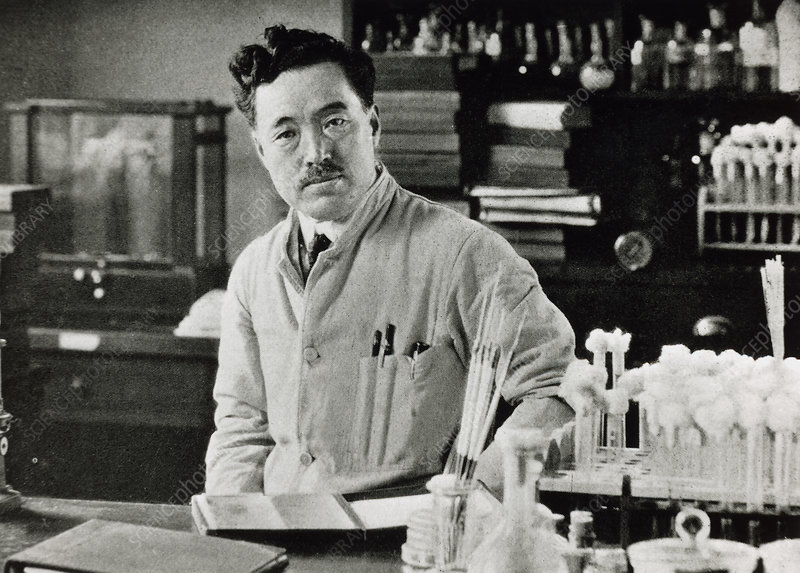
Hideyo Noguchi
 (野口 英世 (Seisaku Noguchi))
Bactériologiste japonais de renommée mondiale, chercheur infatigable contre la syphilis et la fièvre jaune, mort martyr de la science en Afrique de l'Ouest.
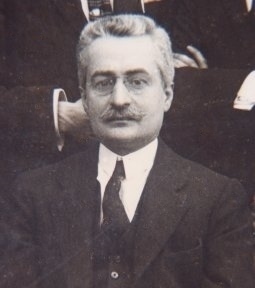
Saint Giuseppe Moscati
 (Giuseppe Maria Carlo Manoel Raffaele Moscati)
Médecin chef et biochimiste napolitain, canonisé comme saint laïc, surnommé le « Médecin des pauvres » pour ses soins gratuits et ses aumônes discrètes.
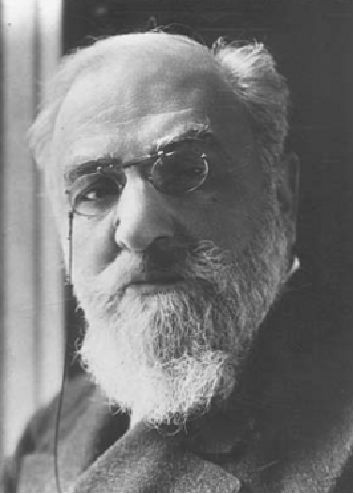
Léon Victor Auguste Bourgeois
 (Léon Victor Auguste Bourgeois)
Léon Bourgeois was a French statesman, philosopher, and Prime Minister of France (1895–1896) whose social philosophy of 'Solidarism' provided the intellectual blueprint for the League of Nations. Known as the spiritual father of the League, he served as the first President of the Council of the League of Nations in 1920 and was awarded the 1920 Nobel Peace Prize.
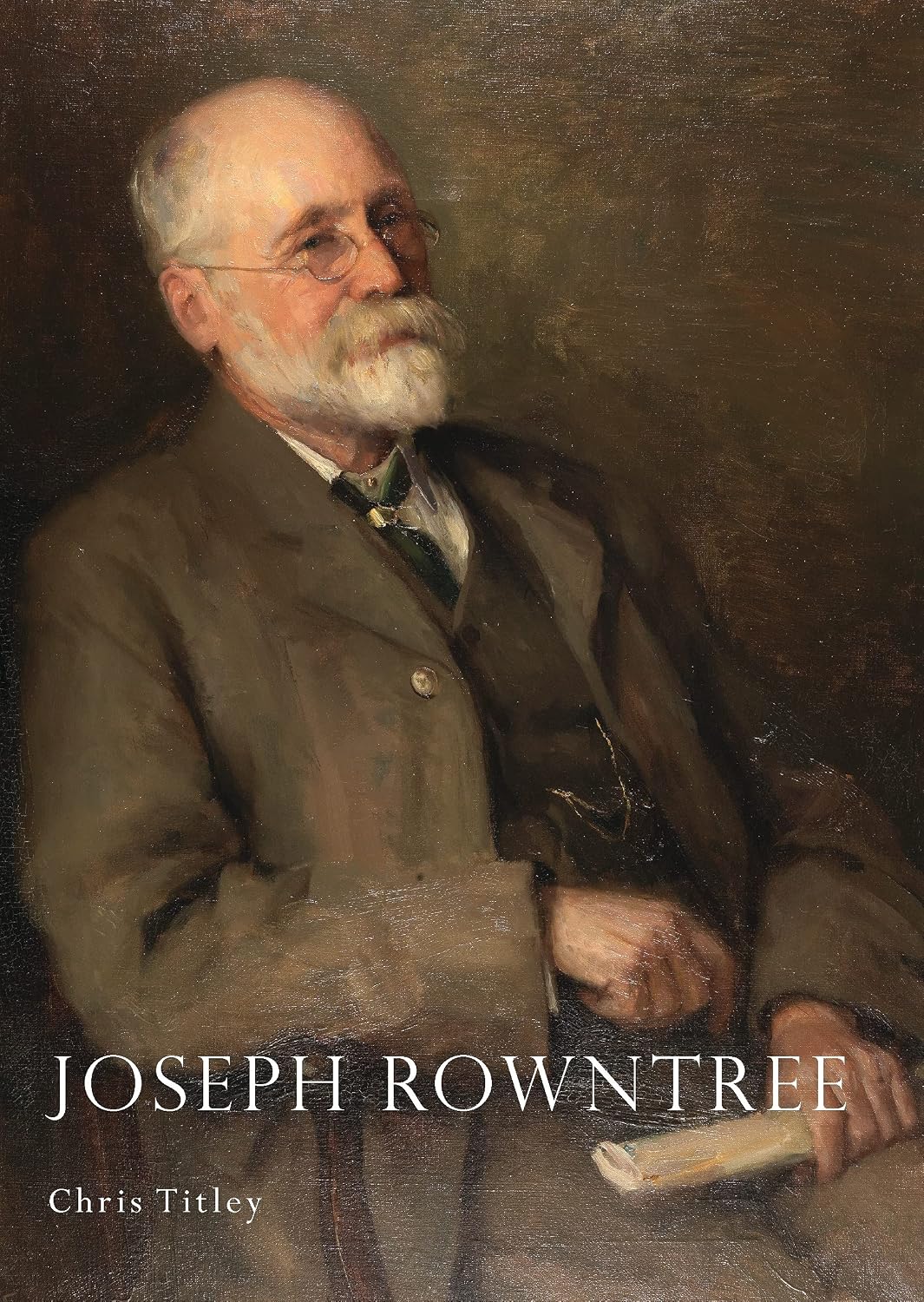
Joseph Rowntree
(Joseph Rowntree)
Industriel quaker et philanthrope britannique, fondateur de trusts dédiés à la recherche sur les causes profondes de la pauvreté et aux réformes sociales.
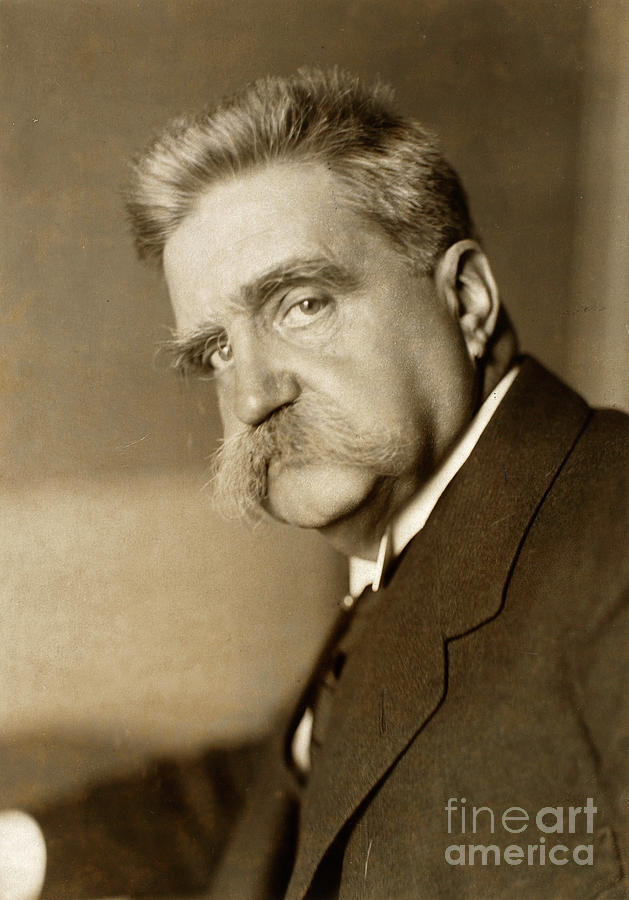
Karl Hjalmar Branting
 (Karl Hjalmar Branting)
Hjalmar Branting was a Swedish statesman who led the Swedish Social Democratic Party and served as Prime Minister of Sweden in three separate administrations. A staunch advocate for peaceful international conflict resolution, Branting supported the League of Nations' peaceful settlement of the Åland Islands dispute, sharing the 1921 Nobel Peace Prize with Christian Lous Lange.
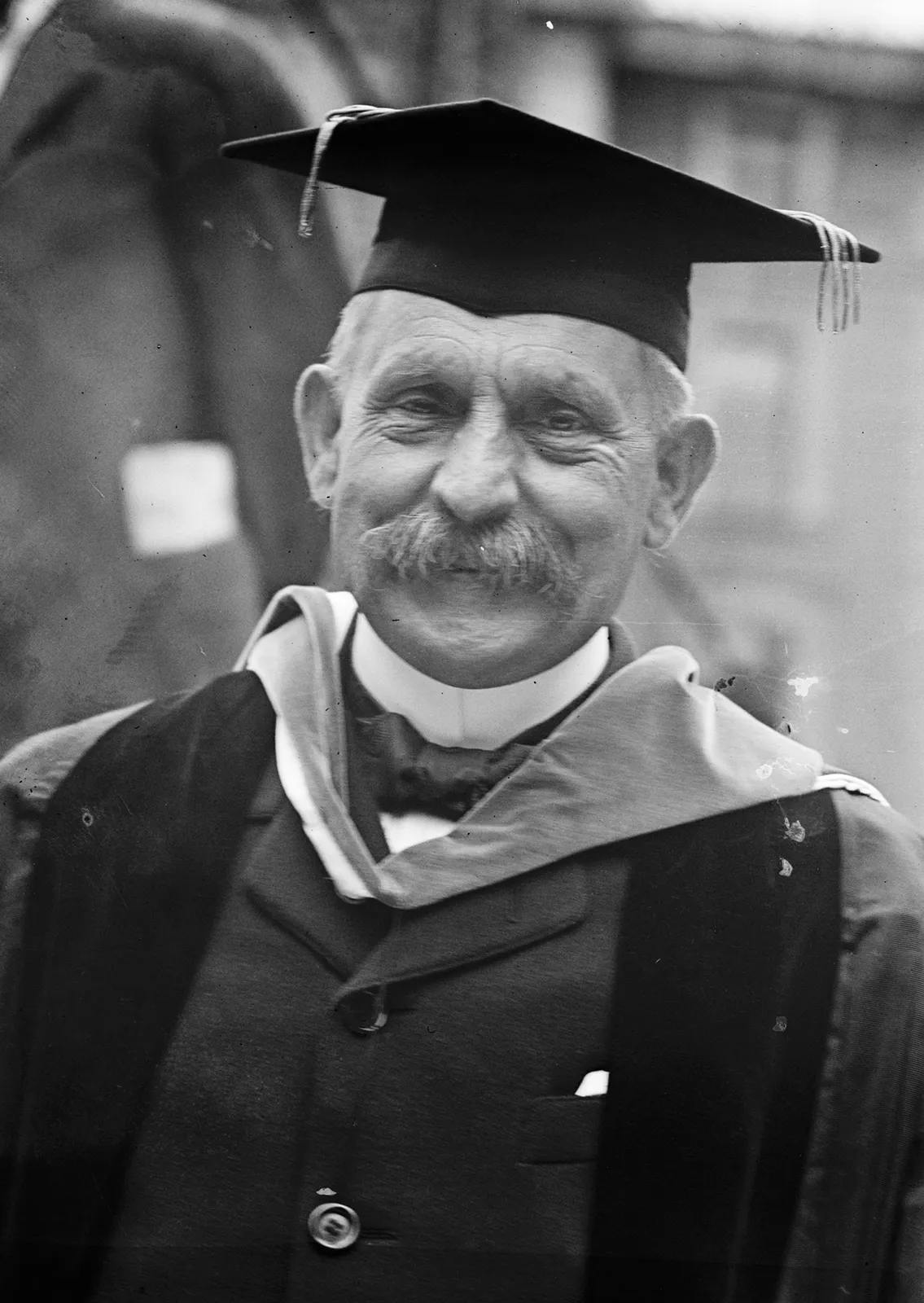
Paul-Henri-Benjamin d'Estournelles de Constant
(Paul-Henri-Benjamin Balluet d'Estournelles de Constant, baron de Constant de Rebecque)
Paul-Henri d'Estournelles de Constant was a French diplomat, senator, and advocate for international arbitration who co-represented France at the 1899 and 1907 Hague Peace Conferences. He was instrumental in establishing the Permanent Court of Arbitration and founded the Association for International Conciliation, receiving the 1909 Nobel Peace Prize.
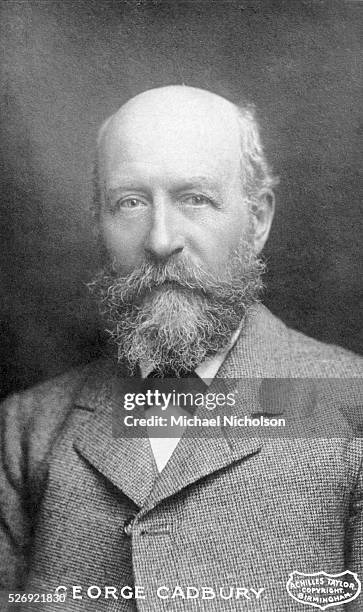
George Cadbury
(George Cadbury)
Industriel et philanthrope quaker britannique, créateur du village modèle de Bournville offrant un habitat salubre et des droits sociaux aux ouvriers.
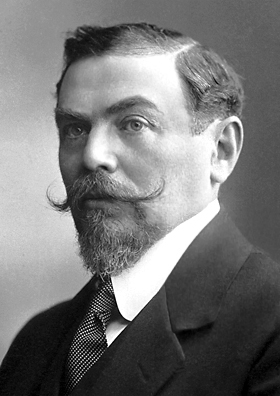
Alfred Fried
 (Alfred Hermann Fried)
Austrian pacifist author and publisher who co-founded the German Peace Society alongside Bertha von Suttner, edited 'Die Friedens-Warte', and was awarded the 1911 Nobel Peace Prize for his scientific theory of international organizational pacifism.
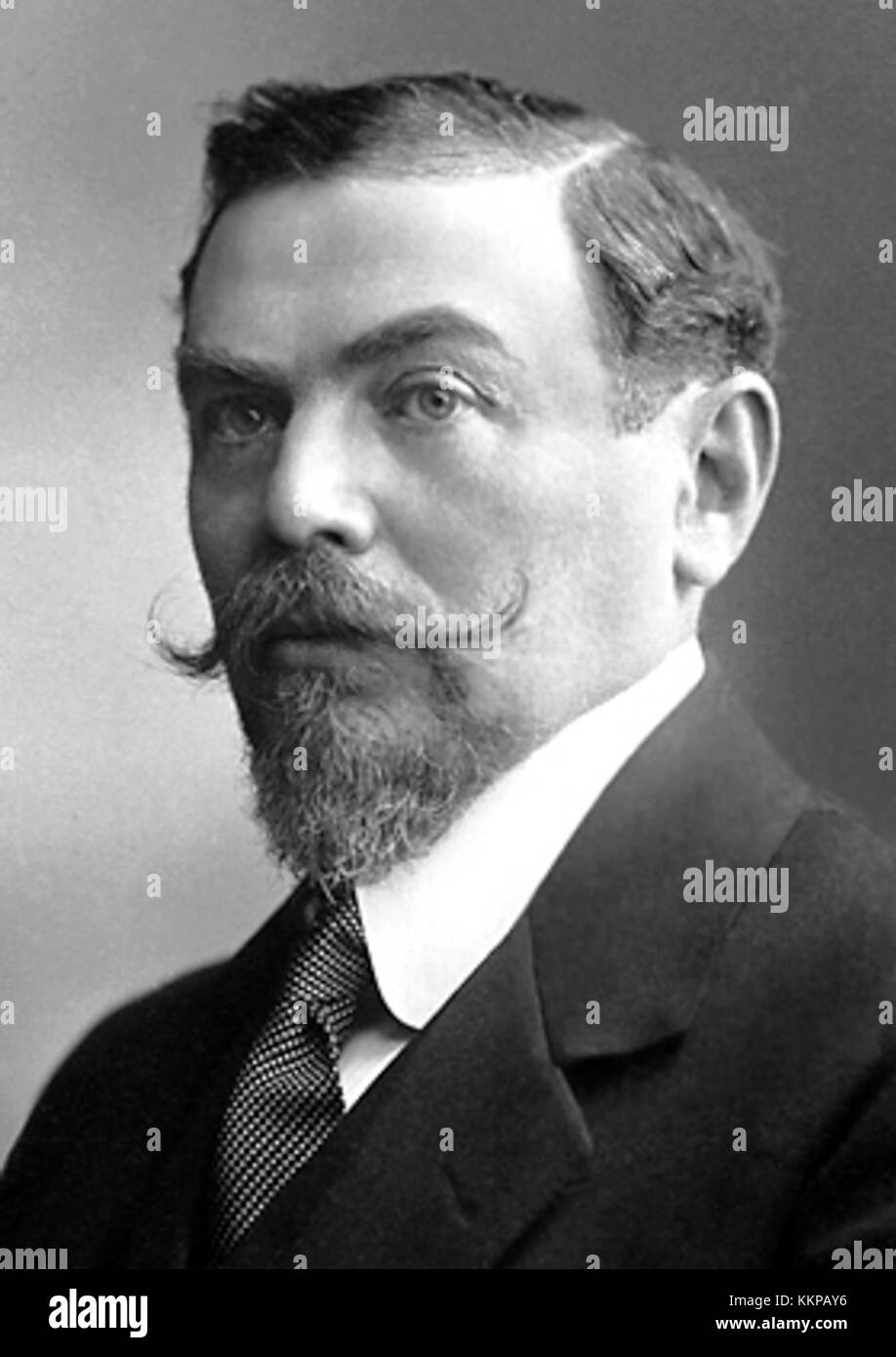
Alfred Hermann Fried
(Alfred Hermann Fried)
Alfred Hermann Fried was an Austrian Jewish pacifist, journalist, and publisher who co-founded the German Peace Society (Deutsche Friedensgesellschaft) in 1892 alongside Bertha von Suttner. As editor of 'Die Waffen nieder!' and 'Die Friedens-Warte', he pioneered 'scientific pacifism', advocating international organization as an economic and structural necessity, receiving the 1911 Nobel Peace Prize.
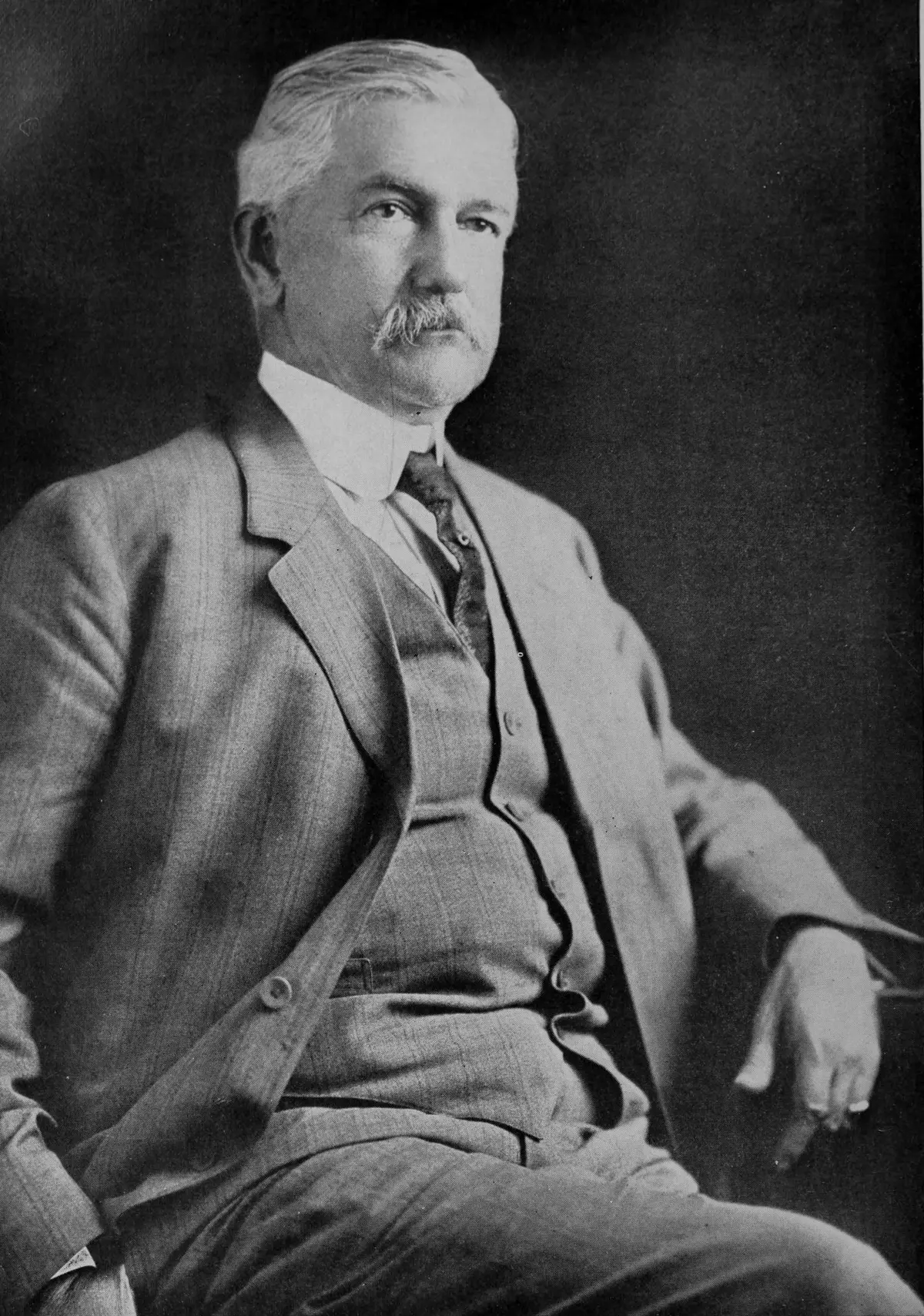
William Crawford Gorgas
(William C. Gorgas)
Médecin militaire américain et chirurgien général, qui éradiqua la fièvre jaune et maîtrisa le paludisme à La Havane et au canal de Panama.
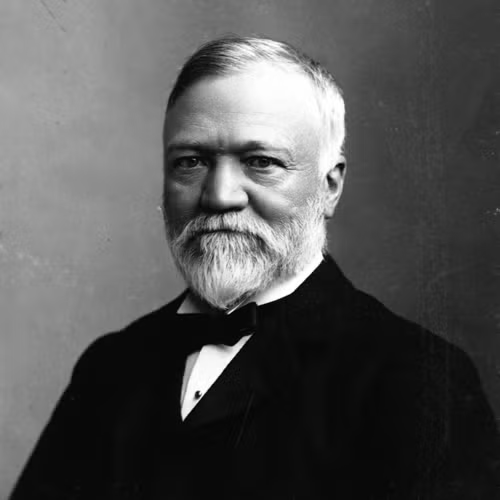
Andrew Carnegie
(Andrew Carnegie)
Industriel de l'acier et l'un des plus grands philanthropes de l'histoire, auteur du Gospel of Wealth, financeur de plus de 2 500 bibliothèques publiques et du Palais de la Paix.
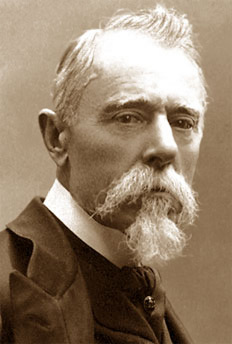
Ernesto Teodoro Moneta
(Ernesto Teodoro Moneta)
Ernesto Teodoro Moneta was an Italian journalist, Garibaldian freedom fighter, and peace leader who founded the International Peace Society in Lombardy. As the influential editor of Milan's leading newspaper, Il Secolo, Moneta advocated for Franco-Italian reconciliation and international arbitration, becoming Italy's only Nobel Peace Prize laureate in 1907.
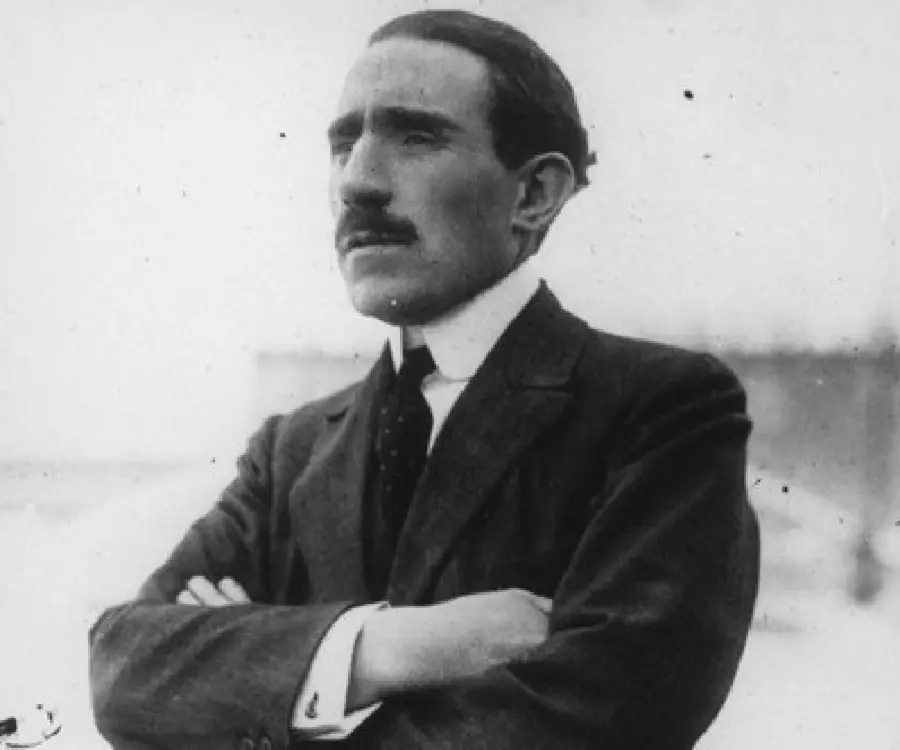
Louis Renault
(Louis Renault)
Louis Renault was an eminent French jurist and professor of international law at the University of Paris. Serving as legal counsel to the French Foreign Ministry and principal rapporteur at the 1899 and 1907 Hague Peace Conferences, he drafted pivotal treaties on naval warfare and prisoners of war, sharing the 1907 Nobel Peace Prize with Ernesto Teodoro Moneta.
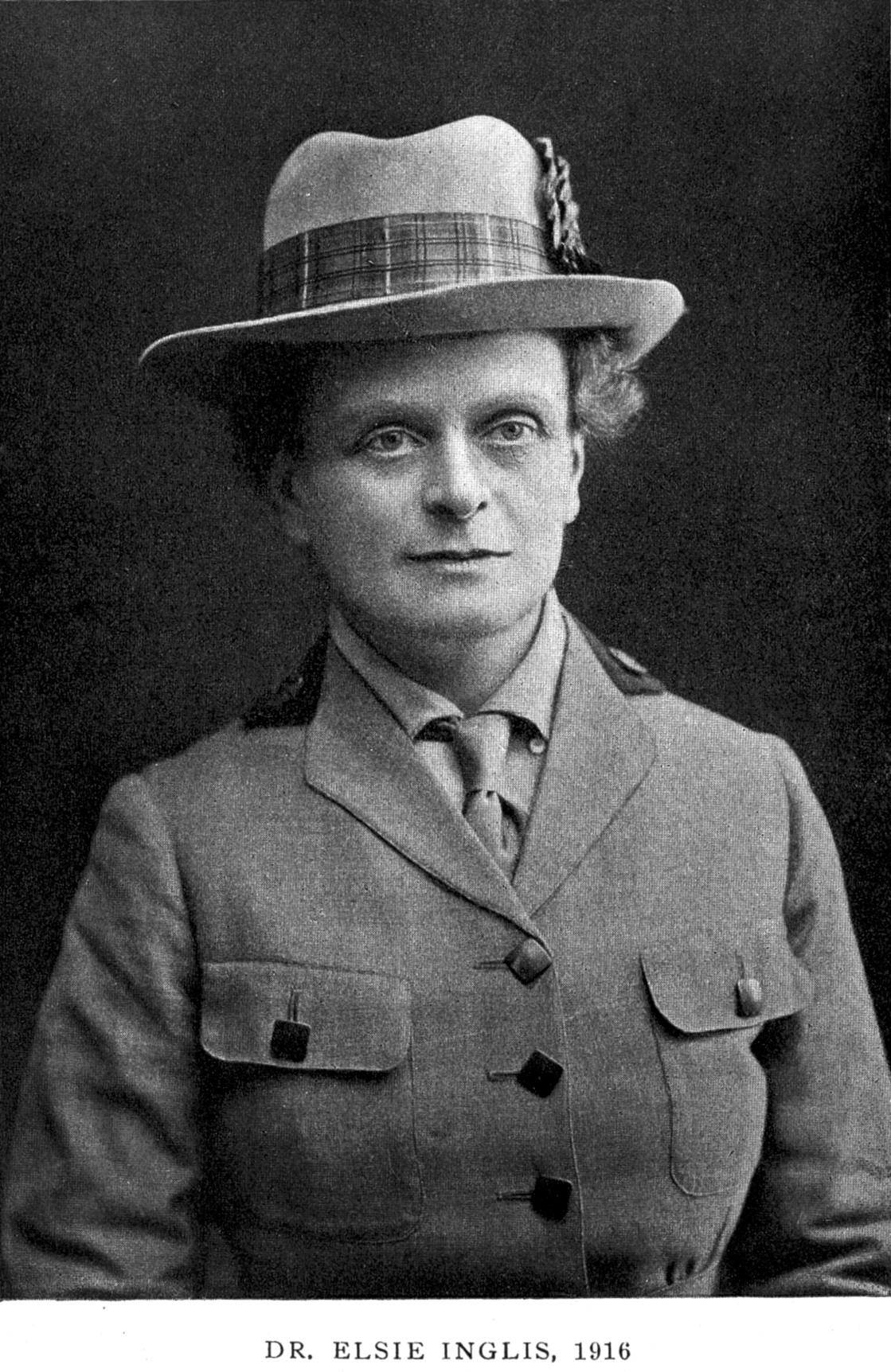
Dr. Elsie Maud Inglis
 (Elsie Maud Inglis)
Dr. Elsie Inglis was an innovative Scottish physician, surgeon, and suffragist who founded the Scottish Women's Hospitals for Foreign Service during World War I. Rebuffed by the British War Office who told her to 'go home and sit still', she established fourteen frontline female-staffed hospitals across France, Serbia, and Russia, earning Serbia's highest military honor.
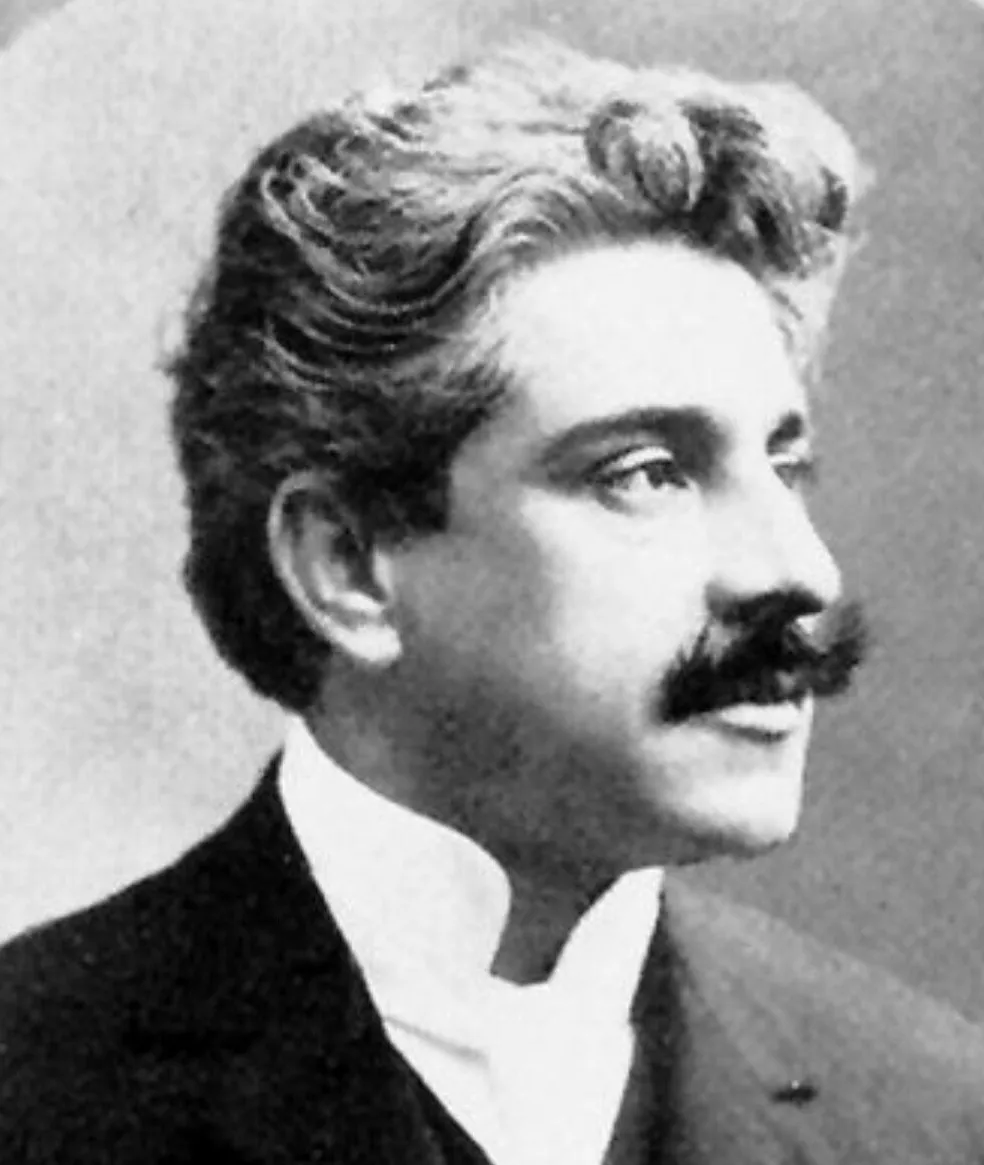
Oswaldo Gonçalves Cruz
 (Oswaldo Cruz)
Médecin bactériologiste brésilien, père de la santé publique moderne au Brésil, vainqueur de la fièvre jaune et de la peste à Rio de Janeiro.