Al-Harith ibn Hilliza
Pre-Islamic poet of the Bakr tribe who spontaneously improvised his majestic eighty-line Mu'allaqah while afflicted with leprosy before King Amr ibn Hind.
Start typing to search worldwide archives and community tributes
Filterable archive covering centuries of intellectual, artistic, and moral contributions to the human story.
Pre-Islamic poet of the Bakr tribe who spontaneously improvised his majestic eighty-line Mu'allaqah while afflicted with leprosy before King Amr ibn Hind.
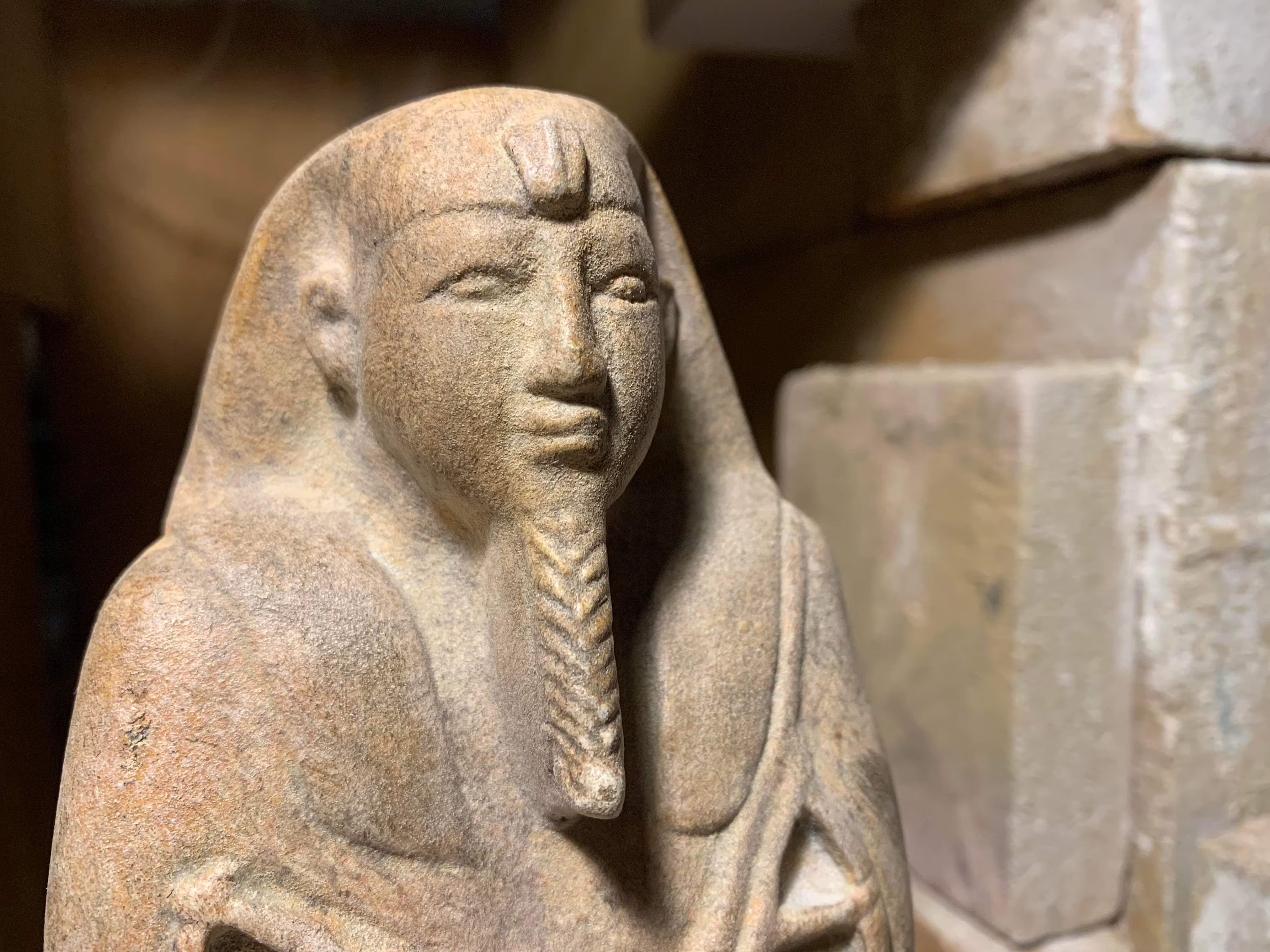
Great 6th-century BCE King of Kush who ruled from Napata, known from the magnificent Aspelta Election and Coronation Stelae, who built monumental temples and whose pyramid at Nuri is one of Nubia's finest monuments.
6th-century multilingual diplomat and scholar residing in Carthage who translated diplomatic treaties between Byzantine authorities, Moorish kings, and Axumite ambassadors.
Brilliant pre-Islamic prodigy from Bahrain whose celebrated Mu'allaqah contains the famous description of the desert she-camel.
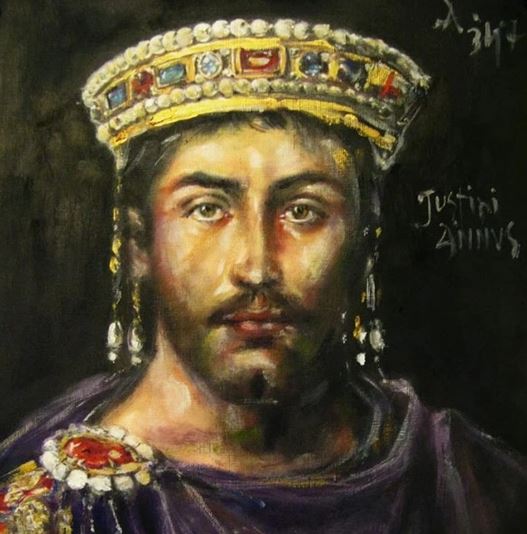
Byzantine Emperor who codified Roman law into the Corpus Juris Civilisโthe foundation of modern civil law across the worldโre-conquered Italy and North Africa, and erected the awe-inspiring basilica of Hagia Sophia.
Celebrated 6th-century Syrian Christian hymnographer who revolutionized liturgical poetry with over a thousand dramatic kontakia.
Nephew of Emperor Justinian dispatched to Carthage in 536 AD, whose brilliant victory at Scalae Veteres (near Bรฉja) crushed the catastrophic Stotzas military rebellion and saved Byzantine Africa.
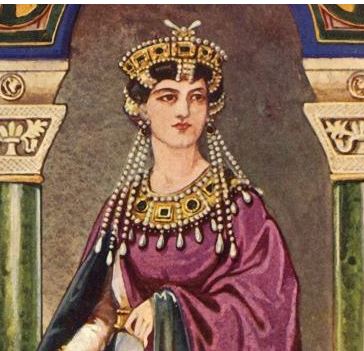
One of the most powerful and influential empresses in world history. Co-ruled the Byzantine Empire alongside Justinian I, championed groundbreaking legal rights for women regarding marriage and divorce, and saved the throne during the Nika riots.
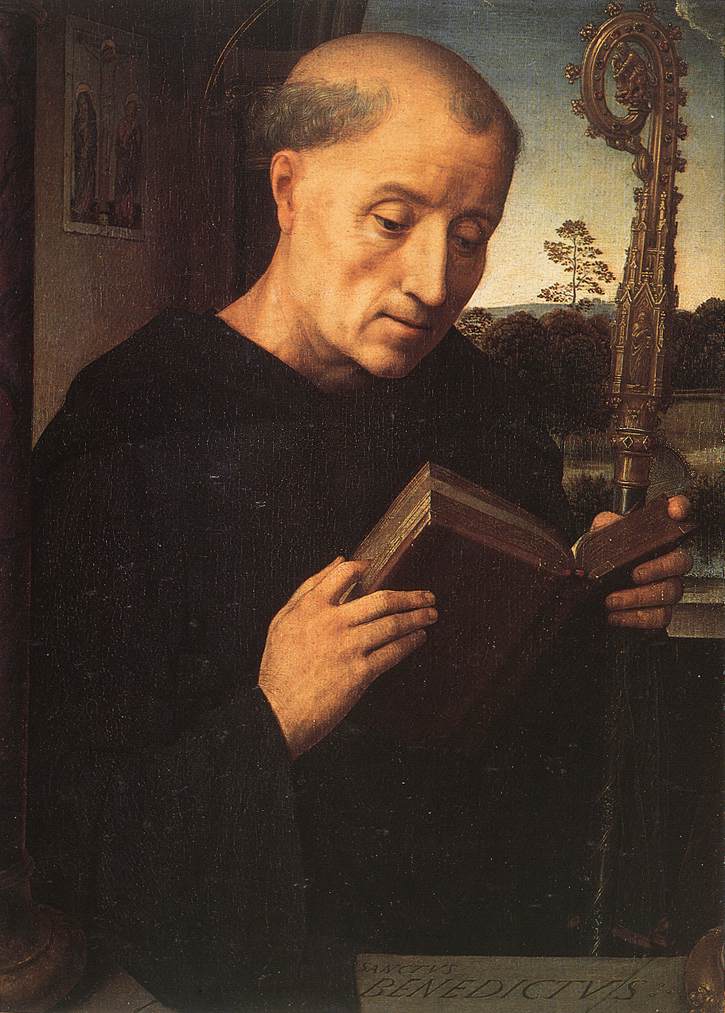
Father of Western Monasticism and patron saint of Europe whose 'Rule of Saint Benedict' balanced prayer and work ('Ora et Labora'), saving Western learning after the fall of Rome.
Byzantine governor and military commander under Emperor Justinian who reconquered and fortified North Africa, building the immense Byzantine citadel of Haรฏdra and fortresses of Kasserine.
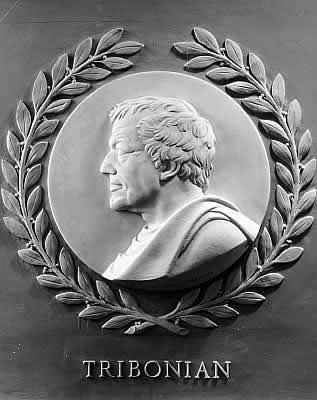
Master Byzantine jurist and quaestor under Emperor Justinian I who directed the codification of Roman law into the Corpus Juris Civilis, the bedrock of modern civil law.
Distinguished Latin poet and satirist of early 6th-century Carthage under King Thrasamund and King Hilderic, whose 90 surviving epigrams in the Anthologia Latina illuminate late Roman-Vandal society.
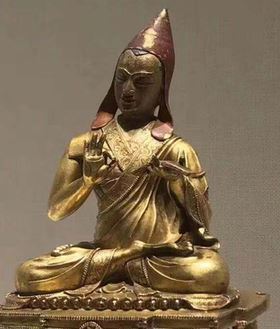
Father of Buddhist logic and epistemology whose masterwork 'Pramana-samuccaya' revolutionized Indian philosophy by establishing perception and inference as the two valid means of knowledge.
Bishop of Ruspe (near Sfax), recognized as the greatest North African Latin theologian of the 6th century, twice exiled to Sardinia by Vandal kings for defending orthodox Trinitarian theology.
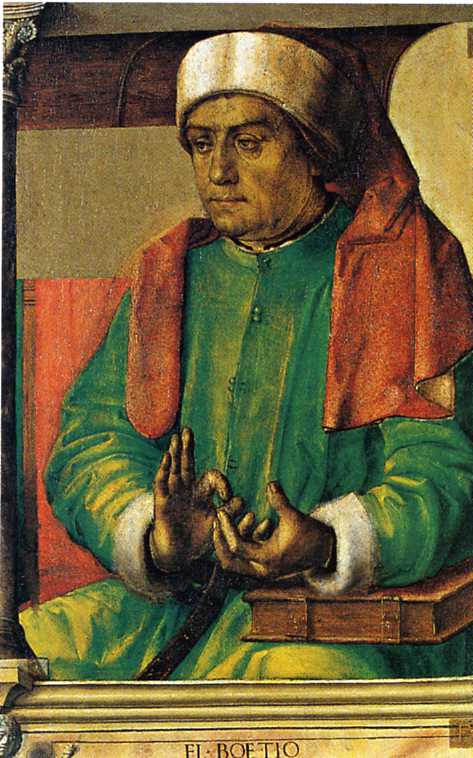
Roman philosopher and statesman who translated Aristotle into Latin and composed The Consolation of Philosophy while imprisoned awaiting execution, bridging antiquity and the Middle Ages.
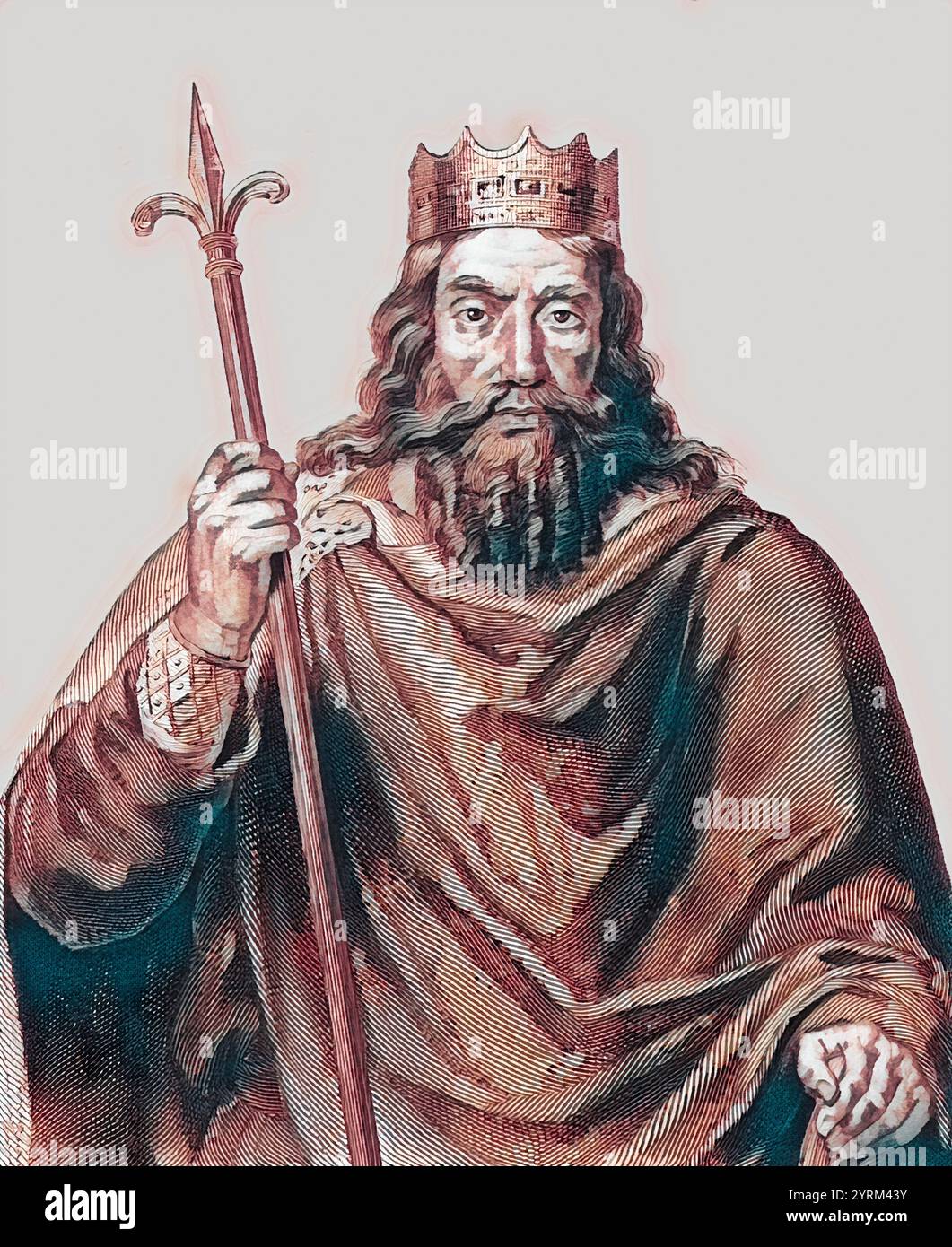
First King of the Franks to unite all Frankish tribes, founder of the Merovingian Dynasty, and first Catholic king of France.
Elected Bishop of Carthage in 480 AD after 24 years of vacant see under Vandal repression, renowned for charity to the poor and courageous defense of faith at the Council of Carthage (484 AD).
Master Latin poet of Vandal-era Carthage, author of the magnificent theological epic poem Laudes Dei (Praise of God) and the Satisfactio, composed while chained in a Vandal prison.