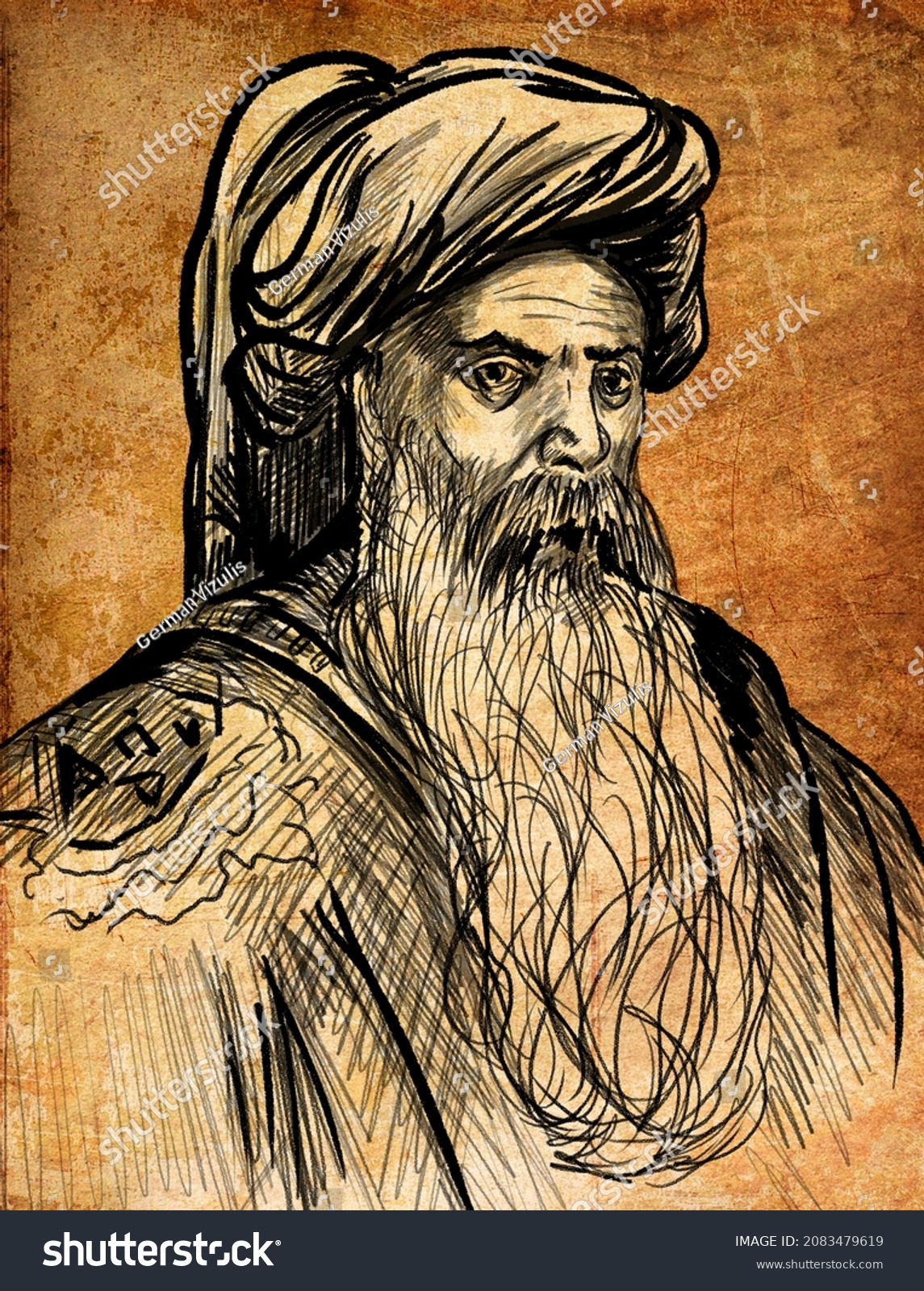
Al-Akhtal
Preeminent Arab Christian poet of the Taghlib tribe who served as official court poet to Umayyad Caliphs Abd al-Malik and Al-Walid I.
Start typing to search worldwide archives and community tributes
Filterable archive covering centuries of intellectual, artistic, and moral contributions to the human story.
Preeminent Arab Christian poet of the Taghlib tribe who served as official court poet to Umayyad Caliphs Abd al-Malik and Al-Walid I.
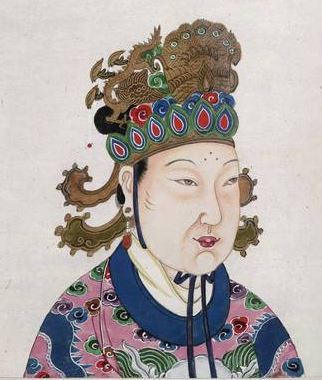
Only female emperor regnant in five millennia of Chinese history, who founded her own Zhou Dynasty (690–705 CE), expanded the empire, and democratized government through imperial civil service examinations.
The only female emperor in four millennia of Chinese history. Founded her own Zhou Dynasty (690–705 CE), broke the hereditary aristocracy by promoting scholars through meritocratic imperial examinations, and commissioned the colossal Longmen Grottoes Buddhas.
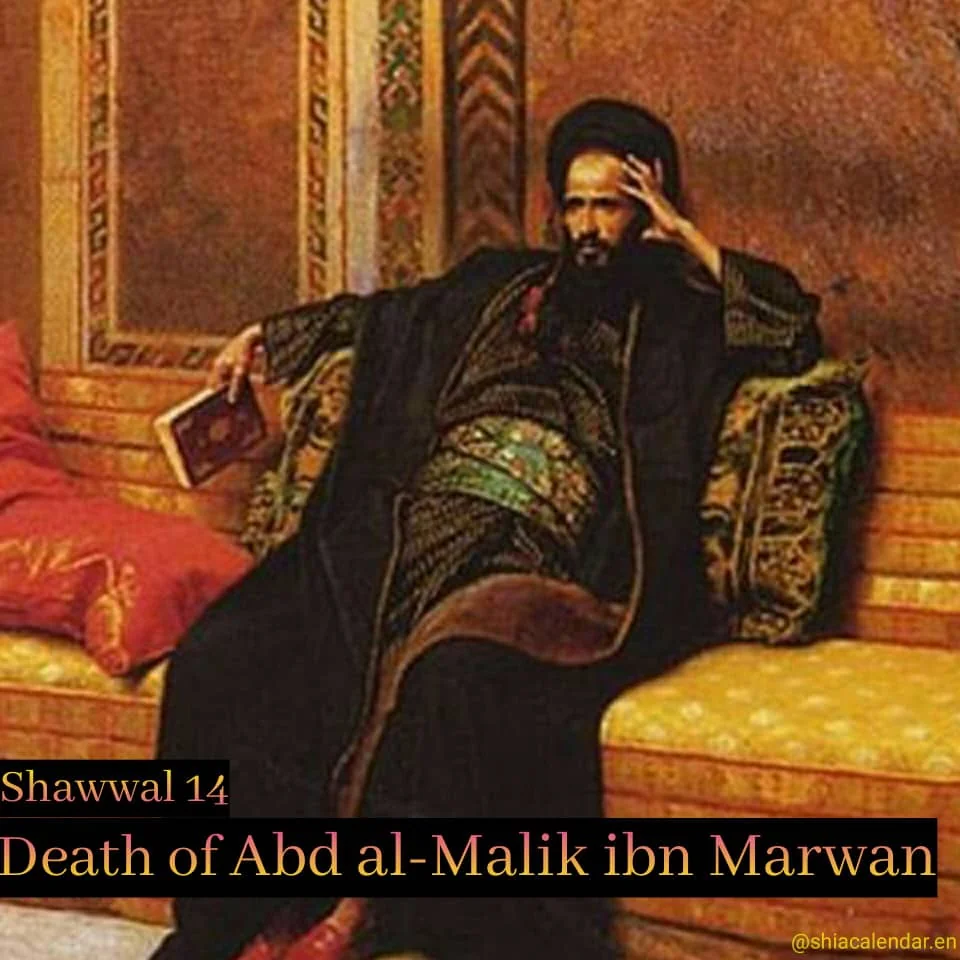
Fifth Umayyad Caliph who built the Dome of the Rock in Jerusalem, standardized Arabic as the imperial language, and introduced Islamic epigraphic coinage.
Umayyad supreme commander who conquered Byzantine Carthage in 698 AD, founded the city and naval shipyard of Tunis, established the Ez-Zitouna Mosque, and organized the civilian administration of Ifriqiya.
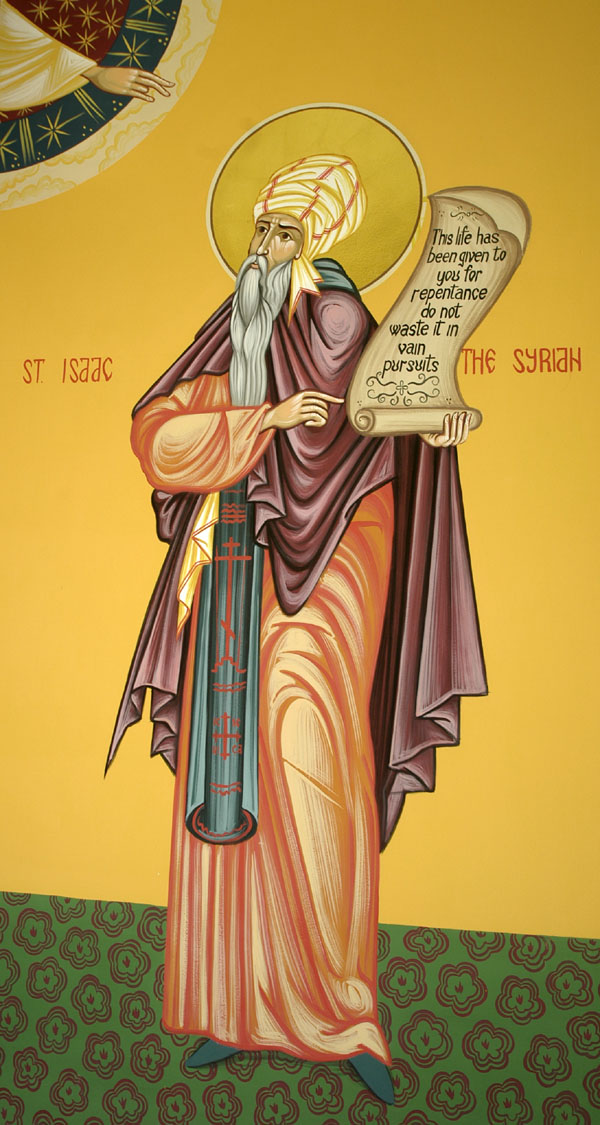
Beloved Eastern Christian mystic and bishop of Nineveh celebrated for his profound ascetic discourses on universal divine mercy, contemplation, and tears of love.
Ninth son of Emperor Taizong and third emperor of the Tang dynasty (649–683 CE) under whose reign the Tang Empire reached its greatest geographic extent, conquering Goguryeo and Baekje in Korea and expanding protectorates to the borders of Persia.
Founder of the Umayyad Caliphate who moved the Islamic capital to Damascus, established the first Muslim naval fleet, and created imperial postal networks.
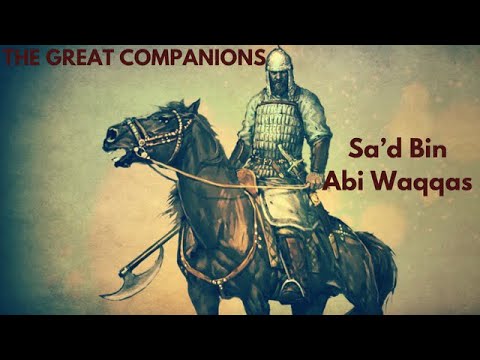
Companion of the Prophet, archer, and supreme commander who crushed the Sasanian Persian Empire at the Battle of al-Qadisiyyah and captured Ctesiphon.
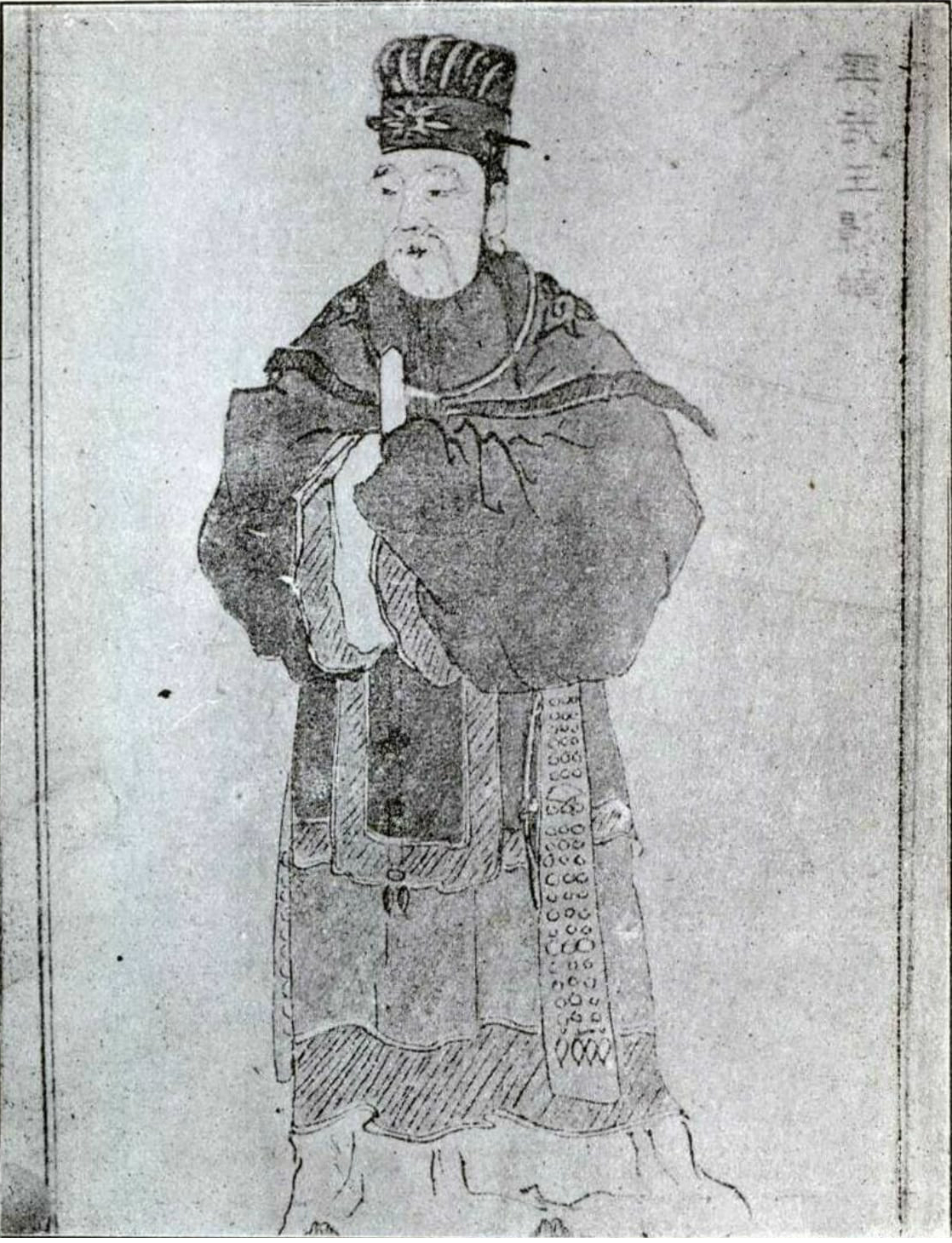
Supreme general of the ancient Korean kingdom of Silla, master of the elite Hwarang warrior code, who unified the Three Kingdoms of Korea (Silla, Baekje, and Goguryeo) in the seventh century.
Early Muslim commander who led expeditions into Byzantine Africa in the 660s AD, establishing the strategic military camp at Mount Qarn and Jalula near Kairouan before Uqba's founding.
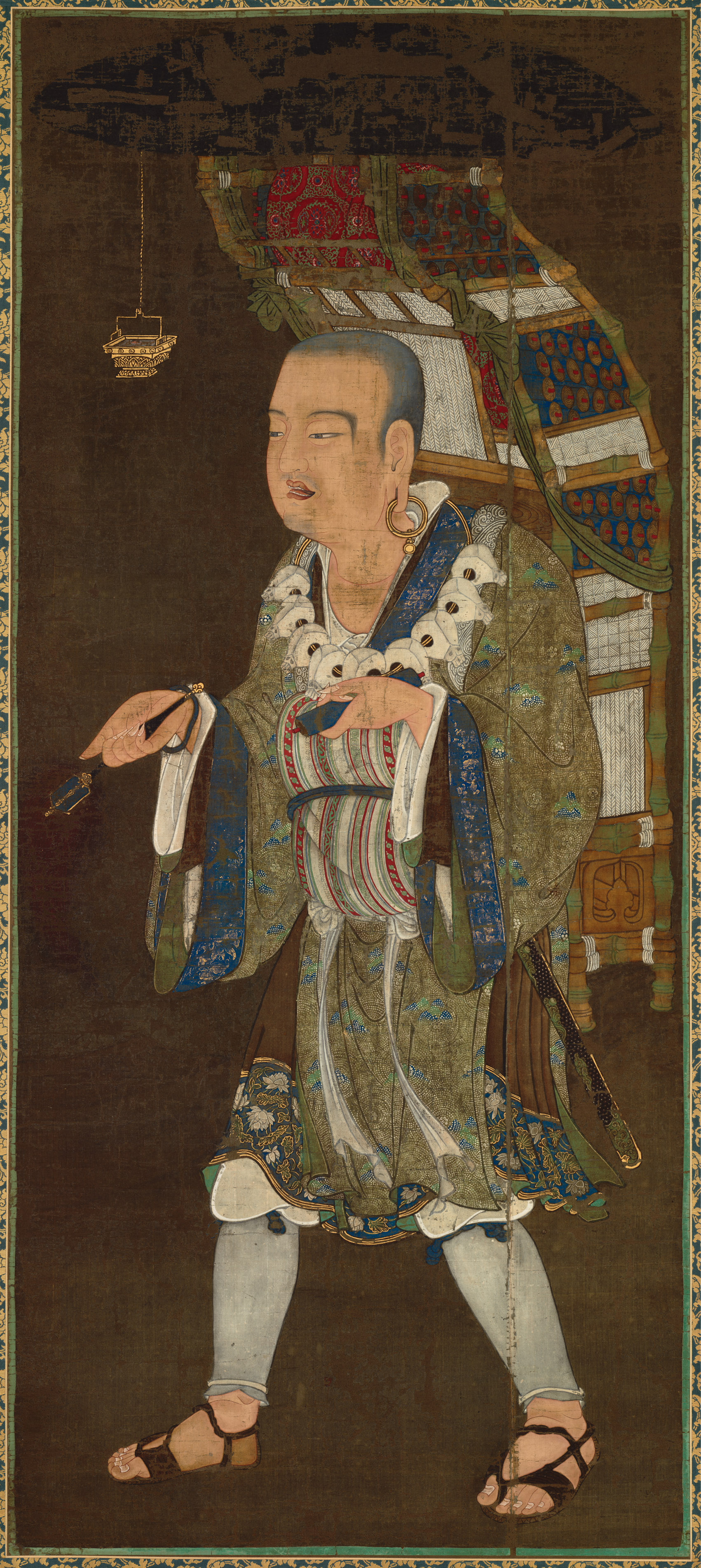
Tang Dynasty monk and explorer who made a historic 17-year pilgrimage to India, studied at Nalanda, translated 1,330 volumes into Chinese, and inspired 'Journey to the West'.
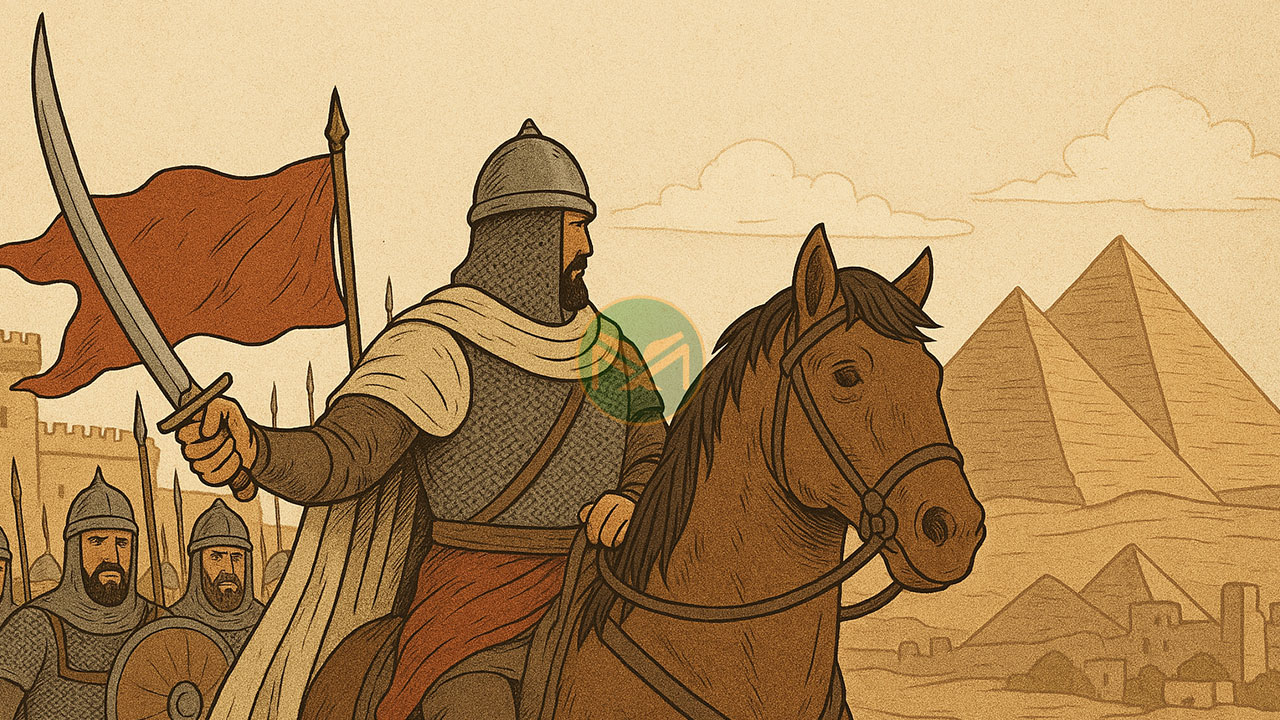
Master Arab general and statesman who led the Muslim conquest of Egypt, captured Alexandria from the Byzantine Empire, and founded Fustat (Cairo).
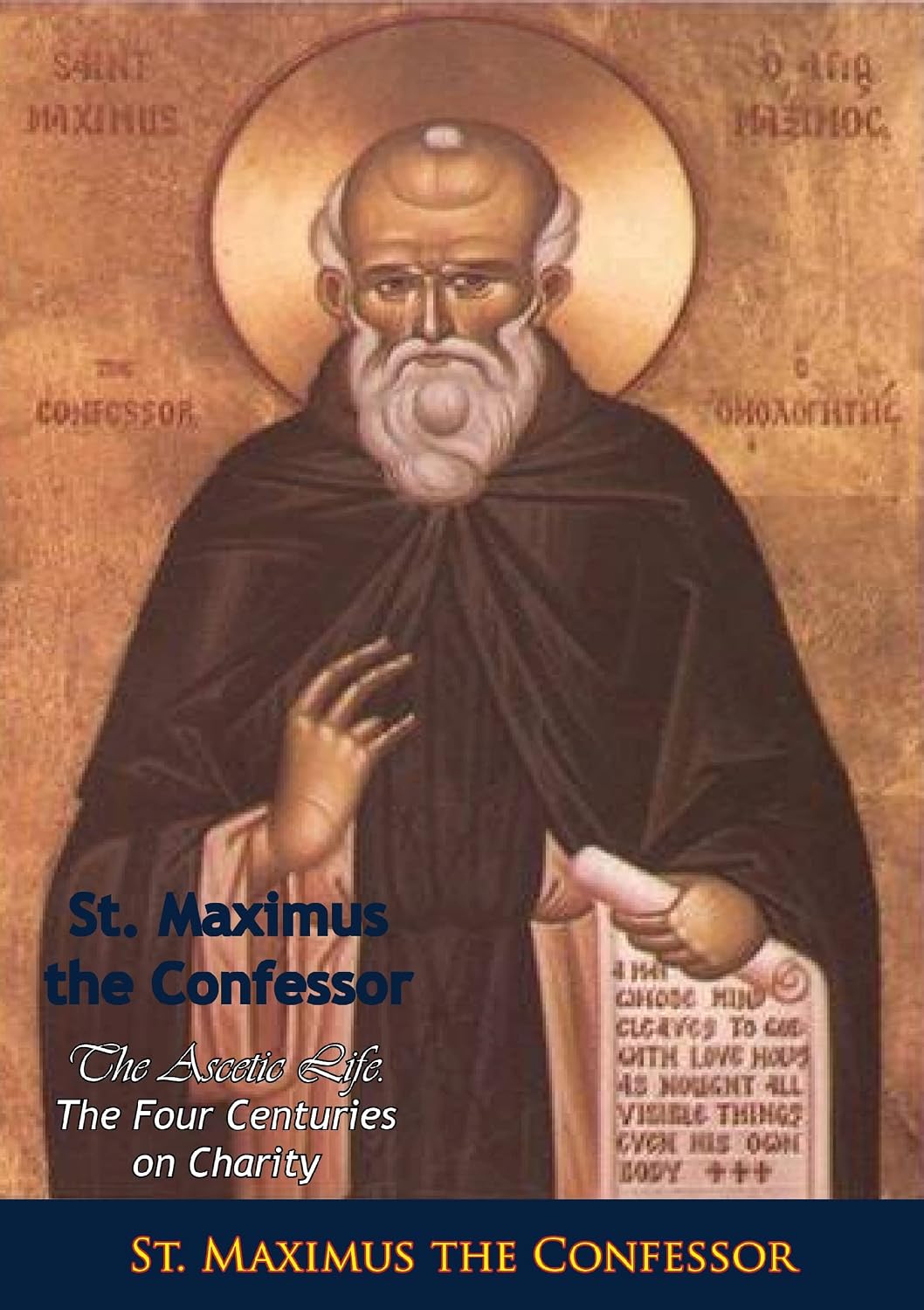
Titan of Byzantine theology who steadfastly defended Christ's two natural wills against Monothelitism, suffering the severing of his tongue and right hand for his confession.
Celebrated pre-Islamic warrior-poet whose golden ode hangs in the Mu'allaqat, who embraced Islam and lived to a centenarian age in Kufa.
Heroic general of the ancient Korean kingdom of Baekje who made a legendary last stand with 5,000 suicide troops at the Battle of Hwangsanbeol against a 50,000-man Silla army.
Peerless Buddhist epistemologist and philosopher whose 'Pramanavarttika' commentary on Dignaga became the foundational logical textbook in Tibetan monastic universities for centuries.
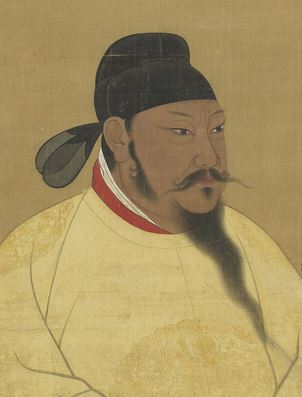
Second Emperor of the Tang Dynasty and one of China's greatest sovereigns. Inaugurated the "Reign of Zhenguan"—a golden age of domestic peace, honest governance, economic prosperity, and welcoming openness along the Silk Road.