Public Figures & Cultural Luminaries
Filterable archive covering centuries of intellectual, artistic, and moral contributions to the human story.
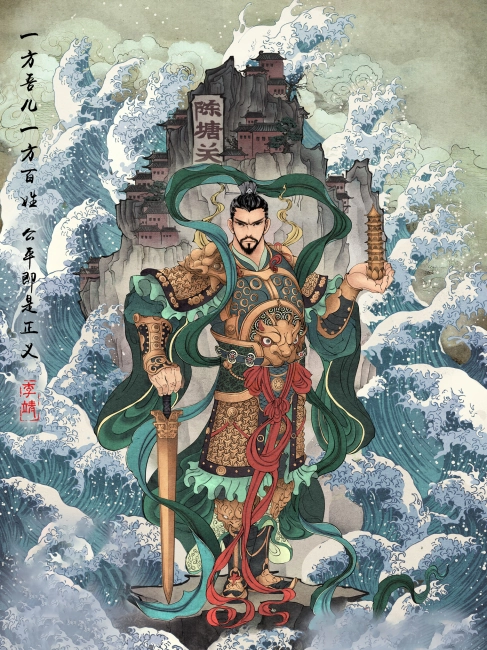
Li Jing (Duke of Weiguo)
 (李靖 / 李藥師)
Greatest general of the early Tang Dynasty whose lightning cavalry strikes pacified the southern kingdoms and crushed the Eastern Turkic Khaganate.
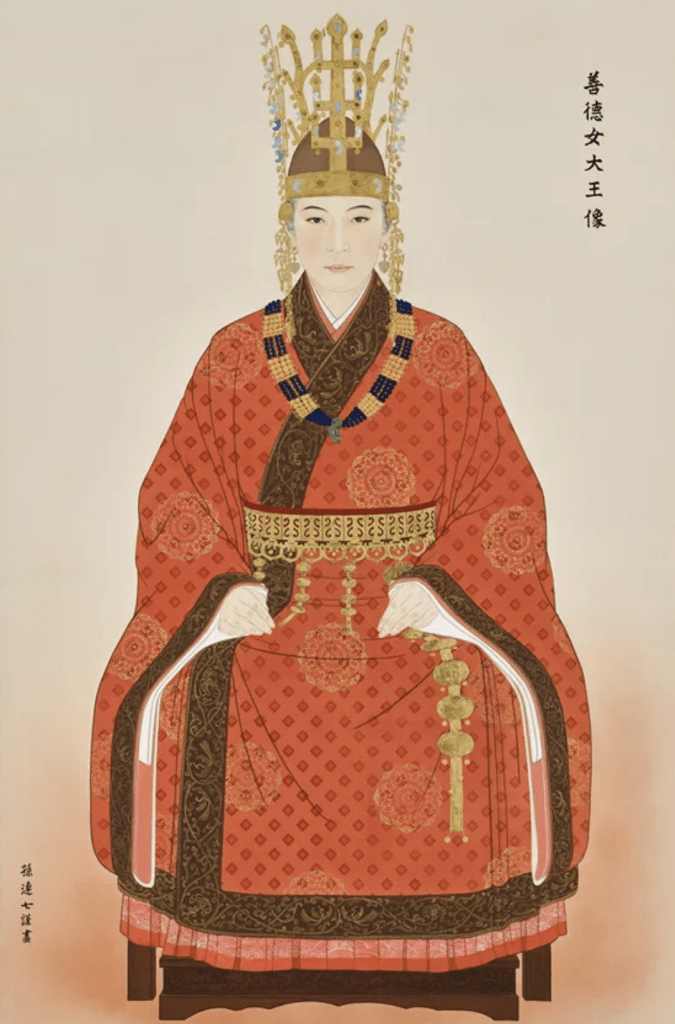
Queen Seondeok of Silla
 (선덕여왕 / 善德女王)
First reigning queen regnant of Silla whose visionary statecraft, cultural renaissance, and Tang diplomacy laid the foundations for Korean unification.
Gregory the Patrician
 (Γρηγόριος ο Πατρίκιος)
Exarch of Africa who rebelled against Emperor Constans II in 646 AD, declared himself Emperor of Africa, moved his capital to Sufetula (Sbeitla), and fell in battle against the first Arab Muslim army in 647 AD.
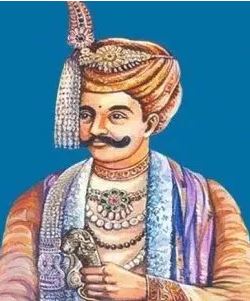
Emperor Harsha (हर्षवर्धन)
Last great pan-Indian monarch of northern classical India (606–647 CE), gifted dramatist who authored three Sanskrit plays, patron of Xuanzang and Nalanda University, who gathered 500,000 pilgrims every five years at Prayagraj to give away his entire imperial treasury.
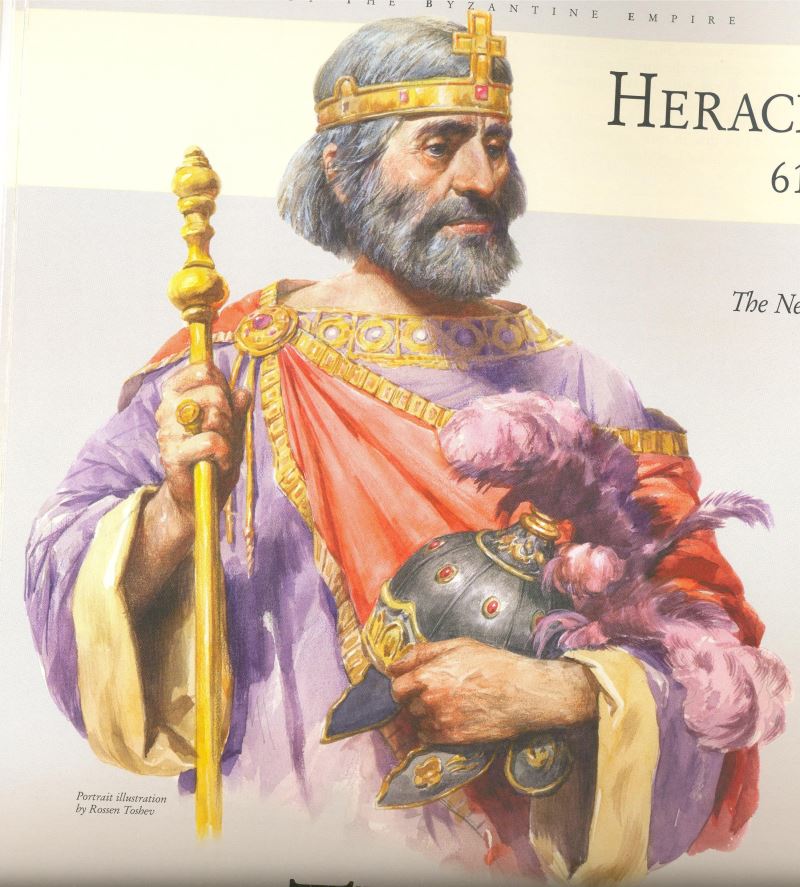
Heraclius
 (Ἡράκλειος (Flavius Heraclius Augustus))
Byzantine Emperor who saved the empire from destruction by the Sasanian Persians, recovered the True Cross, and introduced Greek as the official imperial language.
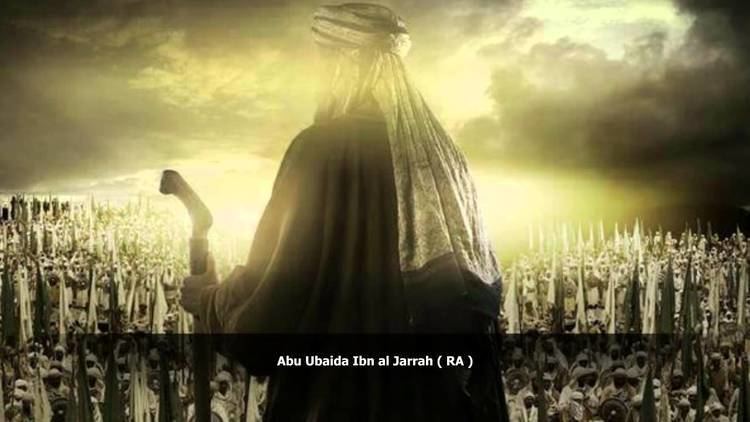
Abu Ubaidah ibn al-Jarrah
 (أبو عبيدة عامر بن الجراح)
Supreme commander of the Rashidun army in the Levant hailed as the 'Trustworthy of the Nation' (Amin al-Ummah), who captured Damascus and Jerusalem.
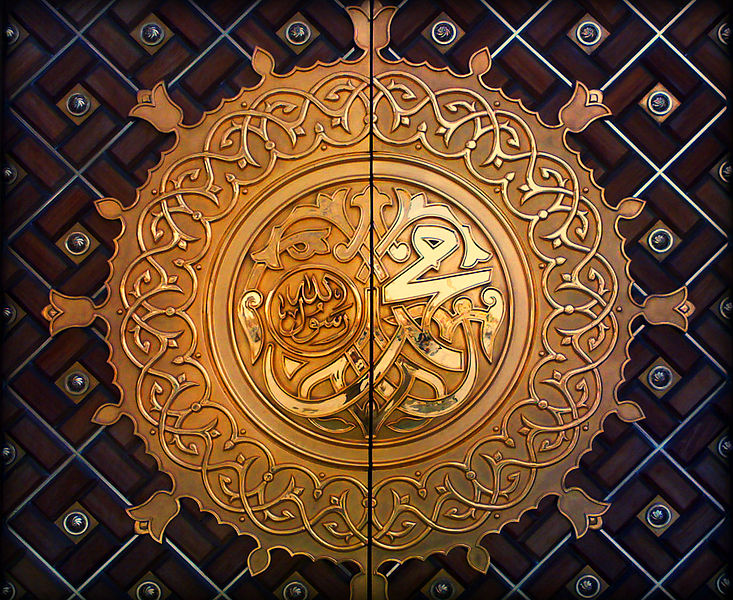
Muhammad ibn Abdullah (The Seal of the Prophets)
(مُحَمَّدٌ رَسُولُ الله ﷺ)
The foundational Prophet and Messenger of Islam who conveyed the Holy Quran. Transformed Arabia from tribal polytheism into an enduring global civilization of ethical monotheism, social justice, and knowledge.
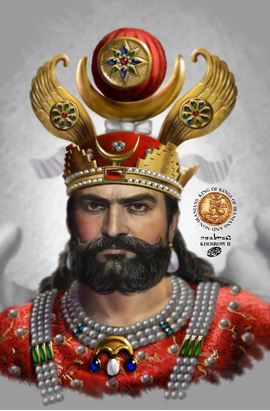
Khosrow II
 (خسرو پرویز (Khosrow the Victorious))
Last great King of Kings of the Sasanian Empire 'Parviz' (The Victorious), who conquered Syria, Palestine, Jerusalem, and Egypt from the Byzantine Empire, captured the True Cross, and presided over the golden age of Persian music, poetry, and art.
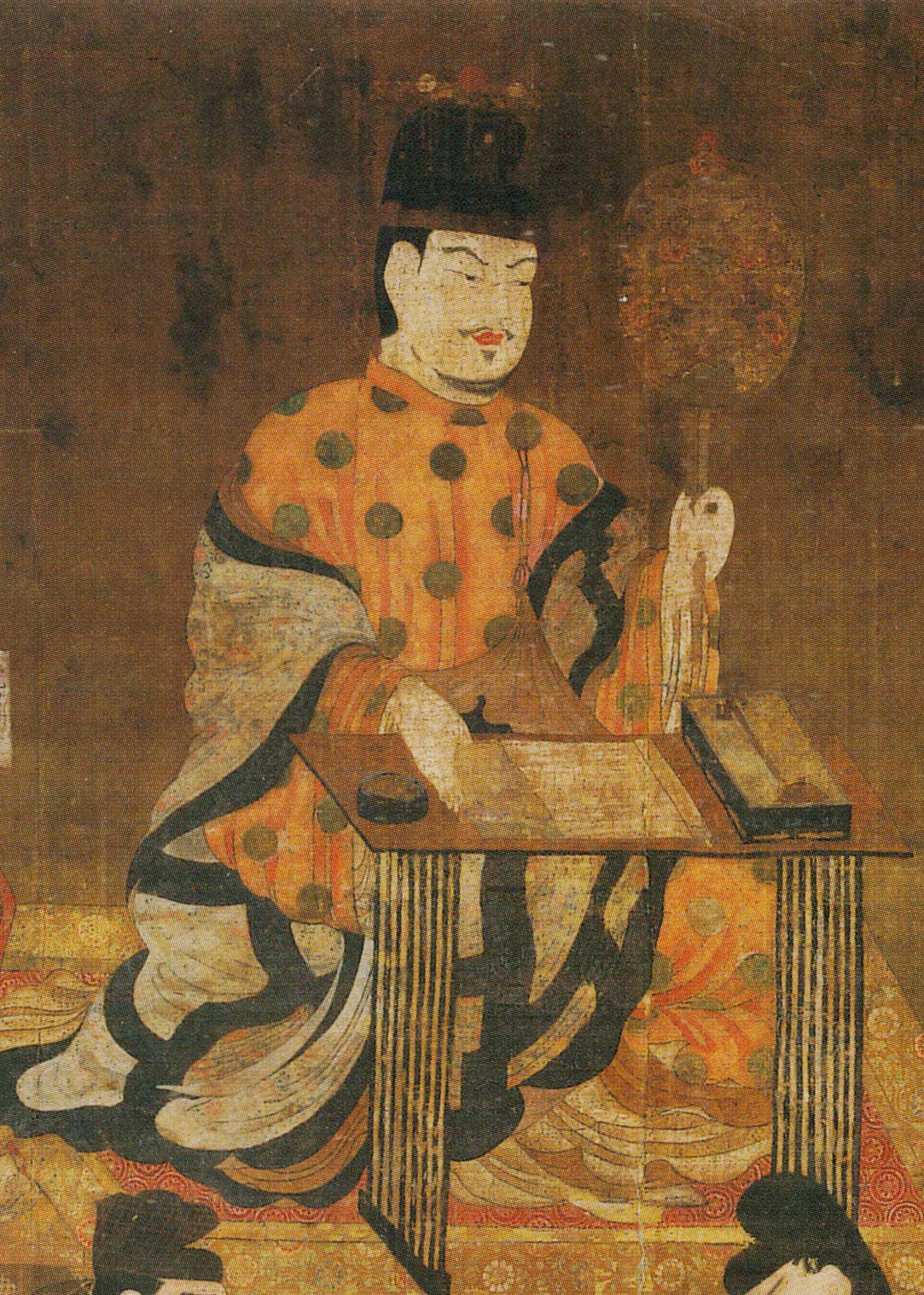
Prince Shotoku
 (聖徳太子 (厩戸皇子))
Semi-legendary regent and political reformer of Asuka-period Japan who drafted the Seventeen-Article Constitution, established the Twelve Level Cap and Rank System, and built Horyu-ji temple.
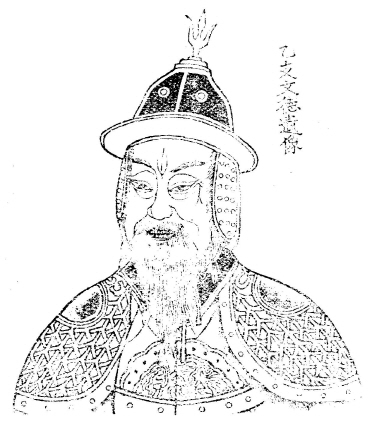
Eulji Mundeok
 (을지문덕)
Celebrated military commander of the Korean kingdom of Goguryeo who annihilated Emperor Yang of Sui's 305,000-man invasion force at the Battle of Salsu in 612 CE.
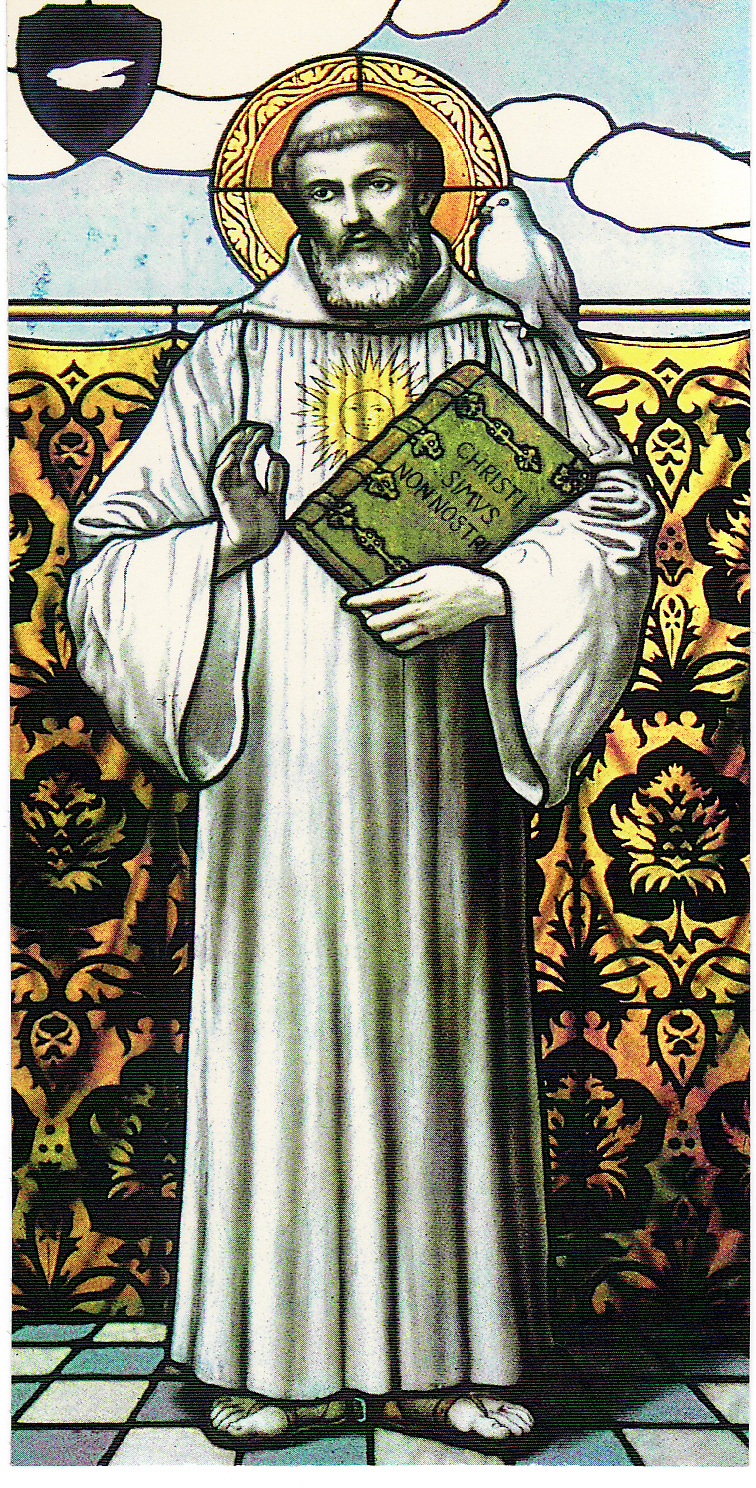
Columbanus
 (Columbanus)
Heroic Irish missionary monk who founded influential monasteries across the Frankish and Lombard kingdoms, including Luxeuil and Bobbio, revitalizing continental European spirituality.
Zuhayr ibn Abi Sulma
(زهير بن أبي سلمى)
Venerated pre-Islamic 'poet of wisdom' whose golden Mu'allaqah celebrated the peacemakers who ended the bloody forty-year War of Dahis and Ghabra.
Antarah ibn Shaddad
(عنترة بن شداد)
Supreme chivalric hero of pre-Islamic Arabia, born an enslaved outcast who won his freedom through valor, immortalized in his golden Mu'allaqah.
Gennadius of Carthage
(Γεννάδιος)
First official Exarch of Africa (591–598 AD), who combined military and civil powers into the Exarchate of Carthage under Emperor Maurice, defeating Berber tribal federations and securing prosperity.
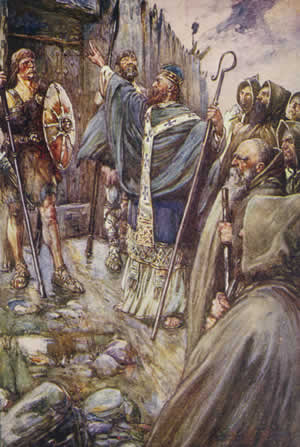
Columba of Iona
(Colm Cille)
Irish abbot and missionary who founded the legendary island monastery of Iona, converted the Picts of Scotland, and established the vibrant tradition of Celtic Christianity.
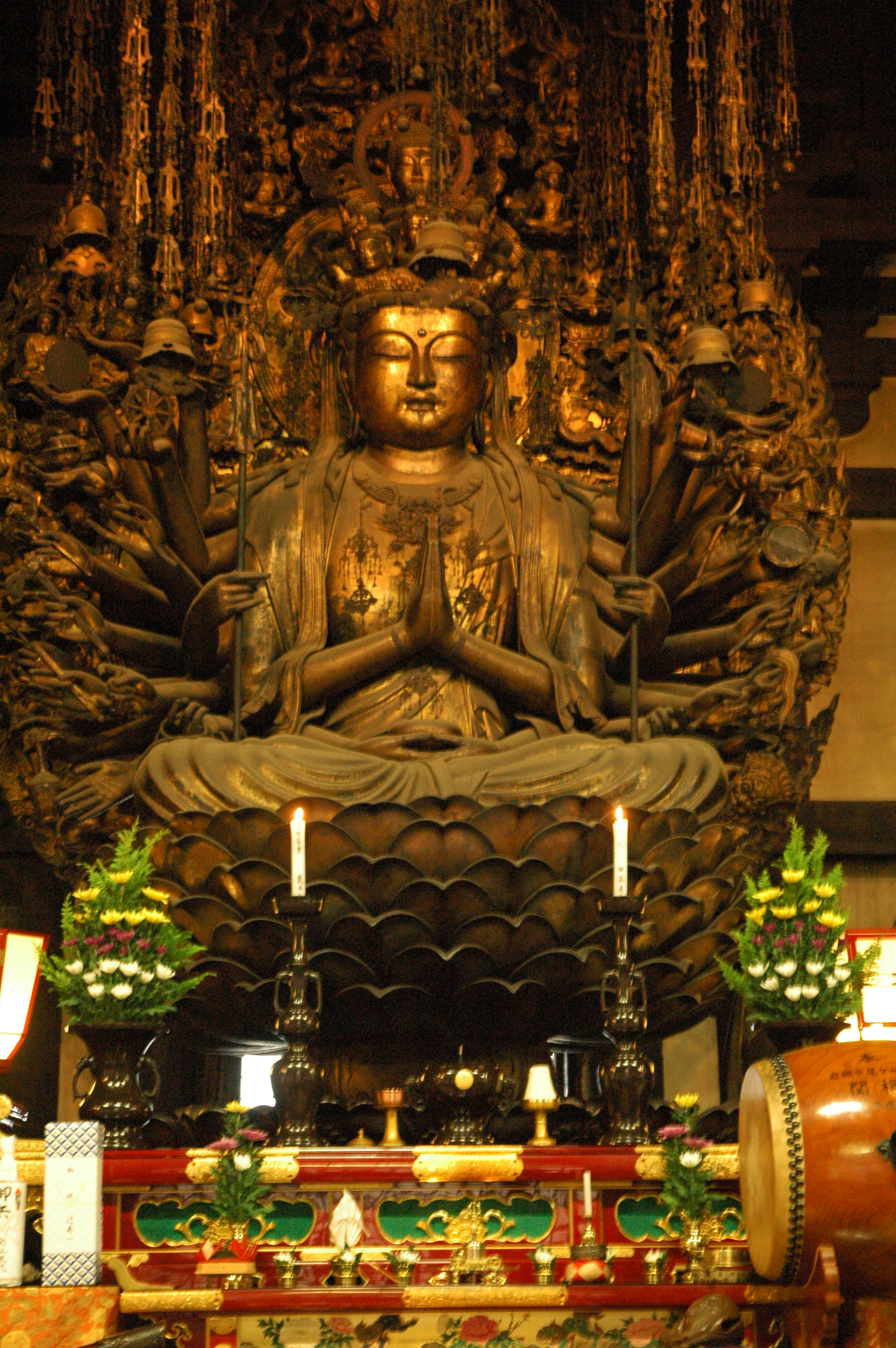
Zhiyi
(智顗)
Founder of the Tiantai school of Chinese Buddhism whose 'Mohe Zhiguan' and 'Threefold Truth' harmonized all Buddhist scriptures under the supreme vehicle of the Lotus Sutra.
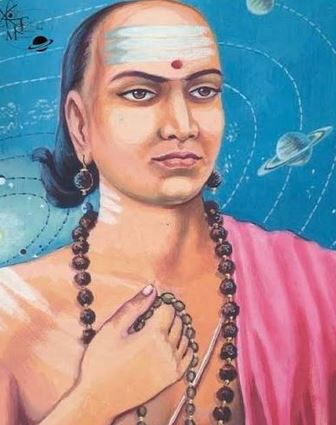
Varahamihira
 (वराहमिहिर)
One of the 'Nine Jewels' (Navaratnas) of King Yashodharman's court, who compiled the Panchasiddhantika and Brihat Samhita, pioneering trigonometry, hydrology, and optics.
Amr ibn Kulthum
 (عمرو بن كلثوم)
Chivalric chieftain of the Taghlib tribe whose fiercely proud Mu'allaqah celebrates tribal honor, defiance of kings, and battle victory.