 Hejaz (Saudi Arabia)
•
2 views
Hejaz (Saudi Arabia)
•
2 views
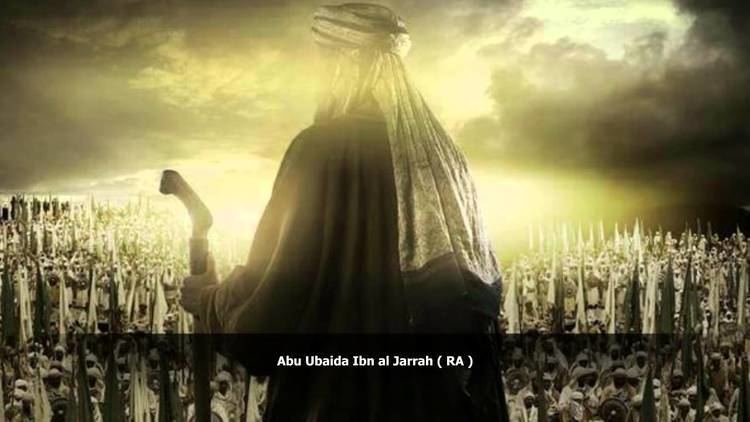
Abu Ubaidah ibn al-Jarrah

Mecca, Hejaz (Saudi Arabia)
Archival Overview
Supreme commander of the Rashidun army in the Levant hailed as the 'Trustworthy of the Nation' (Amin al-Ummah), who captured Damascus and Jerusalem.
Biographical Record
Abu Ubaidah Amir ibn Abdillah ibn al-Jarrah (c. 583–639 AD) was one of the foremost companions of Prophet Muhammad, one of the ten promised Paradise, and titled Amin al-Ummah ('The Trustworthy of the Muslim Nation'). Appointed supreme commander of the Muslim armies in the Levant by Caliph Umar ibn al-Khattab, Abu Ubaidah was renowned for his profound humility, moral integrity, and collaborative tactical partnership with field commander Khalid ibn al-Walid.
Abu Ubaidah oversaw the conquest of the Byzantine Levant, capturing Damascus in 634 AD and Emesa (Homs) in 635 AD. At the Battle of Yarmouk in 636 AD, he presided over the annihilation of Emperor Heraclius's imperial army, sealing the fate of Byzantine rule in Syria. In 637 AD, he accepted the surrender of Jerusalem alongside Caliph Umar. When the catastrophic Plague of Amwas struck in 639 AD, he refused Caliph Umar's personal summons to flee to safety, choosing to remain and die among his troops.
Key Life Milestones
Decisive Collapse of Byzantine Syria
Presided as supreme commander alongside Khalid ibn al-Walid over the destruction of the Byzantine imperial army along the Yarmouk River.
Peaceful Handover of the Holy City
Conducted the siege of Jerusalem and negotiated its peaceful submission with Patriarch Sophronius, inviting Caliph Umar to receive the keys.
Memorial Guestbook & Tributes
0 messages recordedLeave a Respectful Tribute
Final Resting Place
Perpetual MemorialDeir Alla (Jordan Valley), Jordan