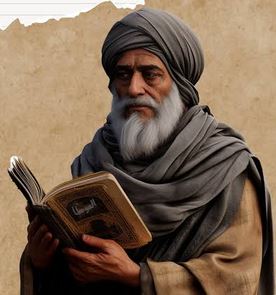
Ali Ben Ziyad
Foremost 8th-century jurist of Tunis who traveled to Medina to study directly with Imam Malik ibn Anas, introducing the Muwatta and the Maliki school of law to North Africa.
Start typing to search worldwide archives and community tributes
Filterable archive covering centuries of intellectual, artistic, and moral contributions to the human story.
Foremost 8th-century jurist of Tunis who traveled to Medina to study directly with Imam Malik ibn Anas, introducing the Muwatta and the Maliki school of law to North Africa.
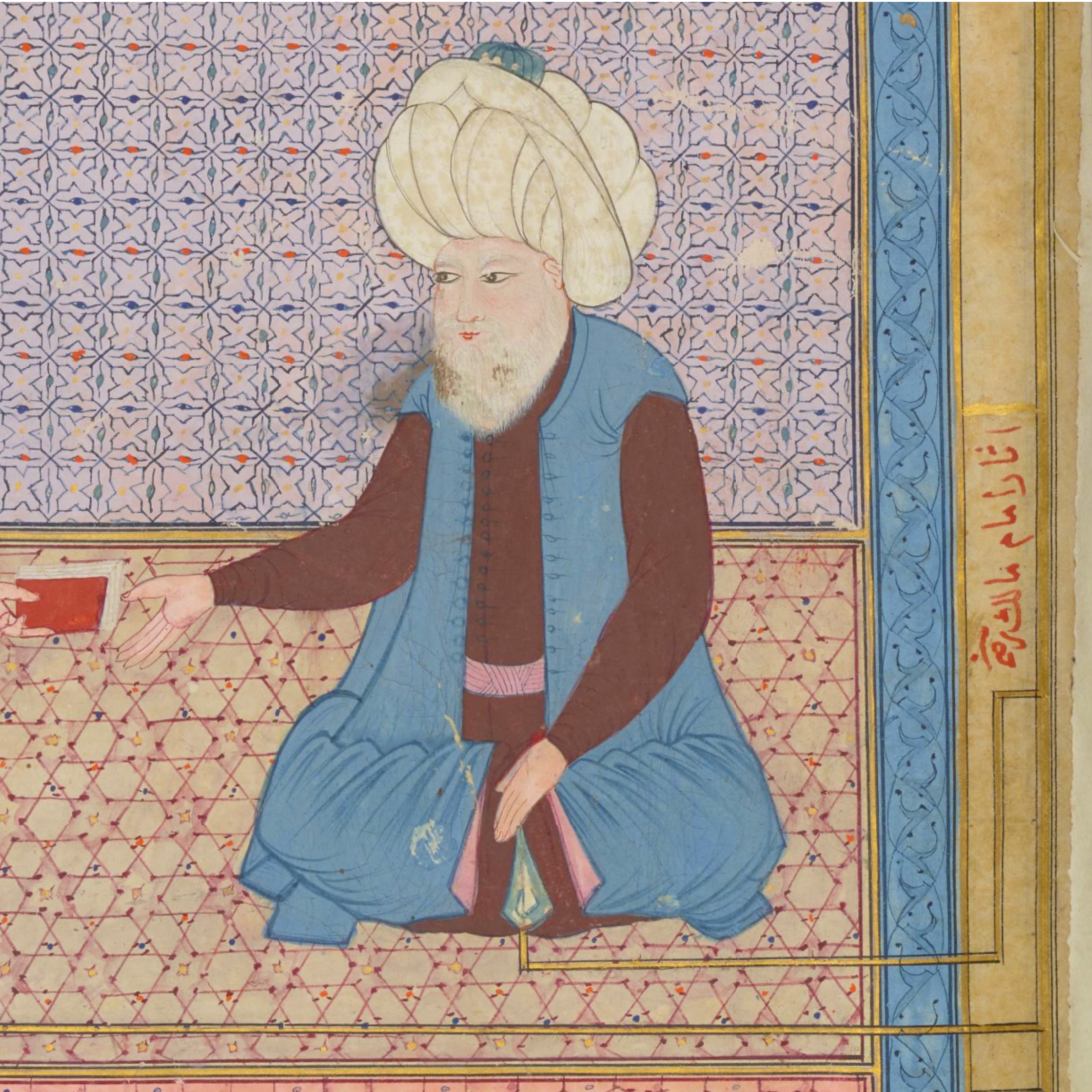
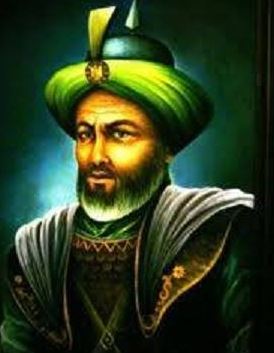
Persian scholar from Shiraz universally revered as the 'father of Arabic grammar', author of 'Al-Kitab', the first systematic Arabic grammatical treatise.
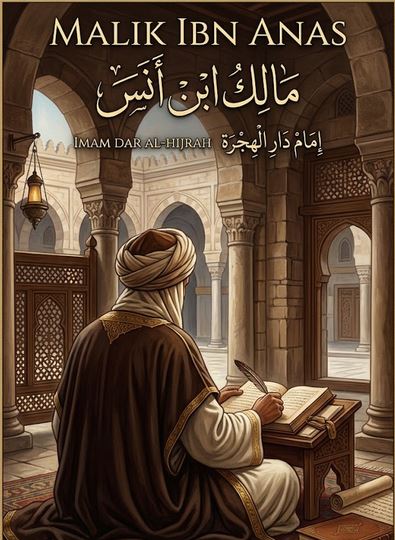
Revered as the 'Imam of Medina' (Imam Dar al-Hijrah), author of the 'Muwatta' (the earliest surviving book of Islamic law) and founder of the Maliki school.
Venerated as the "Imam of the Abode of Emigration" (Medina). Compiled the Muwattaโhumanity's earliest extant Islamic legal and Hadith corpusโand founded the Maliki school based on the living communal practice (Amal) of Medina.
Supreme 8th-century Islamic jurist and hadith master of Egypt, praised by Imam al-Shafi'i as a greater legal mind than Malik ibn Anas, famed for his vast wealth spent entirely on public philanthropy.
Great-grandson of Prophet Muhammad through Ali and Fatima, who fled Abbasid persecution, was welcomed by the Awraba Berbers at Volubilis, and founded the Idrisid Dynasty, establishing the first sovereign Moroccan Islamic state.
Supreme 8th-century Islamic jurist and hadith master of Egypt whose legal erudition was praised by Imam al-Shafi'i as surpassing that of Imam Malik, renowned for his staggering personal philanthropy.
Abbasid governor who governed Ifriqiya for fifteen years (772โ787 AD) with unmatched generosity and peace, completely rebuilding the Great Mosque of Kairouan and organizing the souks.
Pioneering Omani-Iraqi polymath who compiled 'Kitab al-Ayn', the first Arabic dictionary, and single-handedly discovered and codified the sixteen meters of Arabic poetry.
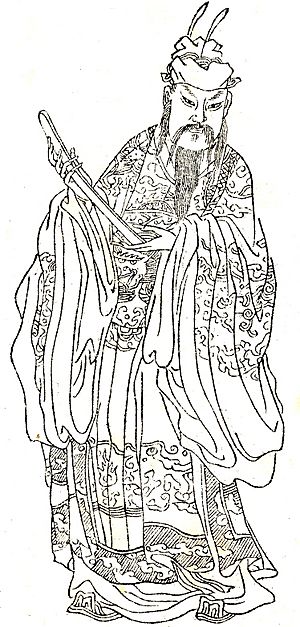
Legendary Tang dynasty general and Prince of Fenyang who quelled the catastrophic An Lushan Rebellion, recaptured both capitals, and preserved the Tang Empire.
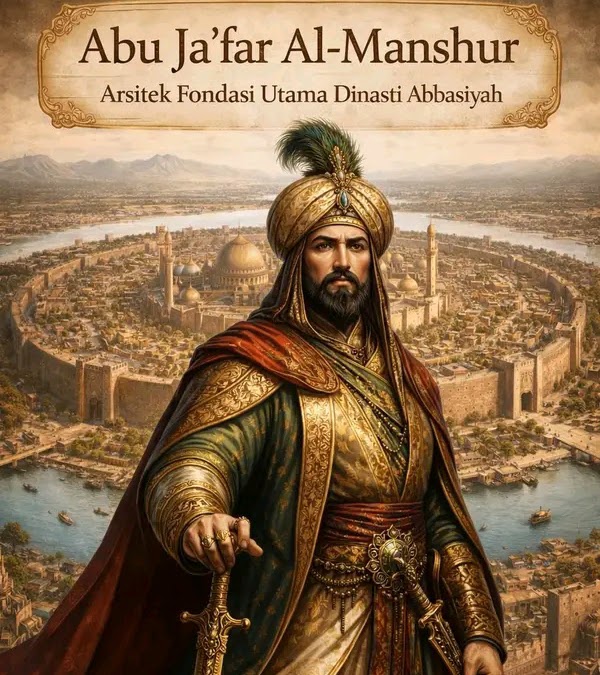
Second Abbasid Caliph and true founder of the empire, visionary planner who founded the legendary Round City of Baghdad in 762.
Second Abbasid Caliph and true founder of the Abbasid Caliphate who designed and founded the legendary Round City of Baghdad in 762 CE.
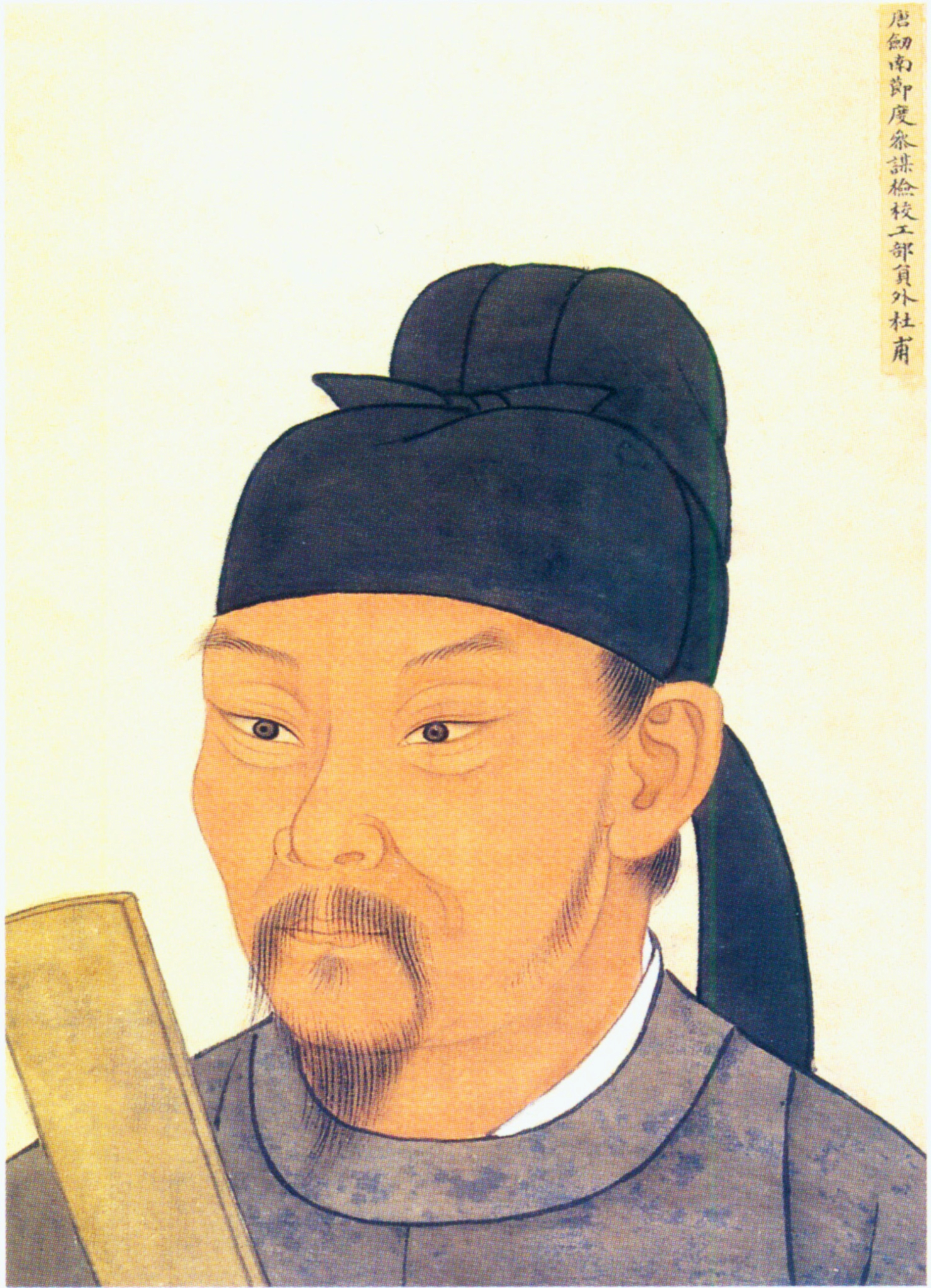
Tang dynasty literary titan (712โ770), honored as the 'Poet-Historian' and 'Poet-Sage' (Shisheng), whose profound verse chronicled the devastating An Lushan Rebellion and gave voice to ordinary human suffering.
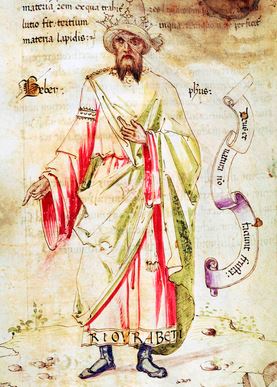
The "Great Imam" whose juridical methodology created the Hanafi schoolโthe most widely followed legal school in Islamic history. Championed juristic preference (Istihsan), human equity, and commercial integrity in Kufa.
Sixth Imam of the Ahl al-Bayt celebrated as "Al-Sadiq" (The Truthful). Formulated Ja'fari jurisprudence and presided over an unprecedented academic circle in Medina that educated foremost jurists and pioneers of chemistry.
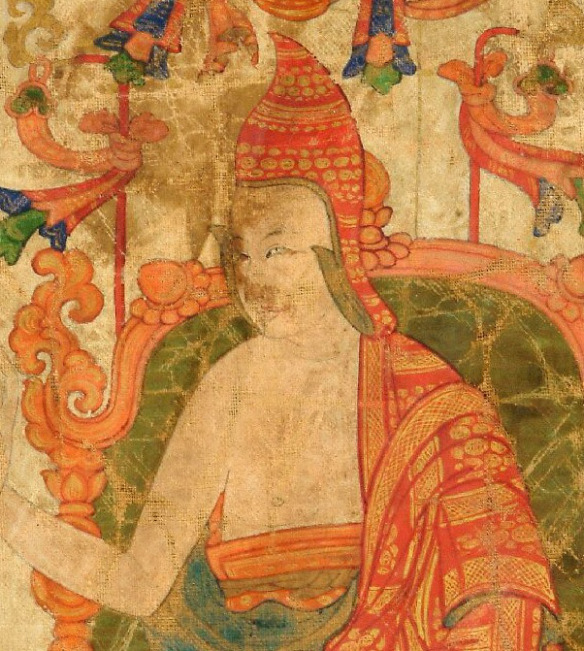
Nalanda monk and Bodhisattva whose 'Bodhicaryavatara' (The Way of the Bodhisattva) is the supreme poetic masterpiece on generating Bodhicitta and exchanging self for others.
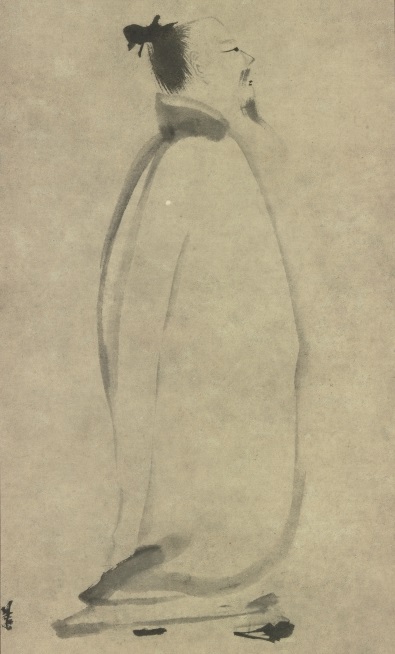
Tang dynasty genius poet (701โ762), revered as the 'Poet Immortal' (Shixian), whose romantic lyricism, effortless grace, and boundless imagination produced over a thousand immortal poems celebrated across the world.
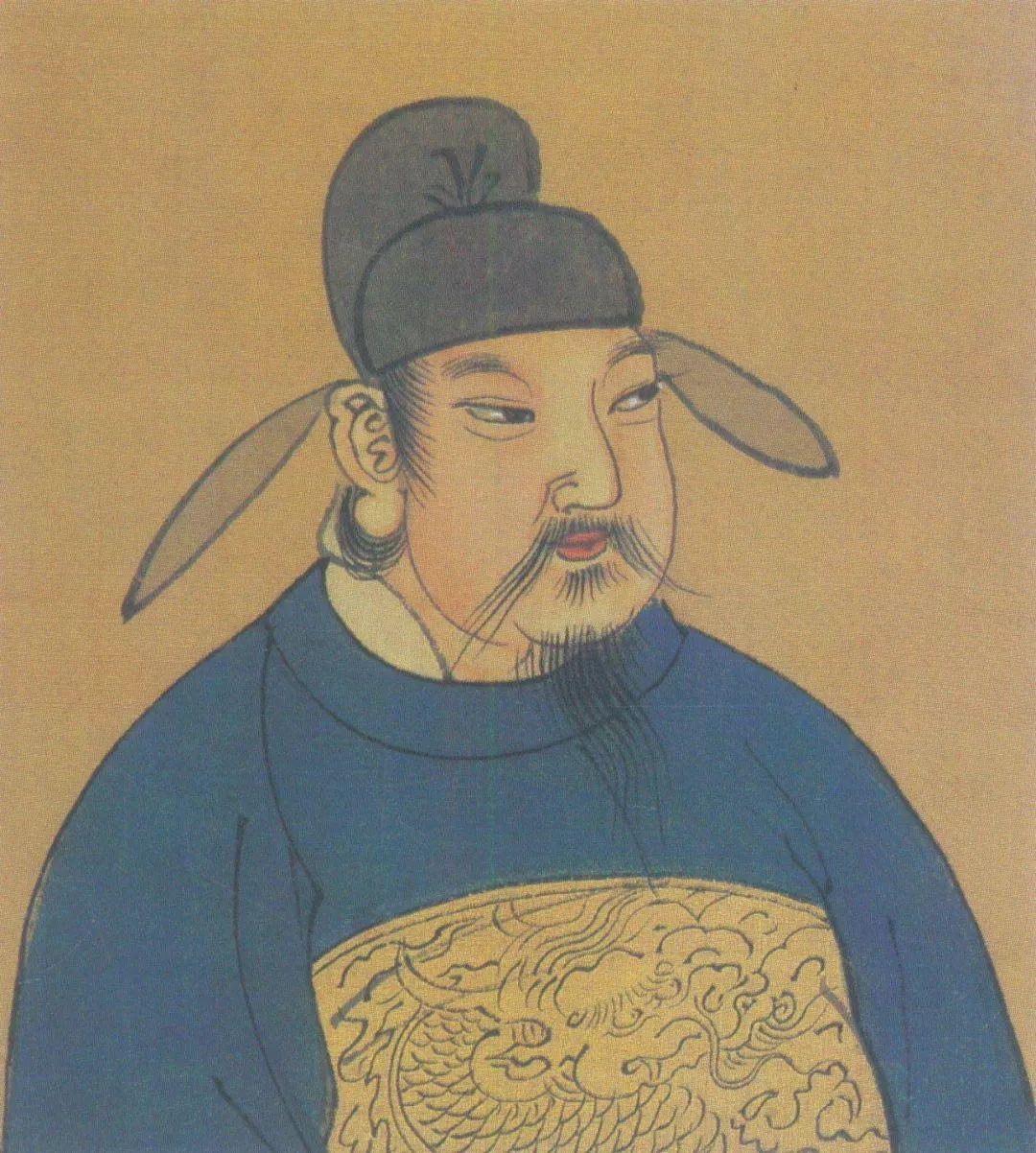
Longest-reigning emperor of the Tang Dynasty whose Kaiyuan Era marked the pinnacle of Chinese classical poetry, painting, and opera, tragically shattered by the An Lushan Rebellion.