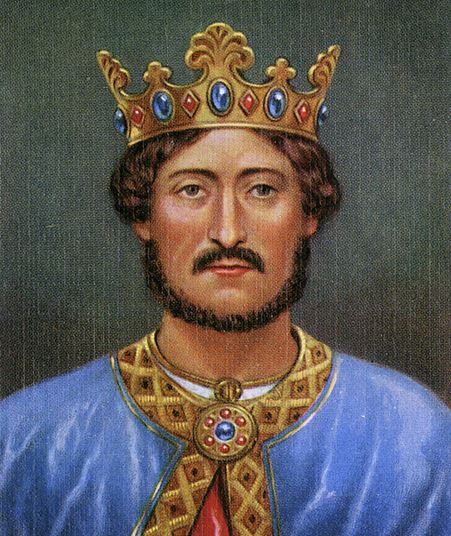
Baldwin I of Constantinople
Count of Flanders and Hainaut who was crowned the first Emperor of the Latin Empire of Constantinople in 1204 following the Fourth Crusade.
Start typing to search worldwide archives and community tributes
Filterable archive covering centuries of intellectual, artistic, and moral contributions to the human story.
Count of Flanders and Hainaut who was crowned the first Emperor of the Latin Empire of Constantinople in 1204 following the Fourth Crusade.
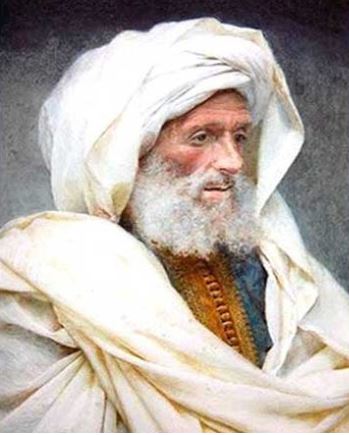
Distinguished Almohad governor and military commander of the Hintata nobility, instrumental in maintaining administrative stability across central Morocco under Caliph al-Mansur.
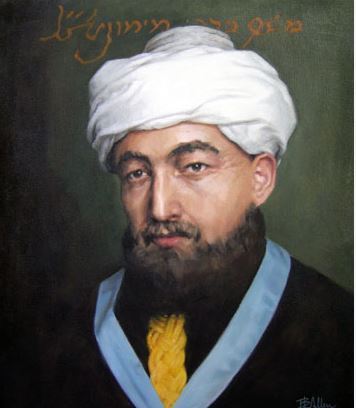
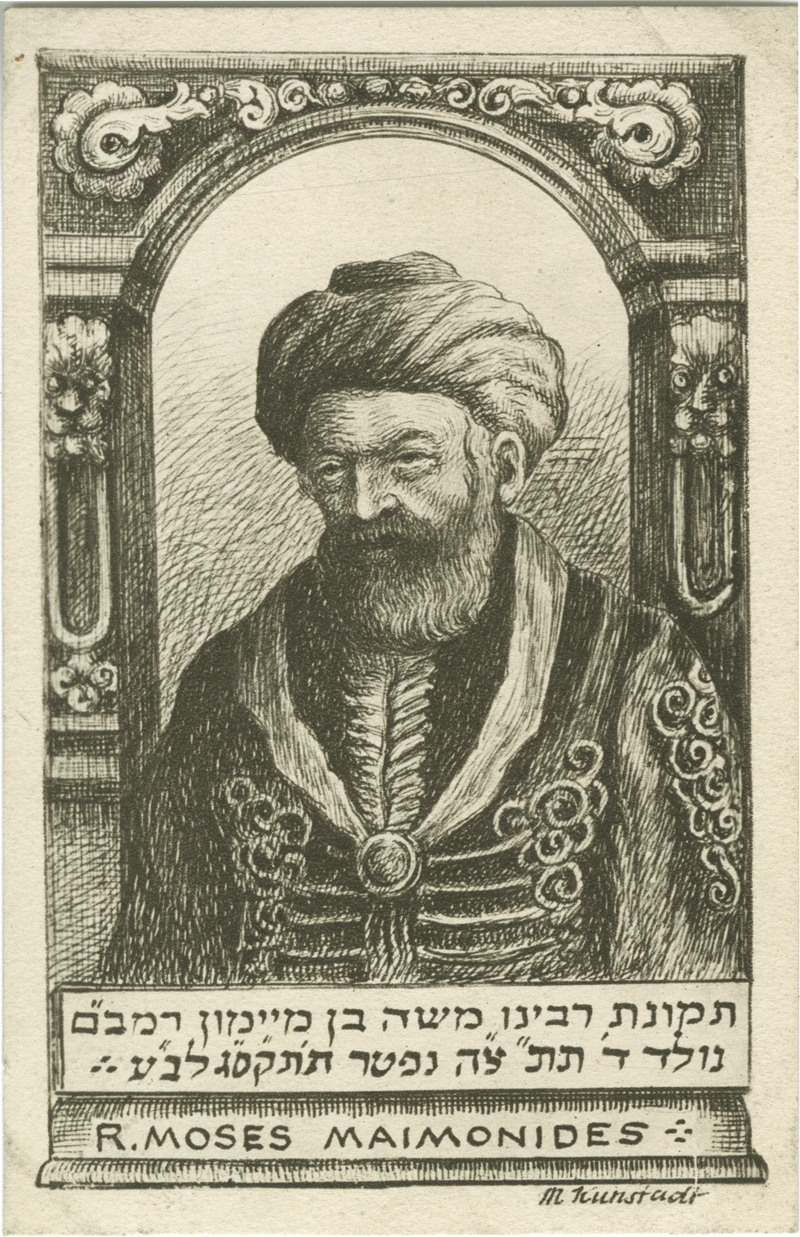
Jewish philosopher, jurist, and physician universally revered as the Rambam, who reconciled Aristotelian philosophy with biblical revelation in The Guide for the Perplexed and codified Jewish law in the Mishneh Torah.
Paramount Jewish philosopher, legal codifier, and polymath. Authored the Mishneh Torahโthe first systematic codification of Jewish lawโand The Guide for the Perplexed, harmonizing Torah revelation with Aristotelian rationalism.
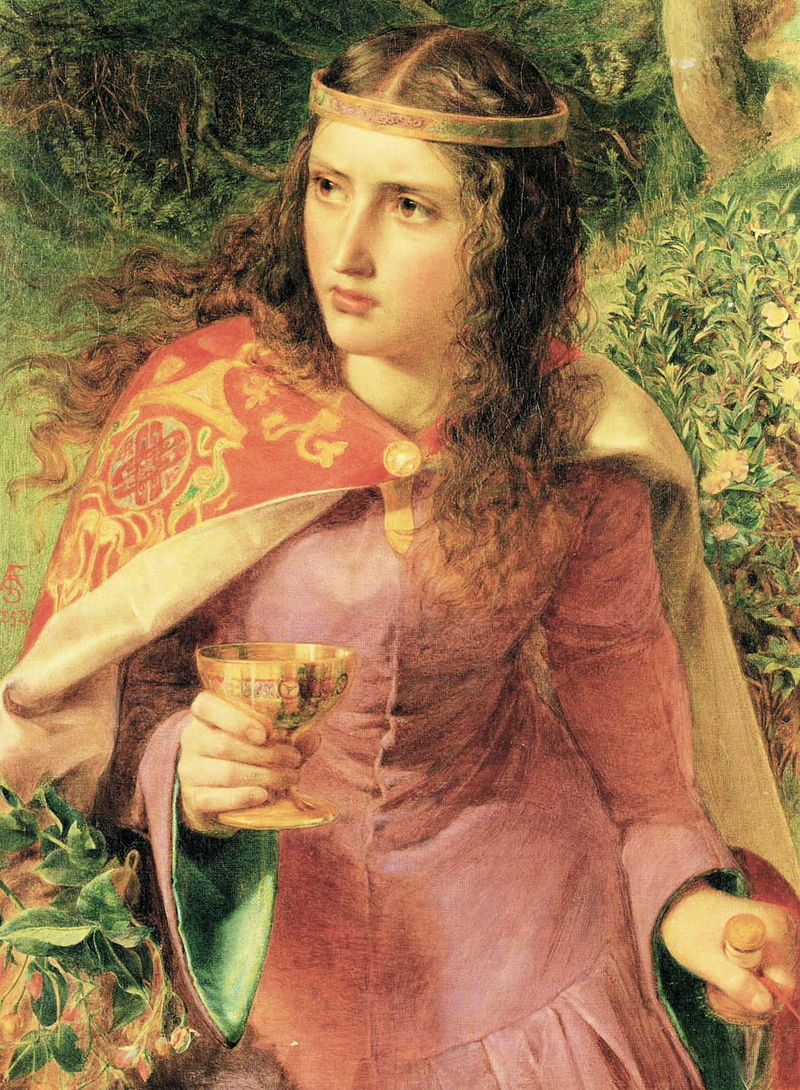
One of the wealthiest and most powerful women of the High Middle Ages, successively Queen of France and Queen of England.
The supreme patron saint of Marrakech among the Seven Saints, whose mystical philosophy centered entirely on radical charity, feeding the poor, and social solidarity.
Revered Sufi master from Ceuta who settled in Marrakech under the Almohad caliphs, formulated the famous spiritual philosophy of charity, and became the paramount patron saint among the Seven Saints of Marrakech.
Prolific 12th-century Baghdad scholar, orator, and polymath whose sermons drew tens of thousands and who authored over three hundred works.
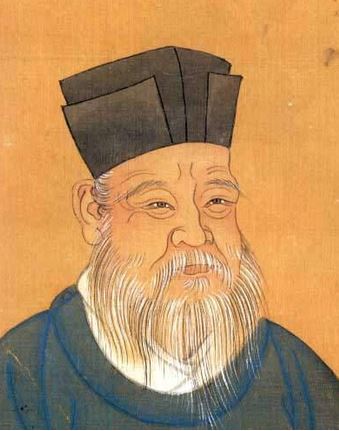
Preeminent thinker of Neo-Confucianism who unified the Four Books into the canonical civil examination curriculum and synthesized cosmology through Principle (Li) and Vital Energy (Qi).
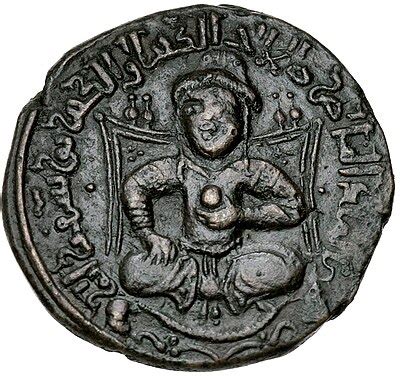
Supreme Grand Vizier and diplomatic master of Cairo whose exquisite Arabic epistolary prose directed Saladin's empire, celebrated by Saladin: 'Do not think I conquered the realms by my swords, but by the pen of al-Qadi al-Fadil.'
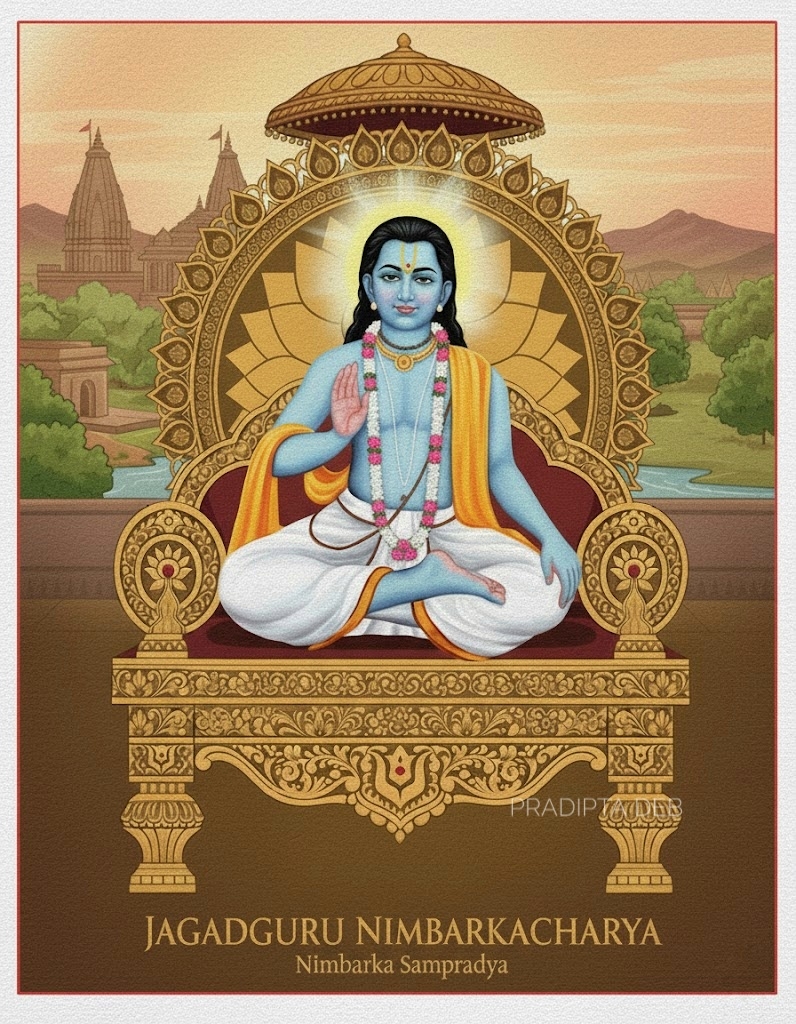
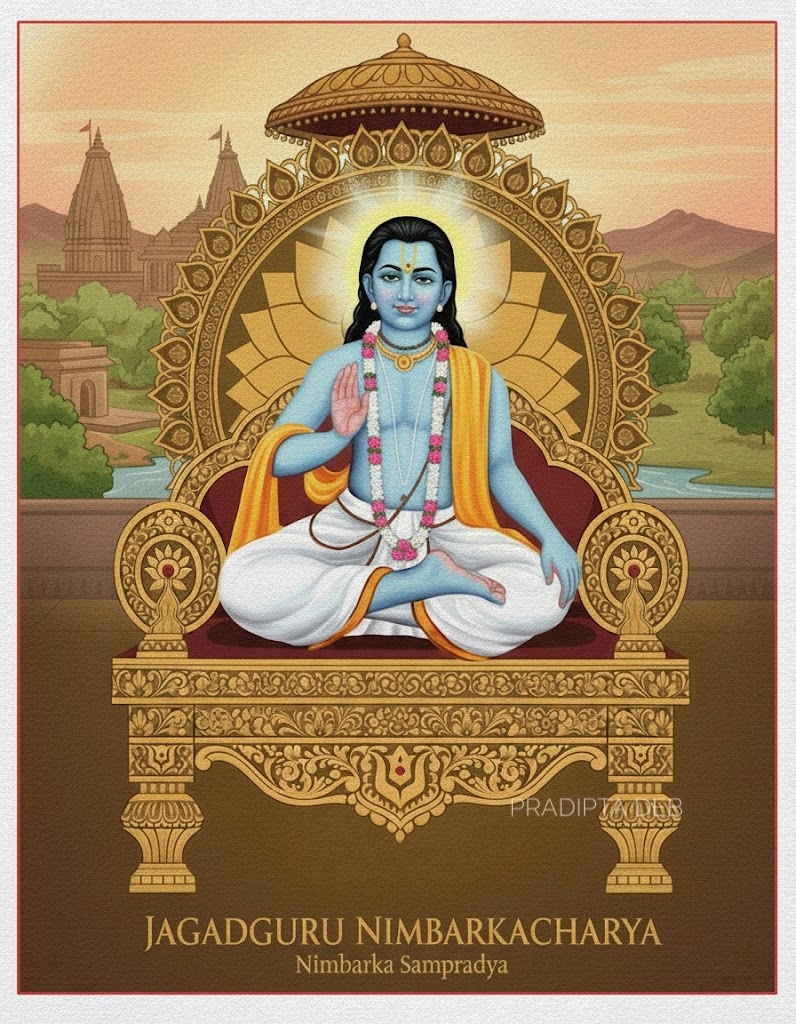
Vaishnava philosopher-saint who founded Dvaitadvaita (Dualistic Non-Dualism) Vedanta, author of the 'Vedanta Parijata Saurabha', who established the worship of Radha and Krishna as the divine source of grace.
Foundational Hindu philosopher who established the Dvaitadvaita (Dualistic Non-dualism) school of Vedanta and pioneered the joint worship of Radha and Krishna.
King of England and paramount chivalric commander of medieval Europe. Led the Third Crusade, capturing Acre and defeating Saladin at Arsuf and Jaffa, becoming an enduring literary archetype of knightly valor and courage.
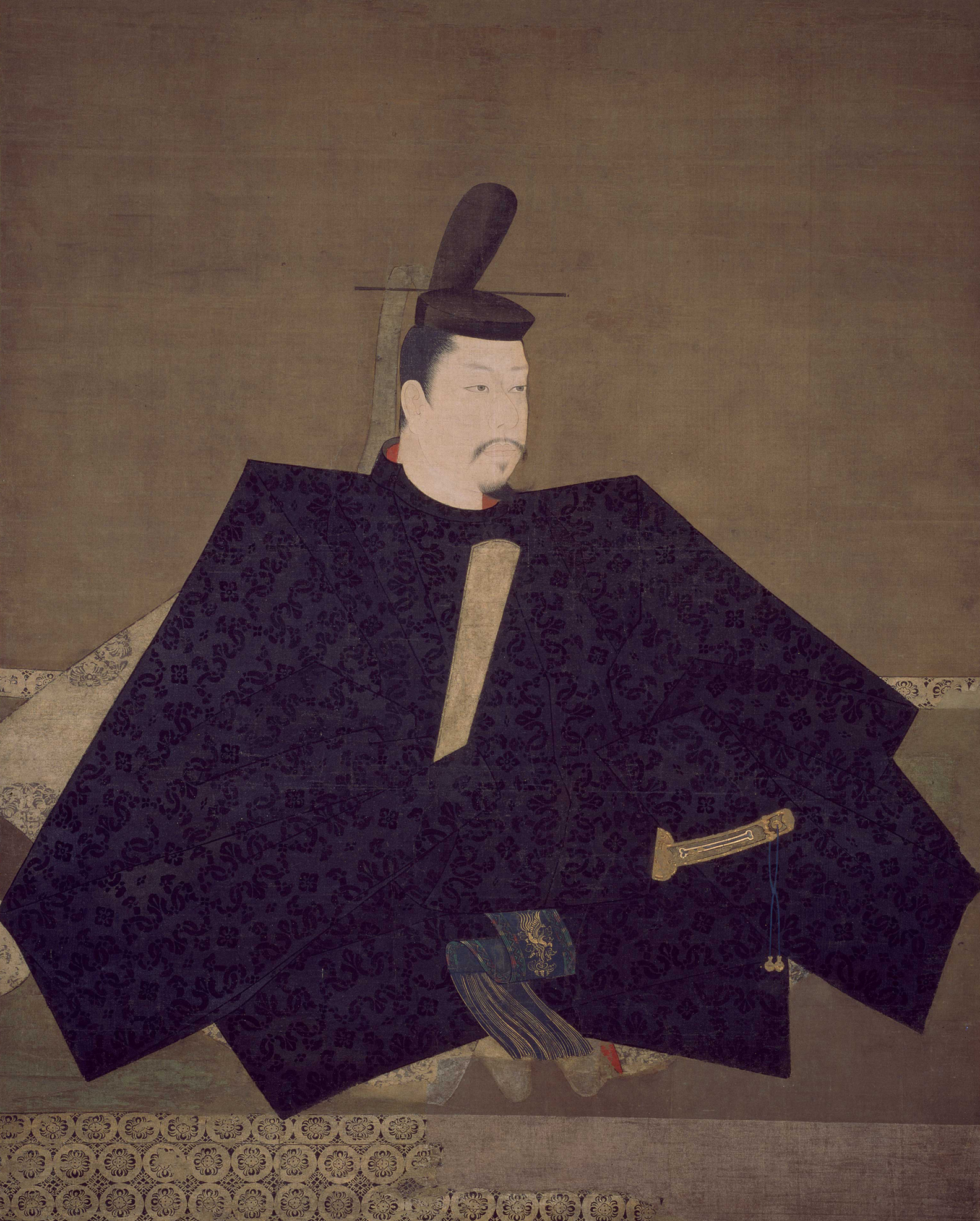
Founder and first Shogun of the Kamakura Shogunate, who defeated the Taira clan in the Genpei War and established warrior (bushi) feudal military rule in Japan for seven centuries.
Almohad Caliph known as 'Al-Mansur' (The Victorious), who crushed King Alfonso VIII of Castile at the epic Battle of Alarcos in 1195 and completed the architectural masterpieces of the Koutoubia, the Giralda, and the Hassan Tower.
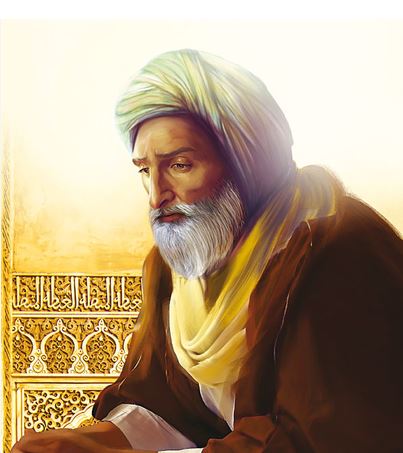
Master philosopher and jurist of Islamic Spain whose profound commentaries on Aristotle and defense of rational inquiry (Fasl al-Maqal) catalyzed the European Renaissance.
Supreme master of Maghrebi Sufism venerated as 'Shaykh al-Shuyukh', who lived in Bรฉjaรฏa, fought alongside Saladin at the Siege of Jerusalem in 1187, and became the revered patron saint of Tlemcen.
Son of Caliph Abd al-Mu'min and long-serving Almohad viceroy of Granada and Cordoba, celebrated for fostering Islamic philosophy, poetry, and monumental architecture.