 Tunisia
•
12 views
Tunisia
•
12 views
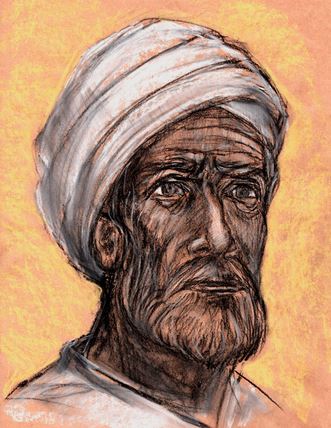
Ibn Khaldun (Wali al-Din Abd al-Rahman)

Tunis, Tunisia
Archival Overview
Father of historiography, sociology, and political economy whose Muqaddimah uncovered the laws governing social cohesion (Asabiyyah) and the cyclical rise and fall of civilizations.
Biographical Record
Ibn Khaldun (1332–1406 CE), born in Tunis to an aristocratic Andalusian family, served as minister and diplomat across North Africa and Spain before retiring to the fortress of Qal'at Ibn Salama. There, in five months of intense intellectual inspiration, he composed the Muqaddimah (Introduction to History).
His groundbreaking work established history as a rigorous social science (*ilm al-umran*). He identified social cohesion (*asabiyyah*) as the driving engine that enables nomadic tribes to conquer established dynasties, only for urban luxury, bureaucracy, and moral decay to erode that cohesion over a predictable cycle of three to four generations.
Key Life Milestones
Composition of the 'Muqaddimah'
Authored his magnum opus at the fortress of Ibn Salama, establishing the foundational principles of modern sociology.
Historic Meeting with Tamerlane
Lowered by ropes from the walls of besieged Damascus to conduct a historic seven-week intellectual summit with conqueror Tamerlane.
Memorial Guestbook & Tributes
0 messages recordedLeave a Respectful Tribute
Final Resting Place
Perpetual MemorialCairo, Egypt