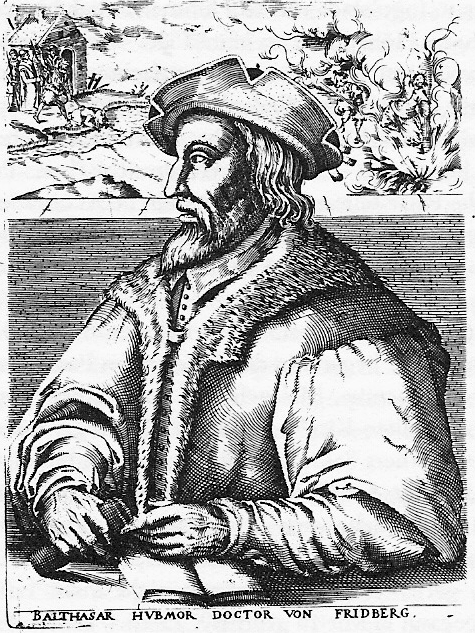
Balthasar Hubmaier
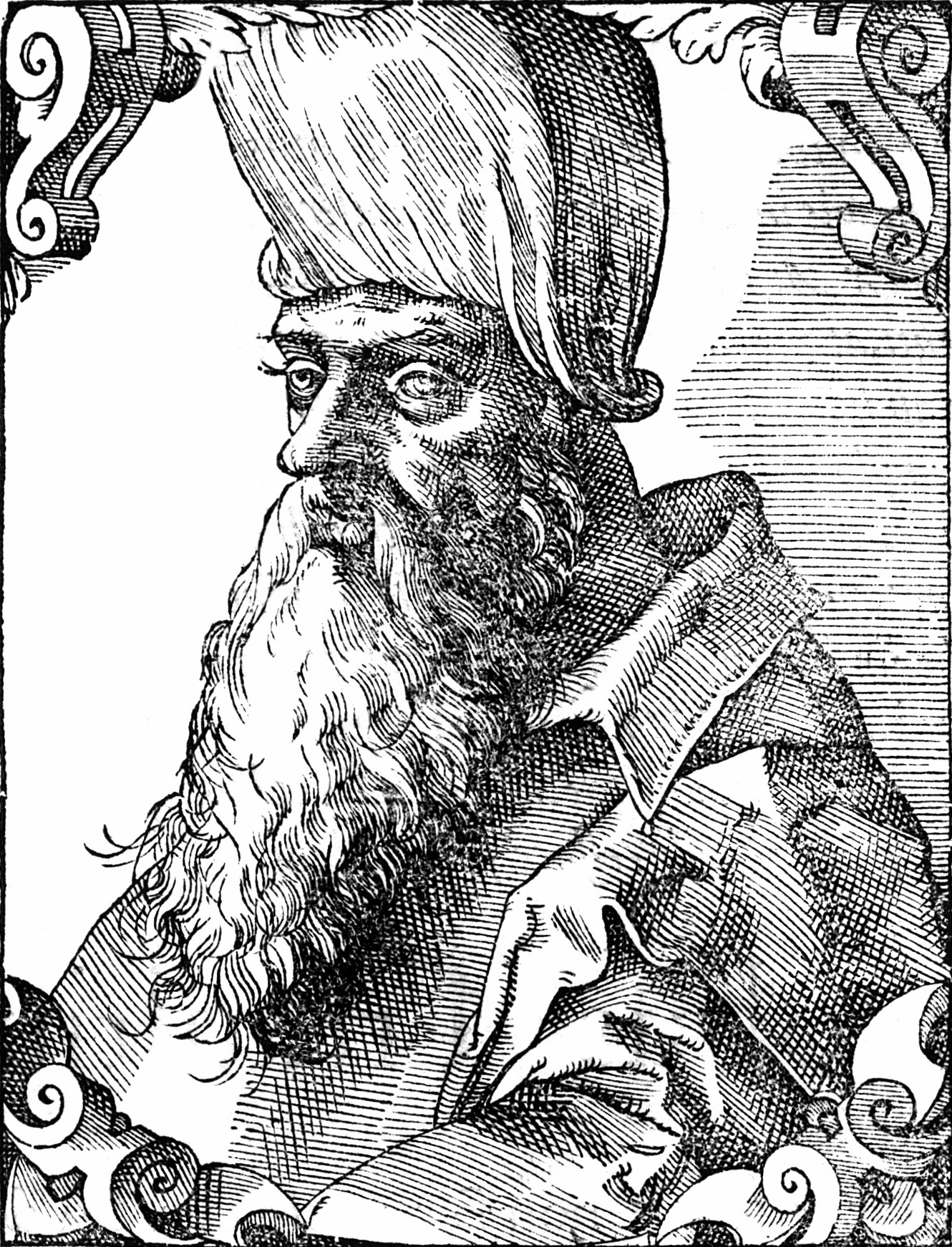
Pivotal Anabaptist theologian and former Catholic university rector who established believer's baptism in Waldshut and Nikolsburg and defended religious freedom in 'Heretics and Those Who Burn Them'.
Start typing to search worldwide archives and community tributes
Filterable archive covering centuries of intellectual, artistic, and moral contributions to the human story.
Pivotal Anabaptist theologian and former Catholic university rector who established believer's baptism in Waldshut and Nikolsburg and defended religious freedom in 'Heretics and Those Who Burn Them'.
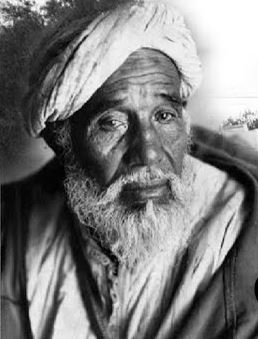
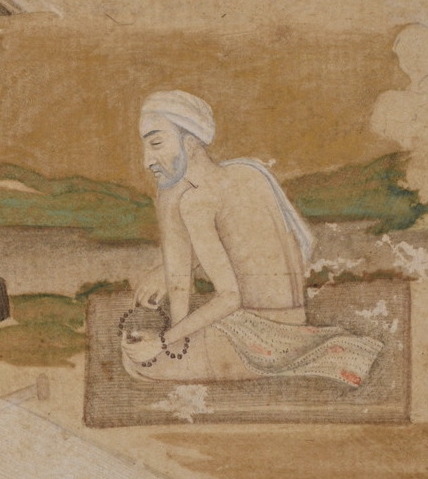
15th-century mystic poet-saint, leatherworker, and social egalitarian whose vision of 'Begampura'—a sorrowless city free from caste, taxation, and oppression—became the foundational manifesto of Dalit liberation and human equality.
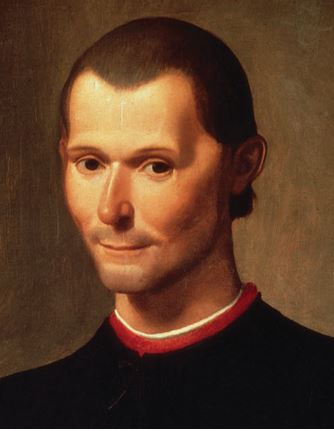
Renaissance Florentine diplomat considered the father of modern political science, whose works The Prince and Discourses on Livy exposed the realistic mechanics of state power and republican liberty.
Wattasid Sultan (1504–1526) who earned his epithet 'al-Burtuqali' after spending seven years as a hostage in Portugal, later leading Moroccan military resistance against Portuguese Atlantic garrisons.
Venerated Moroccan Sufi master known as 'Al-Cheikh Al-Kamel' (The Perfect Master) who founded the Aissawa Sufi order, famed for its ecstatic music, spiritual healing, and vast brotherhood.
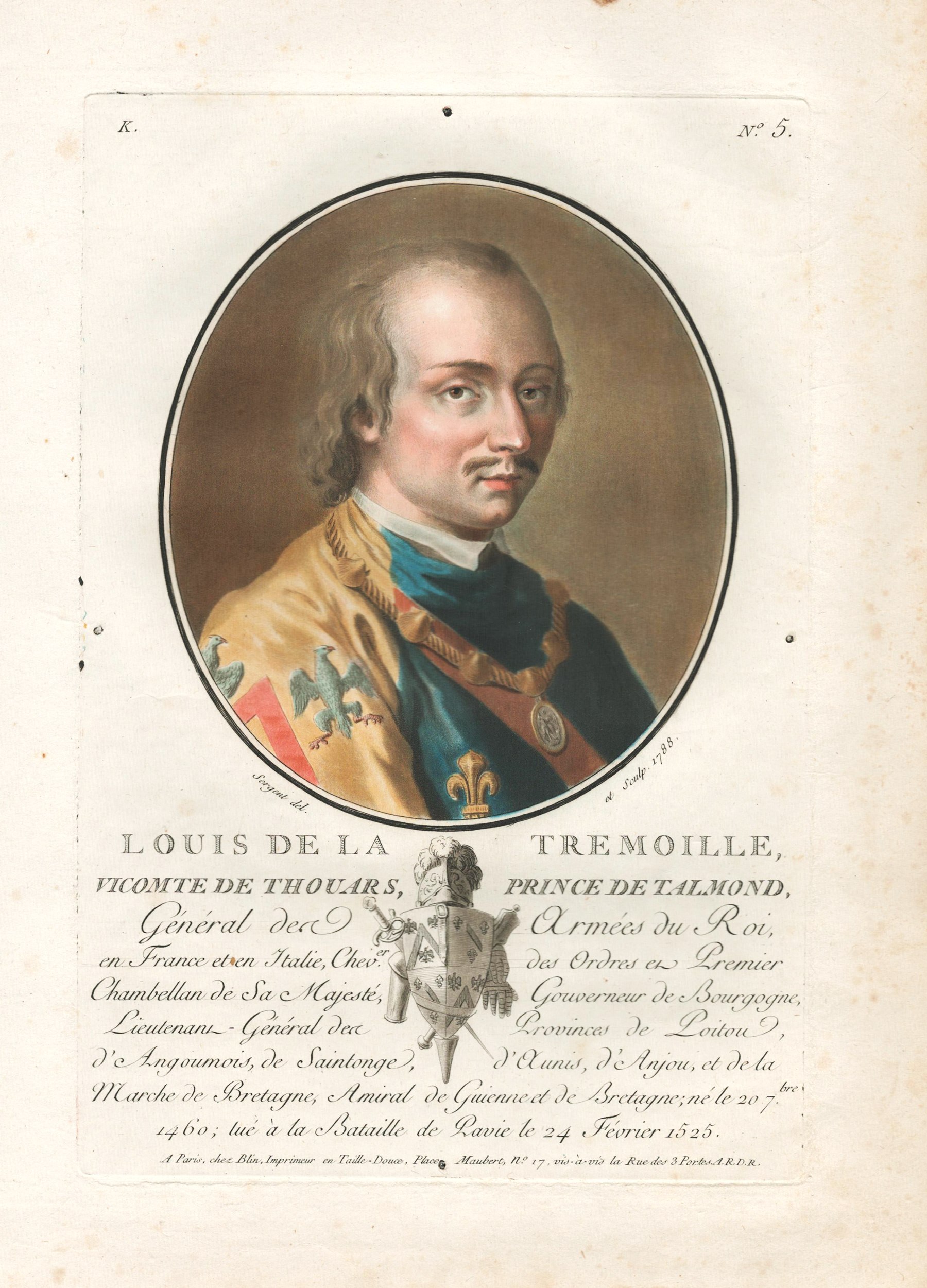
Premier French general of the Italian Wars who won the Battle of Saint-Aubin-du-Cormier, conquered Milan for Louis XII, and fell fighting at Pavia.
Groundbreaking Renaissance painter recognized by Albrecht Dürer as 'the good painter of landscapes', who established panoramic landscape as an independent fine art genre.
Founder of the Safavid Empire who unified Iran, established Twelver Shia Islam as the state religion, and was a major Azerbaijani poet.
French knight and commander immortalized as 'The Knight Without Fear and Beyond Reproach', who held the bridge of Garigliano single-handedly.
The last great master of the Bruges school of Early Netherlandish painting, famed for luminous color harmony, serene devotional panels, and poignant civic justice diptychs.
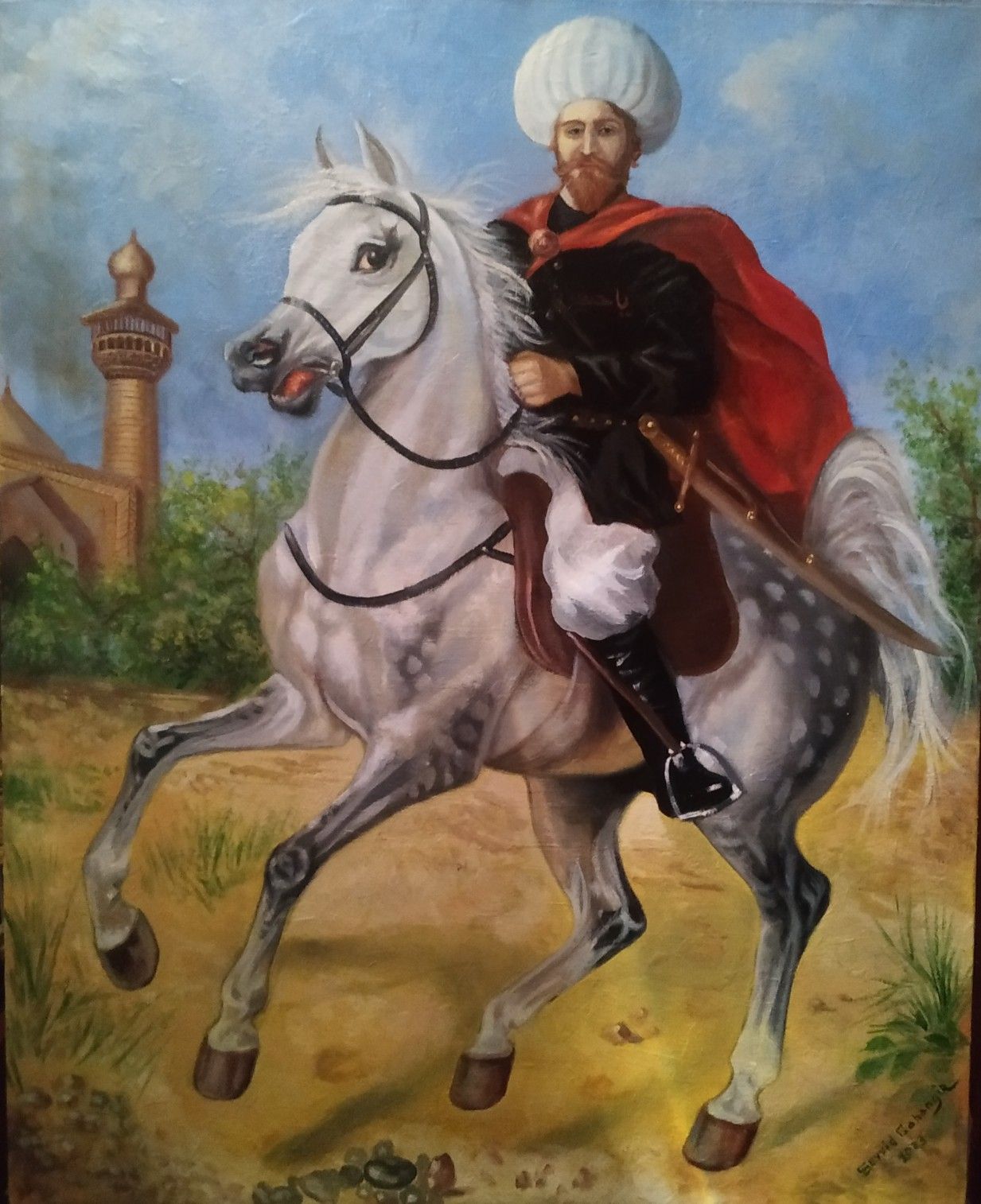
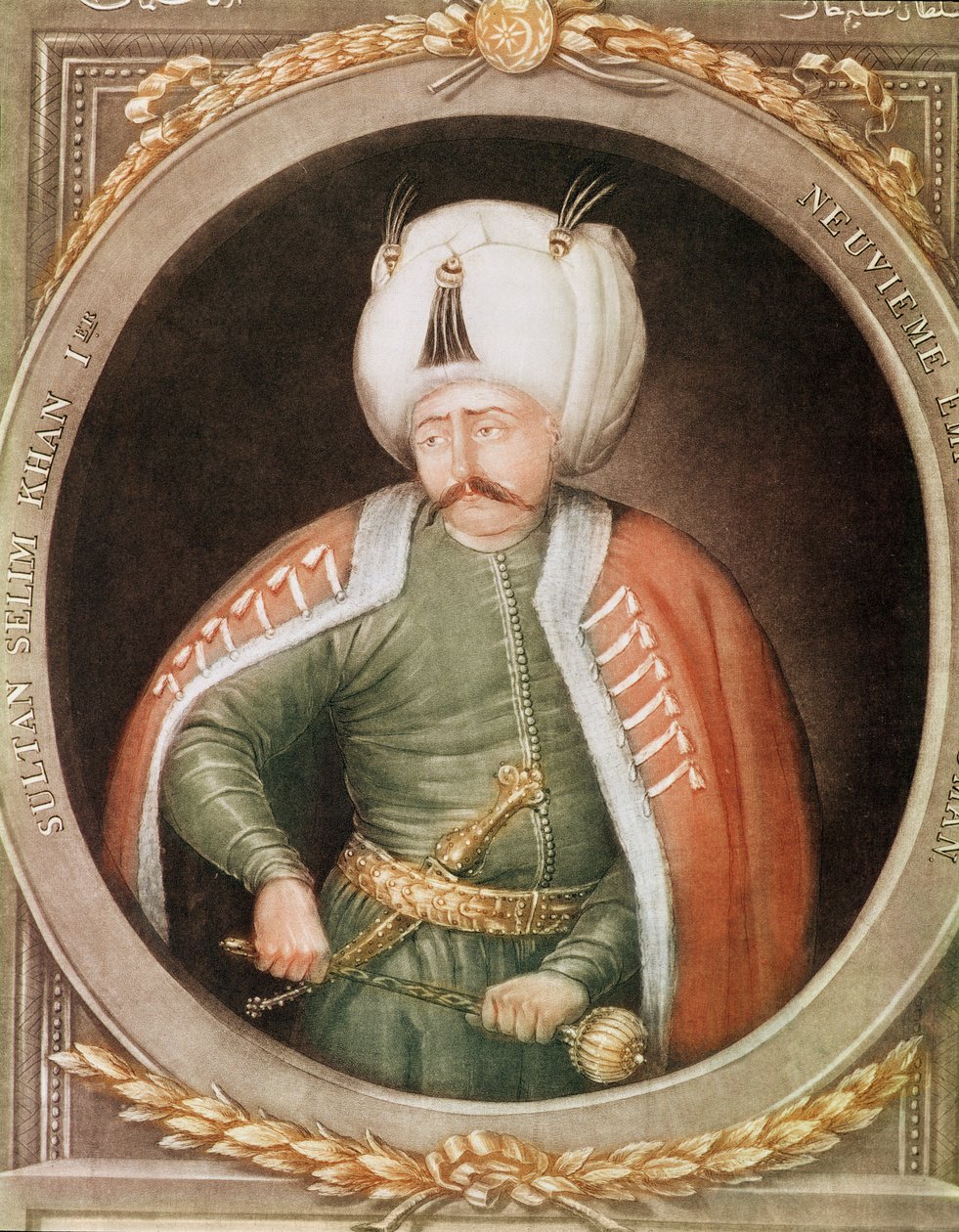
Ninth Ottoman Sultan who tripled the size of the Ottoman Empire in just eight years, conquered the Mamluk Sultanate, and assumed the Caliphate.
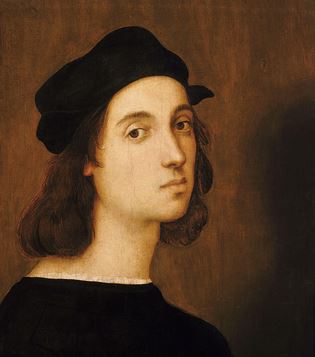
Supreme High Renaissance master celebrated as the 'Prince of Painters', whose monumental frescoes in the Vatican Stanze (including The School of Athens) and tender Madonnas personify classical harmony and compositional serenity.
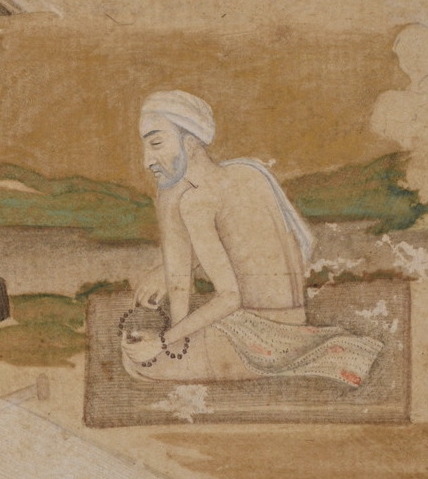
Eminent Bhakti saint, leather-worker (Chamar), and social emancipator who envisioned 'Begumpura' (a sorrowless utopian city of equality) and contributed 41 hymns to the Guru Granth Sahib.
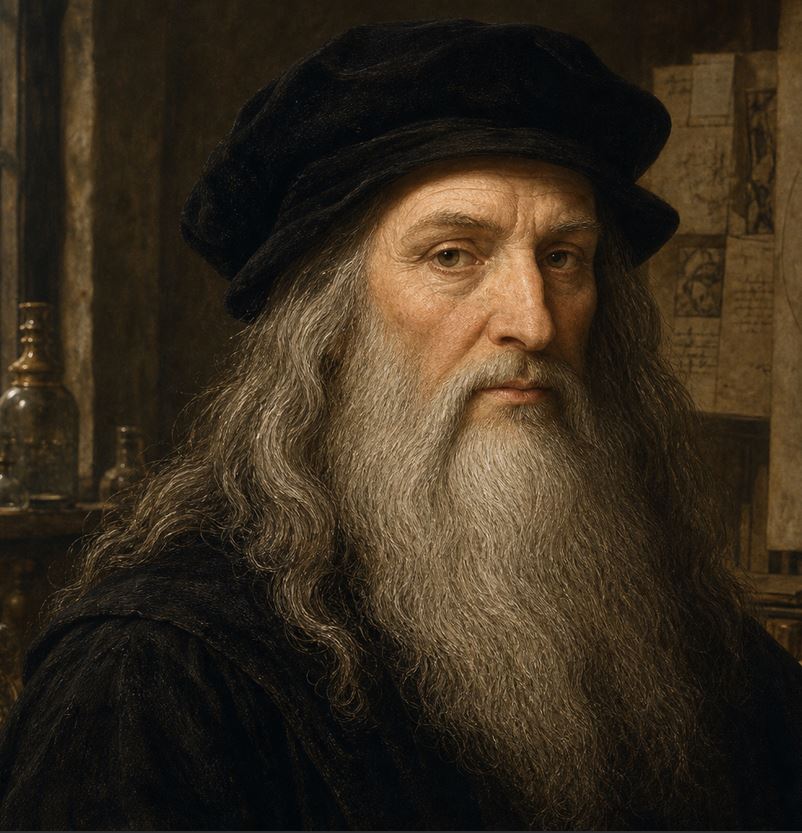
The quintessential Renaissance genius whose boundless curiosity was equaled only by his powers of invention. Master of the Mona Lisa, The Last Supper, and visionary anatomical treatises.
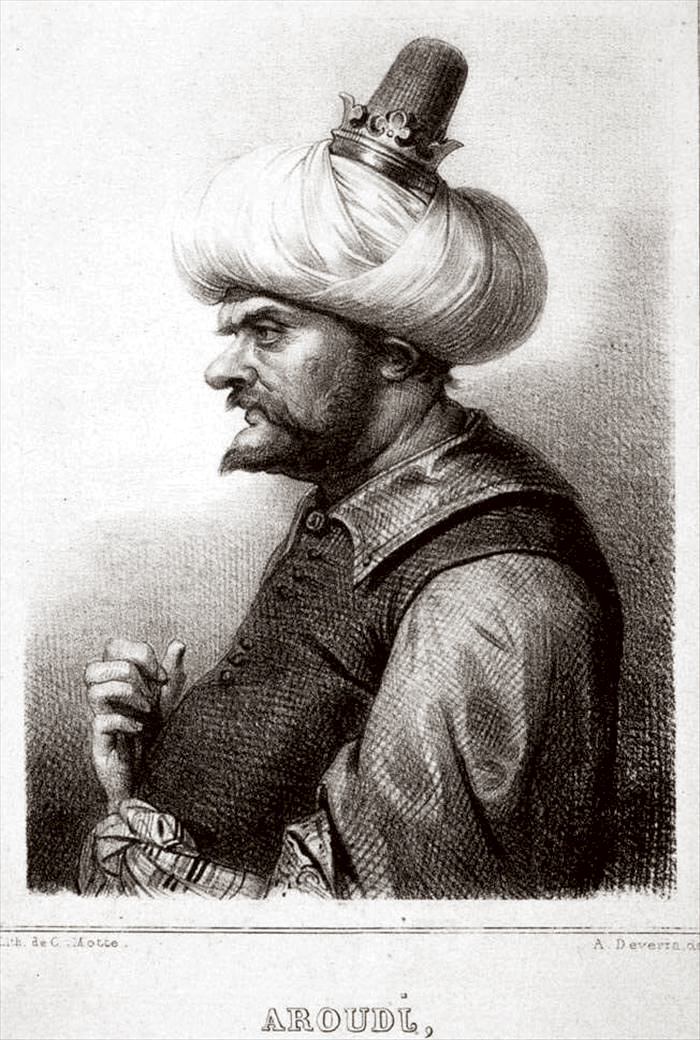
Legendary Ottoman-Algerian privateer known as 'Redbeard' (Baba Aruj) who rescued thousands of Andalusian Muslims and Jews from Spain, seized Algiers in 1516, and founded the Regency of Algiers.
Celebrated 15th-century mystic poet-philosopher and weaver whose biting couplets (Dohas) pierced through the hypocrisies of both Hindu caste orthodoxy and Muslim dogmatism, teaching the formless truth of the divine (Nirguna Ram).
Last sovereign Mamluk Sultan of Egypt whose valiant, uncompromising defense of Cairo against the overwhelming Ottoman invasion of Sultan Selim I turned him into an immortal national hero of Egyptian patriotism.
Prolific Franco-Flemish composer who served the Medici in Florence and Emperor Maximilian I, renowned for his monumental Choralis Constantinus and the immortal lied Innsbruck, ich muss dich lassen.