Sulayman al-Halabi
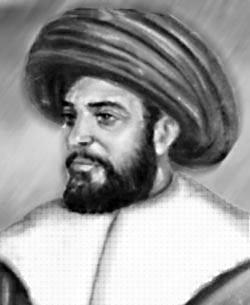
Young Islamic theology student at Al-Azhar who assassinated General Jean-Baptiste Kléber, commander-in-chief of the French expedition in Egypt, in June 1800.
Start typing to search worldwide archives and community tributes
Filterable archive covering centuries of intellectual, artistic, and moral contributions to the human story.
Young Islamic theology student at Al-Azhar who assassinated General Jean-Baptiste Kléber, commander-in-chief of the French expedition in Egypt, in June 1800.
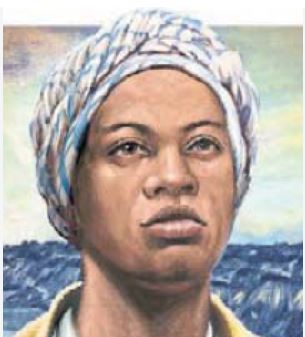
Enslaved Black woman in Upper Canada whose desperate, violent resistance against being bound and sold across the Niagara River in 1793 catalyzed the British Empire's very first anti-slavery legislation.
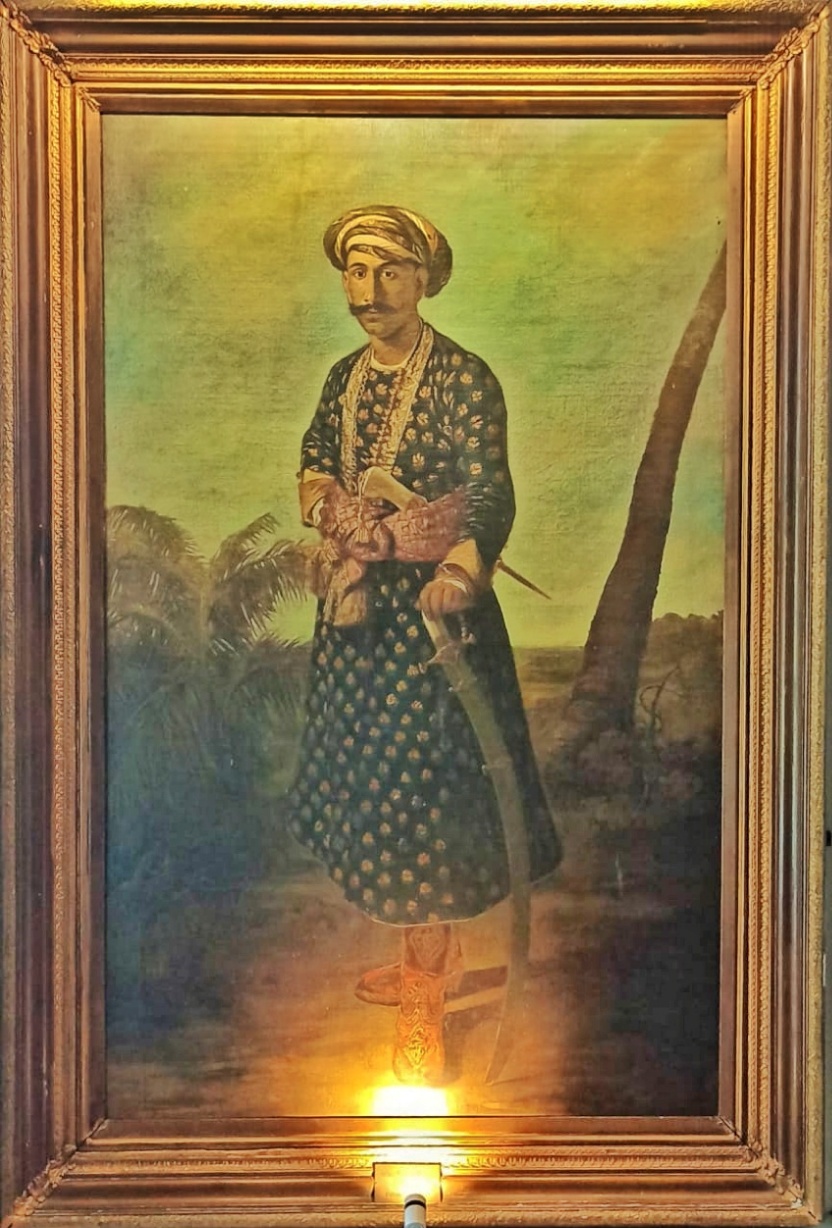
Visionary ruler of the Kingdom of Mysore who pioneered iron-cased Mysorean rocketry and led four relentless wars against British colonial hegemony.
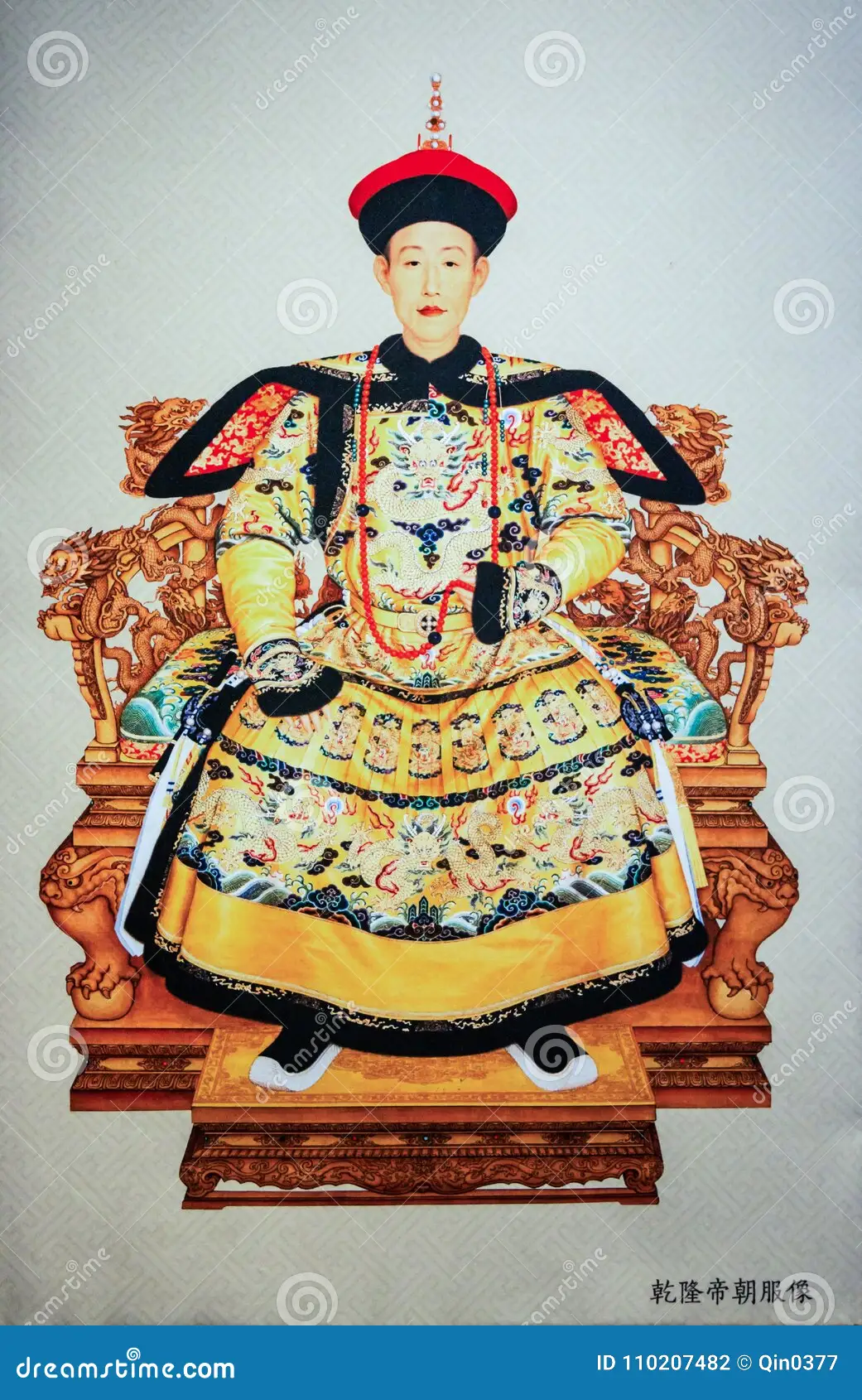
Sixth emperor of the Qing dynasty whose sixty-year reign presided over the pinnacle of territorial expansion, imperial wealth, and colossal cultural patronage across China.
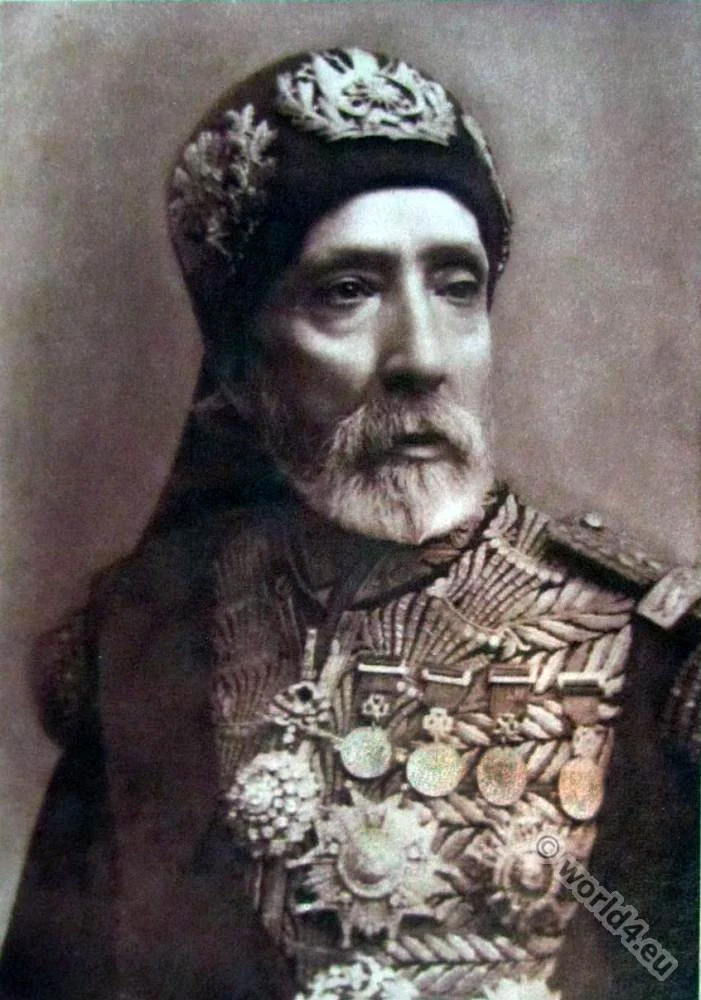
Master diplomat under Sultan Sidi Muhammad ibn Abdallah who negotiated the liberation of thousands of Muslim captives from Spain and Malta, author of the diplomatic masterpieces Al-Iksir and Al-Badr al-Safir.
Son of Sidi Muhammad ibn Abdallah who was proclaimed Sultan in Marrakech and southern Morocco (1790–1795) during the dynastic partition with his brother Moulay Sulayman.
The greatest Bey of the Western Beylik of Mascara and Oran, who in 1792 liberated Oran and Mers El Kébir from Spanish occupation after nearly three centuries.
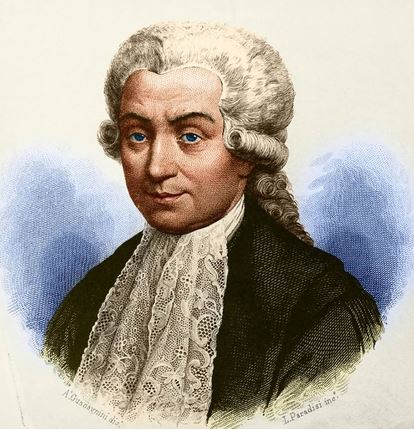
Italian physician and anatomist who discovered bioelectricity ('animal electricity'), demonstrating that nerves and muscles communicate via electrical currents, inspiring Mary Shelley's Frankenstein.
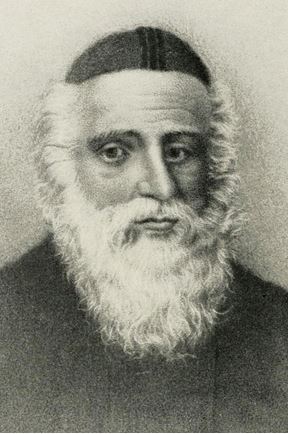
Supreme rabbinic genius of Lithuania whose photographic memory, textual emendations of the Talmud, and mastery of mathematics and astronomy defined modern Lithuanian yeshiva scholarship.
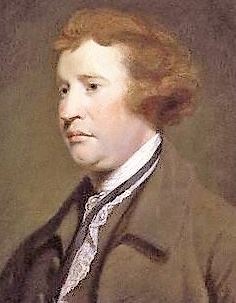
Formulated the foundational principles of representative democracy, parliamentary conscience, and gradualist political change rooted in historical tradition.
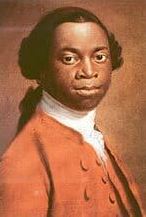
Igbo-born writer and abolitionist whose gripping 1789 autobiography exposed the atrocities of the Middle Passage and galvanized the British parliamentary campaign to end the transatlantic slave trade.
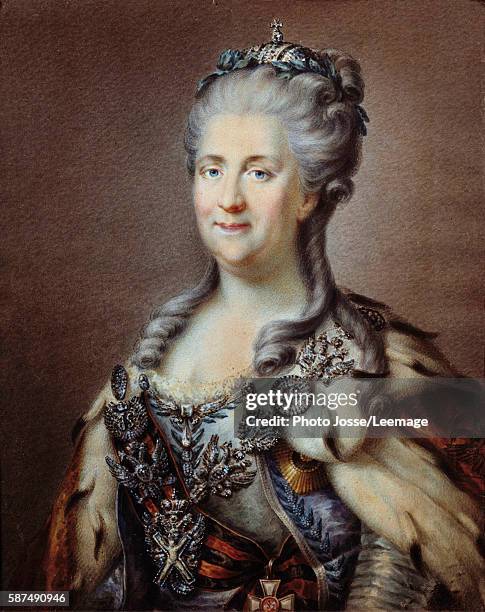
Longest-reigning female leader of Russia whose thirty-four-year golden age modernized the Russian Empire and annexed Crimea.
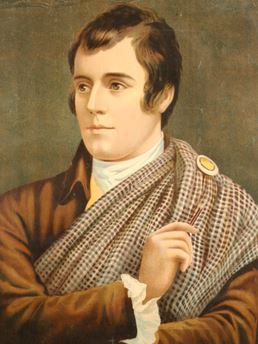
Beloved national bard of Scotland whose vibrant Scots-language poetry and folk song collecting—including Auld Lang Syne, Tam o' Shanter, and A Man's a Man for A' That—celebrated democracy, social brotherhood, and romantic passion.
Influential Mohawk Clan Mother and political leader whose diplomatic mastery preserved the Six Nations alliance with the British Crown.
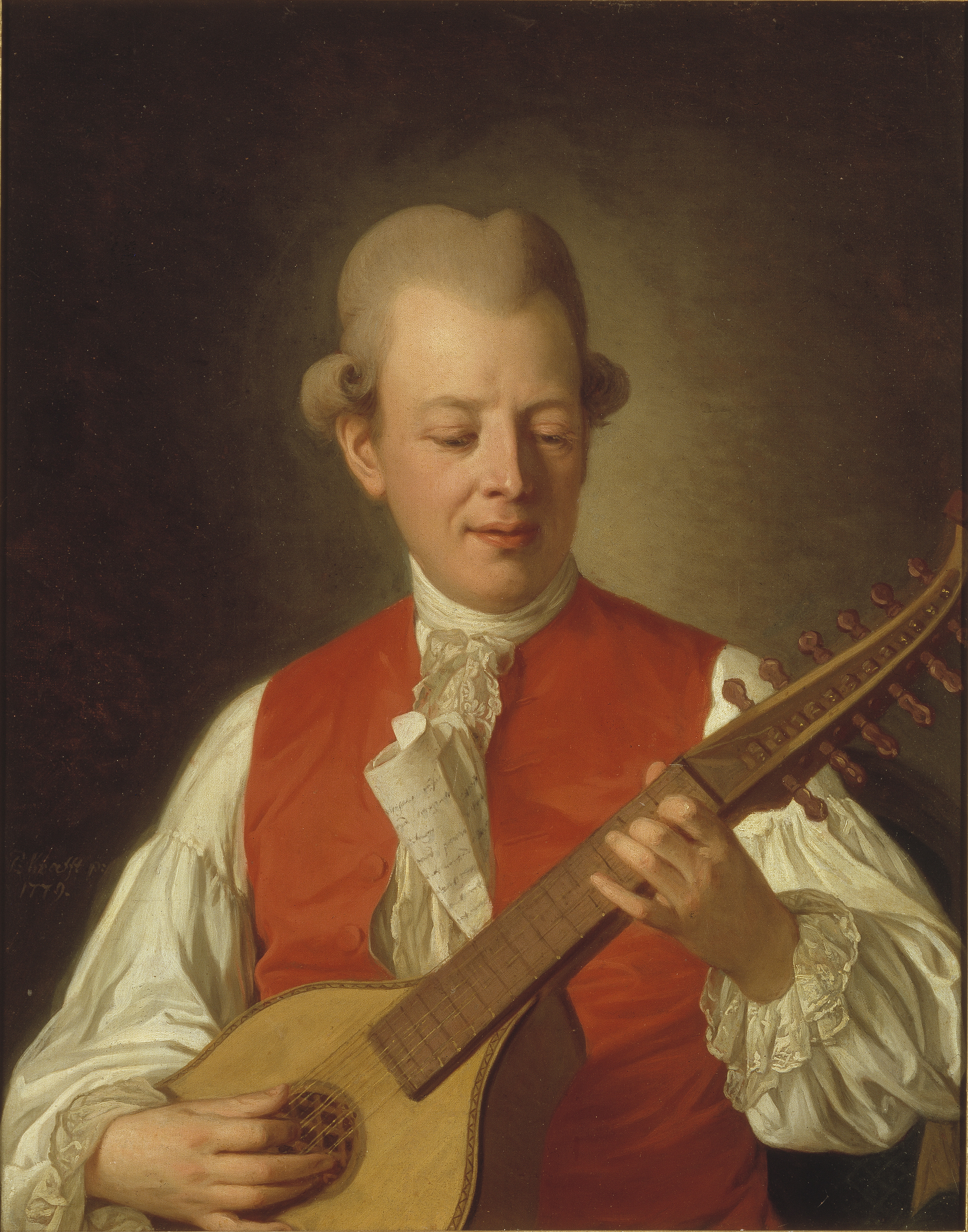
Supreme master of Swedish musical poetry known as the 'Anacreon of the North', whose 18th-century masterpieces 'Fredman's Epistles' and 'Fredman's Songs' blend drinking songs with tragic elegance.
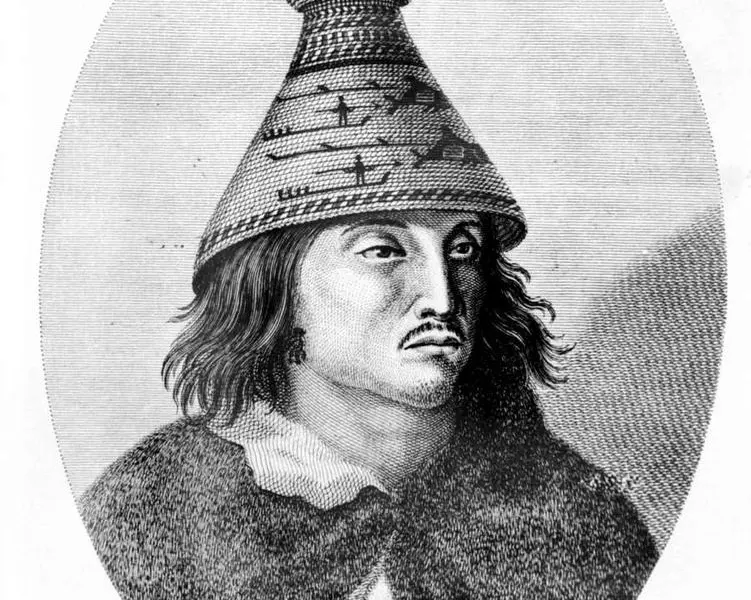
Paramount Mowachaht chief of Nootka Sound who controlled Pacific maritime fur trade routes and mediated between Spanish and British naval forces during the Nootka Crisis.
18th-century scholar and judge of Tunis who authored seminal commentaries on Sahih al-Bukhari and advised Ali II Bey on commercial maritime law.
Auvergne lawyer and Jacobin statesman who formed the ruling Triumvirate of the Committee of Public Safety alongside Maximilien Robespierre and Saint-Just, governing revolutionary France from a mechanical wheelchair.