Public Figures & Cultural Luminaries
Filterable archive covering centuries of intellectual, artistic, and moral contributions to the human story.
Philippe Pinel
 (Philippe Pinel)
French physician who revolutionized psychiatry during the French Revolution by striking the chains and iron collars from asylum inmates at Bicêtre and the Salpêtrière, establishing humane 'moral treatment'.
René Laennec
(René-Théophile-Hyacinthe Laennec)
Breton physician who invented the stethoscope in 1816 at the Necker Hospital in Paris, pioneering modern mediate auscultation and clinical diagnosis of pulmonary and cardiac diseases.
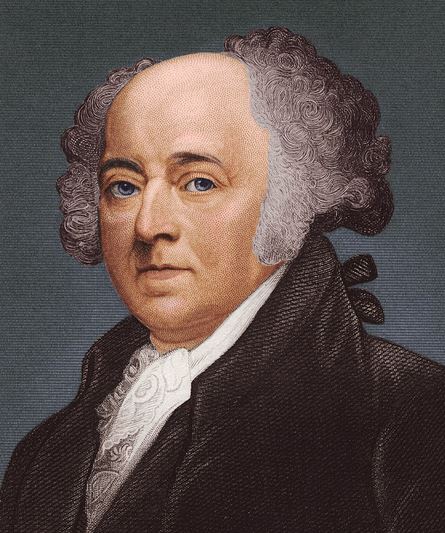
John Adams
 (John Adams)
Primary architect of constitutional government and republicanism; author of the Massachusetts Constitution (1780), the world's oldest continuously operating written constitution.
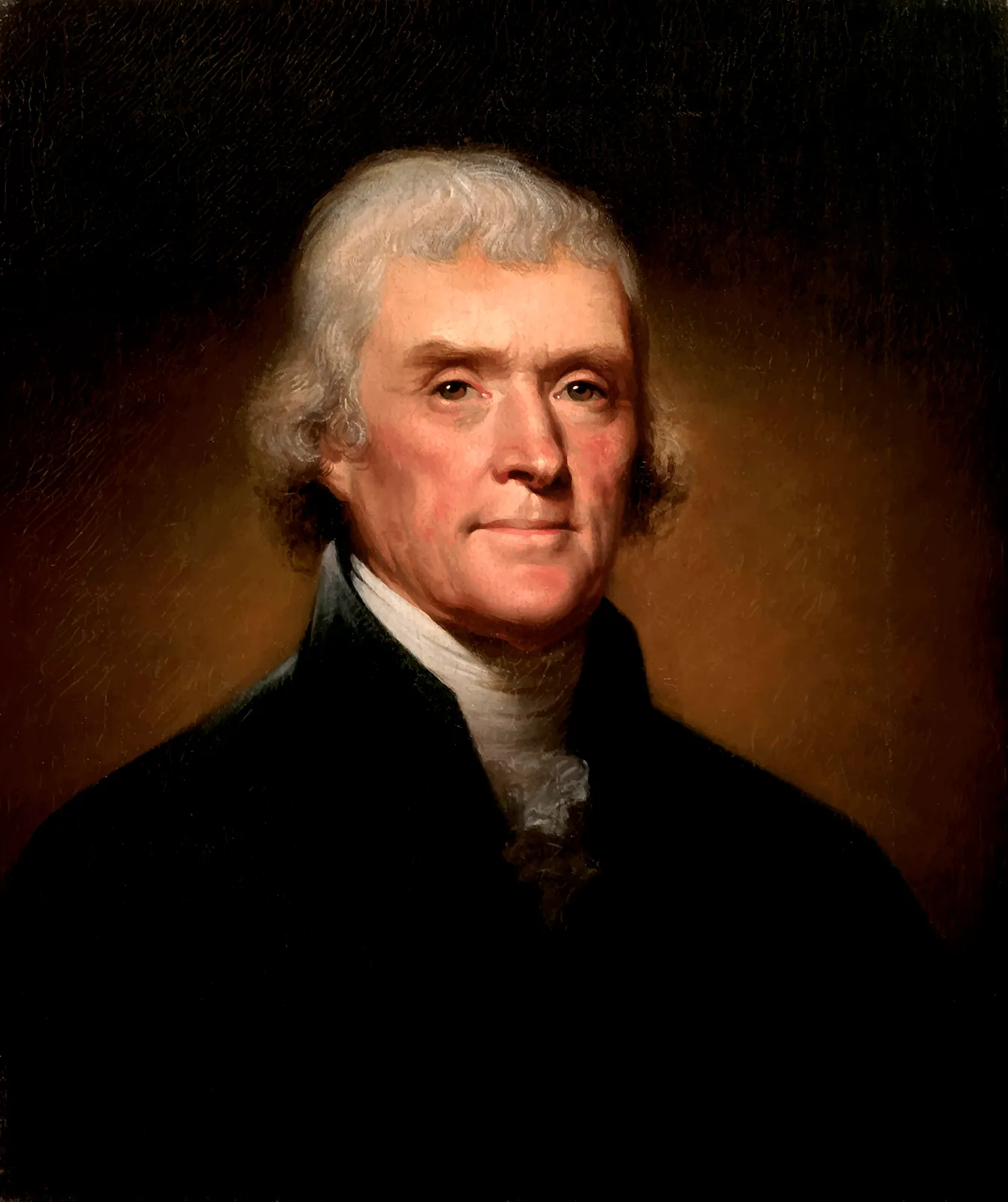
Thomas Jefferson
(Thomas Jefferson)
Articulated foundational concepts of individual liberty, republicanism, and religious freedom in seminal founding documents.
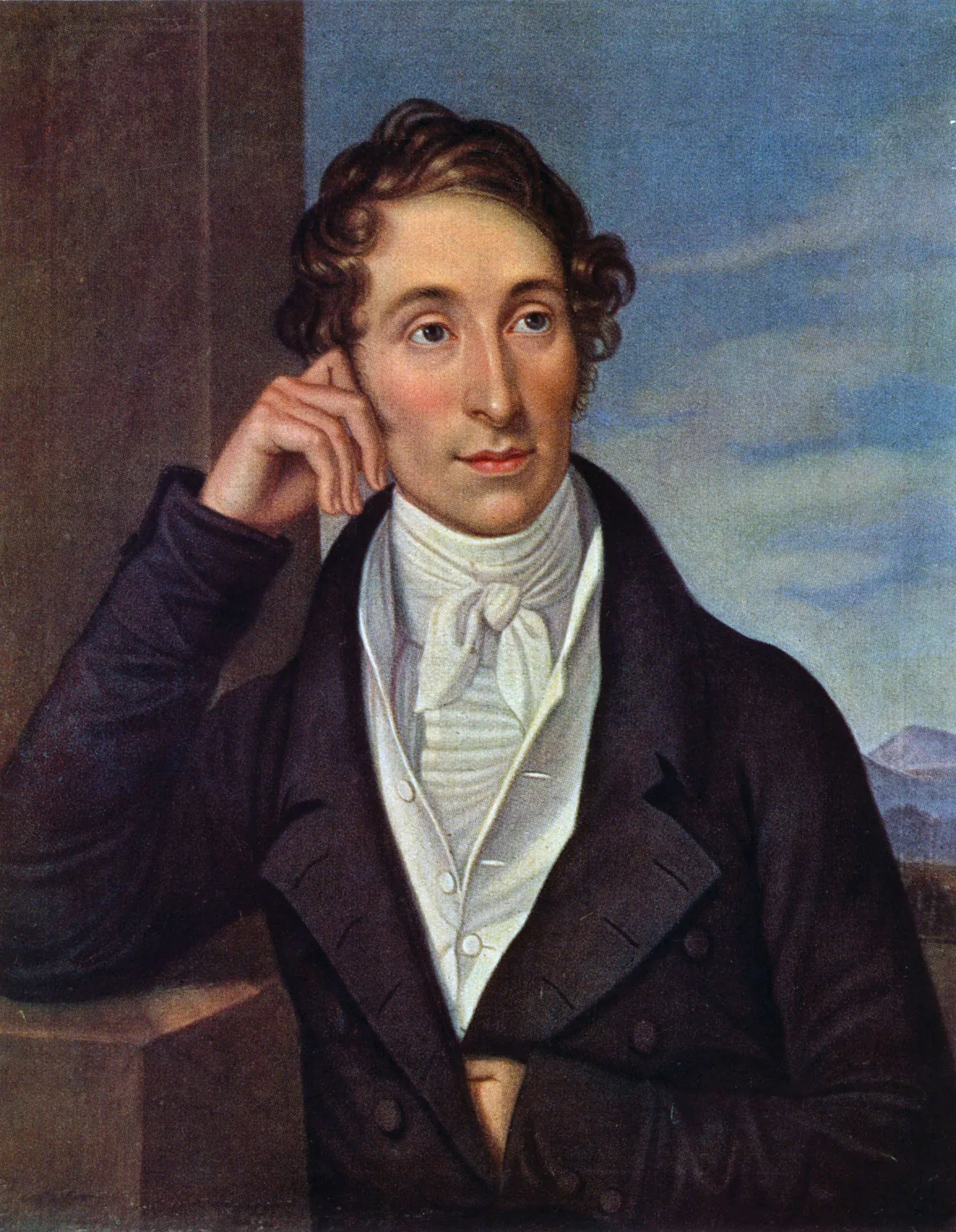
Carl Maria von Weber
 (Carl Maria Friedrich Ernst von Weber)
German composer, conductor, and critic acclaimed as the father of German Romantic opera, immortalized by 'Der Freischütz', 'Euryanthe', and his brilliant clarinet concertos.
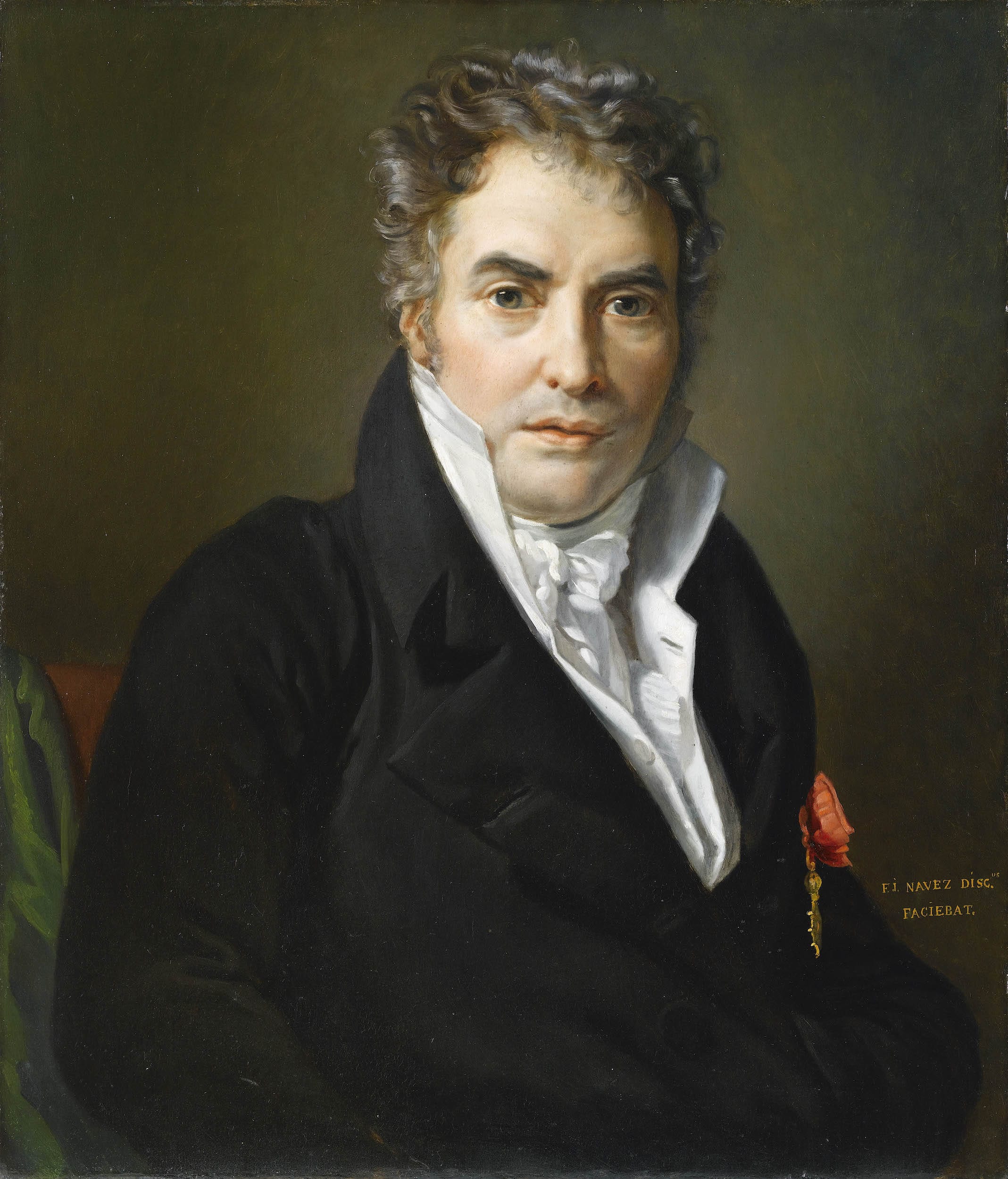
Jacques-Louis David
(Jacques-Louis David)
Preeminent painter of the Neoclassical era and official artist of the French Revolution and Napoleon Bonaparte.
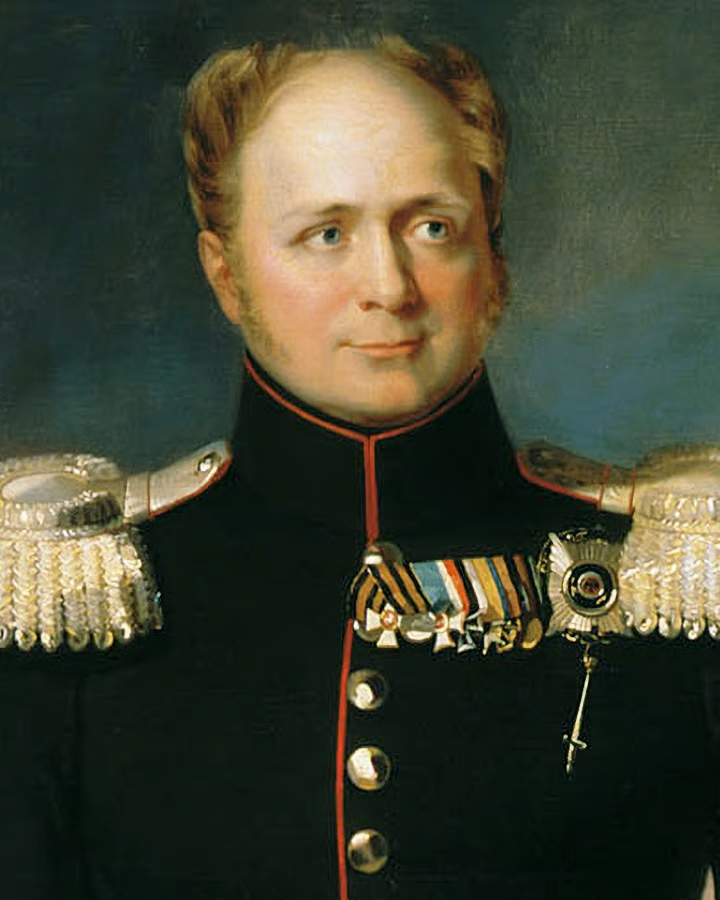
Alexander I of Russia
 (Александр I Павлович (Благословенный))
Emperor of Russia who defeated Napoleon's 1812 invasion, marched victoriously into Paris, and redrew post-Napoleonic Europe at the Congress of Vienna.
Bernard Germain de Lacépède
(Bernard-Germain-Étienne de La Ville-sur-Illon, comte de Lacépède)
Distinguished French naturalist and statesman chosen by Buffon to complete his monumental Histoire Naturelle with landmark volumes on reptiles, fish, and cetaceans, and who served as the first Grand Chancellor of the Legion of Honour.
Dominique Vivant Denon
(Dominique Vivant Denon)
Versatile artist, diplomat, and archaeologist appointed by Napoleon Bonaparte in 1802 as the very first Director-General of the Musée du Louvre, transforming it into the world's preeminent art museum.
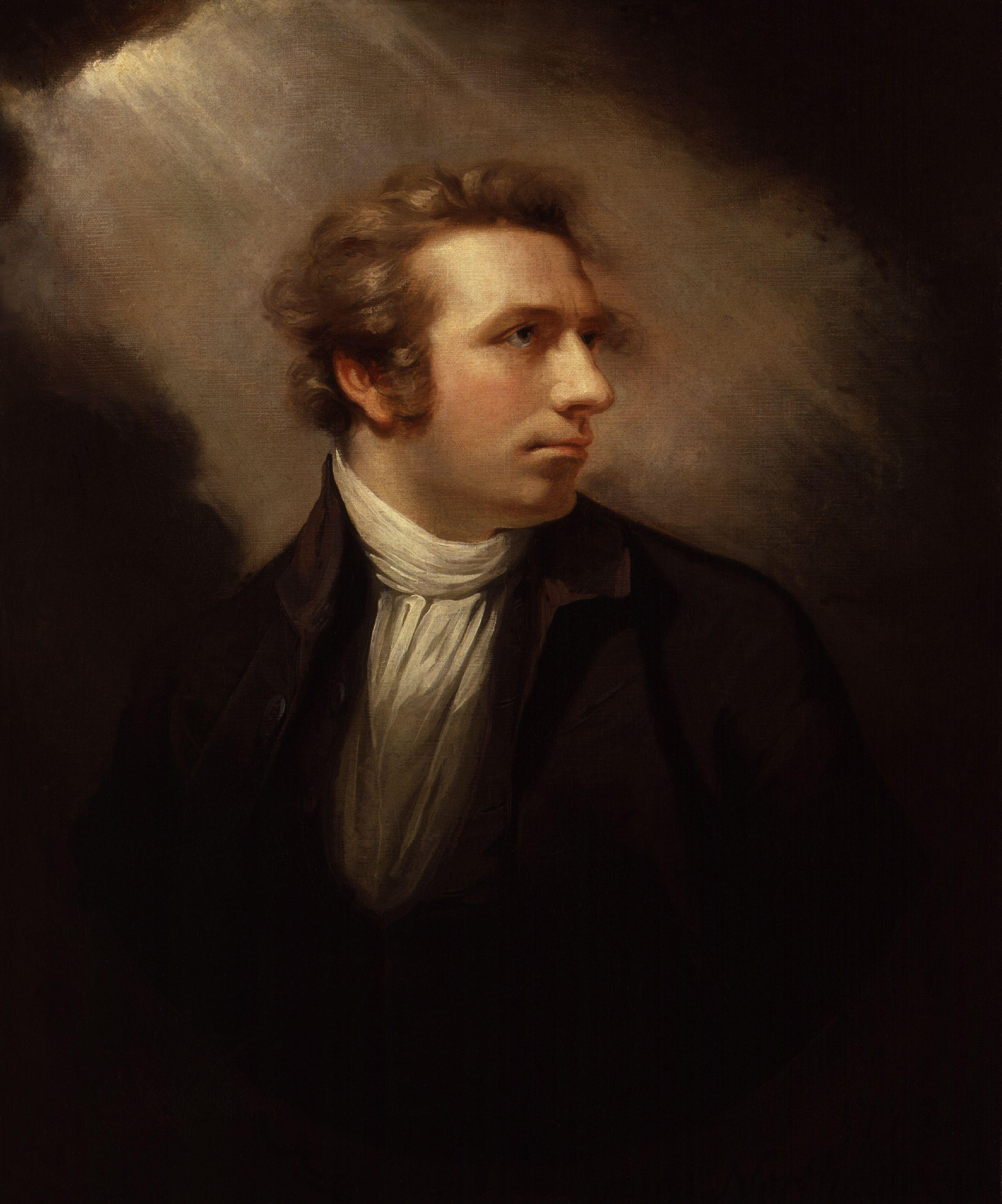
Johann Heinrich Füssli
 (Johann Heinrich Füssli)
Swiss-born British Romantic painter and professor whose chilling masterpiece 'The Nightmare' (1781) introduced gothic terror, eroticism, and the irrational subconscious into Western art.
Abd al-Rahman al-Jabarti
 (عبد الرحمن الجبرتي)
Towering Egyptian historian and Azhari scholar whose monumental eyewitness chronicle Aja'ib al-Athar provides the definitive, masterly record of late Ottoman Egypt and Napoleon Bonaparte's 1798 invasion.
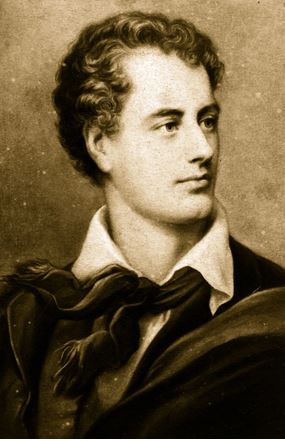
George Gordon Byron, 6th Baron Byron
 (George Gordon Byron)
Flamboyant English Romantic poet who created the brooding, rebellious 'Byronic hero' in Childe Harold's Pilgrimage and Don Juan, dying a hero of the Greek War of Independence at Missolonghi.
Mahmud ibn Muhammad Bey
 (محمود باي بن محمد)
Seventh Husainid Bey of Tunis whose decade-long reign navigated the post-Napoleonic Mediterranean shifts, the abolition of privateering under European diplomatic pressure, and internal economic modernization.
Jean-Jacques-Régis de Cambacérès
(Jean-Jacques-Régis de Cambacérès)
Master jurist and statesman who served as Second Consul alongside Napoleon Bonaparte, became Arch-Chancellor of the French Empire, and served as the principal intellectual architect of the Napoleonic Civil Code.
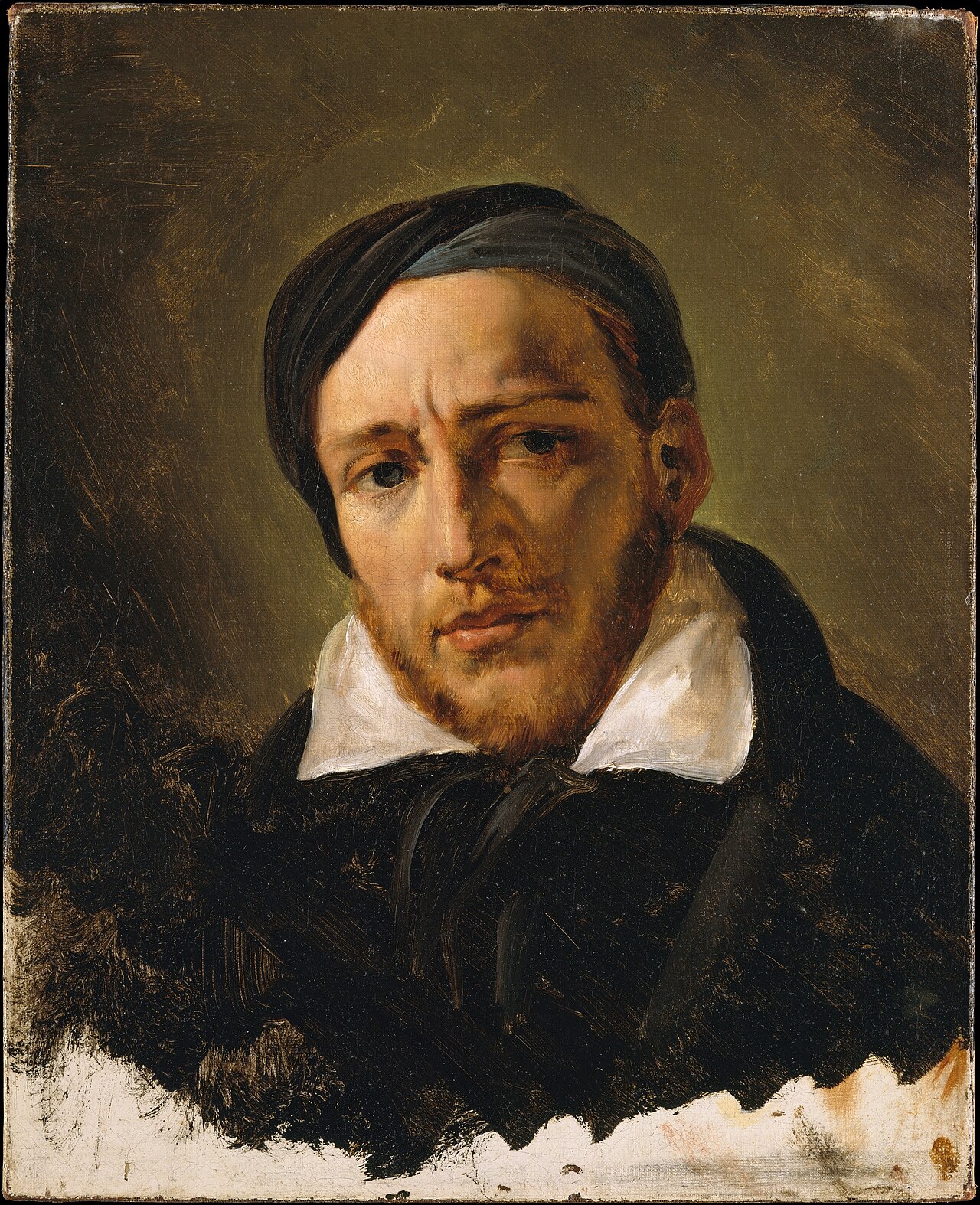
Théodore Géricault
(Jean-Louis André Théodore Géricault)
Pioneering French Romantic painter whose dramatic tour de force The Raft of the Medusa launched the Romantic movement.
Muhammad al-Bahi al-Tunisi
(محمد الباهي التونسي)
Renowned 18th-century Tunisian astronomer, astrolabe maker, and chief muwaqqit at the Great Mosque of Ez-Zitouna who calculated celestial tables and solar coordinates across North Africa.
Lazare Carnot
(Lazare Nicolas Marguerite Carnot)
Visionary military engineer and mathematician acclaimed as 'The Organizer of Victory' who raised, equipped, and deployed fourteen armies of the French Republic through the levée en masse in 1793.
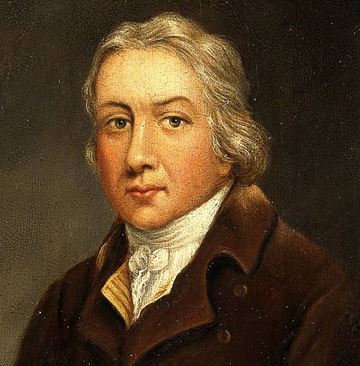
Edward Jenner
(Edward Jenner)
'Father of Immunology' who developed the world's first successful vaccine in 1796 using cowpox matter to confer immunity against lethal smallpox, saving hundreds of millions of lives.