Public Figures & Cultural Luminaries
Filterable archive covering centuries of intellectual, artistic, and moral contributions to the human story.
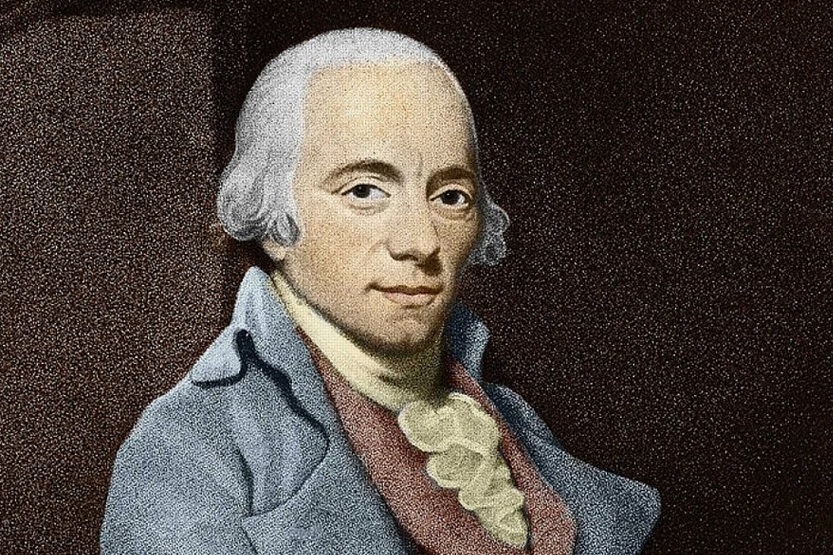
Muzio Clementi
 (Muzio Filippo Vincenzo Francesco Saverio Clementi)
Italian-English composer, pianist, and instrument manufacturer celebrated as the 'Father of Modern Pianoforte Technique' and creator of the landmark pedagogical suite 'Gradus ad Parnassum'.
Jean-François Champollion
 (Jean-François Champollion)
Brilliant French philologist and founder of scientific Egyptology who deciphered ancient Egyptian hieroglyphic writing in September 1822 through his analysis of the Rosetta Stone.
William Cockerill
 (William Cockerill)
English inventor and mechanical pioneer who bypassed British export bans on textile machinery in 1799, bringing mechanized wool spinning to Verviers and inaugurating the Industrial Revolution on mainland Europe.
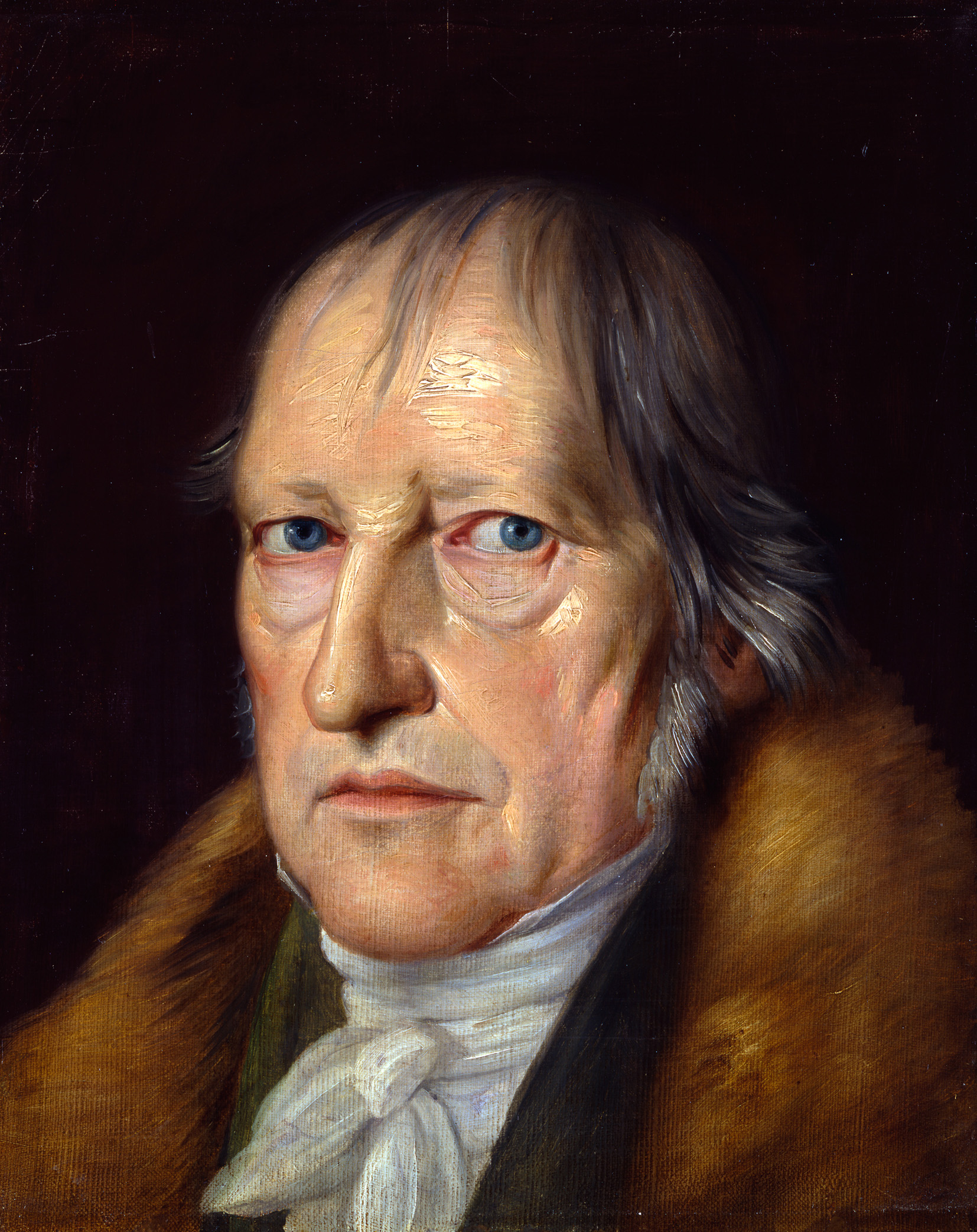
G. W. F. Hegel
 (Georg Wilhelm Friedrich Hegel)
Titan of German Idealism whose dialectical system traced the historical evolution of Absolute Spirit through thesis, antithesis, and synthesis in The Phenomenology of Spirit.
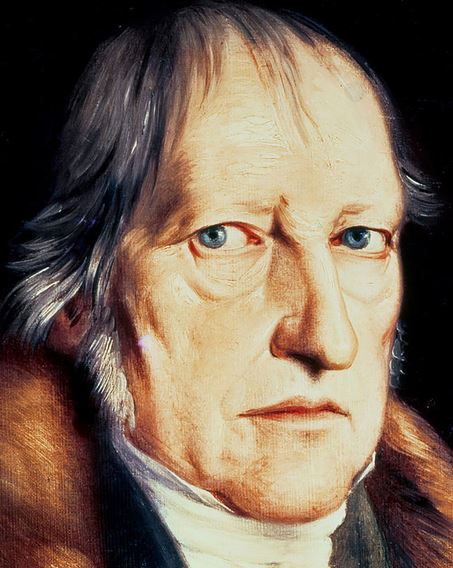
Georg Wilhelm Friedrich Hegel
(Georg Wilhelm Friedrich Hegel)
Master of German Idealism whose dialectical philosophy conceptualized historical development as the progressive self-realization of Spirit (Geist) toward absolute freedom.
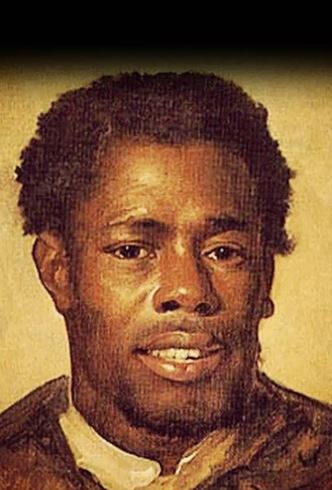
Nat Turner

Enslaved African American preacher who led the most significant and consequential slave rebellion in United States history in Southampton County, Virginia.
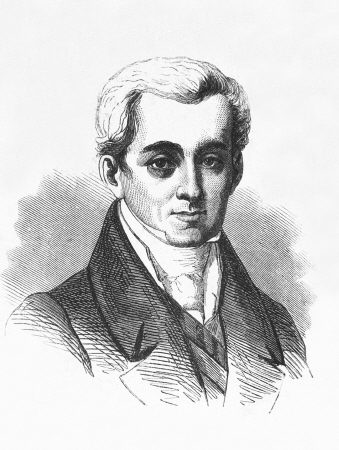
Ioannis Kapodistrias
 (Ιωάννης Καποδίστριας)
First Governor of independent Greece (1828–1831) and former Foreign Minister of the Russian Empire who drafted the Swiss Federal Constitution, founded the modern Greek state, modern agriculture, and public education.
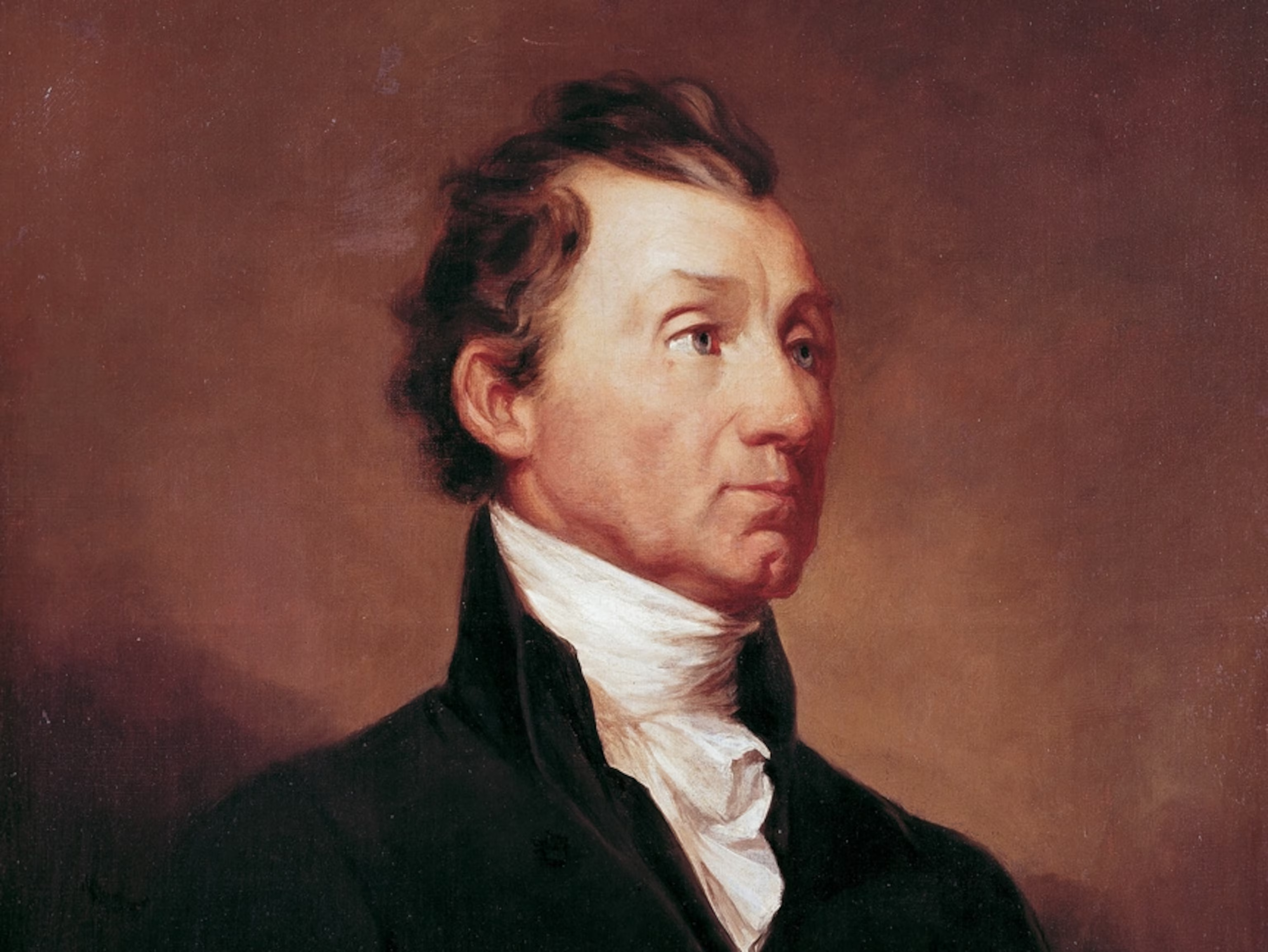
James Monroe
(James Monroe)
Fifth US President and last of the Virginia Dynasty whose 'Era of Good Feelings' saw the Missouri Compromise, the acquisition of Florida, and the historic Monroe Doctrine.
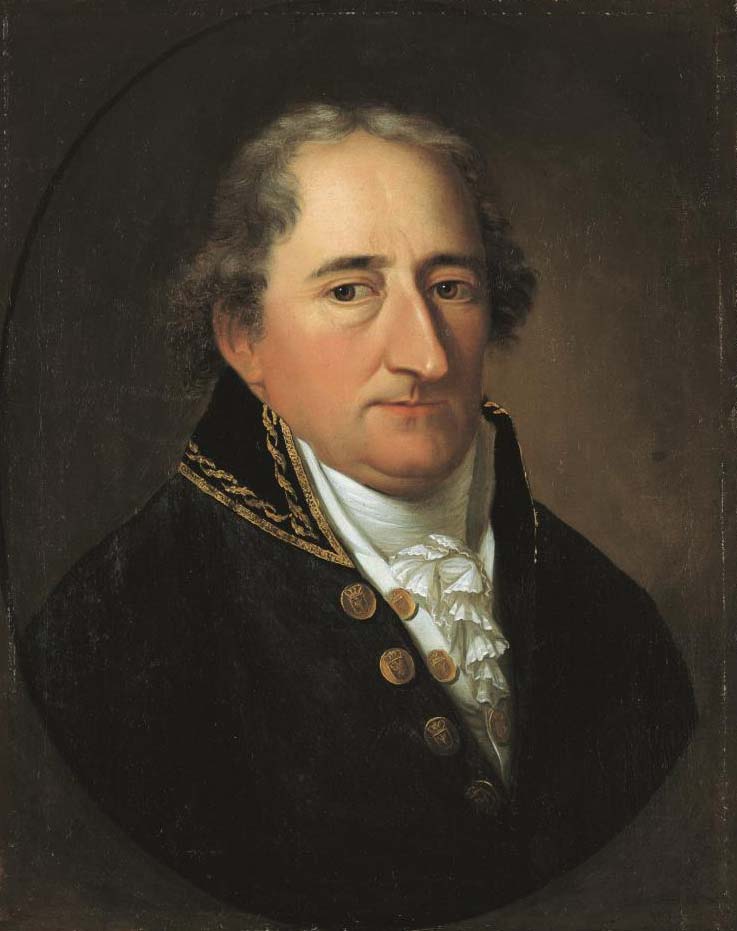
Heinrich Friedrich Karl vom und zum Stein
(Heinrich Friedrich Karl Reichsfreiherr vom und zum Stein)
Visionary Prussian statesman who abolished serfdom, introduced municipal self-government, and coordinated the anti-Napoleonic Coalition in Russia and Germany.
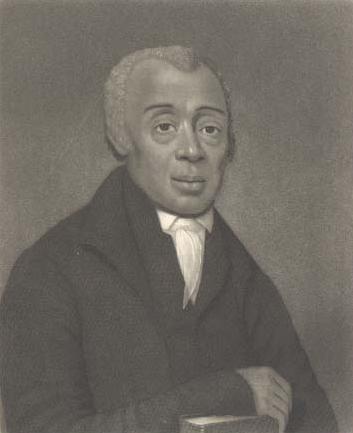
Richard Allen
(Richard Allen)
Founder and first bishop of the African Methodist Episcopal (AME) Church, the first independent Black denomination in the United States, and foremost civil rights pioneer.
John Norton
(Teyoninhokarawen)
Scottish-Cherokee adopted Mohawk chief who led Six Nations warriors at the Battle of Queenston Heights in 1812, saving Upper Canada.
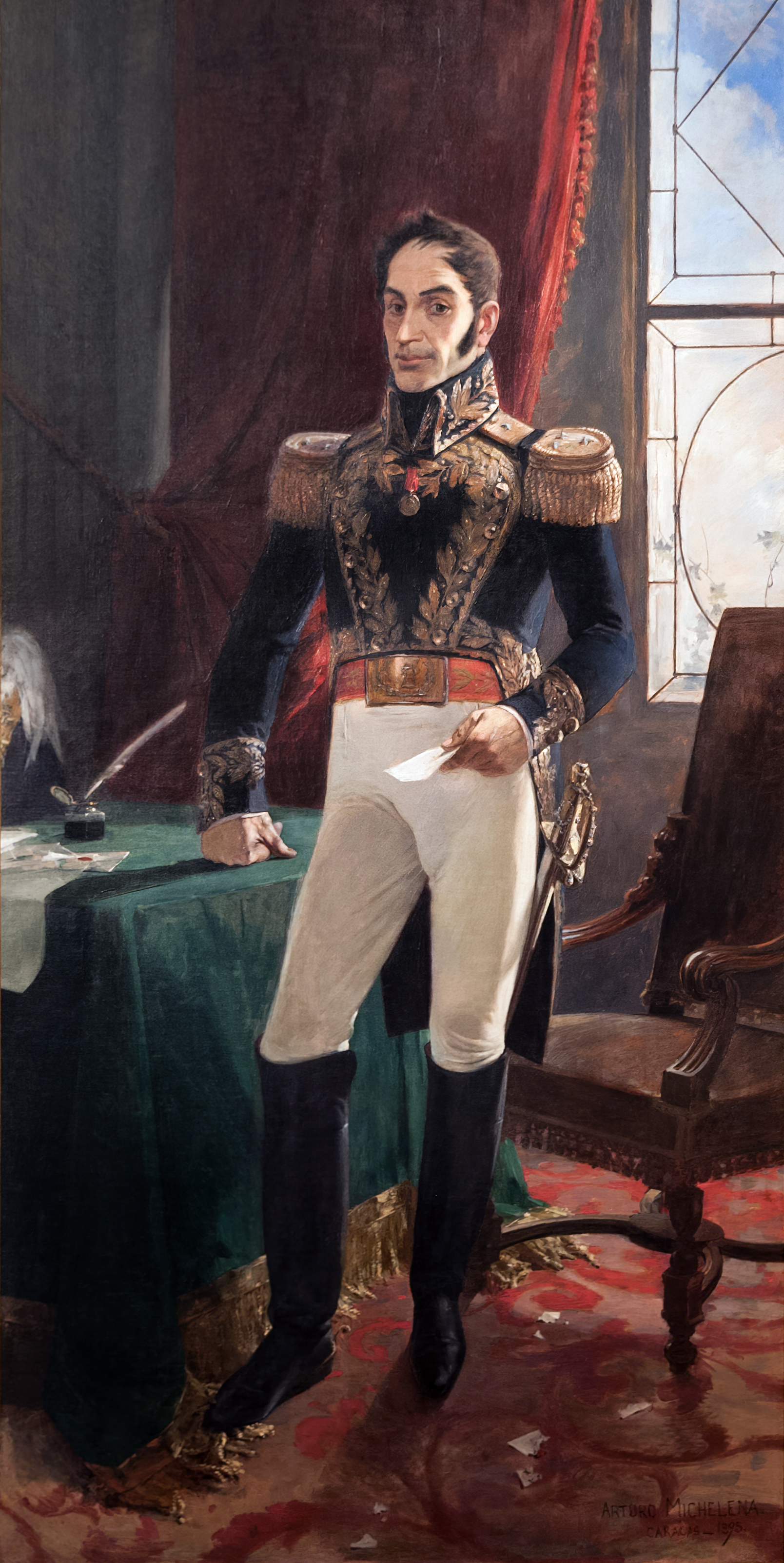
Simon Bolivar
 (Simon Jose Antonio de la Santisima Trinidad Bolivar)
Supreme Liberator 'El Libertador' of South America whose military and political campaigns liberated Venezuela, Colombia, Ecuador, Peru, and Bolivia from the Spanish Empire, serving as the first President of Gran Colombia.
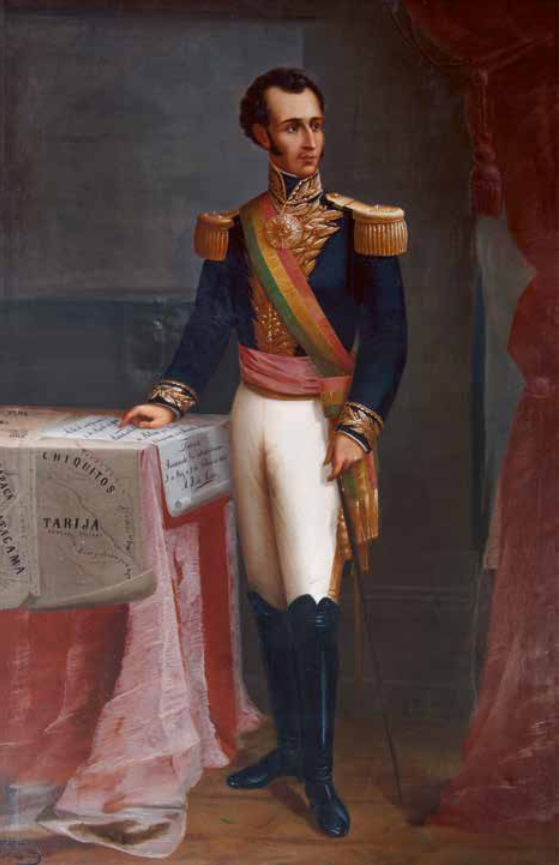
Antonio Jose de Sucre
(Antonio Jose de Sucre y Alcala)
Grand Marshal of Ayacucho, beloved lieutenant to Simon Bolivar, who won the decisive Battle of Ayacucho in 1824 that permanently ended Spanish colonial rule in South America, serving as the first constitutional President of Bolivia.
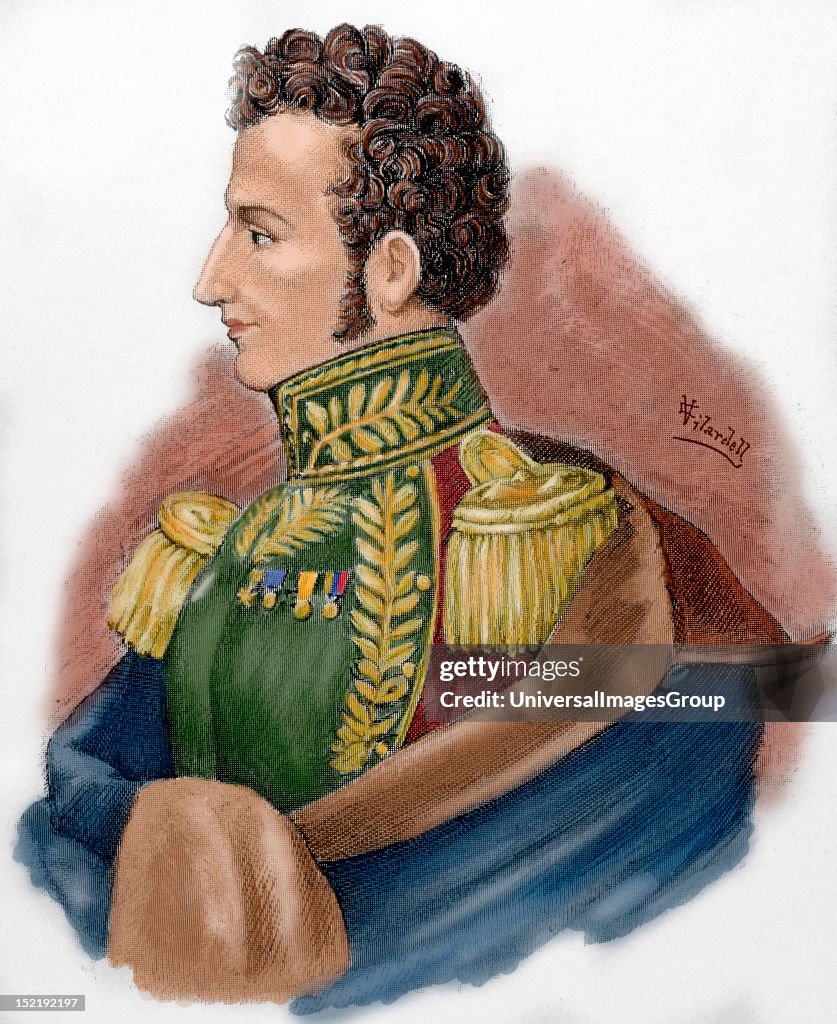
Antonio José de Sucre (Grand Marshal of Ayacucho)
(Antonio José de Sucre y Alcalá)
Venezuelan independence leader and Grand Marshal of Ayacucho whose victory in 1824 permanently destroyed the Spanish Empire in South America.
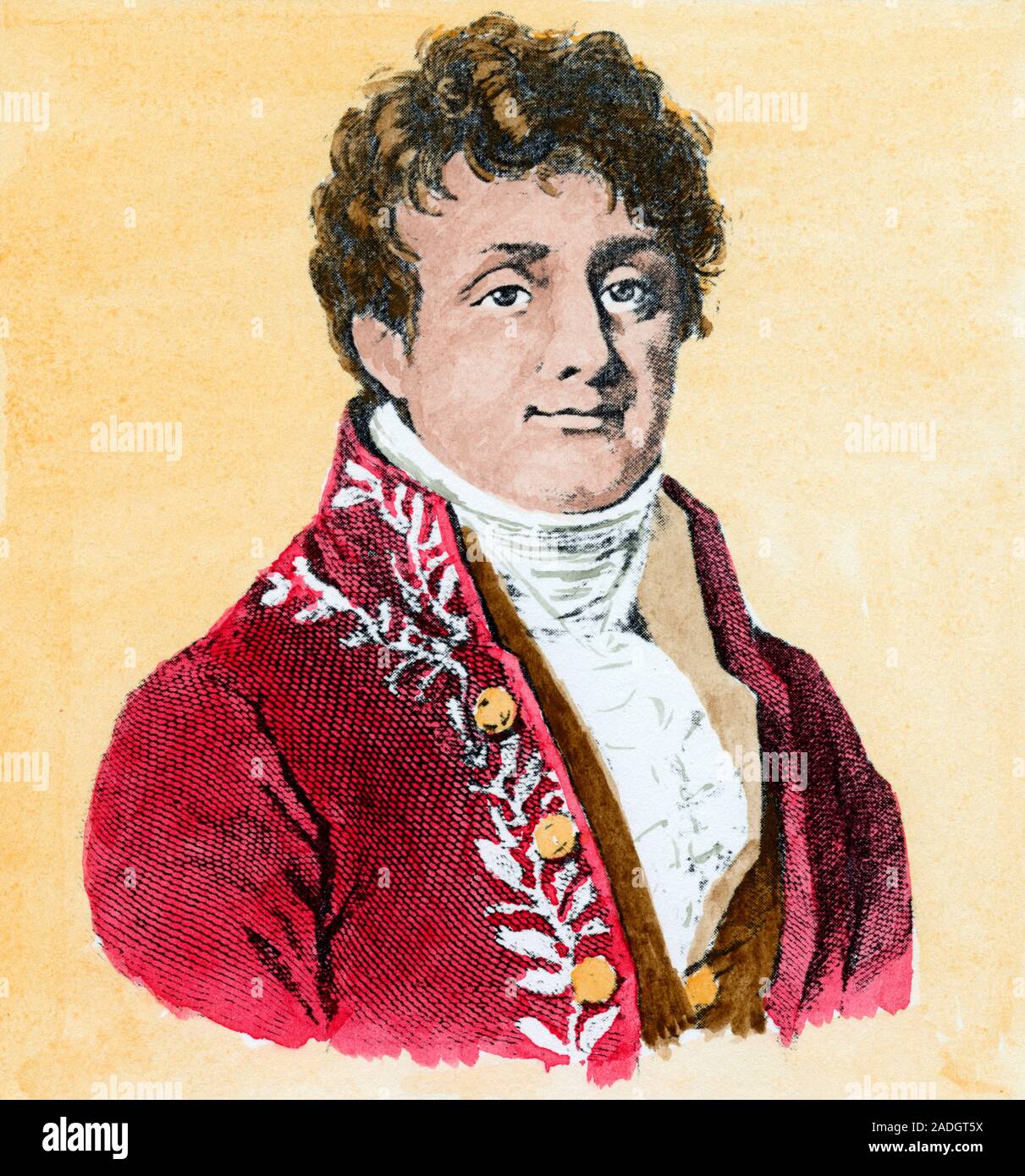
Joseph Fourier
(Jean-Baptiste Joseph Fourier)
French mathematician and physicist who created Fourier analysis for heat transfer and discovered the greenhouse effect.
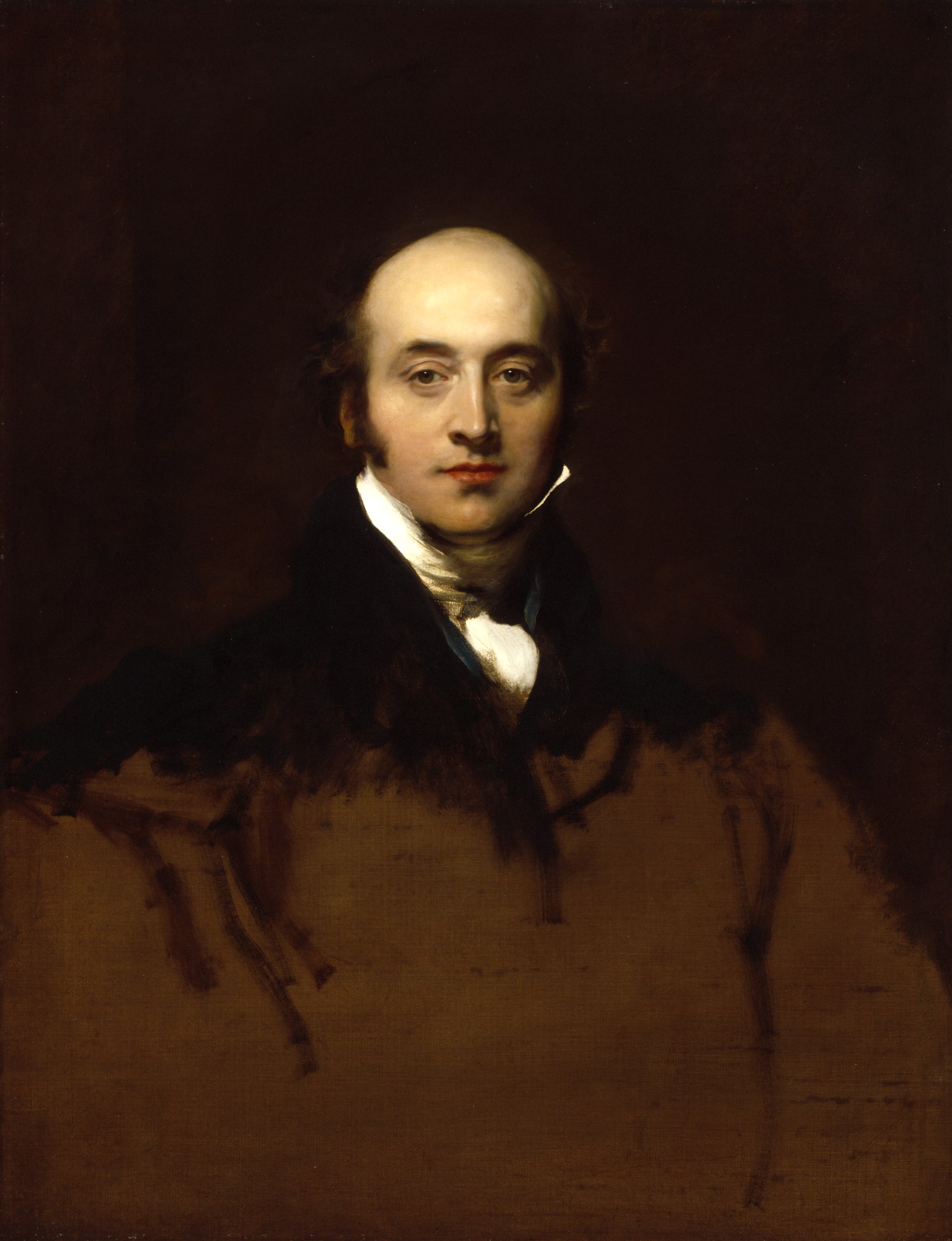
Sir Thomas Lawrence
(Thomas Lawrence)
Child prodigy and President of the Royal Academy who became the pre-eminent British portraitist of the Regency era, immortalized by his Waterloo Chamber royal portraits.
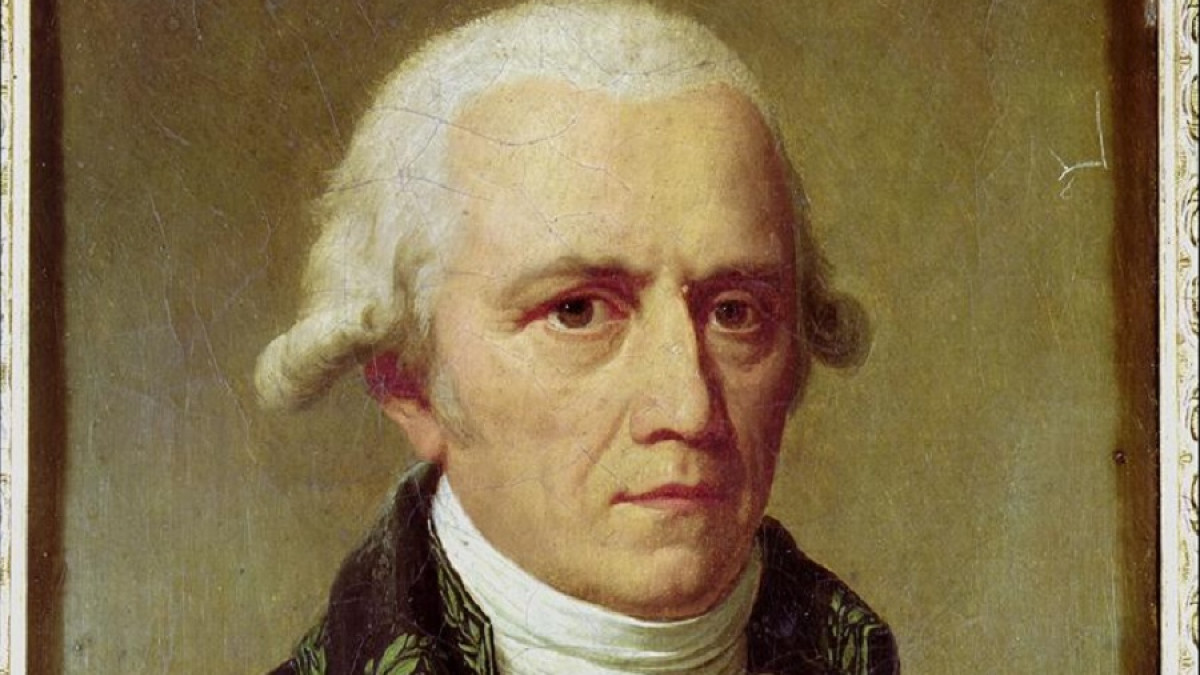
Jean-Baptiste Lamarck
(Jean-Baptiste Pierre Antoine de Monet, Chevalier de Lamarck)
Pioneering French naturalist who proposed the first coherent theory of biological evolution and coined the term 'biology'.
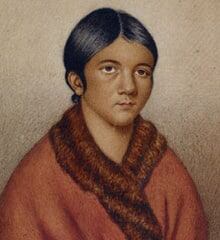
Shanawdithit
 (Shanawdithit)
The last recorded survivor of the Indigenous Beothuk people of Newfoundland whose pencil drawings and testimonies preserved the language, customs, and tragic history of her nation.