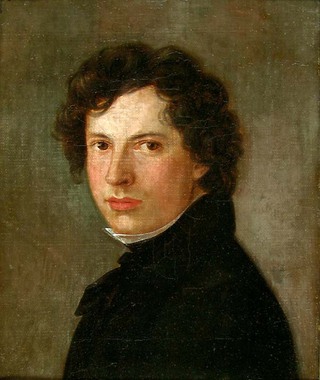
Jules Michelet
Towering French romantic historian who conceived history as a resurrection of the past ('rรฉsurrection intรฉgrale'), authored the monumental 17-volume Histoire de France, and was the first to define 'The Renaissance' as an epoch.
Start typing to search worldwide archives and community tributes
Filterable archive covering centuries of intellectual, artistic, and moral contributions to the human story.
Towering French romantic historian who conceived history as a resurrection of the past ('rรฉsurrection intรฉgrale'), authored the monumental 17-volume Histoire de France, and was the first to define 'The Renaissance' as an epoch.
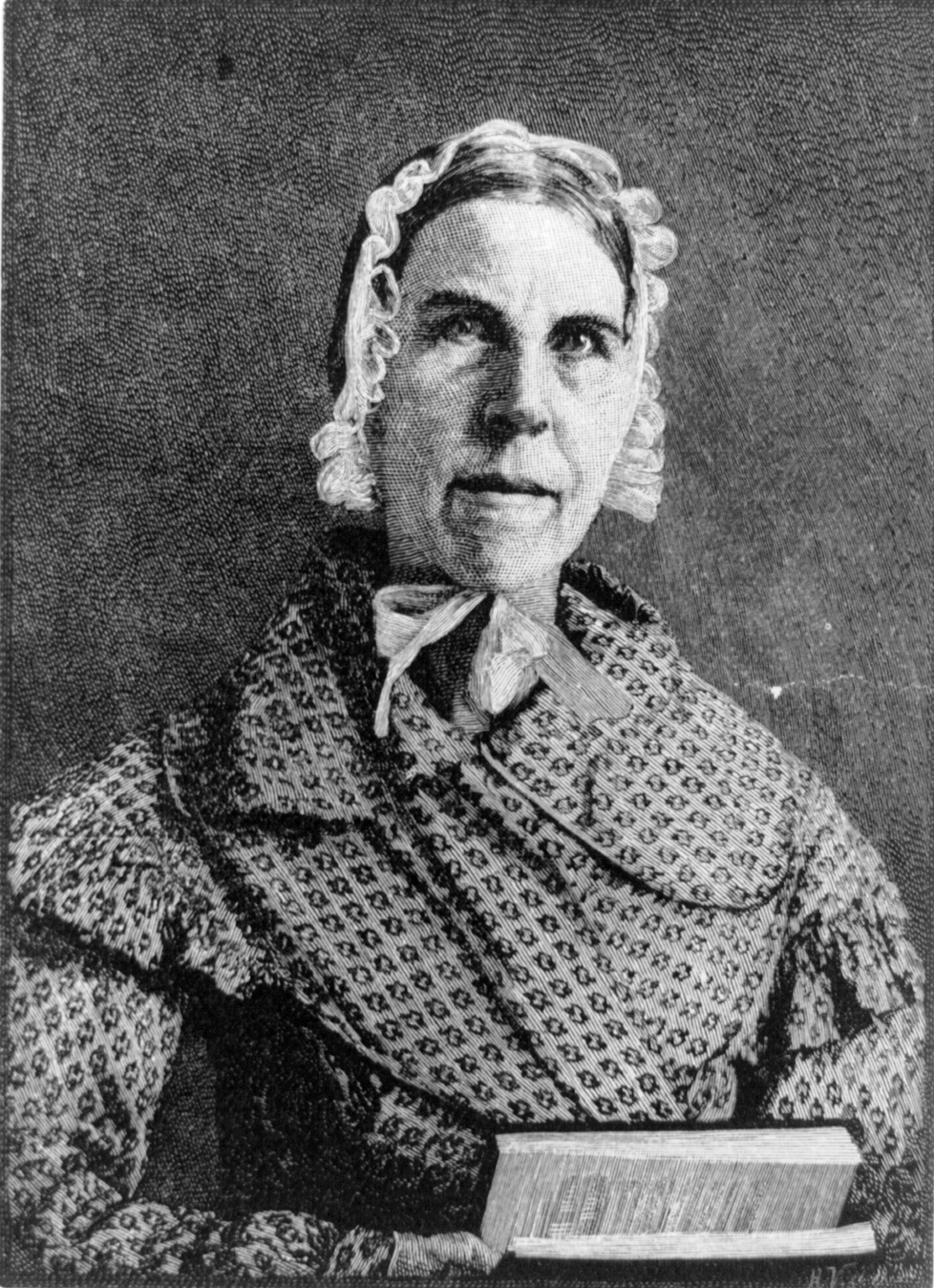
Southern-born abolitionist and women's rights pioneer who rejected her slaveholding family's wealth to campaign across the North, author of the groundbreaking 1838 feminist work 'Letters on the Equality of the Sexes'.
Distinguished Norwegian Romantic poet, aesthetician, and literary critic whose polemic sonnet cycle Norges Dรฆmring sparked the historic culture clash with Henrik Wergeland.
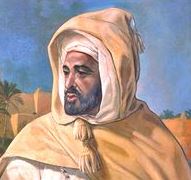
Alaouite Sultan of Morocco (1859โ1873) who defended national sovereignty in the 1859โ1860 Hispano-Moroccan War, created the first modern Moroccan standing army, and modernized royal estates.
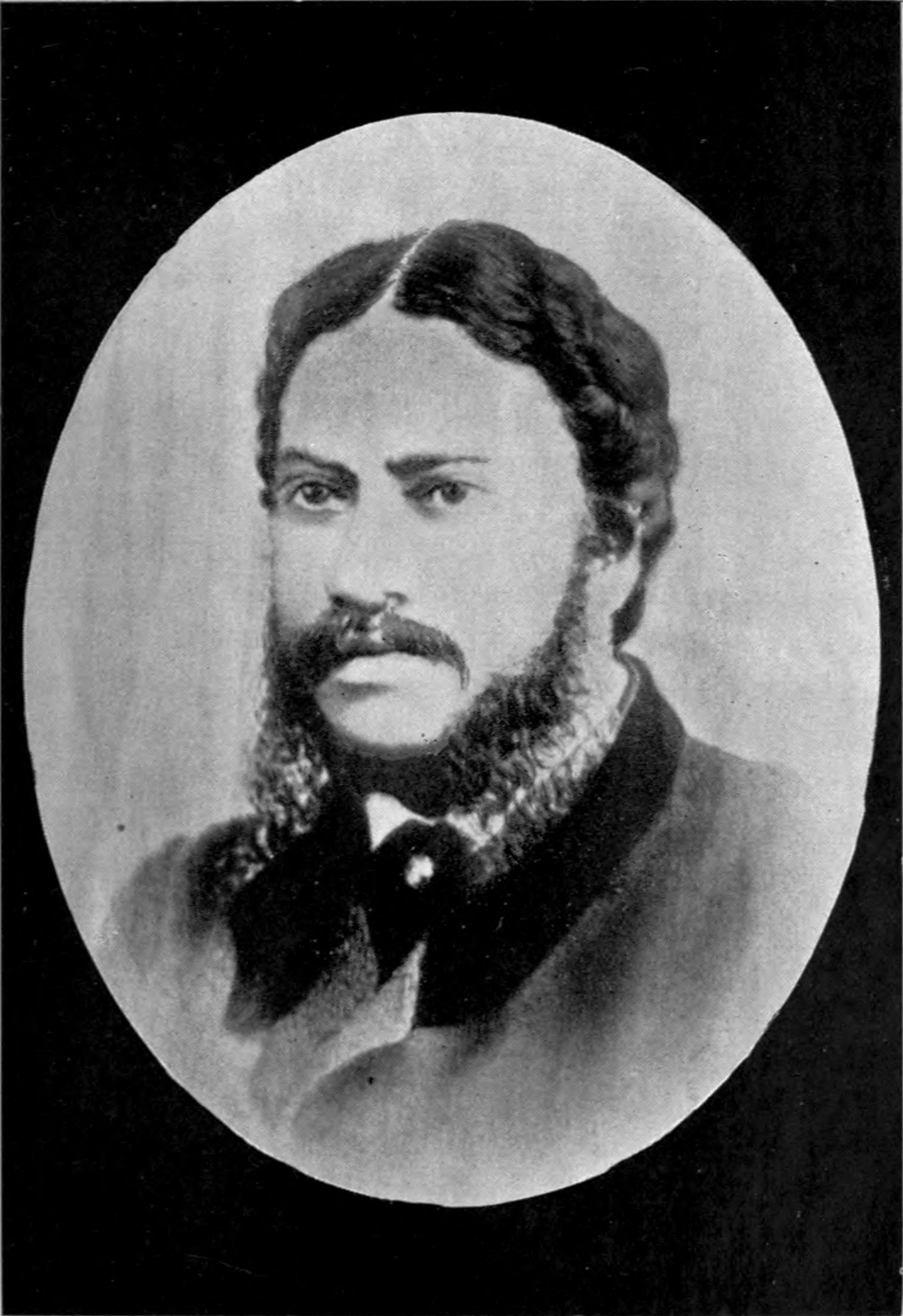
Pioneering 19th-century Bengali poet and dramatist who introduced blank verse (amritrakshar chhanda) and the sonnet into Bengali literature with his tragic epic Meghnad Badh Kavya.
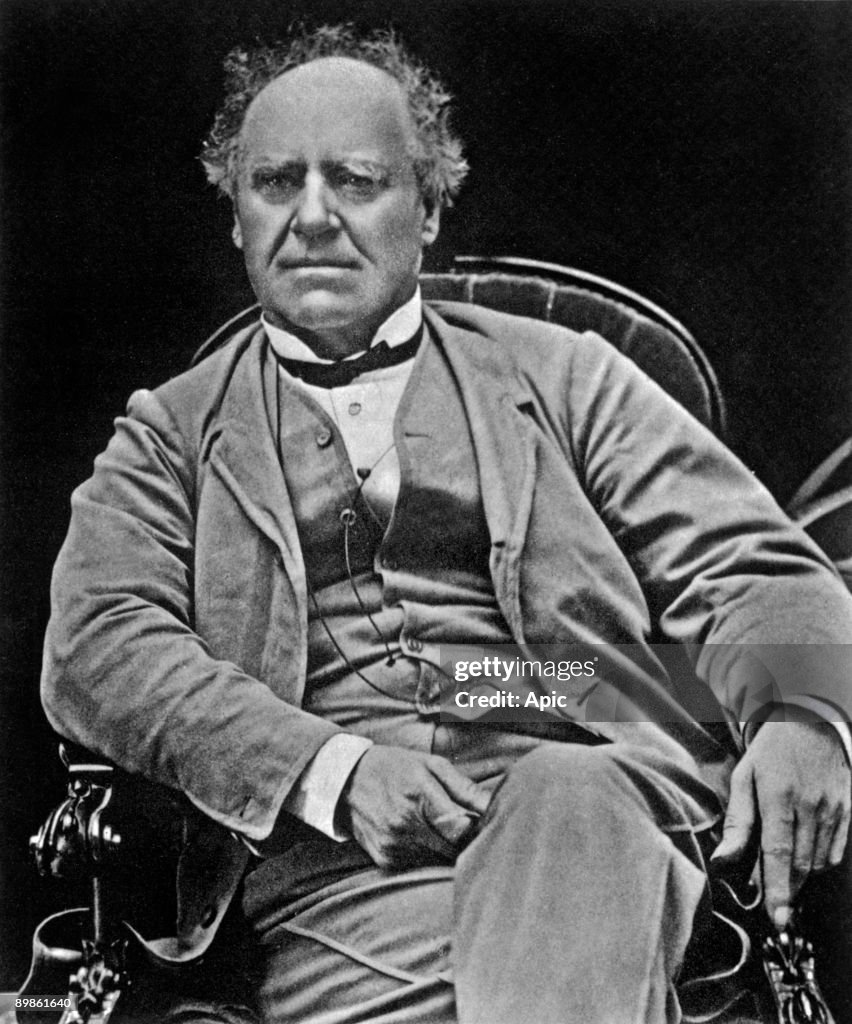
Legendary Nova Scotia orator and journalist who established freedom of the press in Canada with his 1835 libel acquittal and won the British Empire's first responsible government in 1848.
Epoch-making Egyptian writer, educator, and intellectual who led the 19th-century Arab renaissance (Nahda), authored 'Takhlis al-Ibriz', founded the School of Languages (Al-Alsun), and pioneered women's education.
Patriarch of modern Italian literature and Risorgimento icon whose historical novel I Promessi Sposi (The Betrothed) forged standard modern Italian prose.
Key Father of Confederation who allied with John A. Macdonald, brought French Canada into the 1867 union, secured the entry of British Columbia and Manitoba, and negotiated the purchase of Rupert's Land.
British philosopher and political economist who refined utilitarianism, formulated the harm principle in On Liberty, and made the historic parliamentary case for women's suffrage.
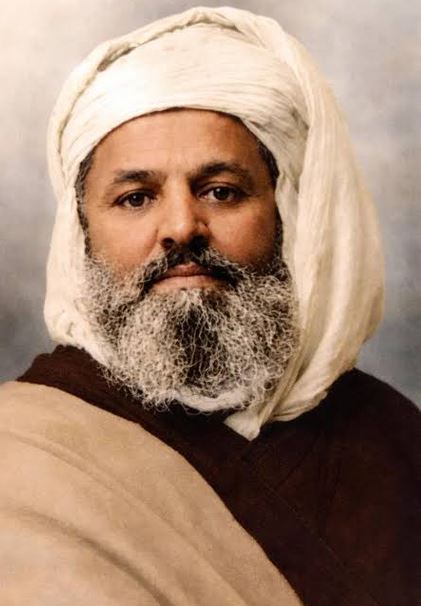
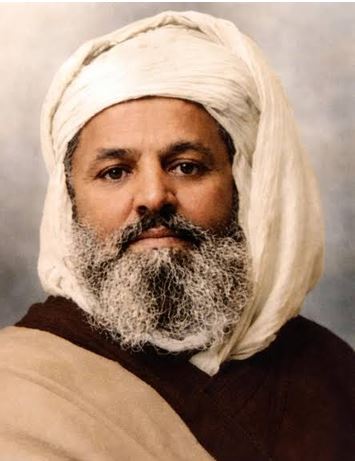
Revered 80-year-old spiritual master of the Rahmaniyya Sufi order who threw his walking stick into the air on April 8, 1871, mobilizing 250,000 fighters across Kabylie in the greatest anti-colonial uprising of the 19th century.
Spiritual master of the Rahmaniyya Sufi order whose proclamation of holy resistance in April 1871 mobilized hundreds of thousands of disciples alongside Cheikh El Mokrani in the great Algerian uprising.
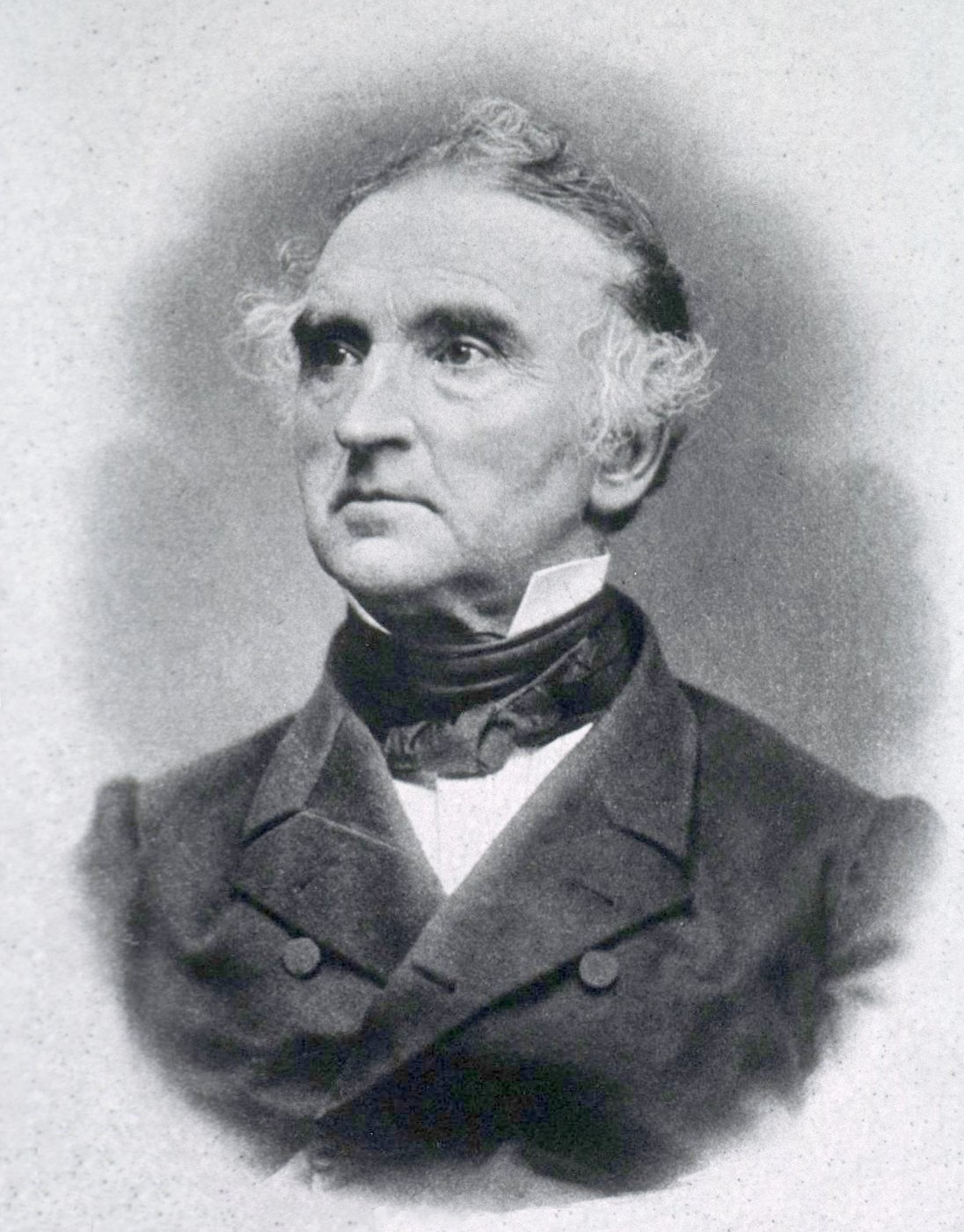
German chemist celebrated as the 'father of the fertilizer industry' who formulated Liebig's law of the minimum and invented the Liebig condenser.
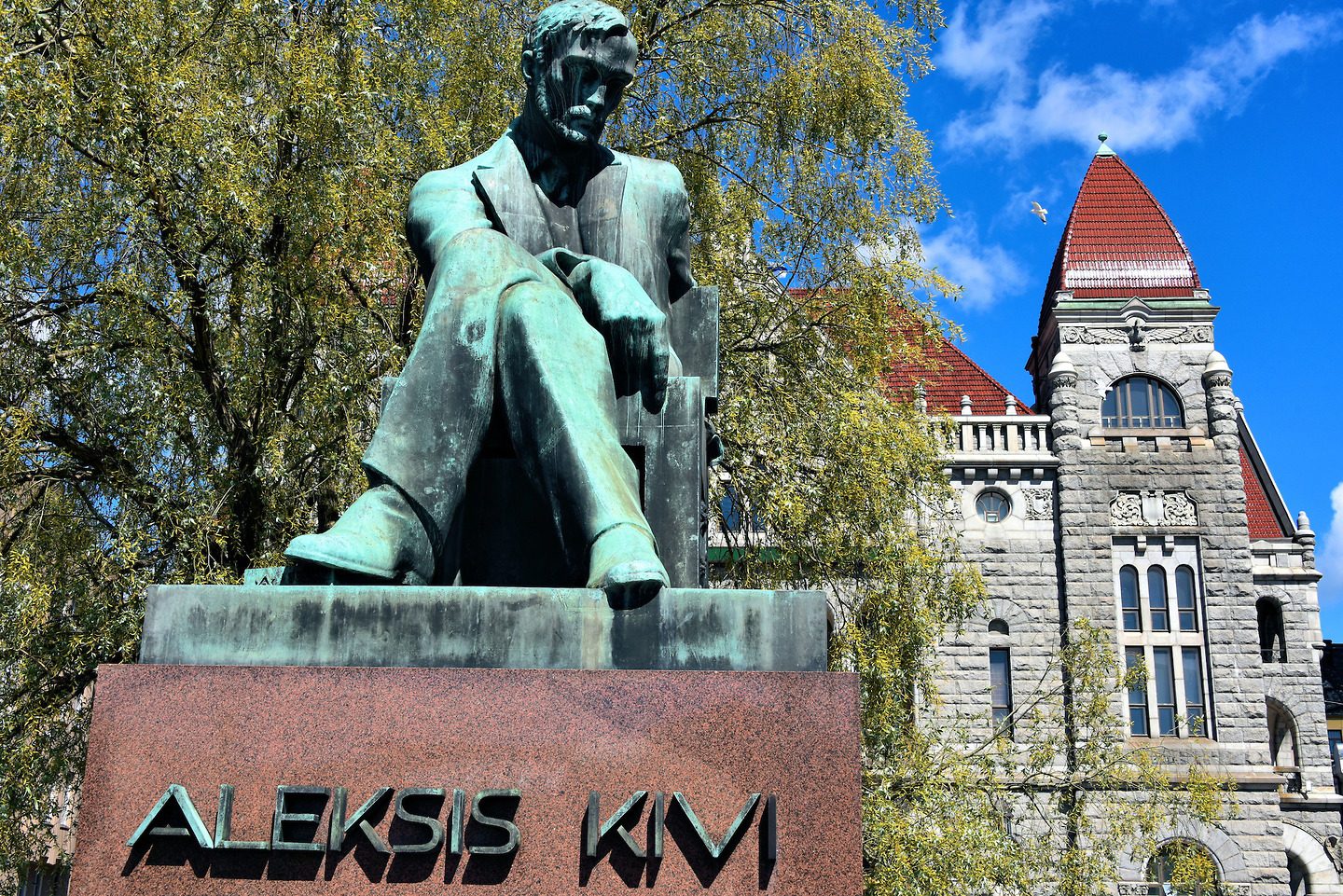
National author of Finland and creator of modern Finnish prose who wrote the first major novel in the Finnish language, Seitsemรคn veljestรค (Seven Brothers), and the comedy Nummisuutarit.
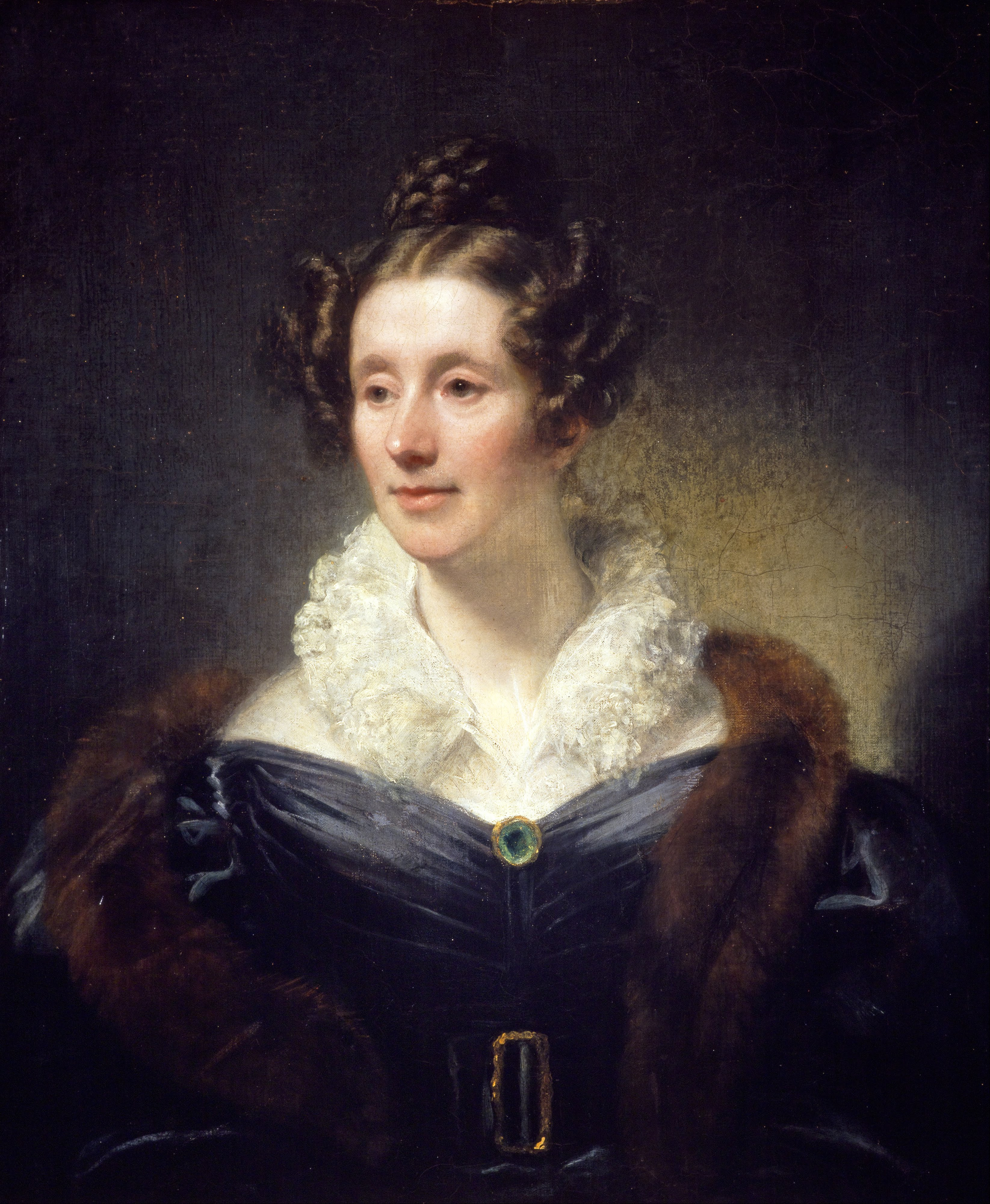
Scottish polymath, astronomer, and mathematician whose 1834 masterpiece 'On the Connexion of the Physical Sciences' united astronomy, physics, and chemistry, inspiring William Whewell to coin the word 'scientist' in her review.
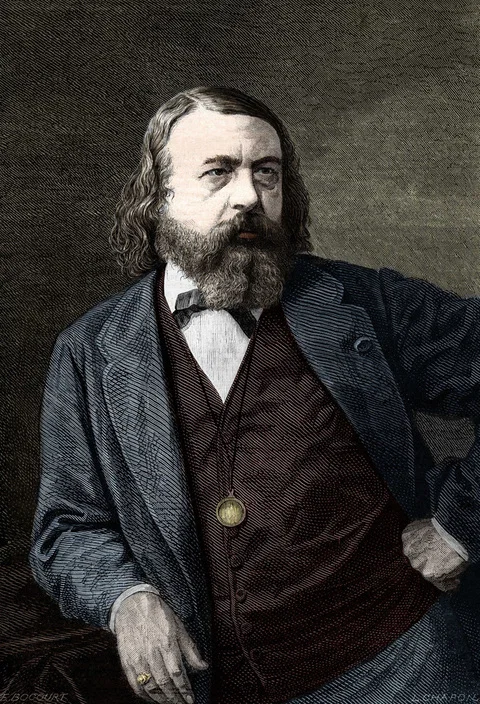
Pioneering French poet, critic, and novelist who formulated the aesthetic doctrine of 'Art for Art's sake' (l'art pour l'art) in Mademoiselle de Maupin and รmaux et Camรฉes.
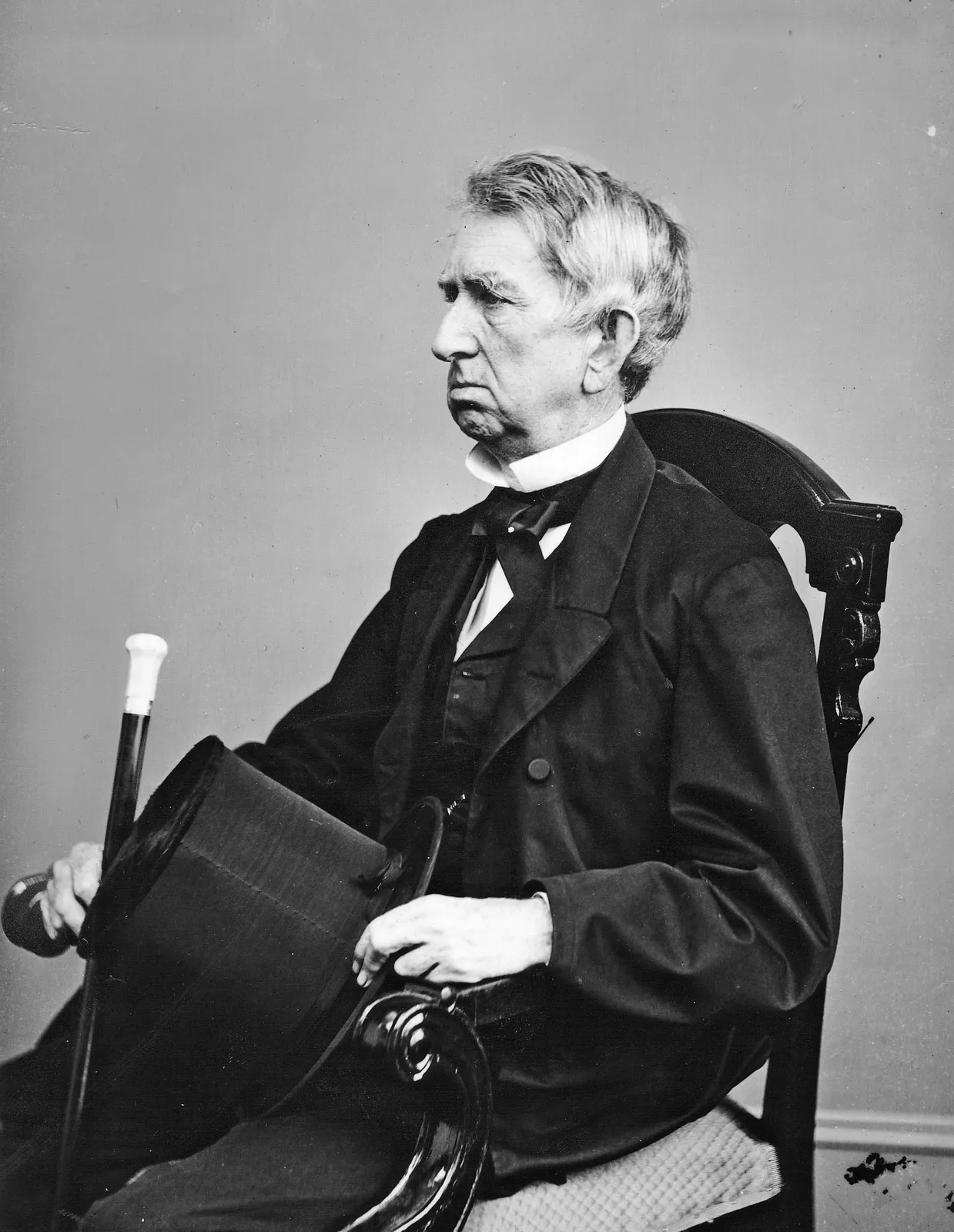
Abraham Lincoln's Secretary of State who prevented European intervention during the Civil War, survived an assassination attempt, and engineered the 1867 purchase of Alaska.
Visionary Nupe merchant and church leader who was rescued from a slave ship and became the first African elected to the Sierra Leone Legislative Council in 1863.