 Scotland
•
2 views
Scotland
•
2 views
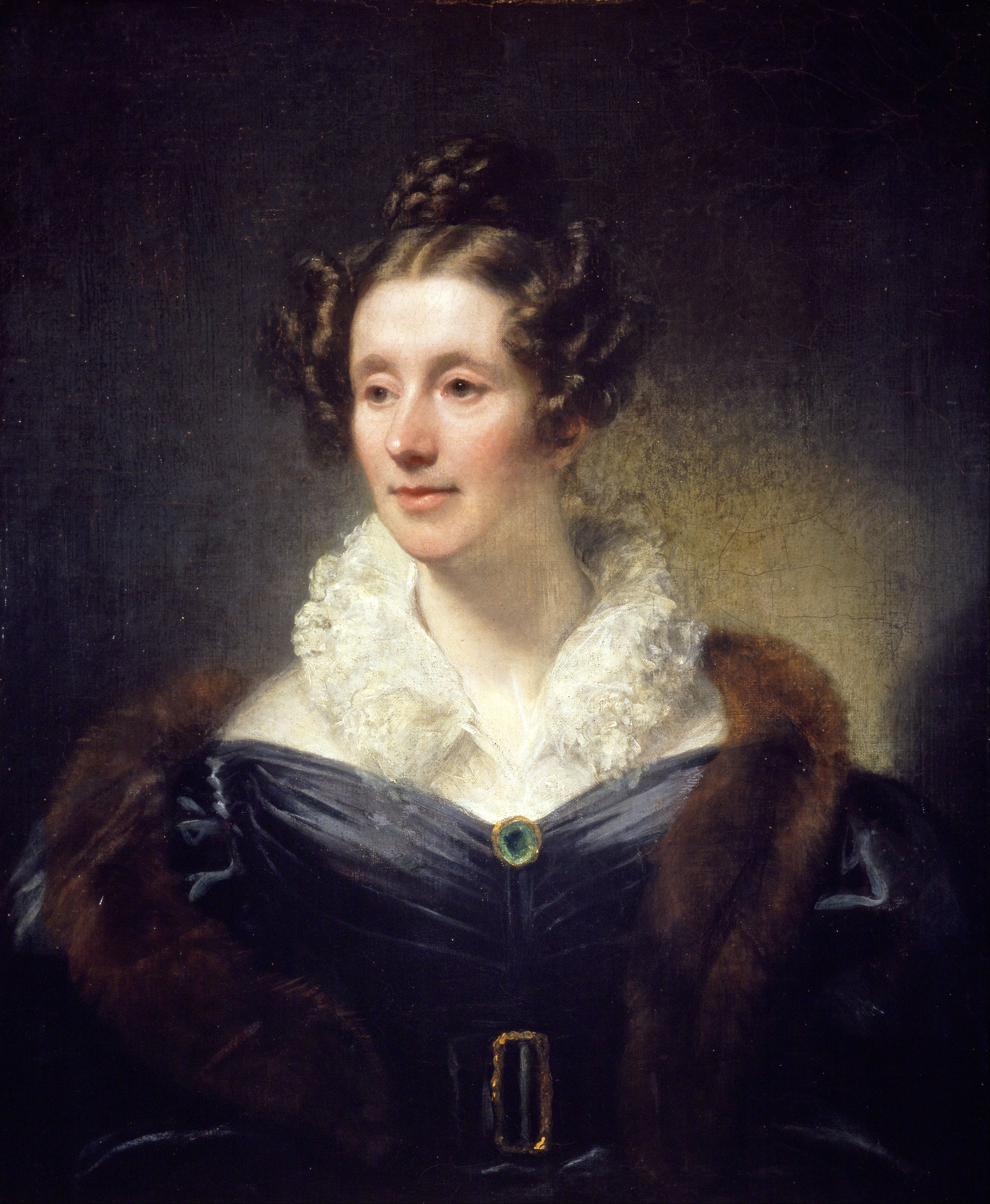
Mary Somerville

Jedburgh (Roxburghshire), Scotland
Archival Overview
Scottish polymath, astronomer, and mathematician whose 1834 masterpiece 'On the Connexion of the Physical Sciences' united astronomy, physics, and chemistry, inspiring William Whewell to coin the word 'scientist' in her review.
Biographical Record
Mary Somerville (1780–1872) taught herself Latin, Euclid, and advanced calculus in secret by candlelight despite familial disapproval of women studying mathematics. In 1831, her translation and exposition of Laplace's celestial mechanics, 'The Mechanism of the Heavens', became the standard university textbook at Cambridge.
Her brilliant synthesis 'On the Connexion of the Physical Sciences' (1834) predicted the existence of an unknown outer planet perturbing Uranus, directly inspiring John Couch Adams to discover Neptune. Alongside Caroline Herschel, she was elected the first female honorary member of the Royal Astronomical Society; Oxford's Somerville College is named in her honor.
Key Life Milestones
Publication of 'The Mechanism of the Heavens'
Translated and elucidated Laplace's celestial mechanics, establishing herself as Europe's foremost mathematician.
Publication of 'On the Connexion of the Physical Sciences'
Published the seminal bestselling scientific synthesis that prompted the coining of the term 'scientist'.
Memorial Guestbook & Tributes
0 messages recordedLeave a Respectful Tribute
Final Resting Place
Perpetual MemorialNaples, Italy