Public Figures & Cultural Luminaries
Filterable archive covering centuries of intellectual, artistic, and moral contributions to the human story.
Al-Husayn II ibn Mahmud Bey
 (الحسين الثاني باي)
Husainid ruler who in 1827 created the modern national flag of Tunisia (red banner with white circle, crescent, and star) following the Battle of Navarino to distinguish Tunisian naval vessels.
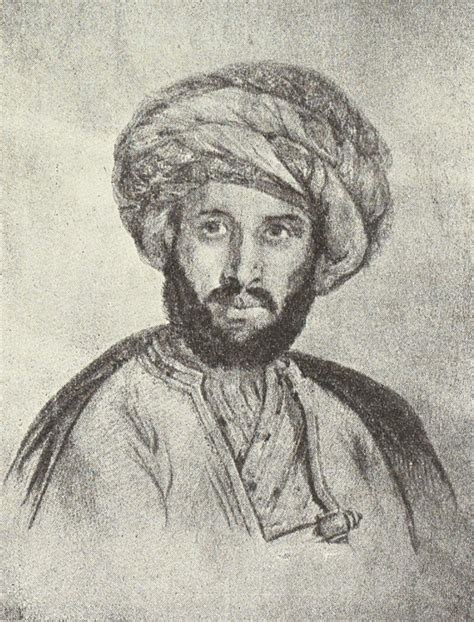
Hasan al-Attar
 (حسن العطار)
Visionary Grand Imam of Al-Azhar and polymath who recognized the necessity of modern scientific education following Napoleon's invasion of Egypt, serving as the intellectual mentor of Rifa'a al-Tahtawi and father of the Egyptian Nahda.
Guillaume Dupuytren
 (Guillaume Dupuytren)
Colossus of nineteenth-century French surgery and chief surgeon of the Hôtel-Dieu in Paris for two decades, revered as 'first among surgeons' who discovered Dupuytren's contracture and trained a generation of surgeons.
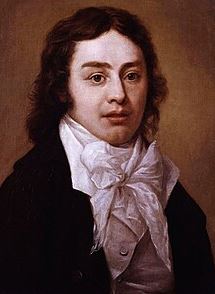
Samuel Taylor Coleridge
 (Samuel Taylor Coleridge)
Visionary English Romantic poet, philosopher, and critic who co-founded the Romantic movement with Wordsworth, creating hallucinated supernatural masterworks—The Rime of the Ancient Mariner, Kubla Khan, and Christabel.
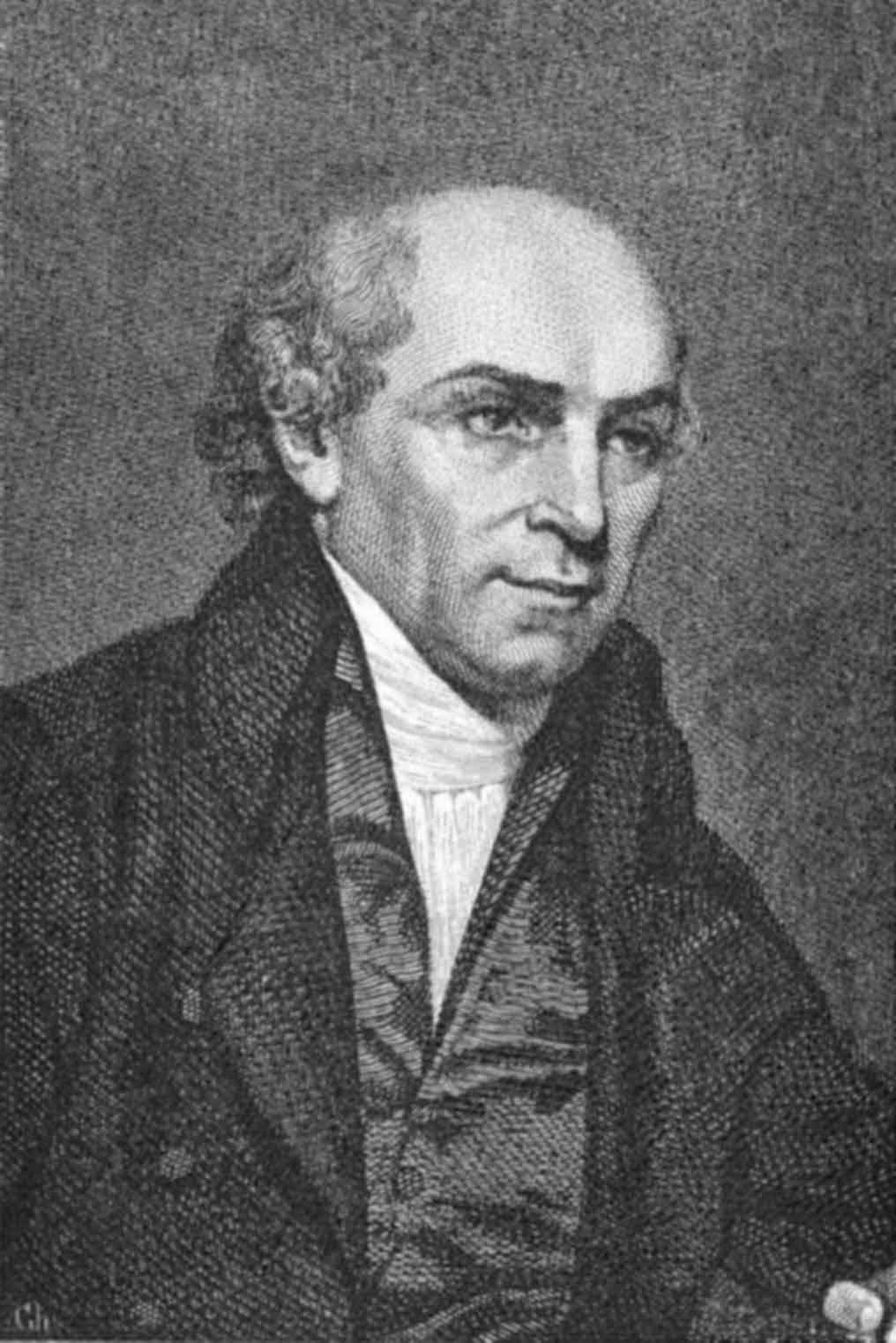
William Carey
(William Carey)
English Baptist missionary, botanist, and translator who sailed to India in 1793, translated the Bible into forty-four Asian languages, and successfully campaigned to abolish Sati.
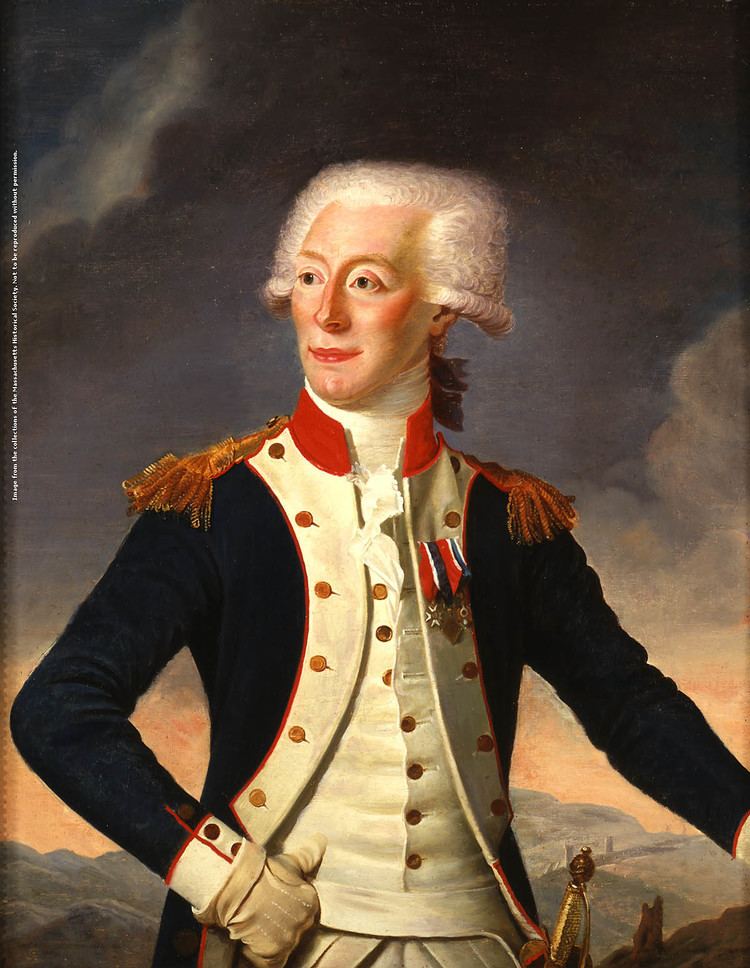
Gilbert du Motier, Marquis de Lafayette
(Gilbert du Motier, marquis de La Fayette)
French aristocrat and major general in the Continental Army hailed as the 'Hero of Two Worlds', who trapped Lord Cornwallis at Yorktown and drafted the Declaration of the Rights of Man.
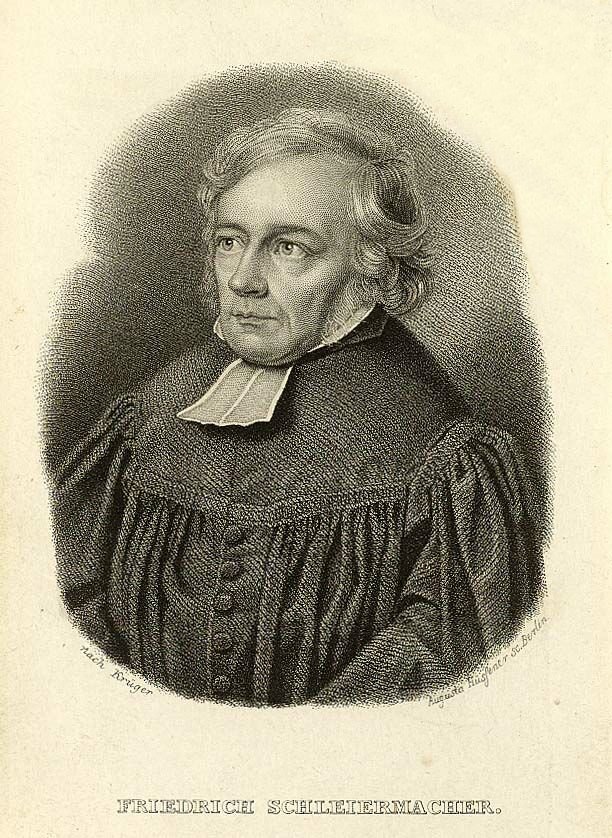
Friedrich Daniel Ernst Schleiermacher
 (Friedrich Schleiermacher)
German Reformed theologian and philosopher whose 'On Religion: Speeches to Its Cultured Despisers' and 'The Christian Faith' grounded religion in the intuitive feeling of absolute dependence.

Hassan Bey of Oran
 (حسن باي وهران)
The last Bey of the Western Beylik of Oran (1812–1831), who governed Oran during the dramatic final years of the Regency before the French colonial invasion.
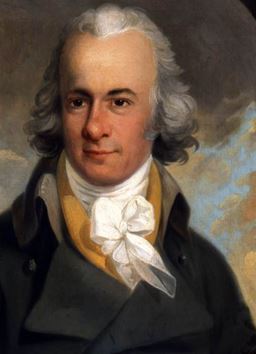
William Wilberforce
(William Wilberforce)
British politician and philanthropist who headed the twenty-year parliamentary campaign against the British slave trade until the passage of the Slave Trade Act of 1807 and the Slavery Abolition Act of 1833.
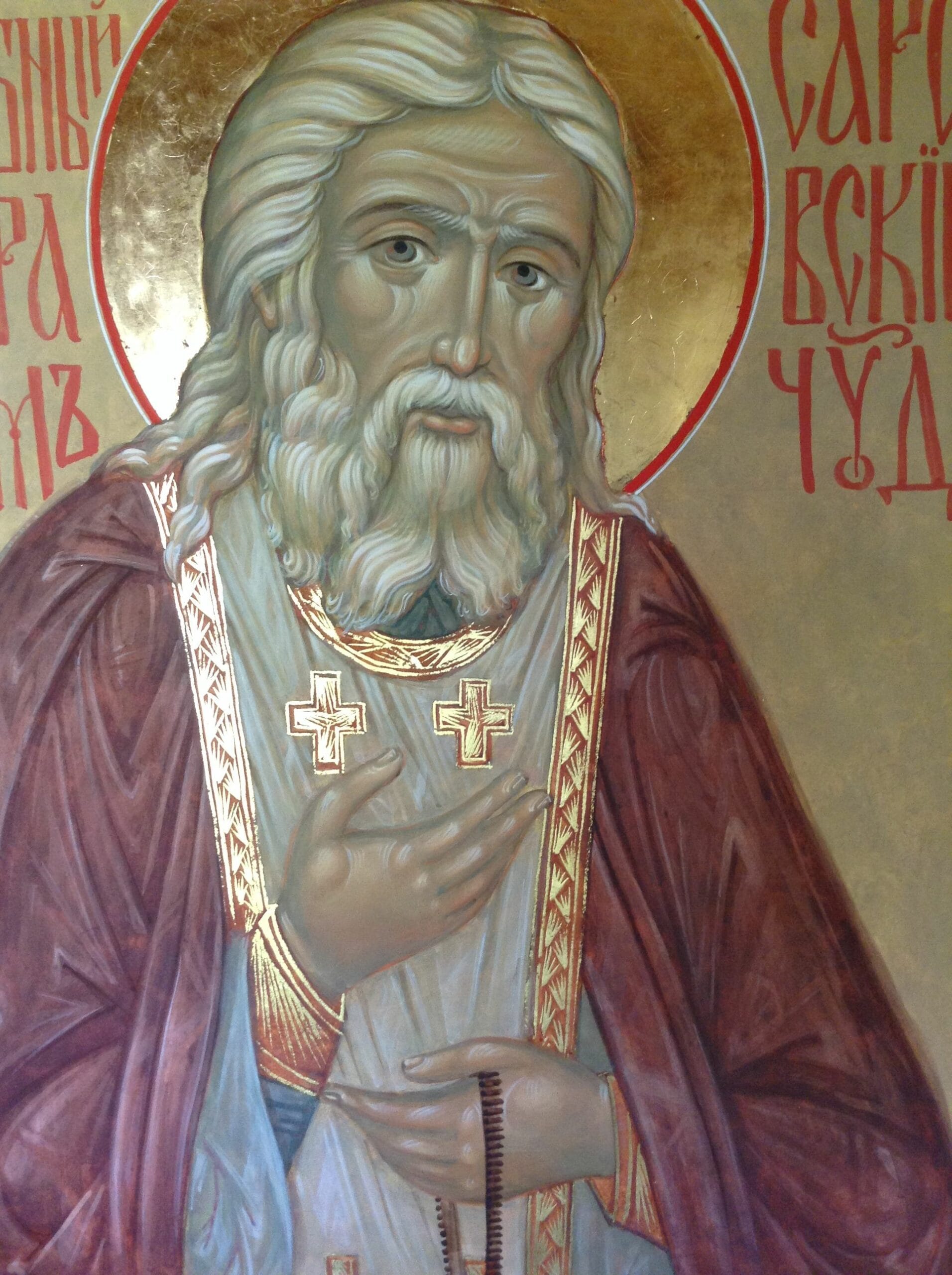
Seraphim of Sarov
 (Серафим Саровский)
Beloved Russian elder and mystic whose joyful greeting 'My joy, Christ is risen!' and conversation with Motovilov defined the Christian life as the acquisition of the Holy Spirit.
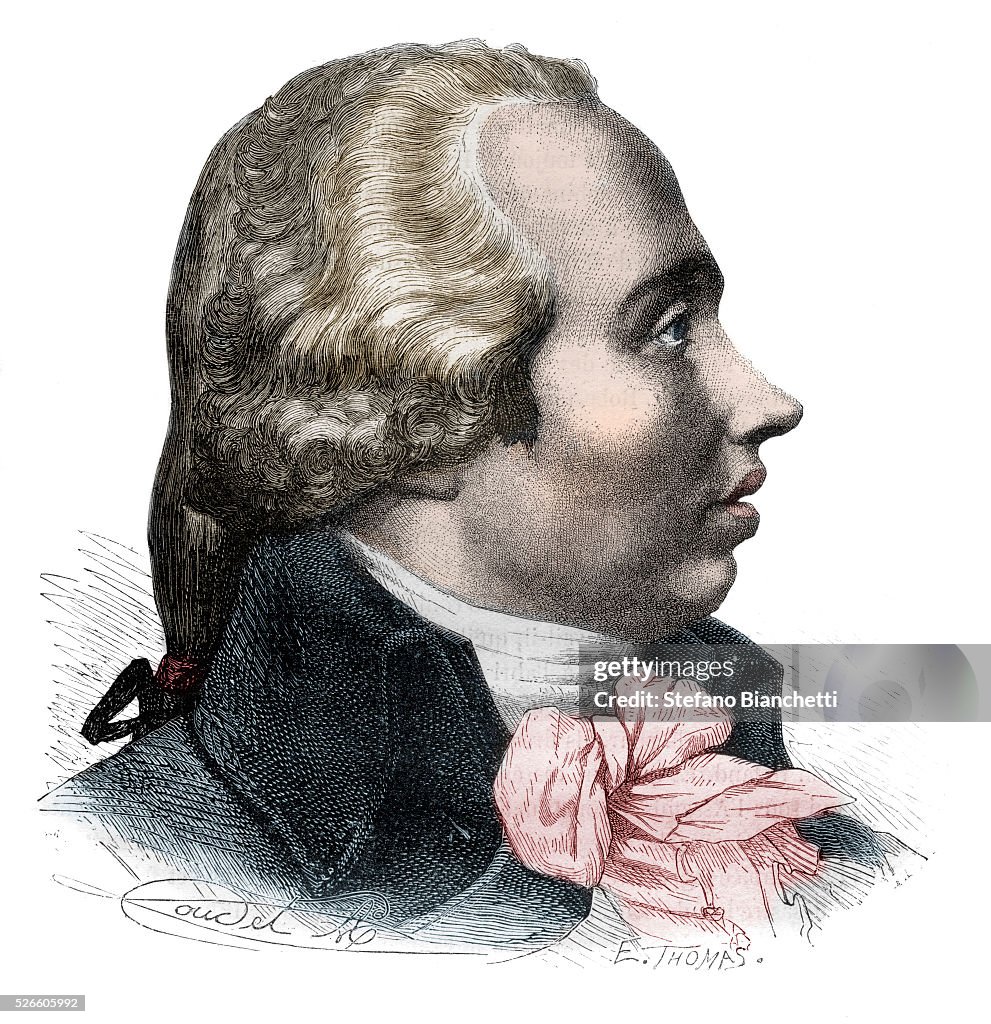
Adrien-Marie Legendre
(Adrien-Marie Legendre)
French mathematician who invented the method of least squares, formulated Legendre polynomials, and made foundational contributions to number theory and the law of quadratic reciprocity.
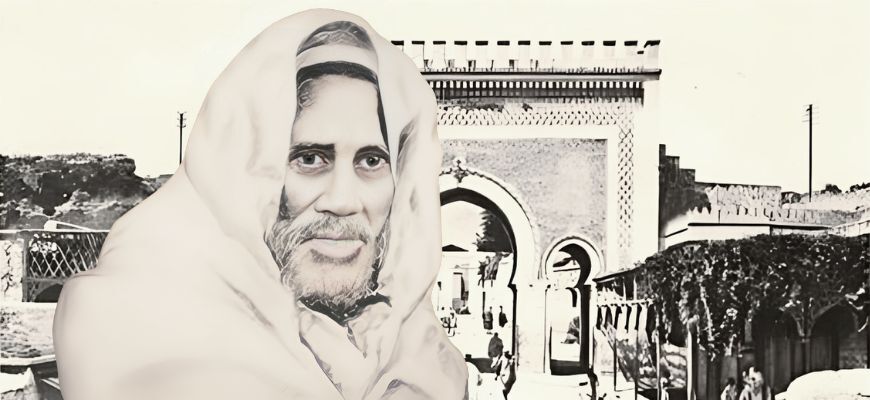
Abu al-Qasim al-Zayani
 (أبو القاسم الزياني)
Eminent Moroccan statesman, grand vizier, diplomat, and historian who served four Alaouite sultans over six decades, authoring fifteen major works on Moroccan history and world geography.
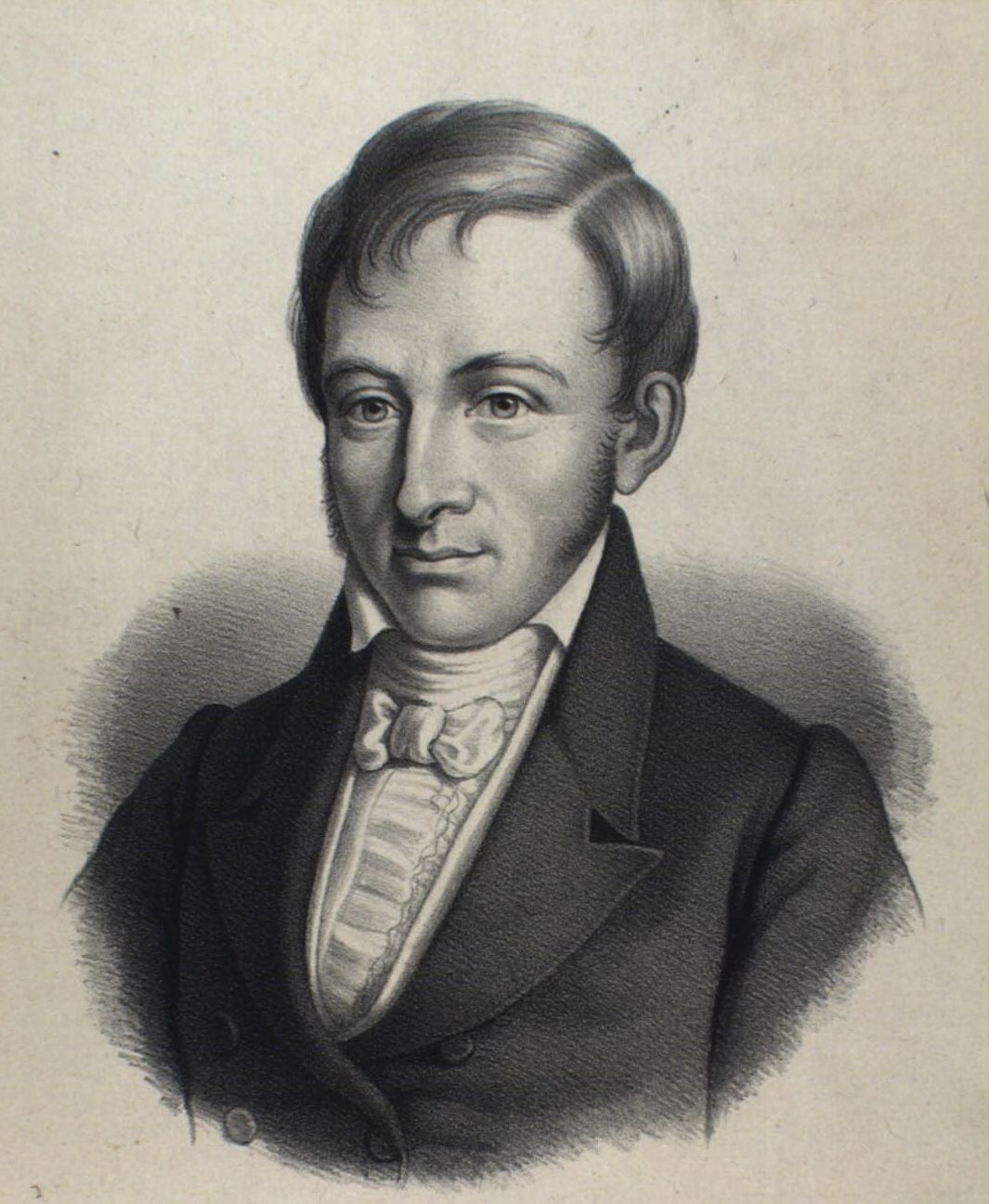
Rasmus Rask
 (Rasmus Christian Rask)
Brilliant Danish comparative linguist and polyglot who formulated the systematic sound correspondences between Germanic and classical languages that formed Grimm's Law.
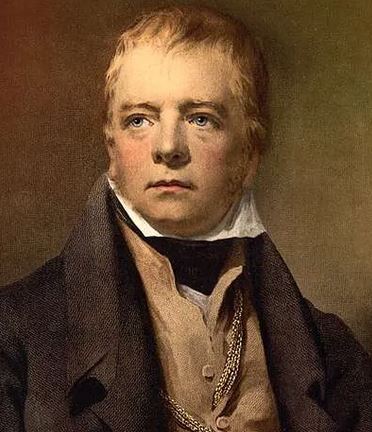
Sir Walter Scott, 1st Baronet
(Sir Walter Scott)
Scottish literary colossus known as 'The Wizard of the North' who single-handedly invented the modern historical novel with Waverley, Rob Roy, and Ivanhoe, capturing the romantic imagination of Europe and inspiring Balzac, Dumas, and Tolstoy.
Sadi Carnot
(Nicolas Léonard Sadi Carnot)
Visionary French military engineer and physicist who founded the science of thermodynamics in 1824 with his treatise Réflexions sur la puissance motrice du feu, discovering the Carnot cycle and the Second Law of Thermodynamics.
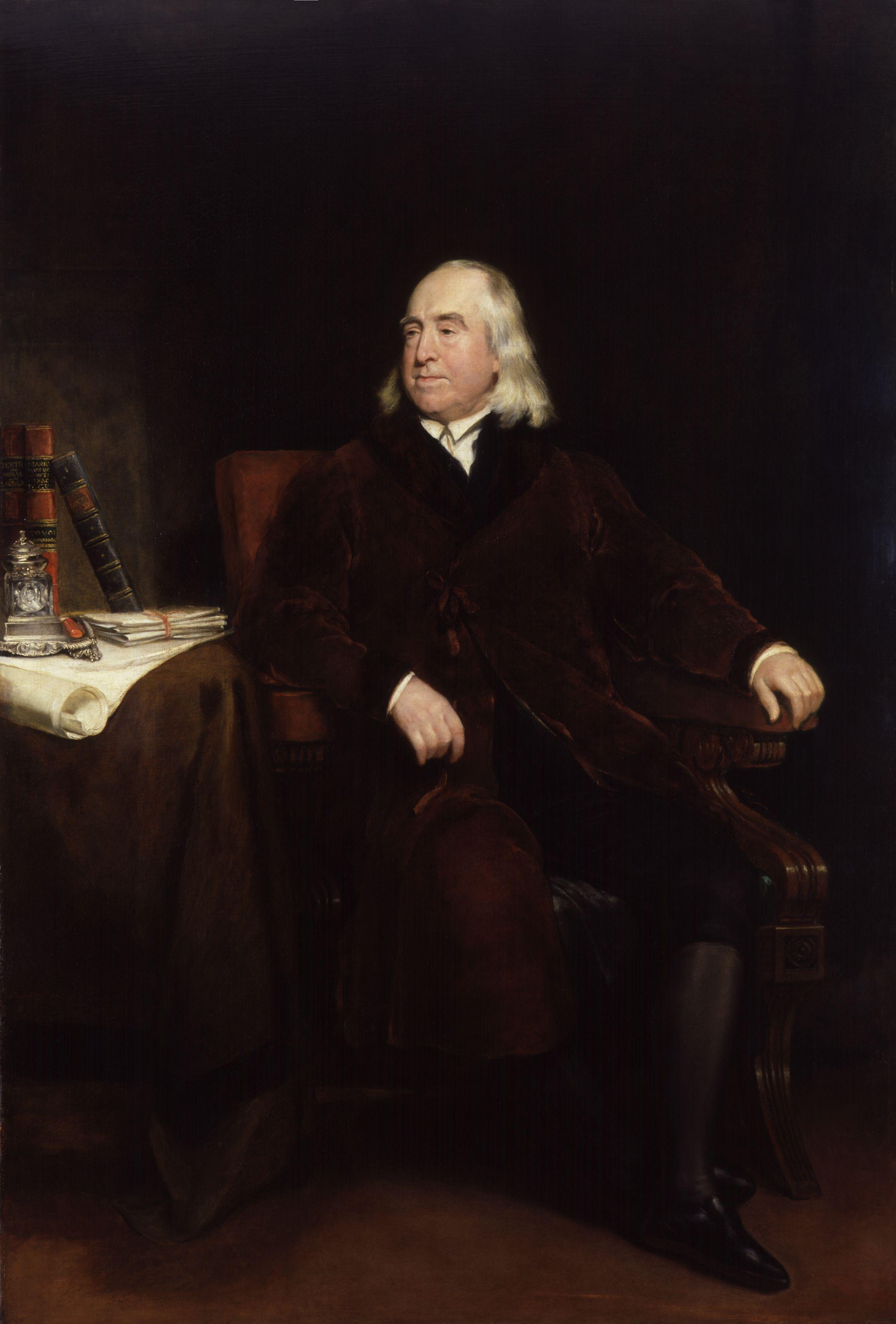
Jeremy Bentham
(Jeremy Bentham)
English philosopher, jurist, and social reformer who founded modern utilitarianism, proposing that morality consists in promoting 'the greatest happiness of the greatest number'.
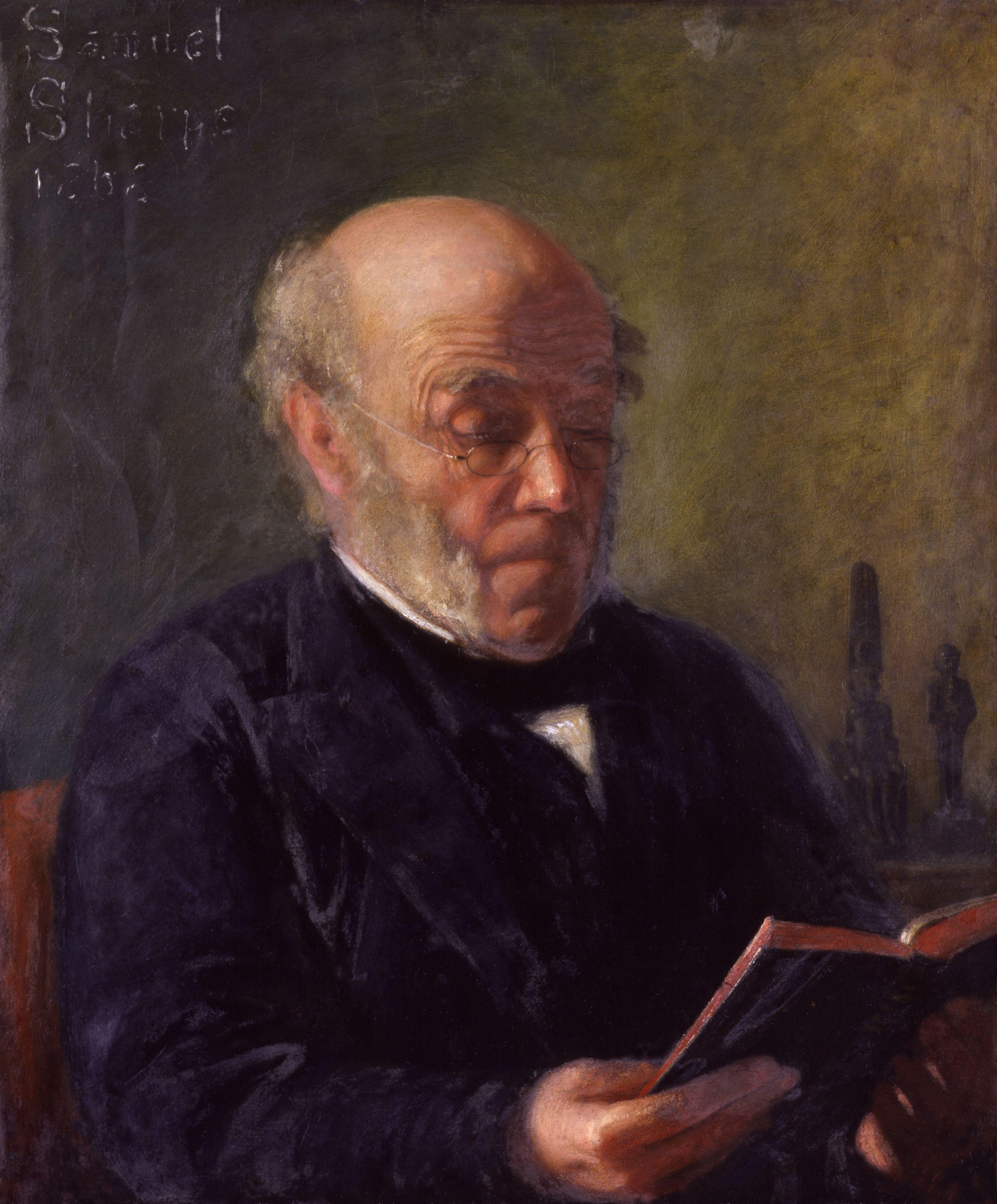
Samuel Sharpe
 (Samuel Sharpe)
National Hero of Jamaica and enslaved Baptist deacon 'Daddy Sharpe' who organized the massive 1831 Baptist War rebellion involving 60,000 enslaved people, whose moral courage accelerated British parliamentary abolition in 1833.
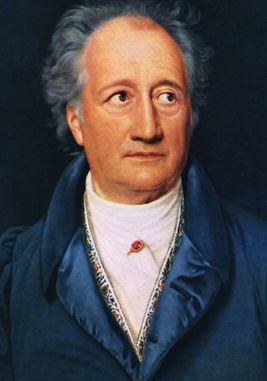
Johann Wolfgang von Goethe
 (Johann Wolfgang von Goethe)
Supreme giant of German literature and European polymath whose epistolary novel The Sorrows of Young Werther launched Sturm und Drang, and whose life's masterwork Faust stands as the cosmic tragedy of modern humanity's striving soul.