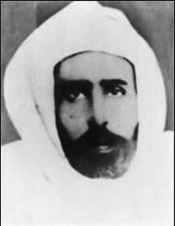
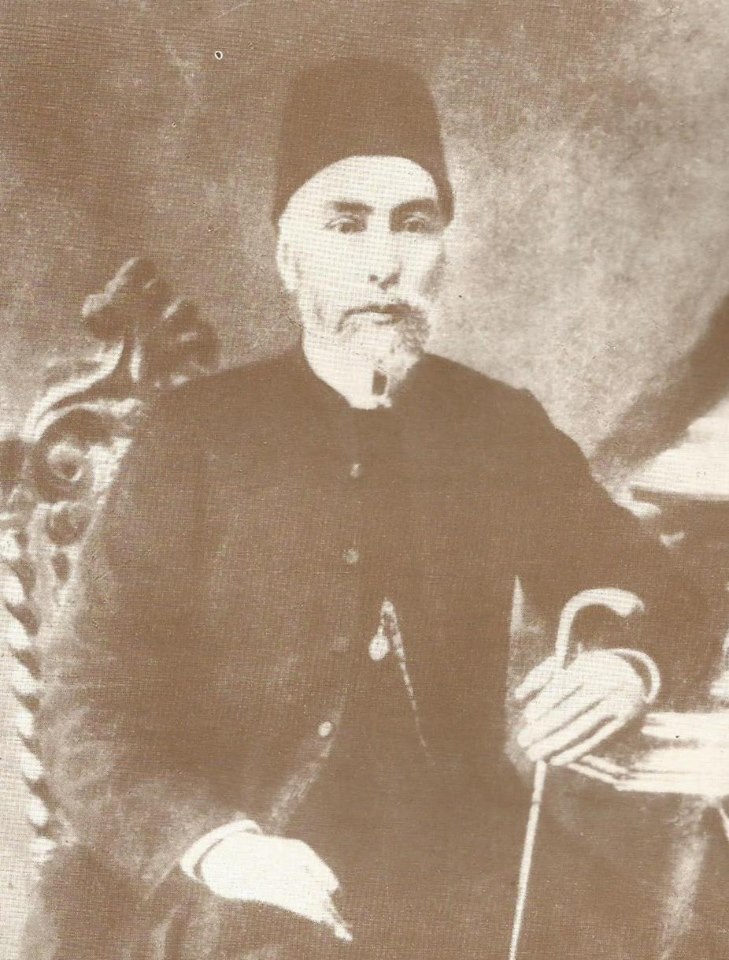
Ismail Sfar
Celebrated poet and enlightened civil servant whose patriotic verse inspired early nationalist consciousness and whose sons Bรฉchir and Tahar Sfar founded modern Tunisian political movements.
Start typing to search worldwide archives and community tributes
Filterable archive covering centuries of intellectual, artistic, and moral contributions to the human story.
Celebrated poet and enlightened civil servant whose patriotic verse inspired early nationalist consciousness and whose sons Bรฉchir and Tahar Sfar founded modern Tunisian political movements.
Titan of French Academic painting and sculpture whose hyper-realistic historical, gladiator, and Orientalist canvasesโsuch as 'Pollice Verso'โshaped modern historical imagery.
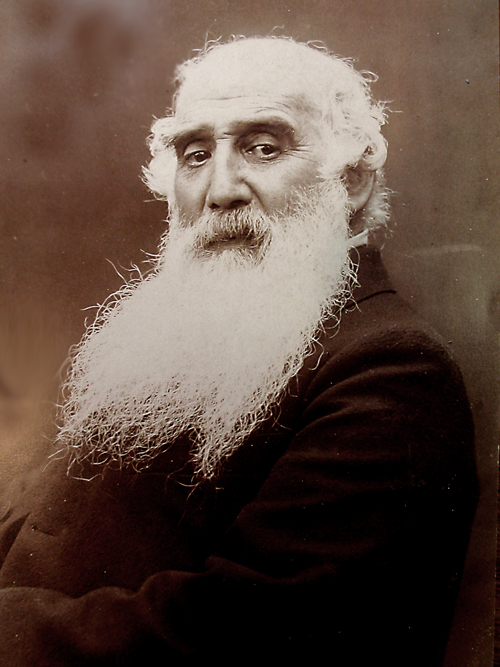
Danish-French Impressionist and Neo-Impressionist painter, revered as the patriarchal mentor of Cรฉzanne, Gauguin, and Seurat.
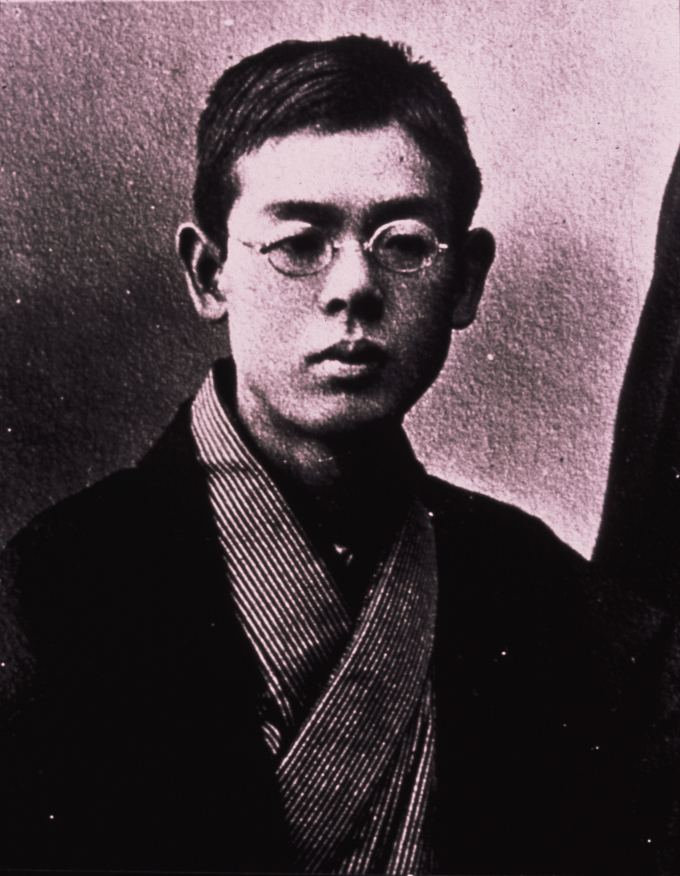
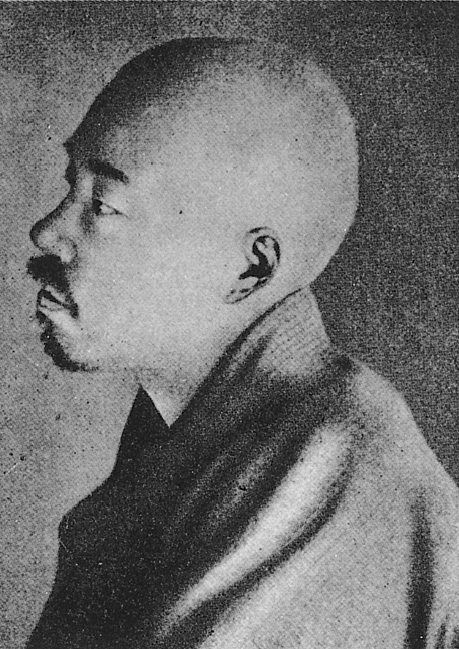
Pioneering Meiji-era Japanese composer and pianist who wrote the beloved song Kojo no Tsuki (The Moon over the Ruined Castle), fusing Western classical harmony with Japanese pentatonic lyricism.
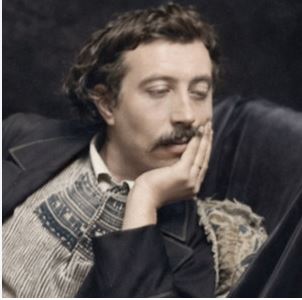
French Post-Impressionist painter who abandoned bourgeois civilization to pioneer Synthetism and Symbolism, using flat blocks of pure non-naturalistic color and mythic Tahitian imagery in Where Do We Come From? What Are We? Where Are We Going?
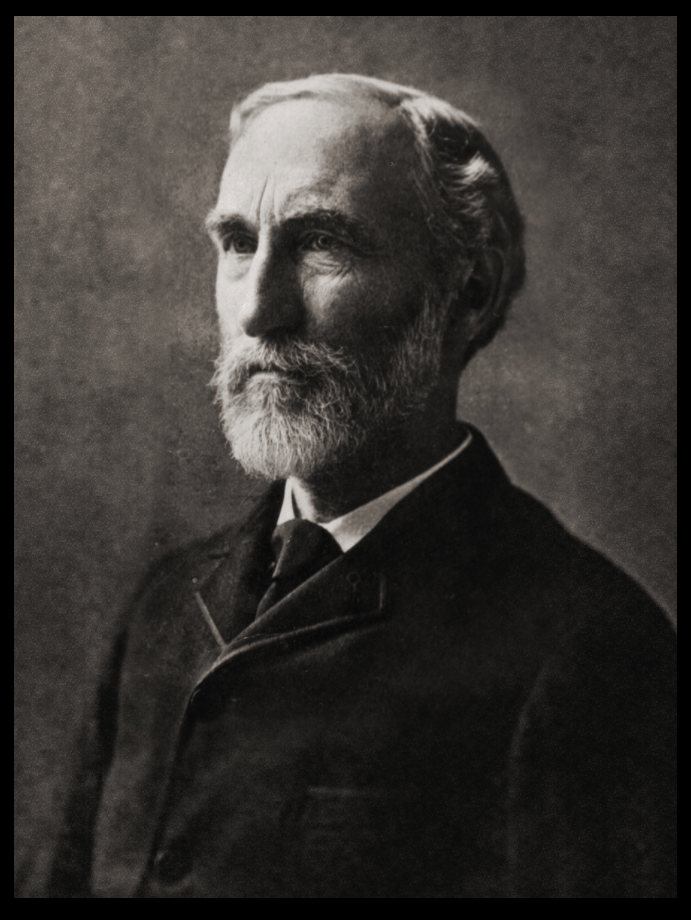
Foundational American mathematical physicist who created modern chemical thermodynamics and vector analysis.
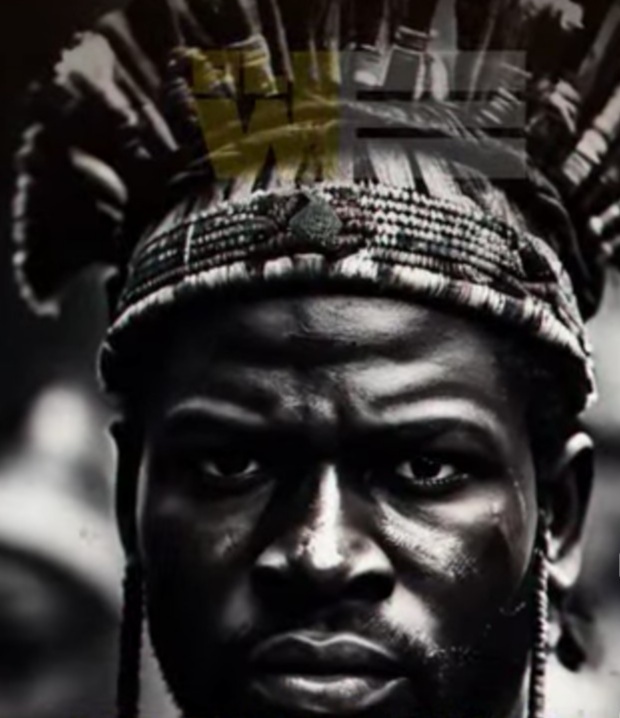
Heroic military commander and chief counselor of the Bailundo Kingdom who led the massive 1902 Bailundo Revolt against Portuguese colonial forced labor and trader abuses.
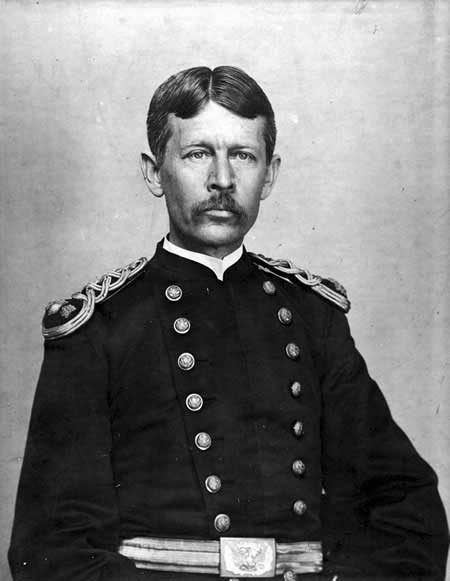
Mรฉdecin militaire amรฉricain qui dirigea la commission cubaine dรฉmontrant de maniรจre irrรฉfutable que la fiรจvre jaune est transmise par le moustique Aedes aegypti.
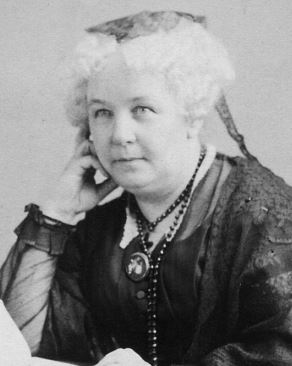
American suffragist, social activist, and abolitionist who organized the 1848 Seneca Falls Convention and authored the Declaration of Sentiments, launching the organized women's rights movement in the United States.
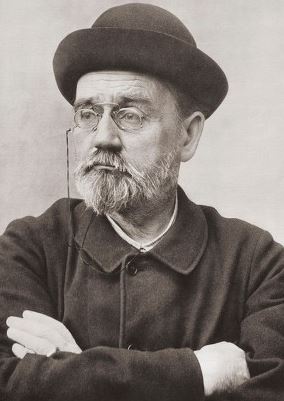
Preeminent figure of literary Naturalism whose 20-volume Rougon-Macquart cycle (Germinal, L'Assommoir) exposed working-class struggles, and whose heroic 1898 front-page letter J'Accuse...! saved Captain Alfred Dreyfus and vindicated the French Republic.
Meiji-era literary reformer and poet (1867โ1902) who revitalized traditional Japanese poetry, coined the modern terms 'haiku' and 'tanka', and pioneered realism (shasei, 'sketching from life') in modern verse.
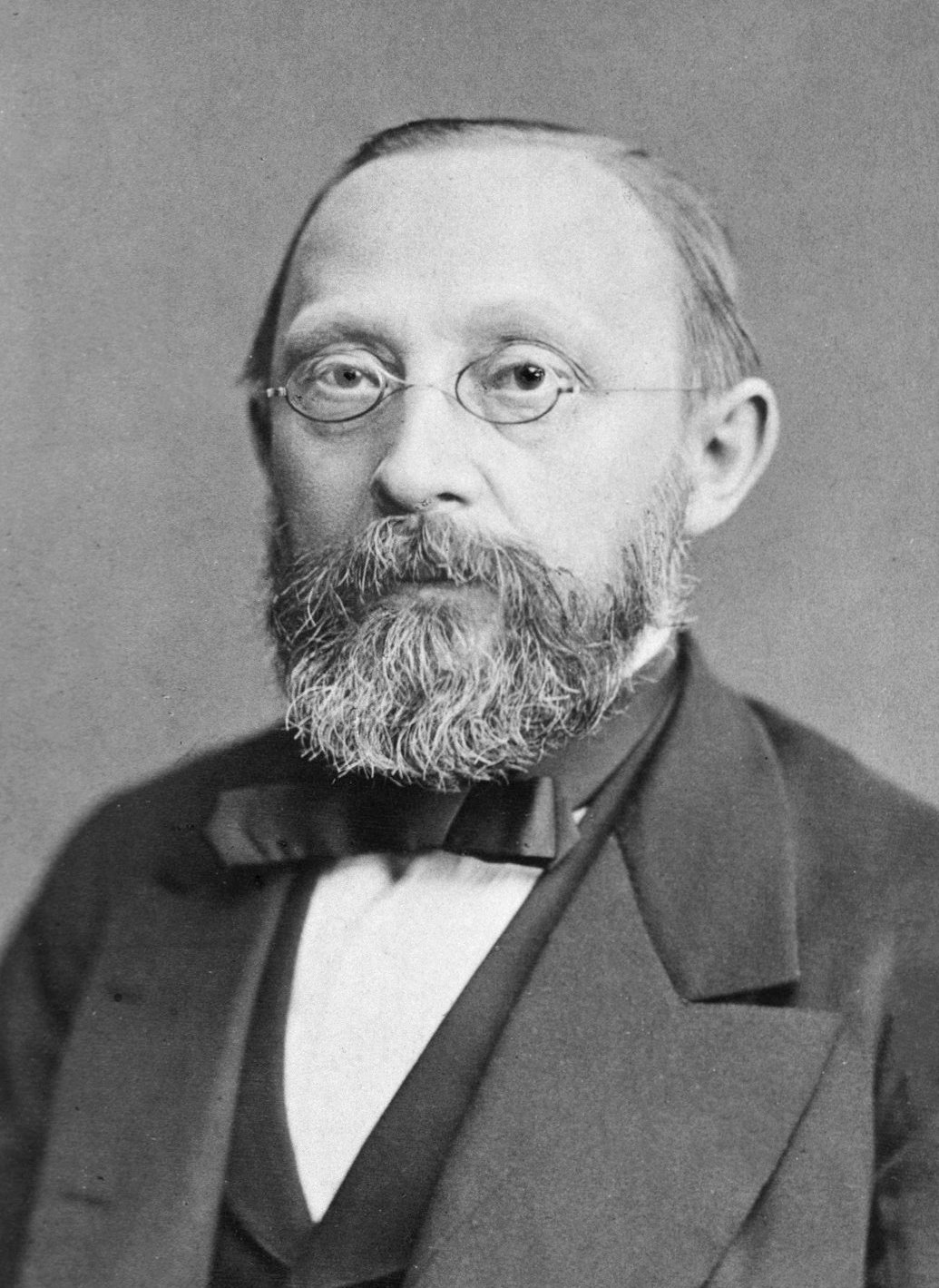
German physician acclaimed as the 'Father of Modern Pathology', who formulated the immortal biological axiom 'Omnis cellula e cellula' (all cells arise from pre-existing cells), discovered leukemia and thrombosis, and pioneered social medicine.
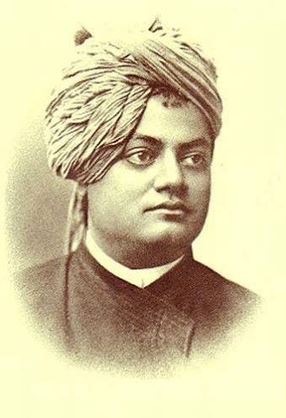
Chief disciple of Ramakrishna who introduced Vedanta and Yoga to the Western world at the 1893 Chicago Parliament of Religions and founded the Ramakrishna Mission.
Visionary Syrian political philosopher whose landmark book 'The Nature of Despotism' (Taba'i al-Istibdad) diagnosed authoritarian tyranny.
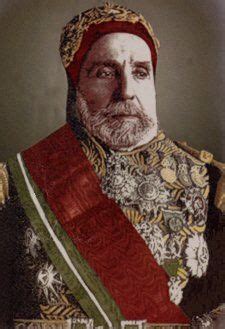
Husainid Bey of Tunis whose twenty-year reign witnessed the deep bureaucratic entrenchment of the French protectorate following the 1883 Conventions of La Marsa.
Second supreme leader of the Senussi Islamic order whose visionary administrative leadership, educational network of zawiyas, and peaceful trade facilitation unified nomadic tribes across Libya, Chad, and the eastern Sahara.
Foundational pioneer of modern Arab women's poetry and feminist thought whose classical divans in Arabic, Ottoman Turkish, and Persian, along with her allegory Mir'at al-Ta'ammul, ignited the literary Nahda for women.
Key reformist statesman who served as director of Collรจge Sadiki and mayor of Tunis, vehemently refusing to sign the Bardo Treaty in 1881 and choosing patriotic exile in Istanbul and Medina.