 Late Edo / Meiji Japan
•
2 views
Late Edo / Meiji Japan
•
2 views
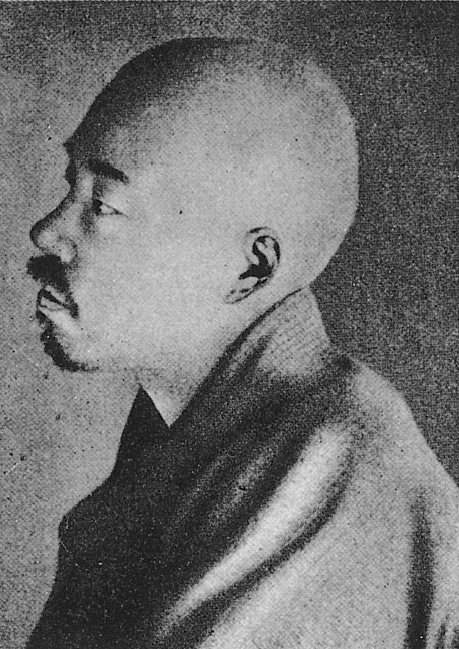
Masaoka Shiki

Matsuyama (Ehime), Late Edo / Meiji Japan
Archival Overview
Meiji-era literary reformer and poet (1867–1902) who revitalized traditional Japanese poetry, coined the modern terms 'haiku' and 'tanka', and pioneered realism (shasei, 'sketching from life') in modern verse.
Biographical Record
Born in Matsuyama, Shiki studied at Tokyo Imperial University alongside close friend Natsume Soseki before serving as a war correspondent during the First Sino-Japanese War. Contracting severe tuberculosis of the spine, Shiki was bedridden for the last seven years of his short life, turning his small sickroom in Negishi into a vibrant center of literary modernization.
Shiki championed 'shasei'—direct sketching from nature and daily reality rather than stale poetic conventions. Through his influential articles in the newspaper 'Nippon' and his literary journal 'Hototogisu', he transformed hokku into independent 'haiku' and waka into 'tanka', leaving an indelible imprint on modern global poetry.
Key Life Milestones
Haiku Modernization Essays
Began publishing revolutionary literary essays in 'Nippon', establishing haiku as an independent modern art form.
A Drop of Ink and Sickroom Journal
Penned 'Bokujuteki' (A Drop of Ink) and 'Gyouga Manroku', inspiring disciples from his sickbed with luminous realism.
Memorial Guestbook & Tributes
0 messages recordedLeave a Respectful Tribute
Final Resting Place
Perpetual MemorialKita-ku (Tokyo), Japan