 Kingdom of Prussia
•
3 views
Kingdom of Prussia
•
3 views
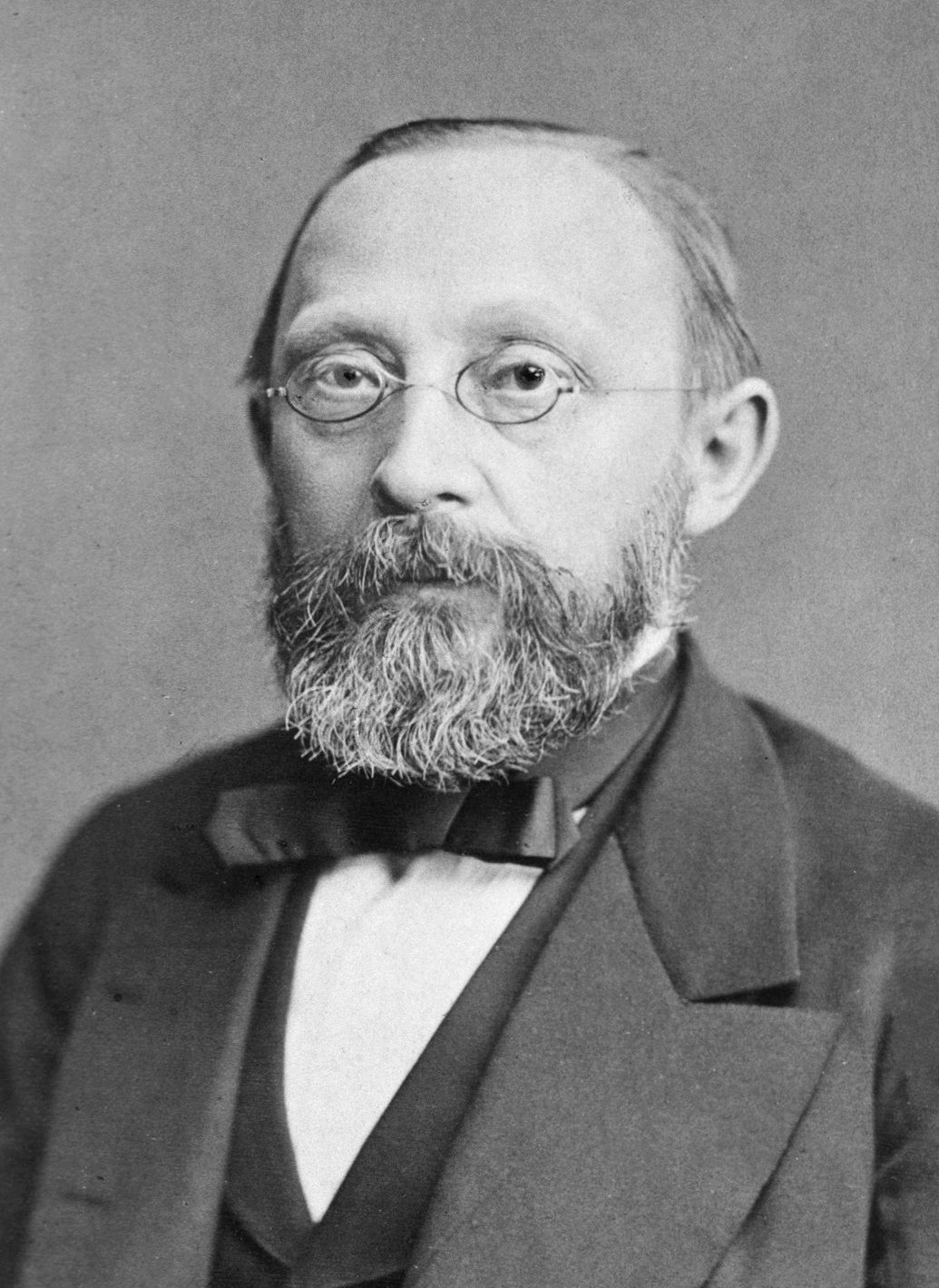
Rudolf Virchow

Schivelbein (Pomerania), Kingdom of Prussia
Archival Overview
German physician acclaimed as the 'Father of Modern Pathology', who formulated the immortal biological axiom 'Omnis cellula e cellula' (all cells arise from pre-existing cells), discovered leukemia and thrombosis, and pioneered social medicine.
Biographical Record
Rudolf Virchow (1821–1902) graduated from the Friedrich-Wilhelms-Institut in Berlin. Investigating a devastating typhus outbreak among Polish weavers in Upper Silesia in 1848, Virchow concluded that poverty, ignorance, and lack of freedom were the primary causes of epidemic disease, declaring: 'Physicians are the natural attorneys of the poor.'
In 1858, Virchow published 'Cellular Pathology', completing Cell Theory by proving that diseases do not arise from chemical humors, but originate within malfunctioning cells ('Omnis cellula e cellula'). He discovered leukemia, embolism, and chordoma, while as a liberal parliamentarian he designed Berlin's modern sewer and water system.
Key Life Milestones
Formulation of 'Omnis cellula e cellula'
Published his famous biological law proving that all cells divide from pre-existing living cells.
Publication of Cellular Pathology
Revolutionized world medicine by locating the origin of all diseases inside cellular pathology.
Memorial Guestbook & Tributes
0 messages recordedLeave a Respectful Tribute
Final Resting Place
Perpetual MemorialBerlin (Schoneberg), Germany