Public Figures & Cultural Luminaries
Filterable archive covering centuries of intellectual, artistic, and moral contributions to the human story.
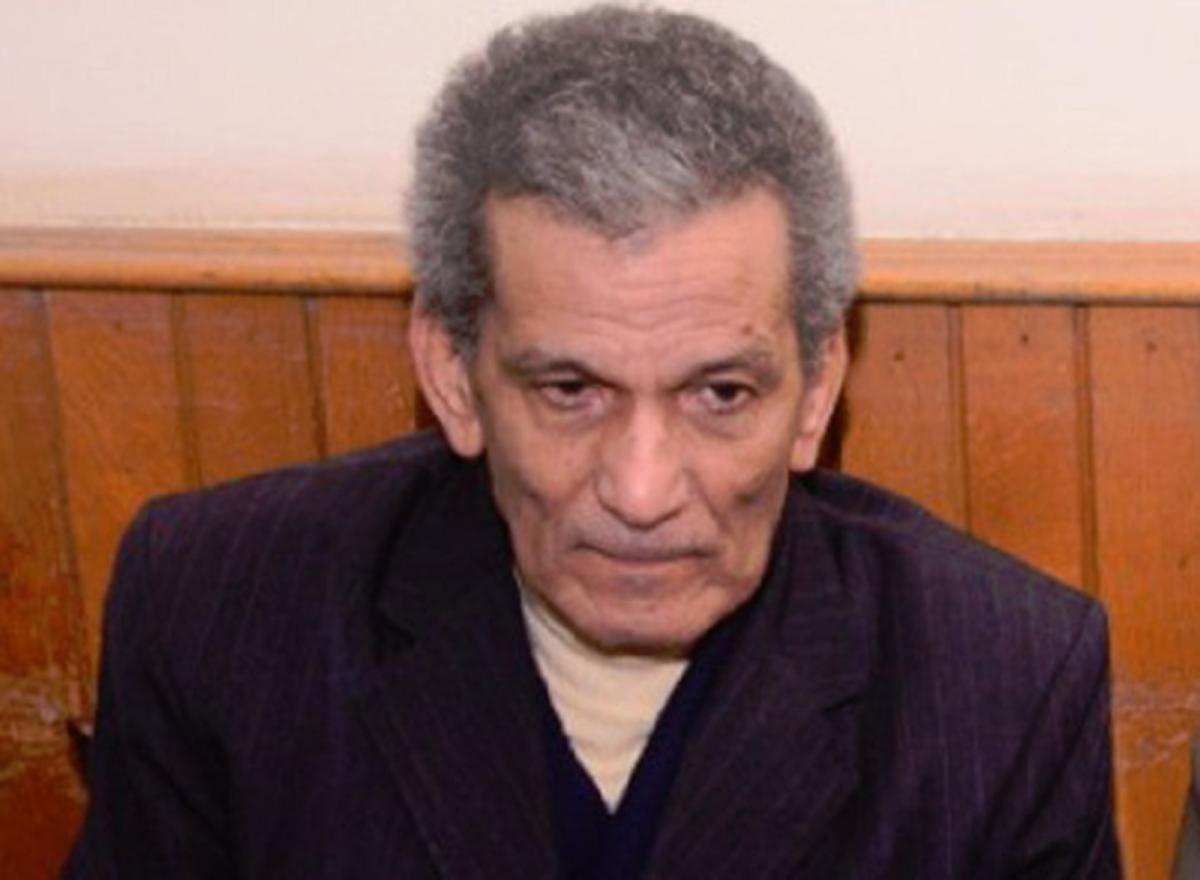
Mohamed Farid
 (محمد فريد)
Selfless Egyptian nationalist leader and philanthropist who succeeded Mustafa Kamil as head of the National Party, spending his entire personal fortune to fund night schools for workers, trade unions, and national liberation from British rule.
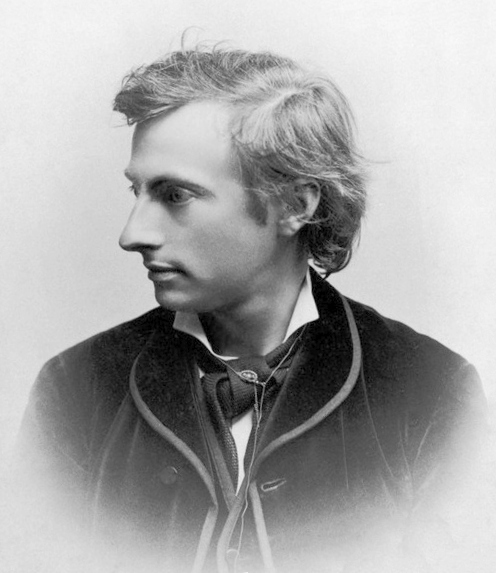
Karl Adolph Gjellerup
 (Karl Adolph Gjellerup)
Danish poet and novelist awarded the 1917 Nobel Prize in Literature for his varied and rich poetry inspired by lofty ideals, author of The Pilgrim Kamanita.
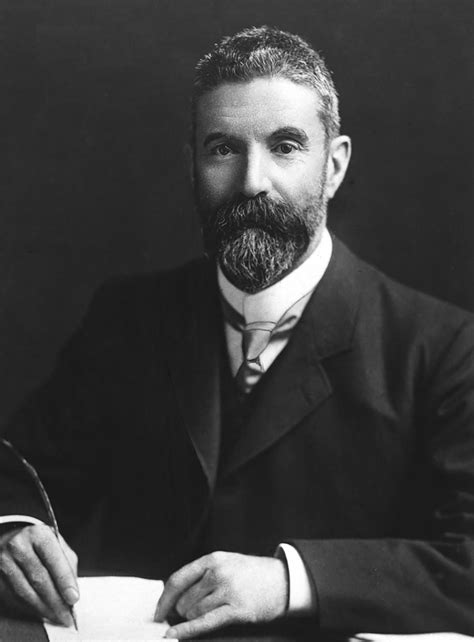
Alfred Deakin
 (Alfred Deakin)
Three-time Prime Minister of Australia and pivotal founding father who established the High Court, the Commonwealth Court of Conciliation and Arbitration, and the Australian Navy.
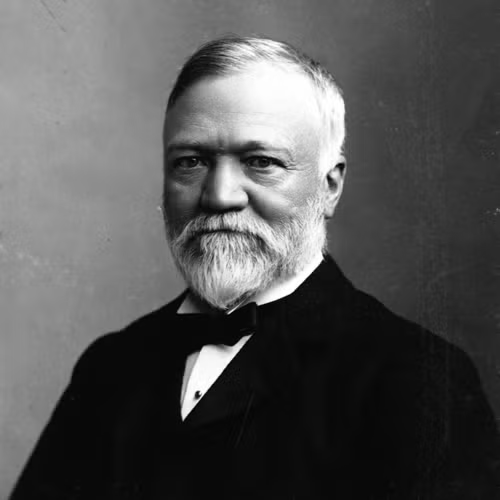
Andrew Carnegie
 (Andrew Carnegie)
Industriel de l'acier et l'un des plus grands philanthropes de l'histoire, auteur du Gospel of Wealth, financeur de plus de 2 500 bibliothèques publiques et du Palais de la Paix.
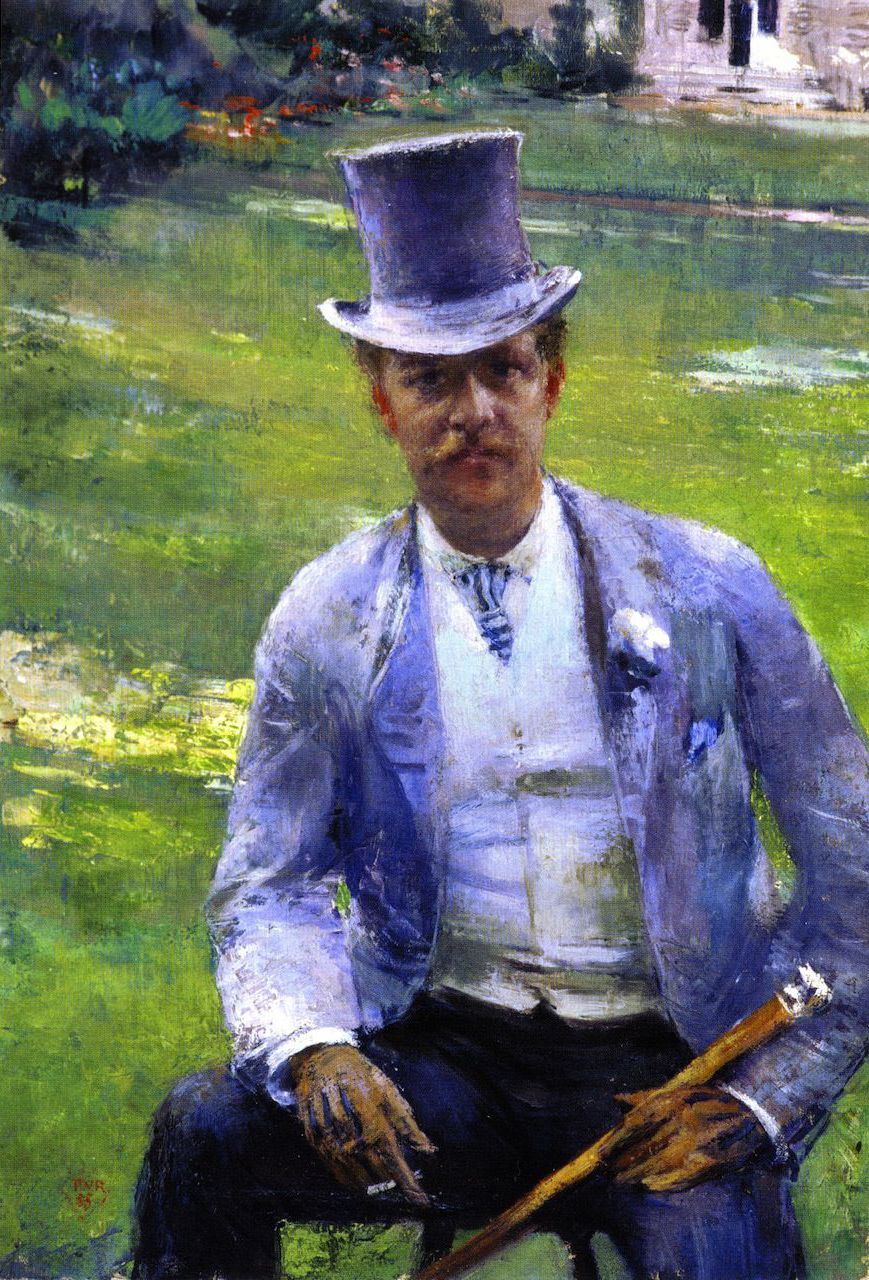
Octave Maus
 (Octave Maus)
Visionary Belgian art critic, jurist, and impresario who directed the avant-garde artistic societies Les XX (The Twenty) and La Libre Esthétique, making Brussels the capital of European modernism.
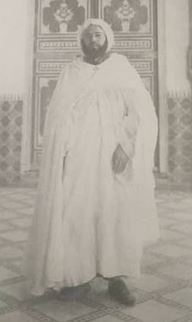
Ahmed al-Hiba
 (أحمد الهيبة بن الشيخ ماء العينين)
Saharan religious and military leader known as the 'Blue Sultan' who proclaimed holy resistance against the French Protectorate in 1912, marching from the Sahara to seize Marrakech with 10,000 warriors.
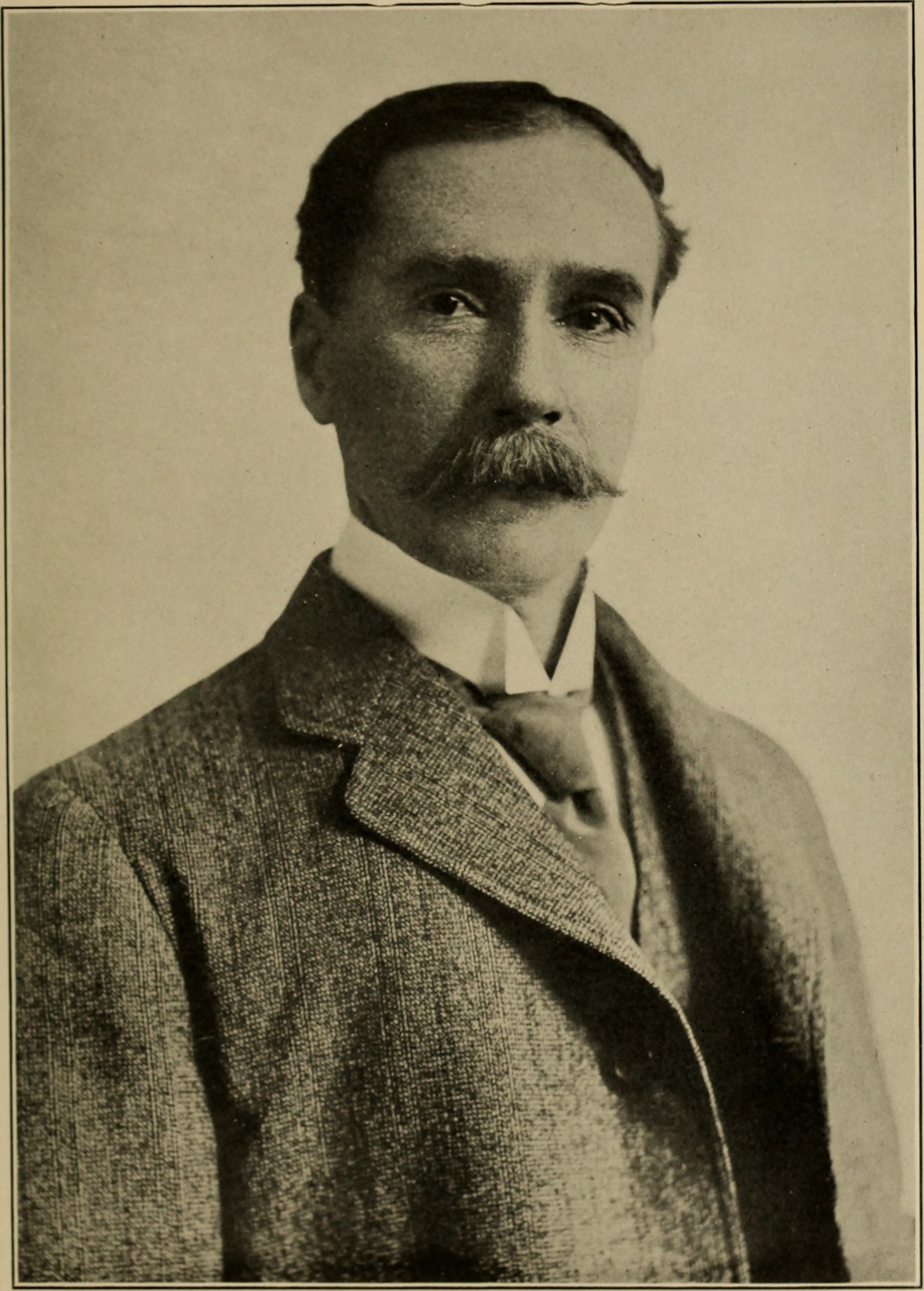
Lawrence Lambe
 (Lawrence Lambe)
Canada's first great vertebrate paleontologist whose descriptions of Alberta fossils—including Centrosaurus, Chasmosaurus, and Gorgosaurus—founded the nation's paleontology.
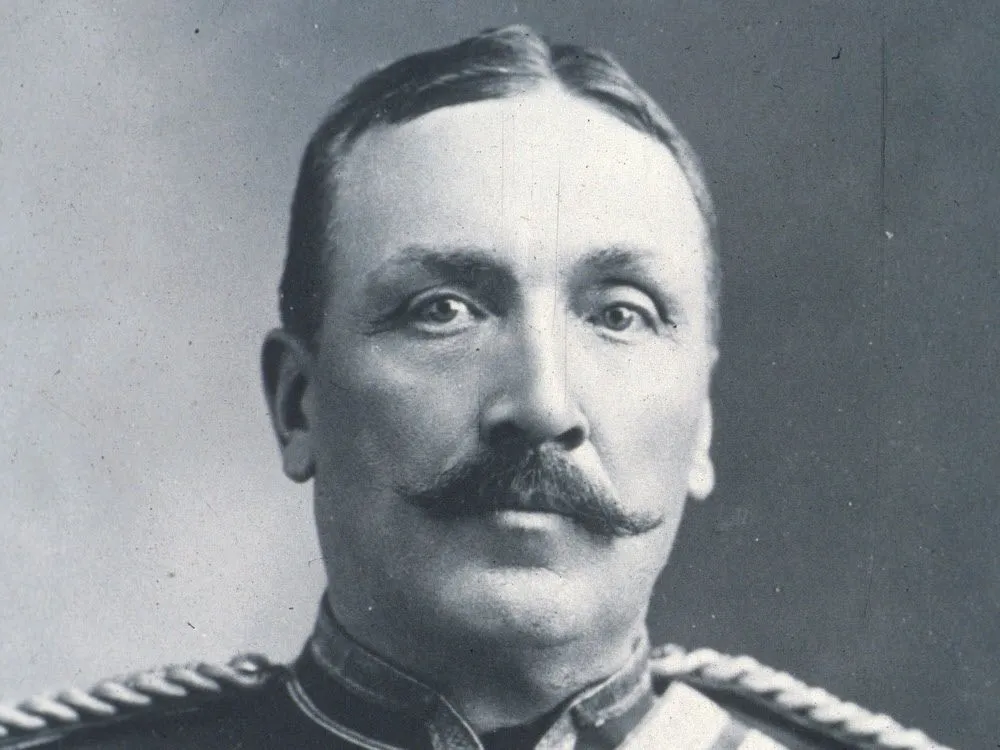
Sam Steele
(Major-General Sir Samuel Benfield Steele)
Legendary Mountie officer who marched across the prairies in 1874, maintained order during CPR construction, commanded the North-West Mounted Police in the Klondike Gold Rush, and led Strathcona's Horse.
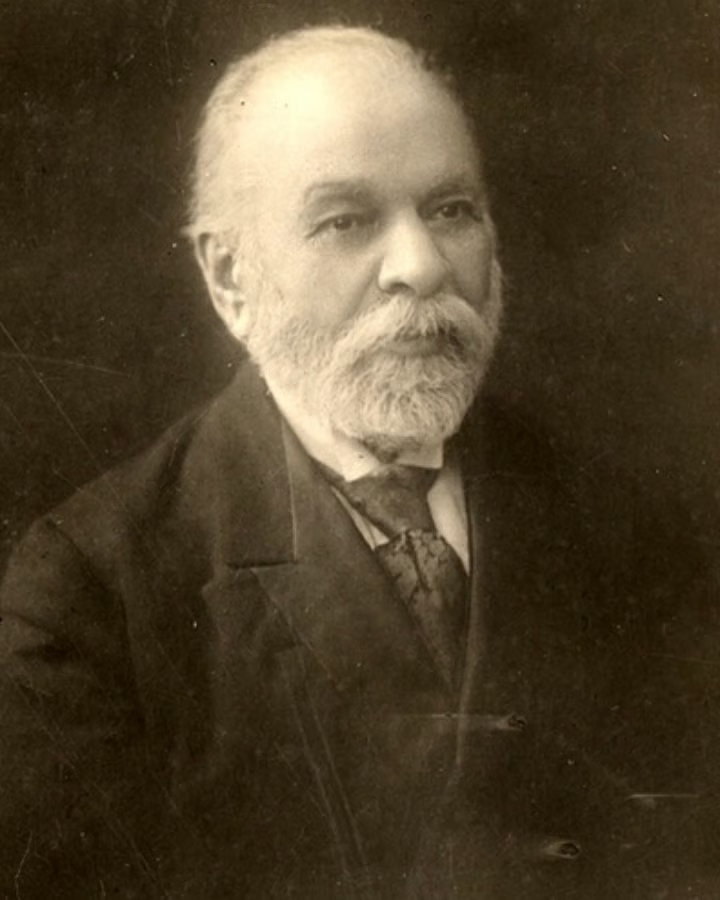
Ismail Qemali
 (Ismail Qemal Bej Vlora)
Founding father of modern Albania who raised the double-headed eagle flag in Vlorë on November 28, 1912, declaring Albanian independence after nearly five centuries of Ottoman rule.
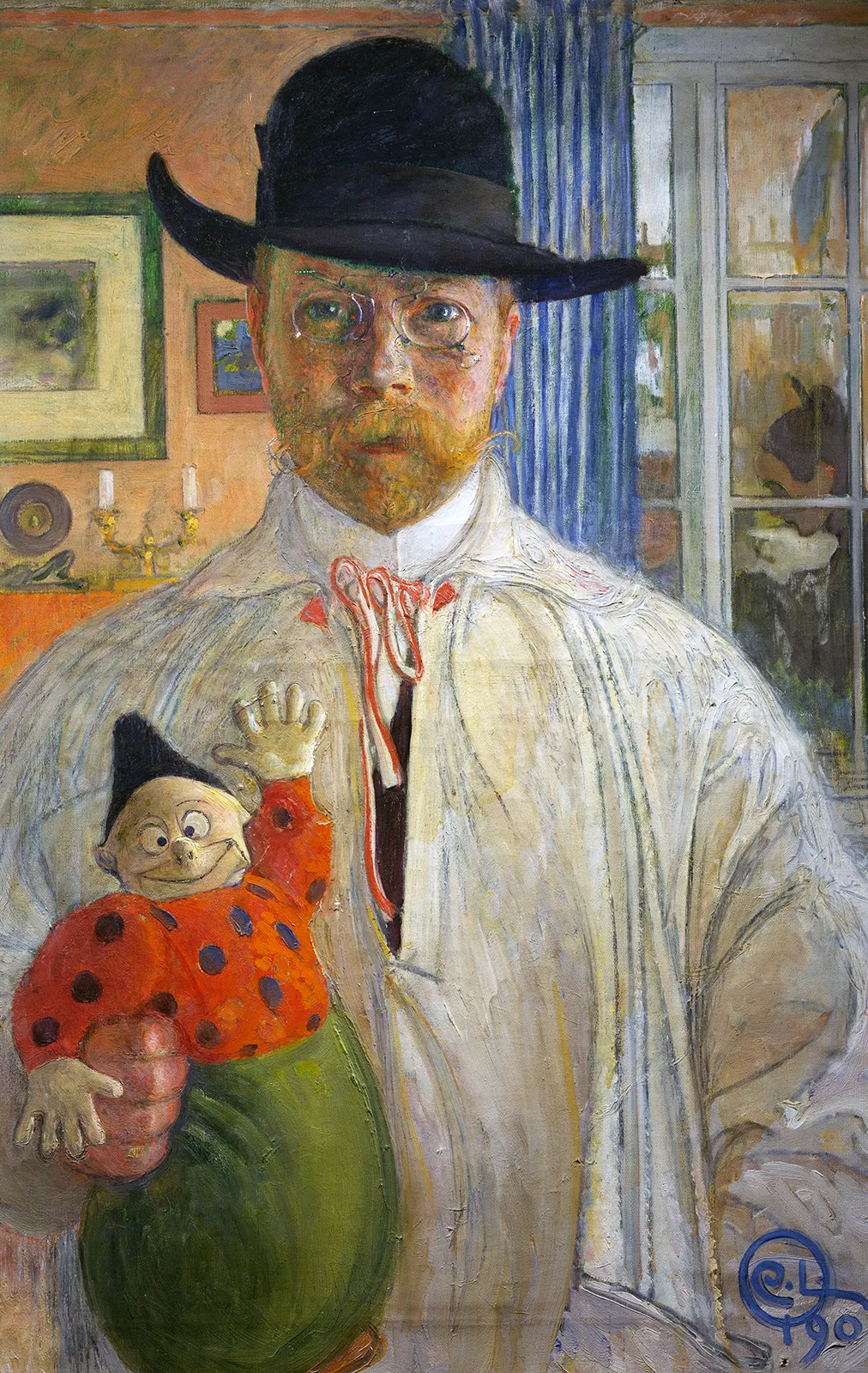
Carl Larsson
 (Carl Larsson)
Iconic Swedish painter and illustrator whose delightful watercolors of his Sundborn home, 'Lilla Hyttnäs', published in 'Ett Hem' (1899), established the quintessential Swedish interior aesthetic.
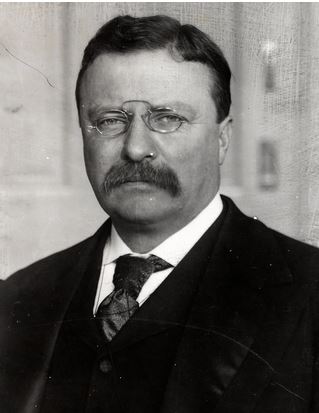
Theodore Roosevelt
 (Theodore Roosevelt)
Transformed the presidency into a modern active executive office, pioneered environmental conservation, and won the 1906 Nobel Peace Prize.
Guimbi Ouattara
 (Guimbi Ouattara)
Visionary 19th-century warrior princess and diplomat of the Kingdom of Gwiriko whose statesmanship, military counsel, and negotiations protected Bobo-Dioulasso from destruction.
Maryana Marrash
 (مريانا مراش)
Pioneering Syrian woman of letters from Aleppo who established the first modern Arab literary salon in her home in the 1880s.
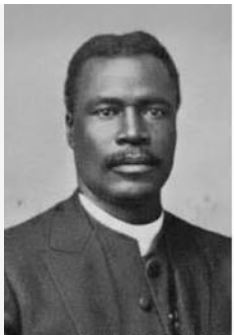
Garrick Braide (Elijah II of the Niger Delta)
 (Garrick Sokari Marian Braide)
Known as 'Elijah II' across the Niger Delta, Garrick Braide sparked a colossal religious and social revival in 1915–1916, destroying traditional occult charms and crushing the colonial trade in European gin, which threatened British commercial monopolies.
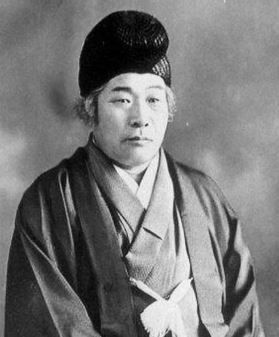
Deguchi Nao (Foundress of Oomoto & Shinto Prophetess)
 (出口なお)
An impoverished, illiterate peasant widow in Ayabe, Deguchi Nao experienced a terrifying divine trance on Lunar New Year 1892, producing ten thousand volumes of automatic prophetic calligraphy (Ofudesaki) heralding the 'Great Reconstruction of the World' (Ushitora no Konjin).
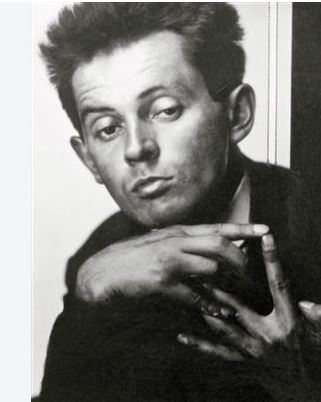
Egon Schiele
 (Egon Schiele)
Austrian Expressionist painter celebrated for his raw, psychologically charged, and uncompromisingly honest figurative works.
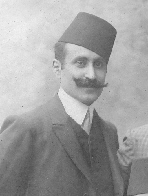
Ali Bach Hamba
 (علي باش حانبة)
Tunisian lawyer, journalist, and nationalist pioneer who co-founded the Young Tunisian movement in 1907 and founded the newspaper Le Tunisien, laying the intellectual foundations for Tunisian independence.
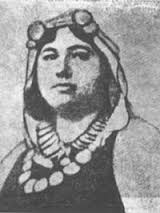
Malak Hifni Nasif
(ملك حفني ناصف)
Pioneering feminist writer and poet who wrote under the pen name 'Bahithat al-Badiya', delivering the first public lectures for women in modern Egypt and presenting the 10-point feminist manifesto in 1911.