Public Figures & Cultural Luminaries
Filterable archive covering centuries of intellectual, artistic, and moral contributions to the human story.
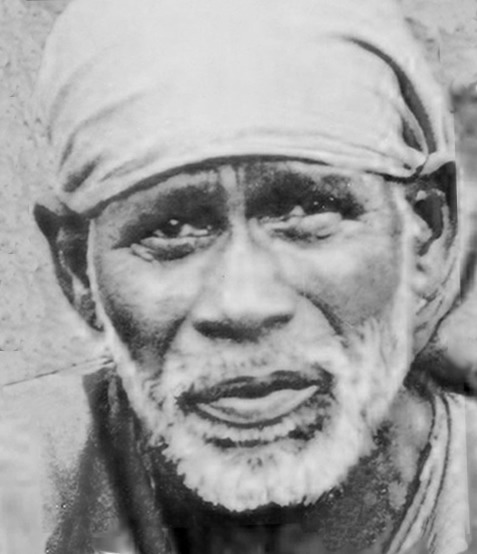
Shirdi Sai Baba
 (शिर्डीचे साई बाबा)
Indian spiritual master revered by both Hindu and Muslim devotees, who lived in a dilapidated mosque in Shirdi preaching charity, love, and 'Sabka Malik Ek' (One God for All).
Roland Garros
 (Eugène Adrien Roland Georges Garros)
Dashing French aviator who achieved world fame in 1913 by completing the first non-stop flight across the Mediterranean Sea, invented forward-firing fighter aircraft synchronization, and whose name graces the French Open tennis tournament.
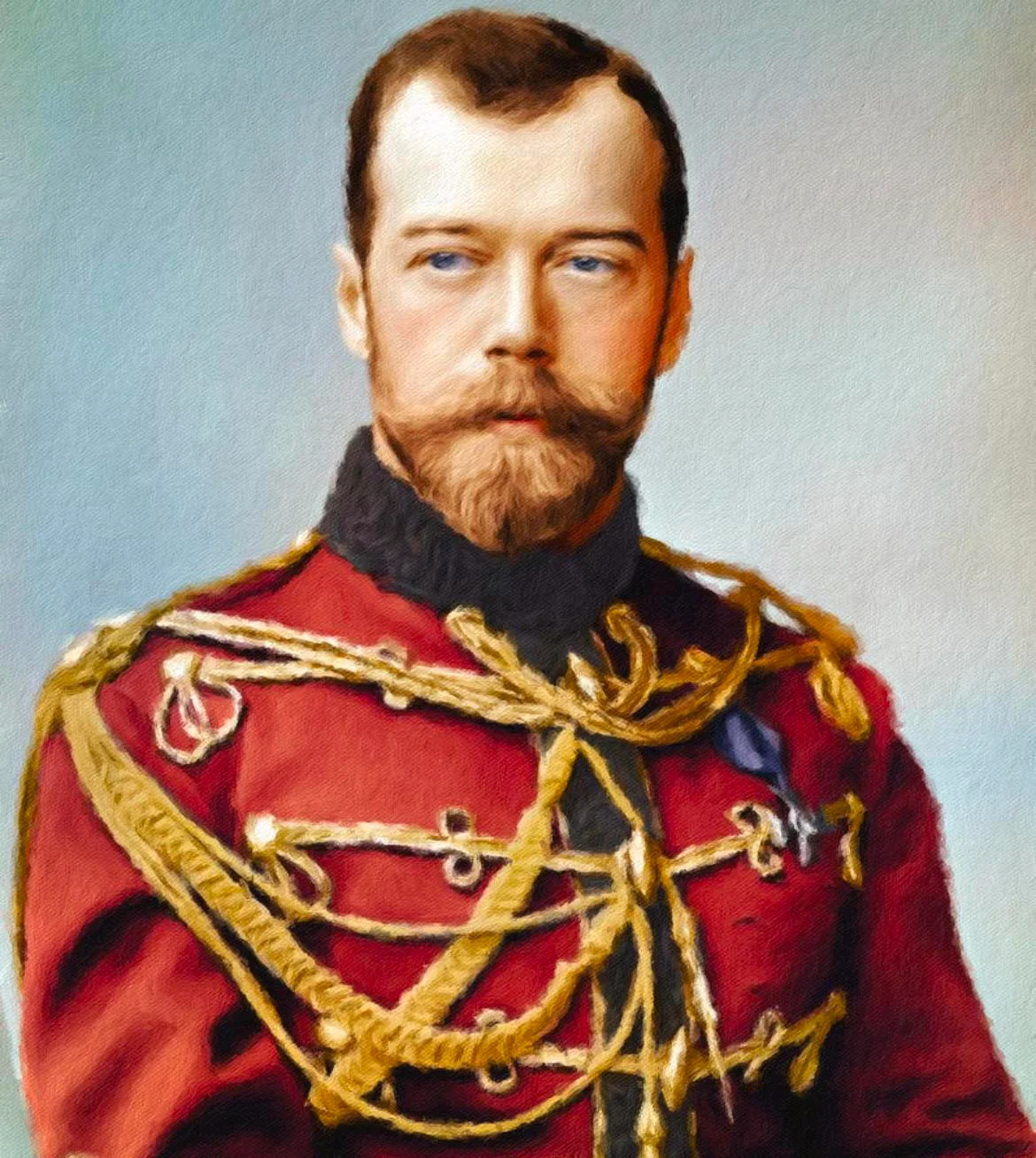
Nicholas II of Russia
 (Николай II Александрович Романов)
Last Emperor of Russia whose abdication in 1917 ended three centuries of Romanov rule; canonized as a Passion-Bearer by the Orthodox Church.
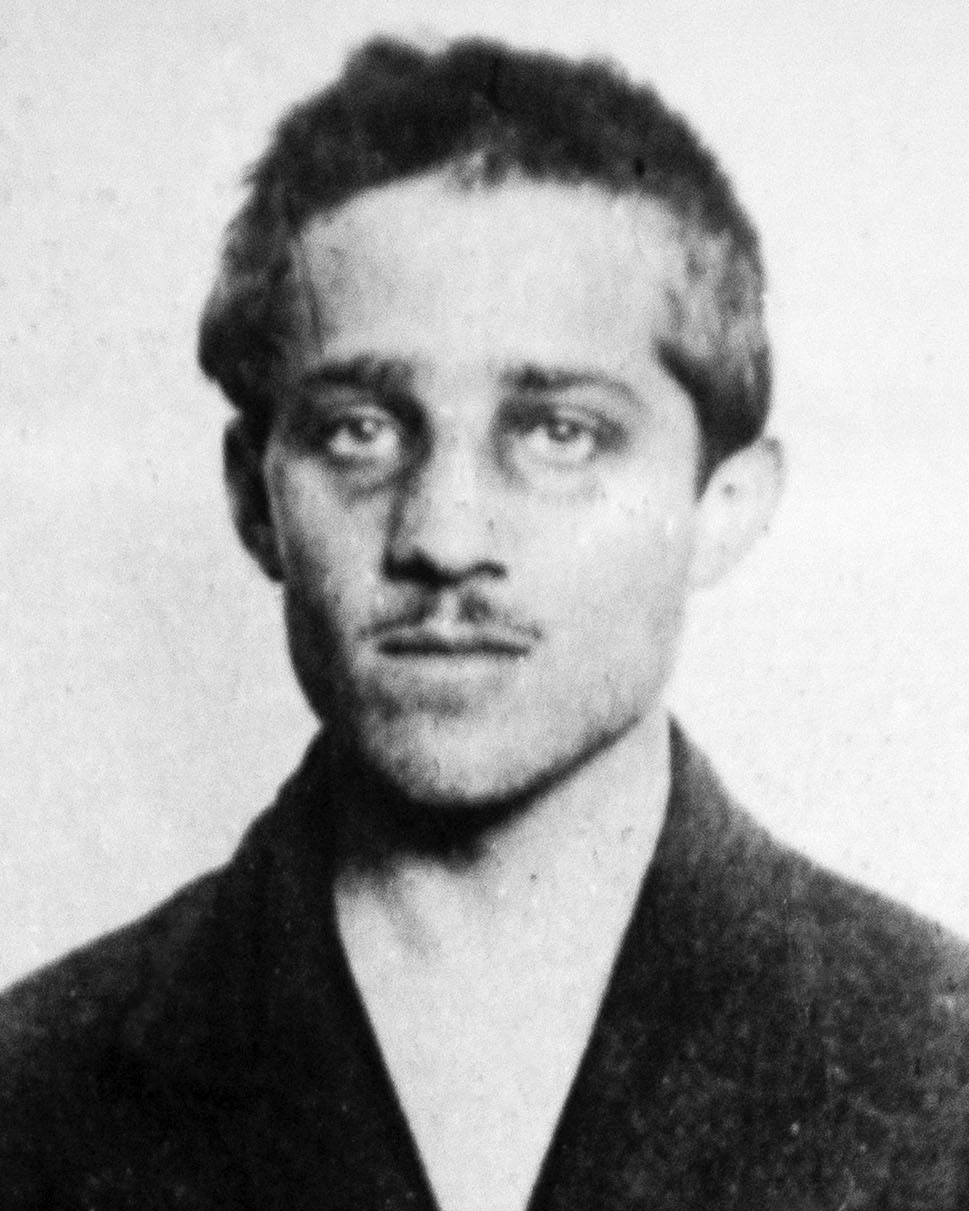
Gavrilo Princip
 (Гаврило Принцип)
Nineteenth-year-old member of Young Bosnia whose assassination of Archduke Franz Ferdinand in Sarajevo on June 28, 1914, precipitated the outbreak of World War I.
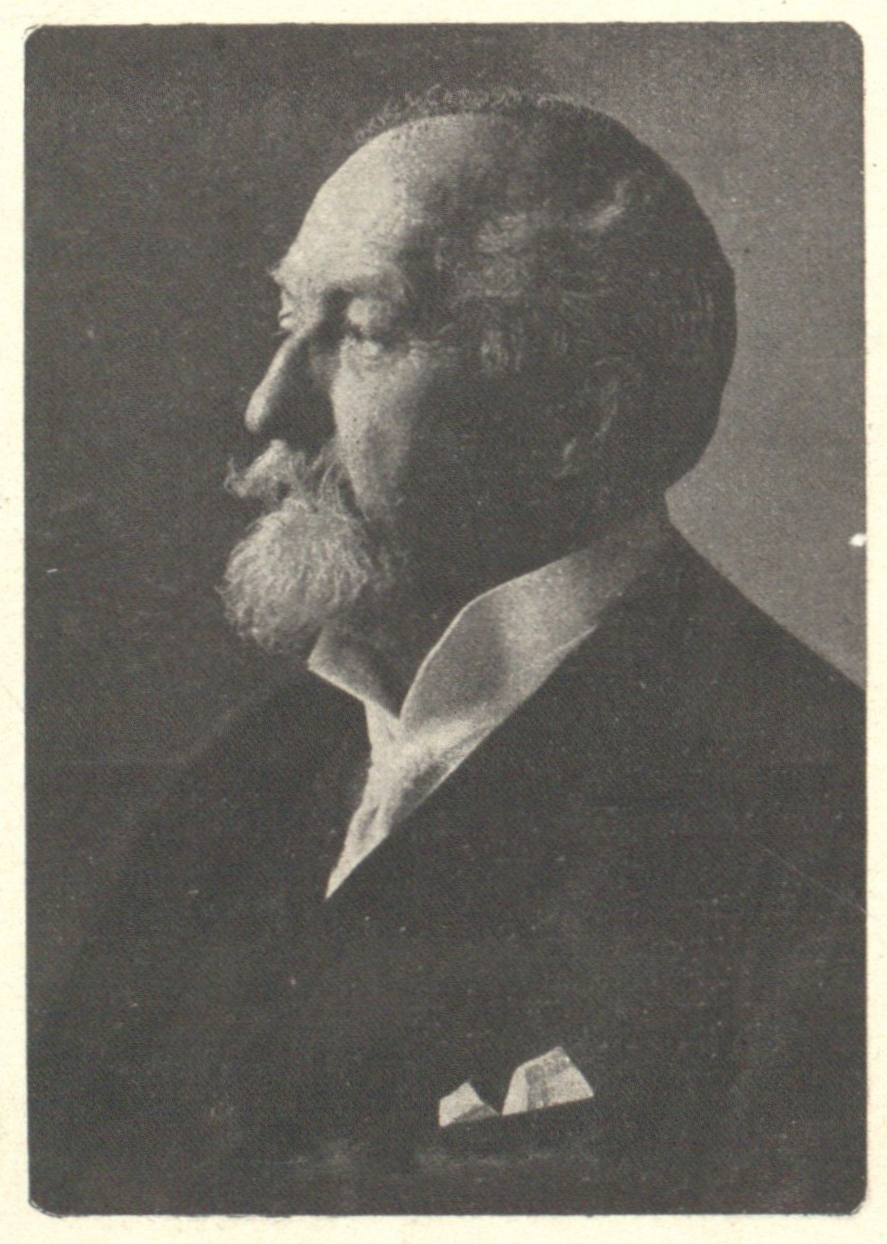
Otto Wagner
 (Otto Koloman Wagner)
Austrian architect and urban planner who led the Vienna Secession toward modernism, celebrated for the Austrian Postal Savings Bank and the Vienna Stadtbahn transit system.
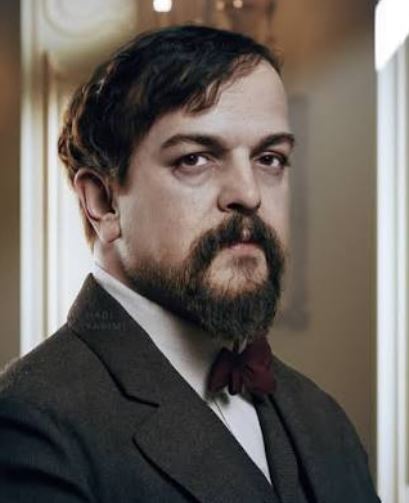
Achille-Claude Debussy
(Claude Debussy)
French musical pioneer whose shimmering orchestral colors, non-functional harmony, and evocative sensuality in Clair de Lune, La Mer, and Prélude à l'après-midi d'un faune dissolved 19th-century tonality and opened modern music.
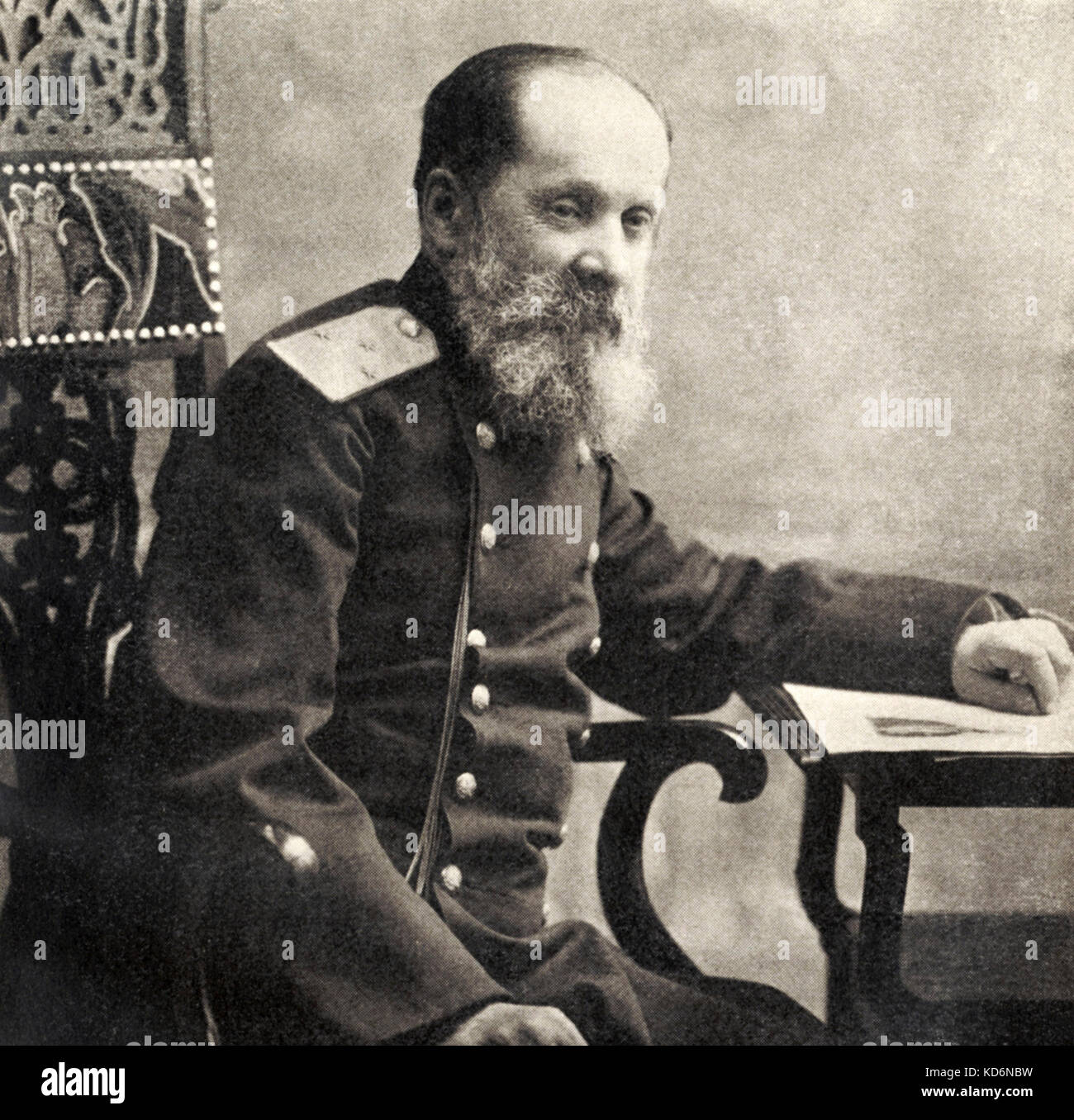
César Cui
 (Cesarius Benjaminus Cui)
Russian composer of 'The Five', imperial military engineer who attained the rank of General, and biting music critic who vigorously championed the Russian nationalist school.
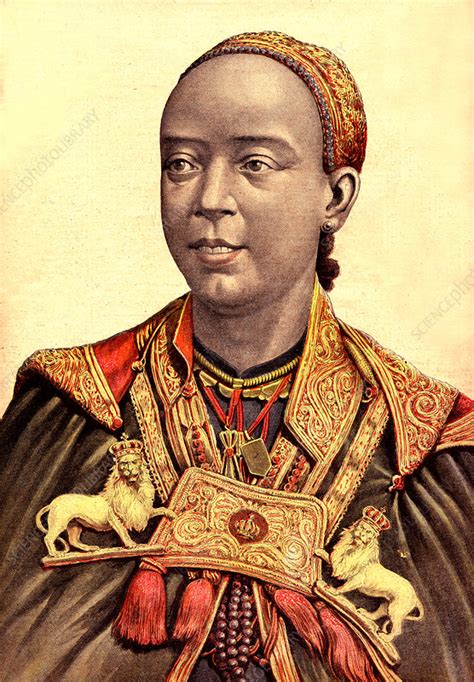
Empress Taytu Betul
 (Taytu Betul)
Formidable Empress of Ethiopia who named and founded Addis Ababa, devised the decisive water-denial strategy at the Siege of Mekelle, and led her own cavalry regiment at the Battle of Adwa.
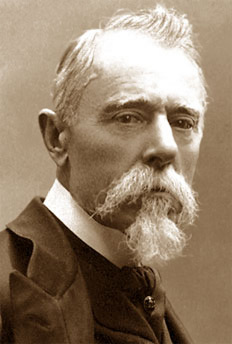
Ernesto Teodoro Moneta
 (Ernesto Teodoro Moneta)
Ernesto Teodoro Moneta was an Italian journalist, Garibaldian freedom fighter, and peace leader who founded the International Peace Society in Lombardy. As the influential editor of Milan's leading newspaper, Il Secolo, Moneta advocated for Franco-Italian reconciliation and international arbitration, becoming Italy's only Nobel Peace Prize laureate in 1907.
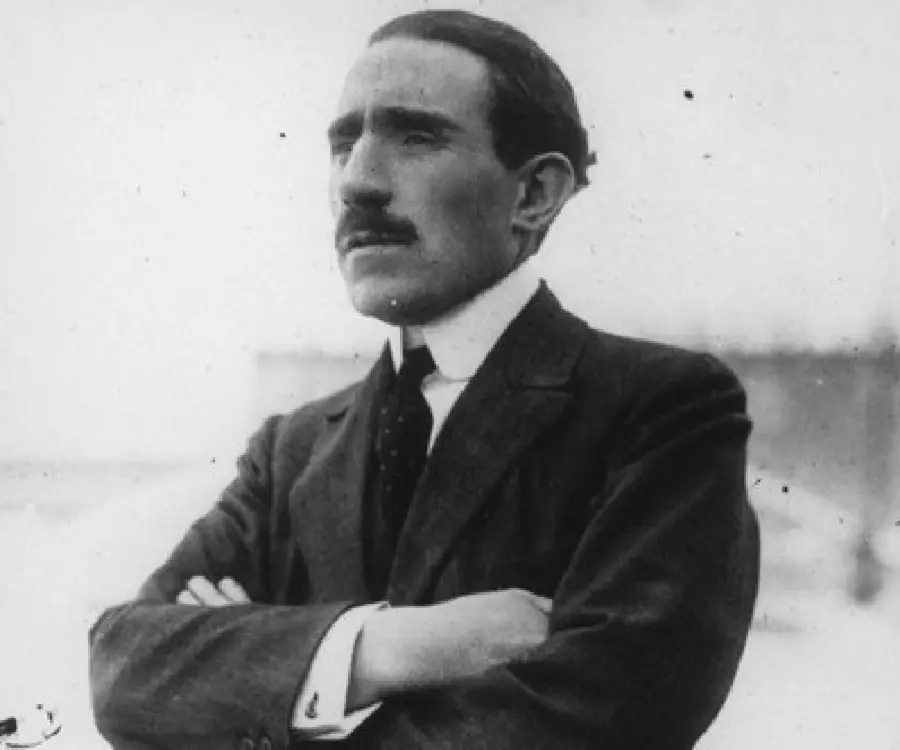
Louis Renault
(Louis Renault)
Louis Renault was an eminent French jurist and professor of international law at the University of Paris. Serving as legal counsel to the French Foreign Ministry and principal rapporteur at the 1899 and 1907 Hague Peace Conferences, he drafted pivotal treaties on naval warfare and prisoners of war, sharing the 1907 Nobel Peace Prize with Ernesto Teodoro Moneta.
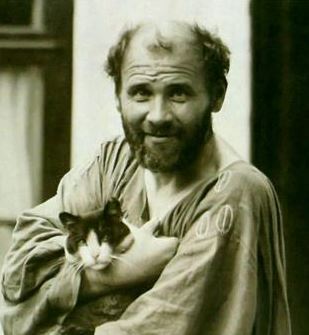
Gustav Klimt
(Gustav Klimt)
Austrian Symbolist master and founding president of the Vienna Secession, renowned for his dazzling 'Golden Phase'—above all The Kiss and the Portrait of Adele Bloch-Bauer I—blending erotic sensuality, Byzantine gold leaf, and decorative mosaic patterns.
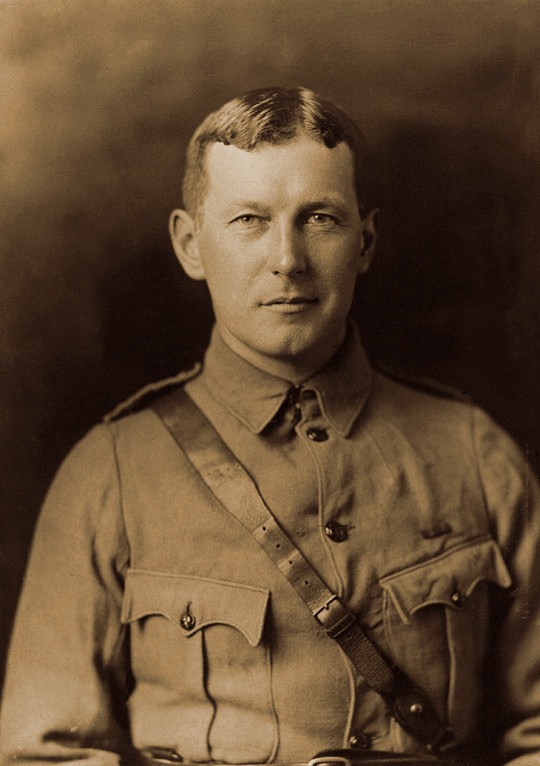
John McCrae
 (John McCrae)
Canadian military surgeon whose haunting 1915 poem In Flanders Fields gave birth to the global symbol of the Remembrance Poppy.
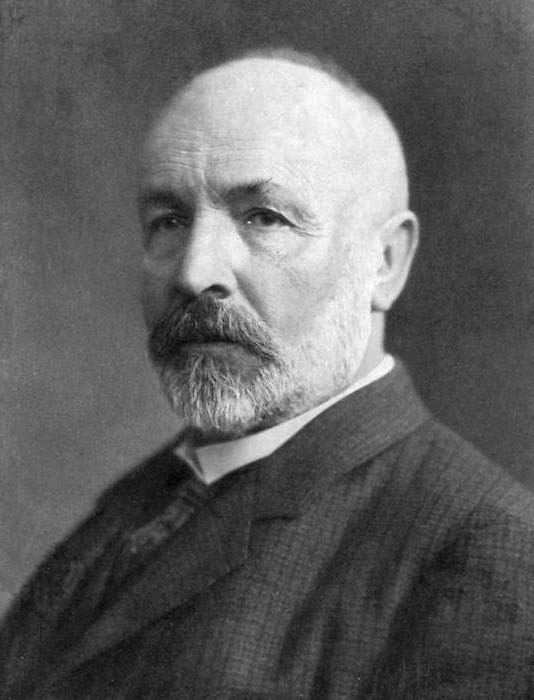
Georg Cantor
(Georg Ferdinand Ludwig Philipp Cantor)
German mathematician who created set theory, transfinite arithmetic, and discovered that infinities come in different sizes.
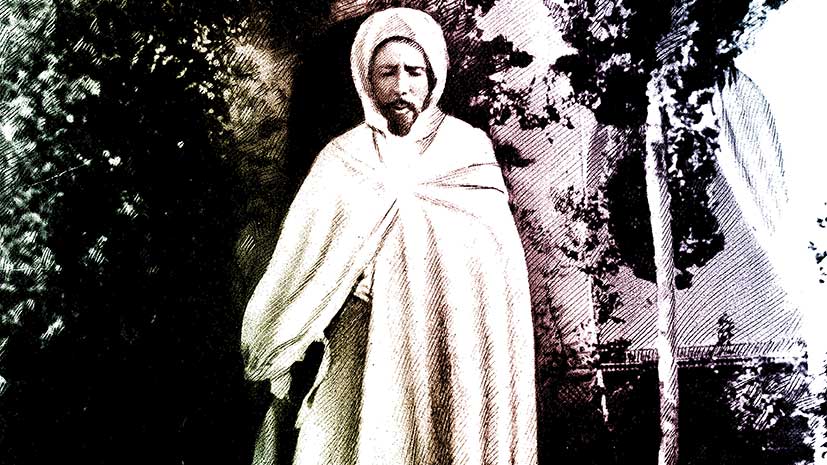
Madani El Glaoui
 (المدني الكلاوي)
Elder architect of the Glaoua dynasty, Grand Vizier of Morocco, and Minister of War under Sultan Moulay Abdelhafid during the turbulent pre-Protectorate period.
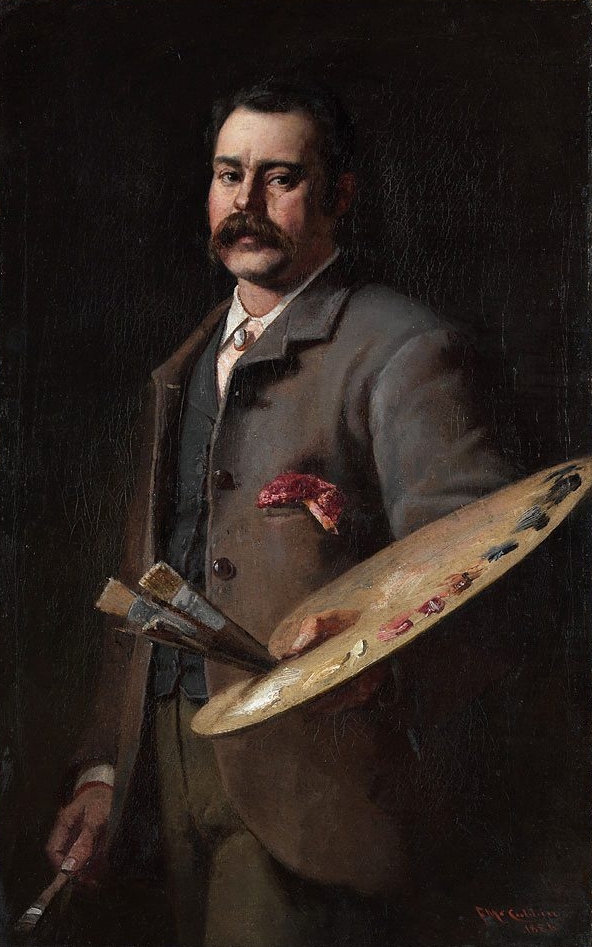
Frederick McCubbin
 (Frederick McCubbin)
Pioneering artist and beloved teacher of the Heidelberg School whose monumental narrative triptych 'The Pioneer' and paintings such as 'Down on His Luck' captured the quiet hardships of the Australian bush.
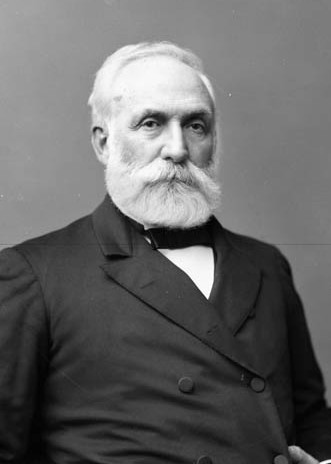
Mackenzie Bowell
 (Sir Mackenzie Bowell)
Fifth Prime Minister of Canada who organized the First Colonial Conference in Ottawa in 1894, promoted the Pacific Telegraph Cable, and governed through the turbulent Manitoba Schools crisis.
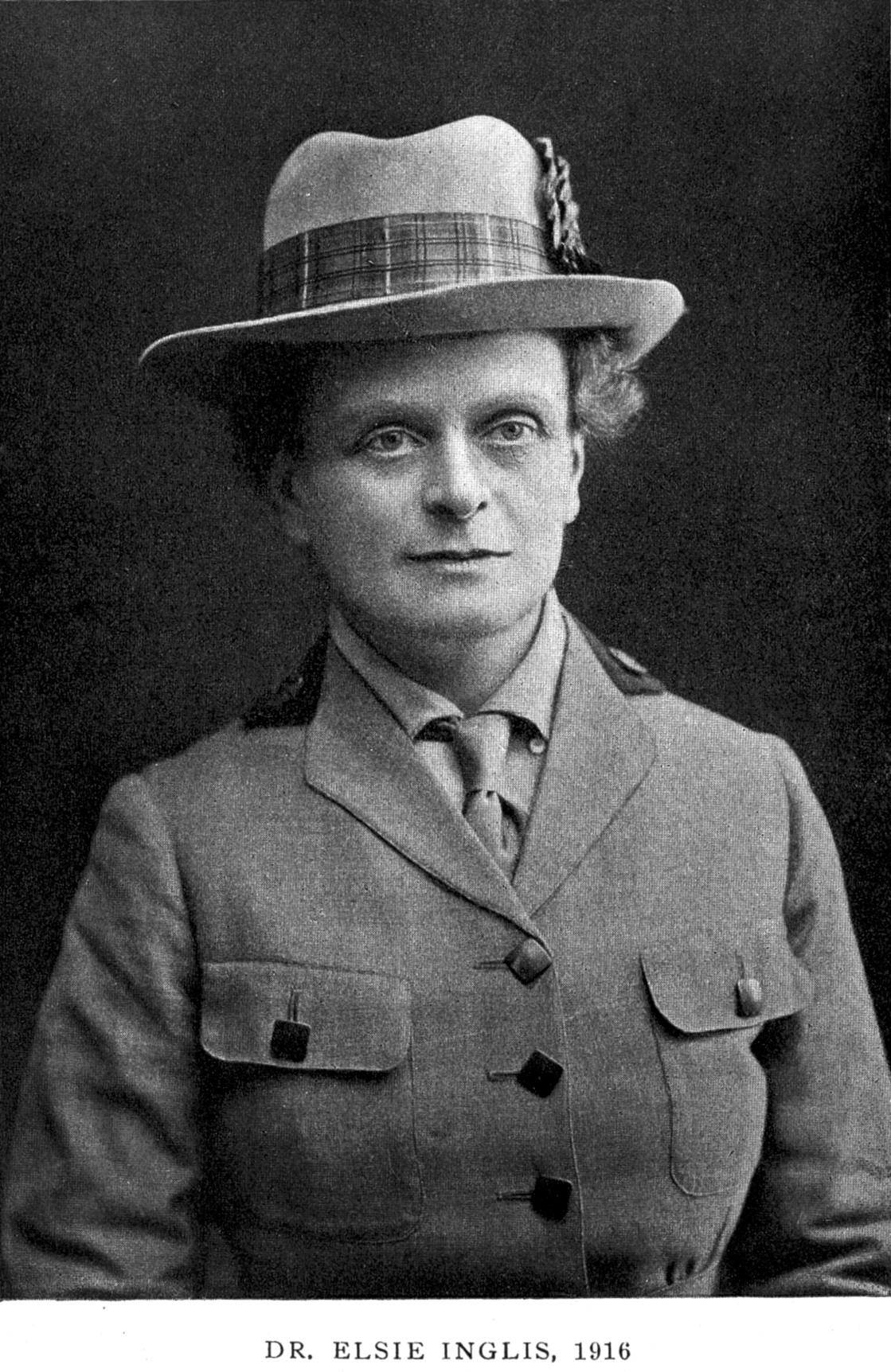
Dr. Elsie Maud Inglis
(Elsie Maud Inglis)
Dr. Elsie Inglis was an innovative Scottish physician, surgeon, and suffragist who founded the Scottish Women's Hospitals for Foreign Service during World War I. Rebuffed by the British War Office who told her to 'go home and sit still', she established fourteen frontline female-staffed hospitals across France, Serbia, and Russia, earning Serbia's highest military honor.
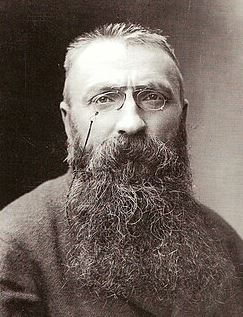
François-Auguste-René Rodin
(Auguste Rodin)
Supreme giant of modern sculpture who resurrected the emotional and psychological vitality of Michelangelo and Donatello, creating monumental masterpieces like The Thinker, The Gates of Hell, and The Burghers of Calais.