Public Figures & Cultural Luminaries
Filterable archive covering centuries of intellectual, artistic, and moral contributions to the human story.
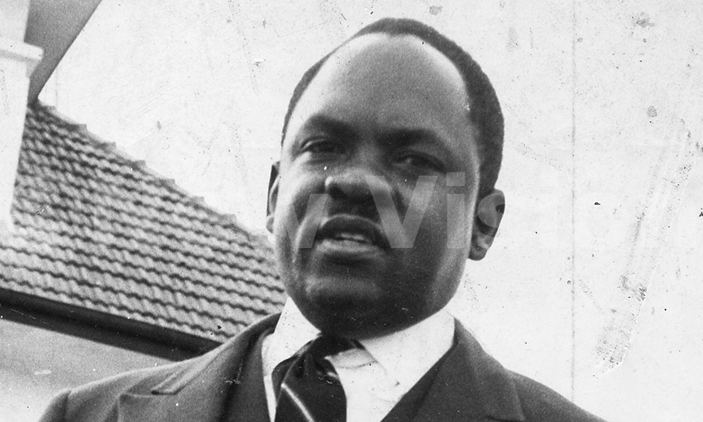
Benedicto Kiwanuka
 (Benedicto Kagimu Mugumba Kiwanuka)
Pioneering lawyer and statesman who served as Uganda's first Prime Minister (1961–1962) and first African Chief Justice, murdered by Idi Amin's military for defending the rule of law.
Mohamed Ben Ammar
 (محمد بن عمار)
Pioneering Tunisian jurist and first president of the modern Court of Appeal, who modernized procedural law and mentored the first post-independence generation of judges.
Pierre Brasseur
 (Pierre-Albert Espinasse)
Flamboyant, volcanic French actor and playwright celebrated for his larger-than-life presence, whose performance as nineteenth-century stage legend Frédérick Lemaître in Les Enfants du paradis (1945) is a summit of cinema.
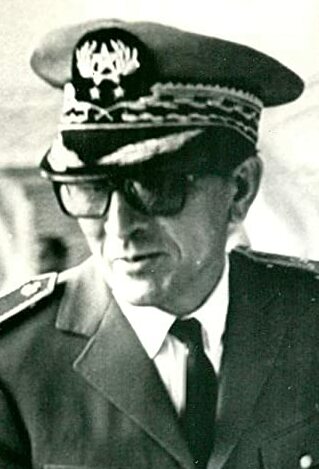
Mohamed Oufkir
 (محمد أوفقير)
Highly decorated military commander, Minister of the Interior, and Minister of Defense who was King Hassan II's most powerful military figure until orchestrating the 1972 aviation coup attempt.
George Pol Georghiou
 (George Pol Georghiou)
Cyprus's premier modern figurative painter whose monumental expressionist canvases recorded the island's medieval heritage, rural folk rituals, and the heroic 1955–1959 EOKA liberation struggle.
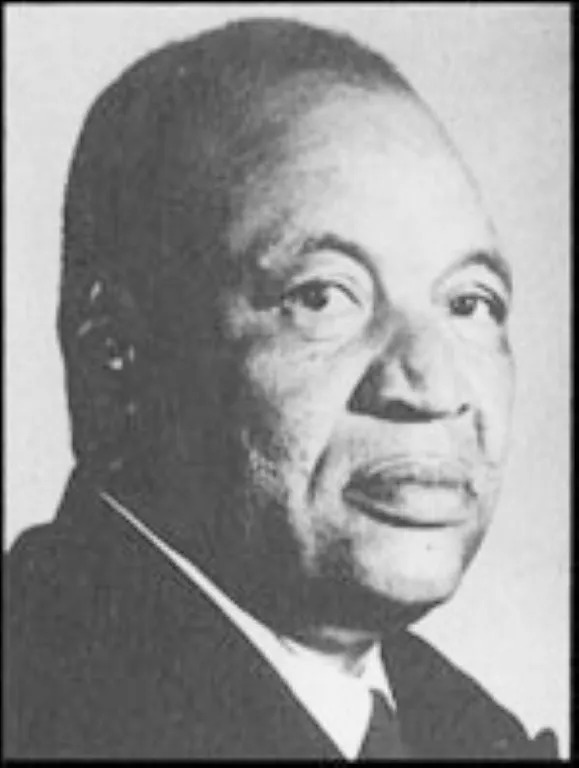
J. B. Marks
 (John Beaver Marks)
Legendary trade union leader who organized over 70,000 gold miners in the historic 1946 African Mine Workers' Strike and served as National Chairman of the SACP.
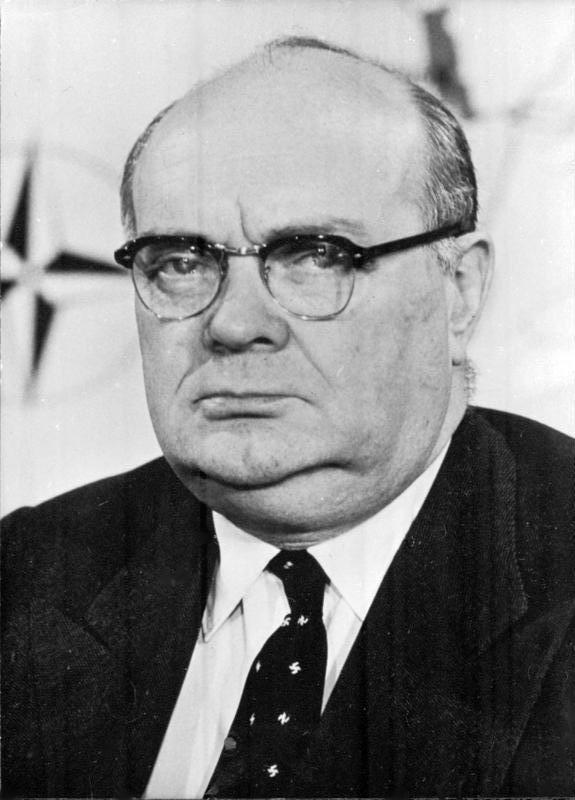
Paul-Henri Spaak
 (Paul-Henri Charles Spaak)
Historic Belgian statesman and founding father of European integration who was elected first President of the UN General Assembly (1946), drafted the Treaty of Rome (1957), and served as Secretary General of NATO.
Ghassan Kanafani
 (غسان كنفاني)
Towering Palestinian novelist and cultural icon whose masterworks 'Men in the Sun' and 'Returning to Haifa' gave voice to Palestinian dispossession.
King Talal
 (طلال بن عبد الله)
Second King of Jordan whose short reign (1951-1952) produced Jordan's landmark progressive 1952 Constitution establishing cabinet accountability.
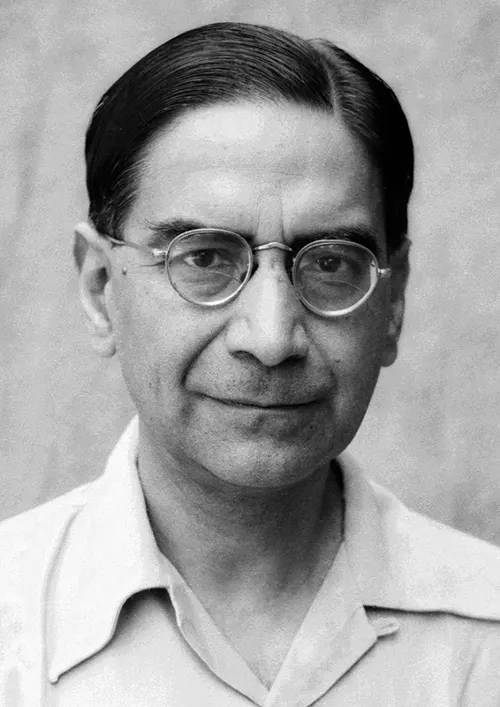
Prasanta Chandra Mahalanobis
 (প্রশান্ত চন্দ্র মহালানবীশ)
Indian scientist and applied statistician who introduced the Mahalanobis distance metric and founded the Indian Statistical Institute, serving as the architect of India's Second Five-Year Plan.
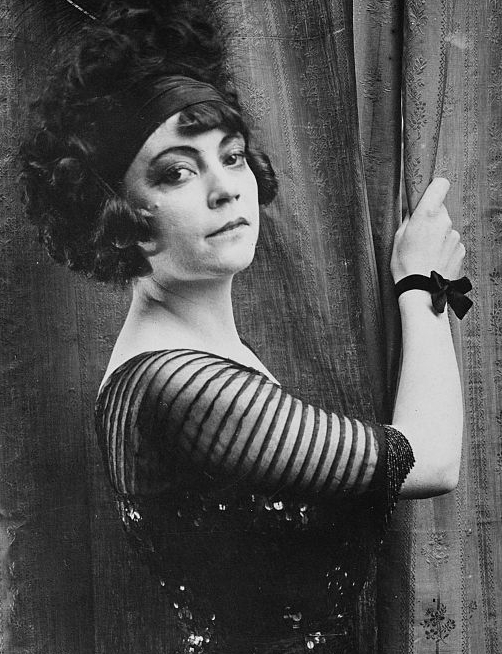
Asta Nielsen
 (Asta Sofie Amalie Nielsen)
Colossal Danish screen legend known across Europe as 'Die Asta' who became cinema's first international female superstar, revolutionizing screen acting with subtle psychological naturalism.
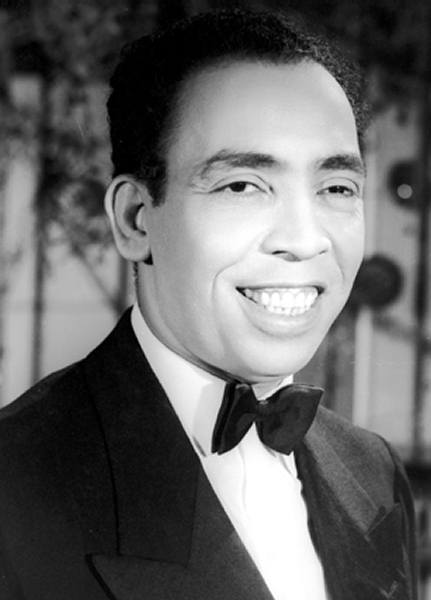
Ismail Yassine
 (إسماعيل ياسين)
Undisputed monarch of Egyptian slapstick comedy and monologist whose unmistakable wide-mouthed facial expressions, physical humor, and dedicated film series dominated Arab cinema for three decades.
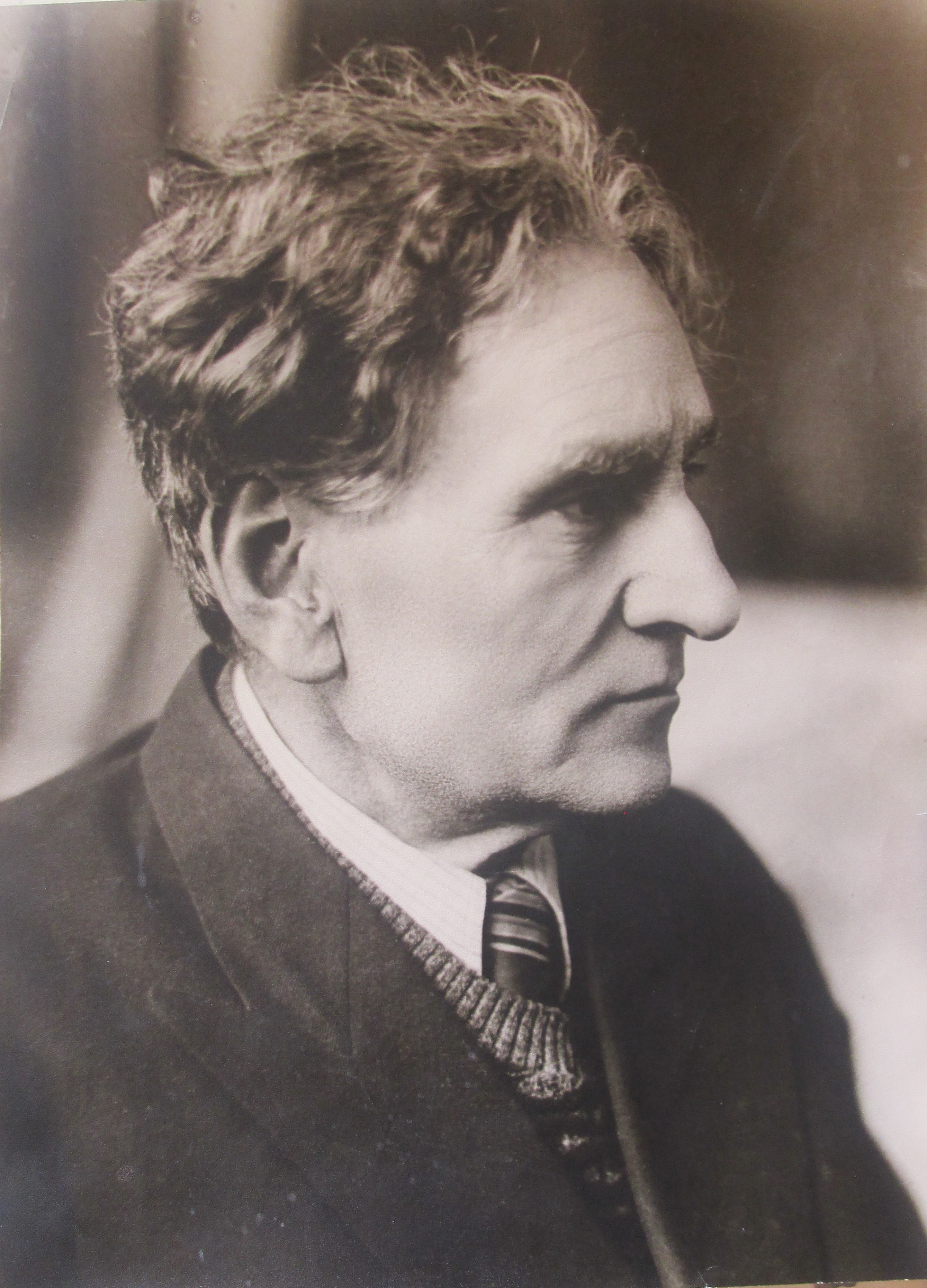
Martiros Saryan
 (Մարտիրոս Սարյան)
Master colorist and visual pioneer who founded modern Armenian national painting, renowned for his vibrant, luminous landscapes of Mount Ararat and sun-drenched Armenian valleys.
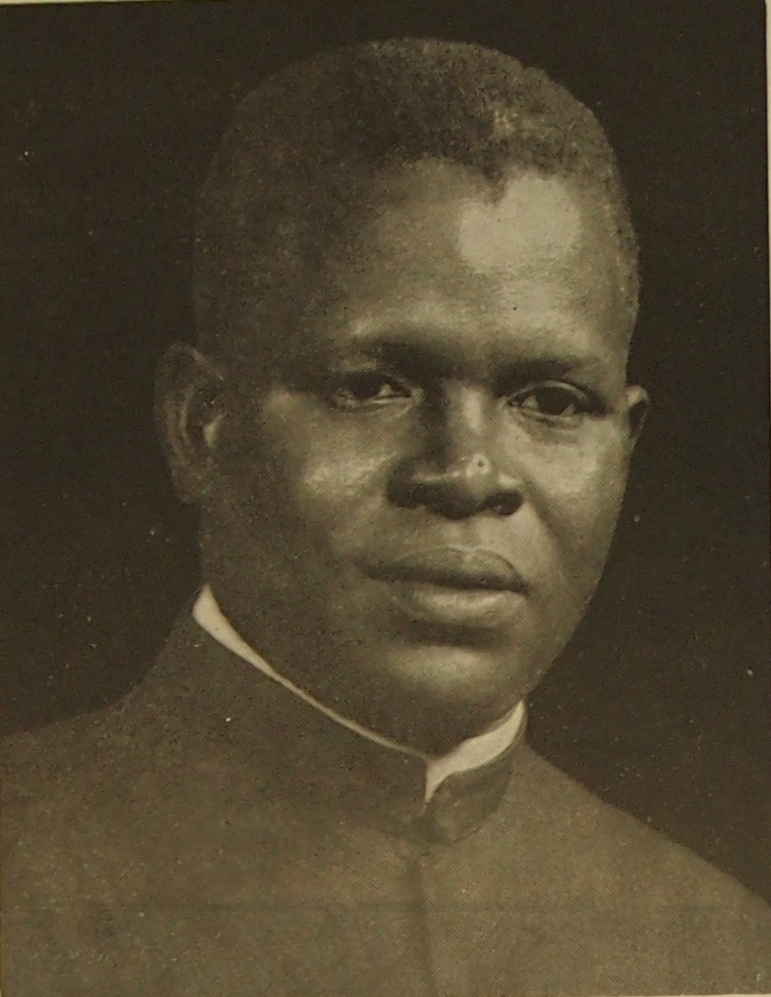
Fulbert Youlou
 (Fulbert Youlou)
First President of the Republic of the Congo (Brazzaville) known as 'Abbé Youlou', an ordained Roman Catholic priest who wore his soutane cassock in presidential office.
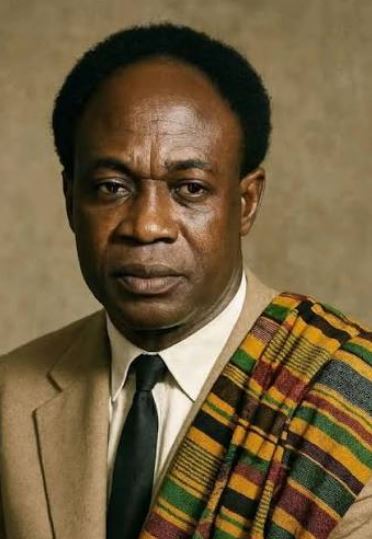
Kwame Nkrumah
 (Francis Nwia-Kofi Kwame Nkrumah)
Pioneer of modern Sub-Saharan African independence whose charismatic vision ignited the decolonization wave across the African continent.
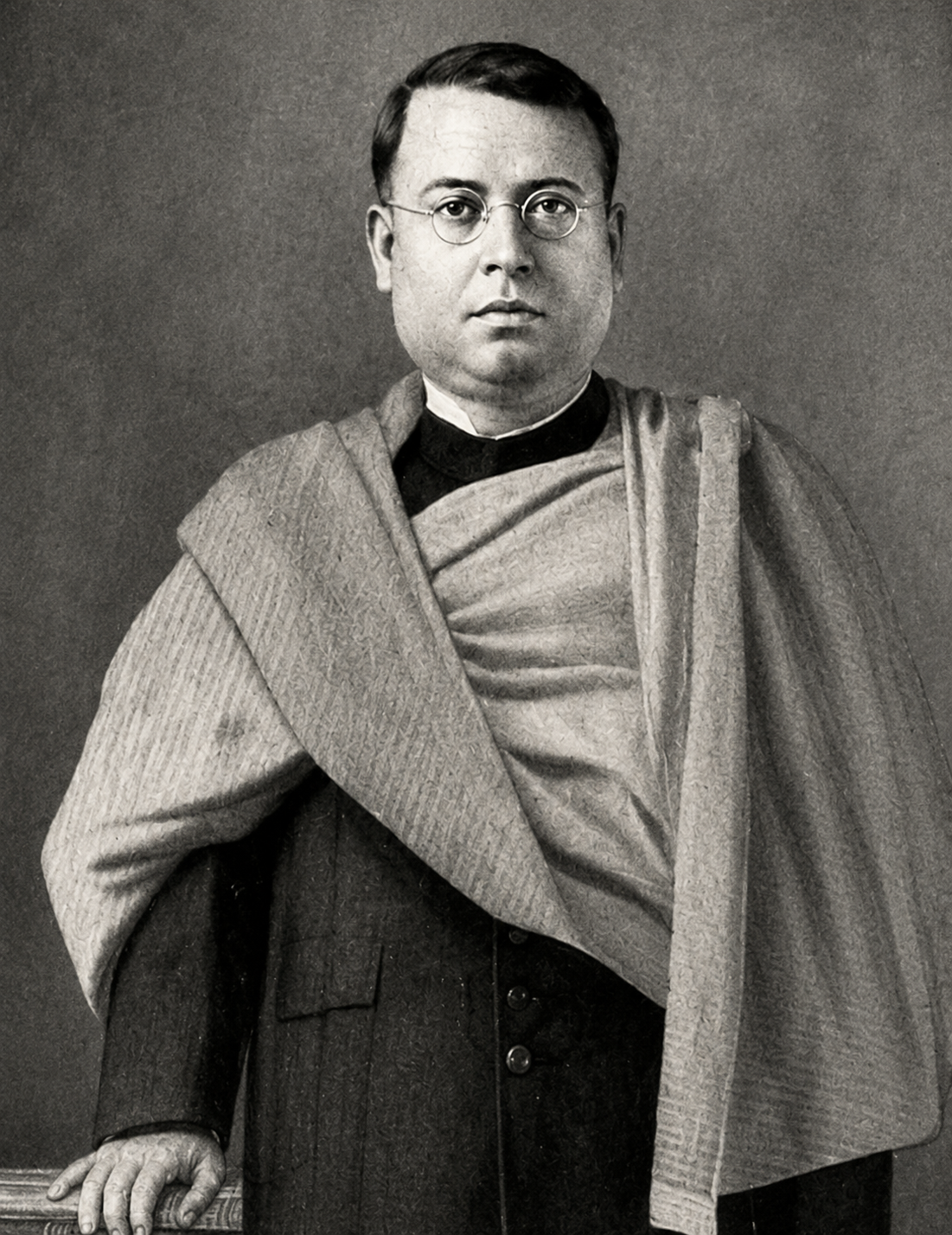
Jamini Roy
(যামিনী রায়)
Indian painter who renounced Western academic oil painting to create a bold, indigenous modernist style rooted in rural Bengali Kalighat folk patua scrolls and earthen mineral pigments.
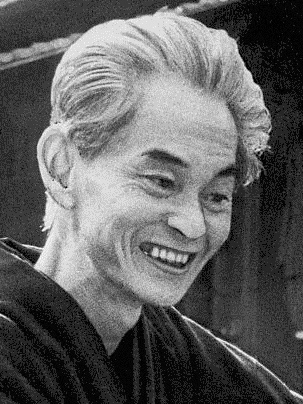
Yasunari Kawabata
 (川端 康成)
First Japanese writer to win the Nobel Prize in Literature (1968), master of subtle psychological nuance and traditional Japanese aesthetics in Snow Country and Thousand Cranes.
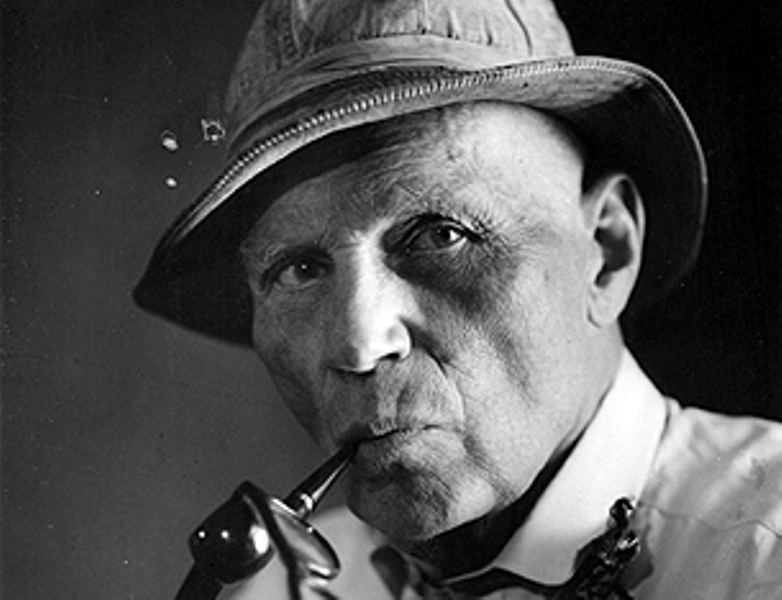
Jóhannes Kjarval
 (Jóhannes Sveinsson Kjarval)
Beloved national master painter of Iceland whose mystical, expressive canvases captured the moss, lichen, and hidden spirits of volcanic lava fields, immortalized on the 2,000-króna banknote.