Public Figures & Cultural Luminaries
Filterable archive covering centuries of intellectual, artistic, and moral contributions to the human story.
Alvan Ikoku
 (Alvan Azinna Ikoku)
Eminent Nigerian educator and statesman who established Aggrey Memorial College, led the Nigeria Union of Teachers, and is commemorated on the Nigerian ten naira banknote.
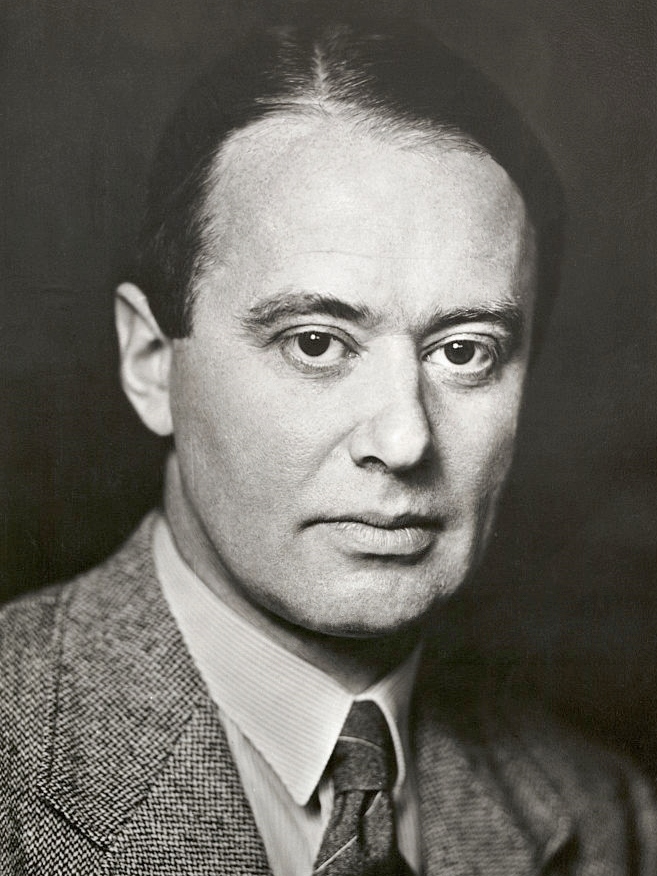
Arne Tiselius
 (Arne Wilhelm Kaurin Tiselius)
Swedish biochemist awarded the 1948 Nobel Prize in Chemistry for his research on electrophoresis and adsorption analysis, which isolated blood serum proteins.
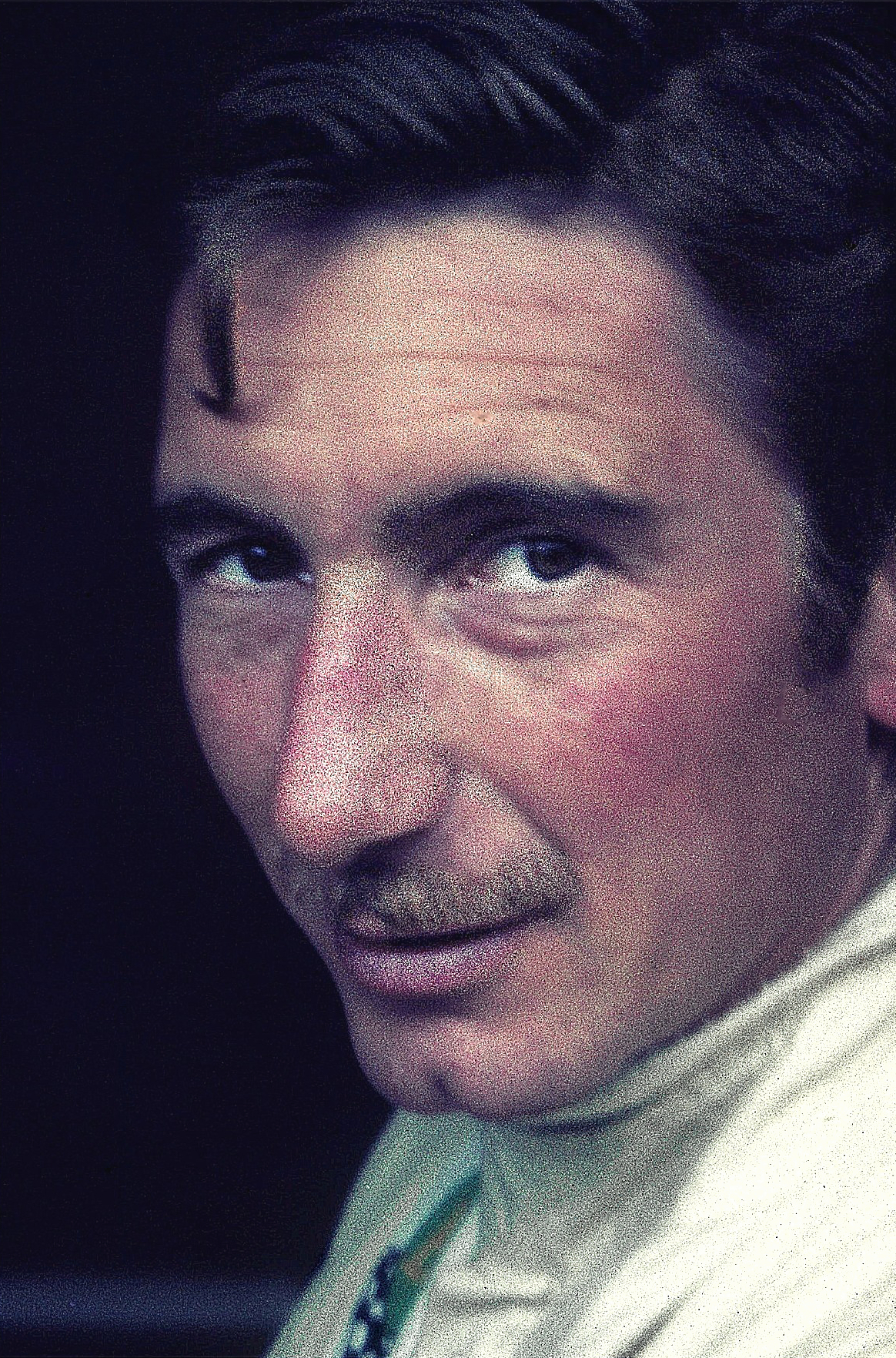
Jo Siffert
 (Joseph Siffert)
Charismatic Swiss racing hero 'Seppi' who won two Formula One Grands Prix for Rob Walker Racing and BRM and led Porsche's iconic 917 sports car program to consecutive World Sportscar Championships.
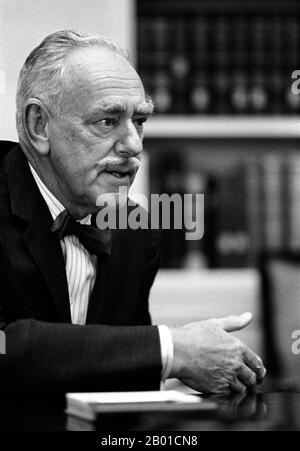
Dean Gooderham Acheson
 (Dean Gooderham Acheson)
Truman's Secretary of State and chief architect of the Cold War order, who created the Marshall Plan, the Truman Doctrine, NATO, and authored Present at the Creation.
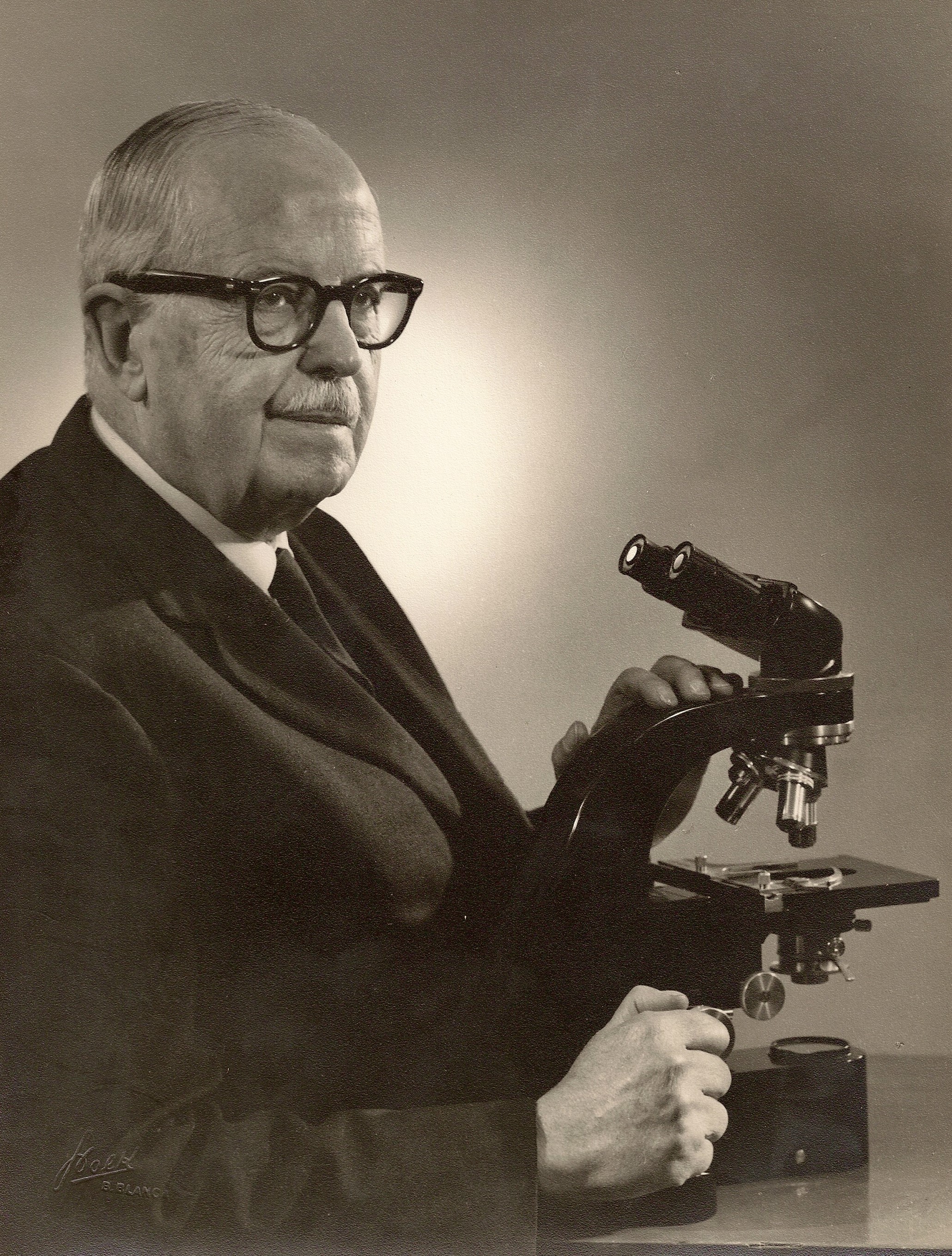
Bernardo Houssay
 (Bernardo Alberto Houssay)
Argentine physiologist who discovered the role of anterior pituitary hormones in regulating blood sugar metabolism, winning the 1947 Nobel Prize in Physiology or Medicine.
James Gladstone
 (Akay-na-muka)
First Treaty status Indigenous person appointed to the Senate of Canada in 1958, lifelong champion of First Nations voting rights.
William V. S. Tubman
 (William Vacanarat Shadrach Tubman)
Longest-serving President of Liberia (1944–1971) who modernized the nation's economy through the Open Door Policy and introduced the National Unification Policy granting equal voting rights to indigenous Liberians.
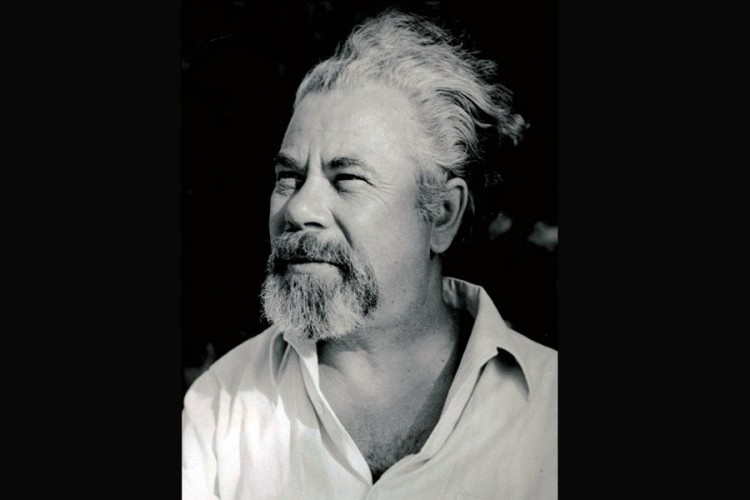
Mak Dizdar
 (Mehmedalija Mak Dizdar)
Preeminent 20th-century Bosnian poet whose 1966 masterpiece 'Kameni spavač' ('Stone Sleeper') drew upon medieval stećci tombstone inscriptions to express the tragic, defiant spirit of Bosnia.
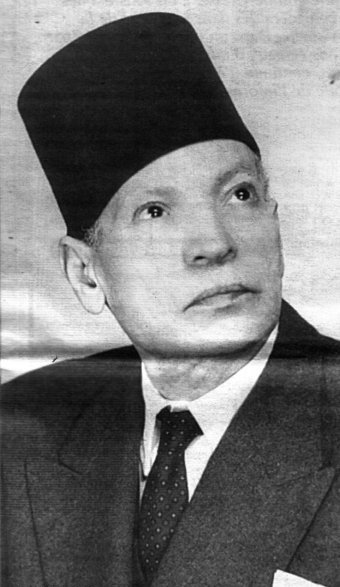
Abdelaziz El Aroui
 (عبد العزيز العروي)
Beloved dean of Tunisian folklorists, journalist, and radio pioneer whose Sunday evening broadcasts Hikayat El Aroui preserved thousands of oral tales, proverbs, and philosophical allegories.
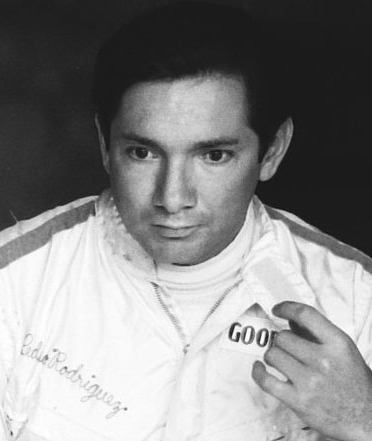
Pedro Rodriguez
 (Pedro Rodriguez de la Vega)
Mexico's greatest racing driver, who won the 24 Hours of Le Mans, two Formula One Grands Prix, and multiple World Sportscar Championships in the Gulf-Porsche 917, celebrated as the peerless rainmaster of his generation.
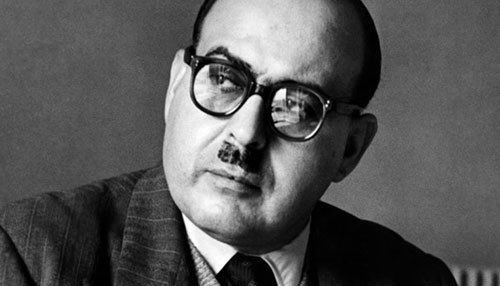
Ahmed Bahnini
 (أحمد باحنيني)
Prime Minister of Morocco from 1963 to 1965 and President of the Supreme Court, a distinguished constitutional jurist who fell during the 1971 Skhirat palace attack.
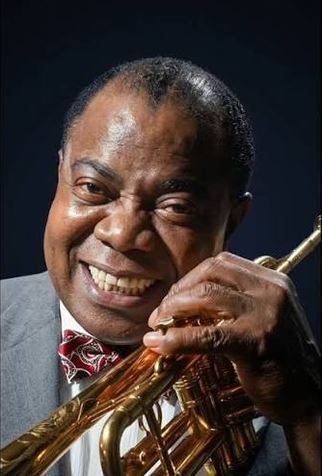
Louis Daniel Armstrong
(Louis Armstrong)
Founding father of jazz whose brilliant cornet/trumpet virtuosity, rhythmic swing, gravelly baritone vocals, and joyful charisma transformed jazz from collective folk improvisation into an individual soloist's art in West End Blues and What a Wonderful World.
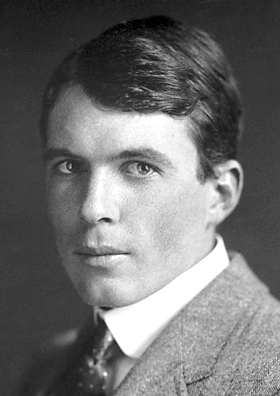
William Lawrence Bragg
 (William Lawrence Bragg)
Australian-born British physicist who formulated Bragg's Law of X-ray diffraction and remains the youngest ever Nobel laureate in physics, receiving the award at age twenty-five in 1915.
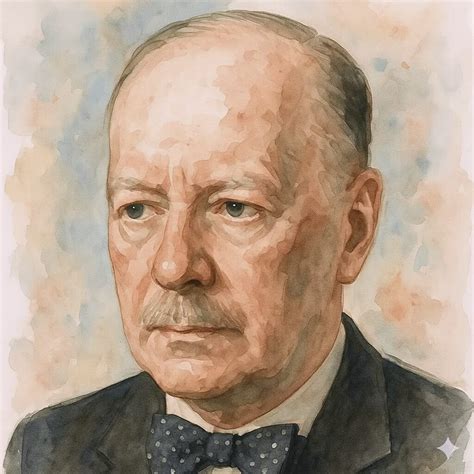
Kenneth Slessor
(Kenneth Adolphe Schloesser)
Pioneering modernist poet and official World War II war correspondent whose haunting Sydney Harbour elegy 'Five Bells' is celebrated as a masterpiece of Australian modernist verse.
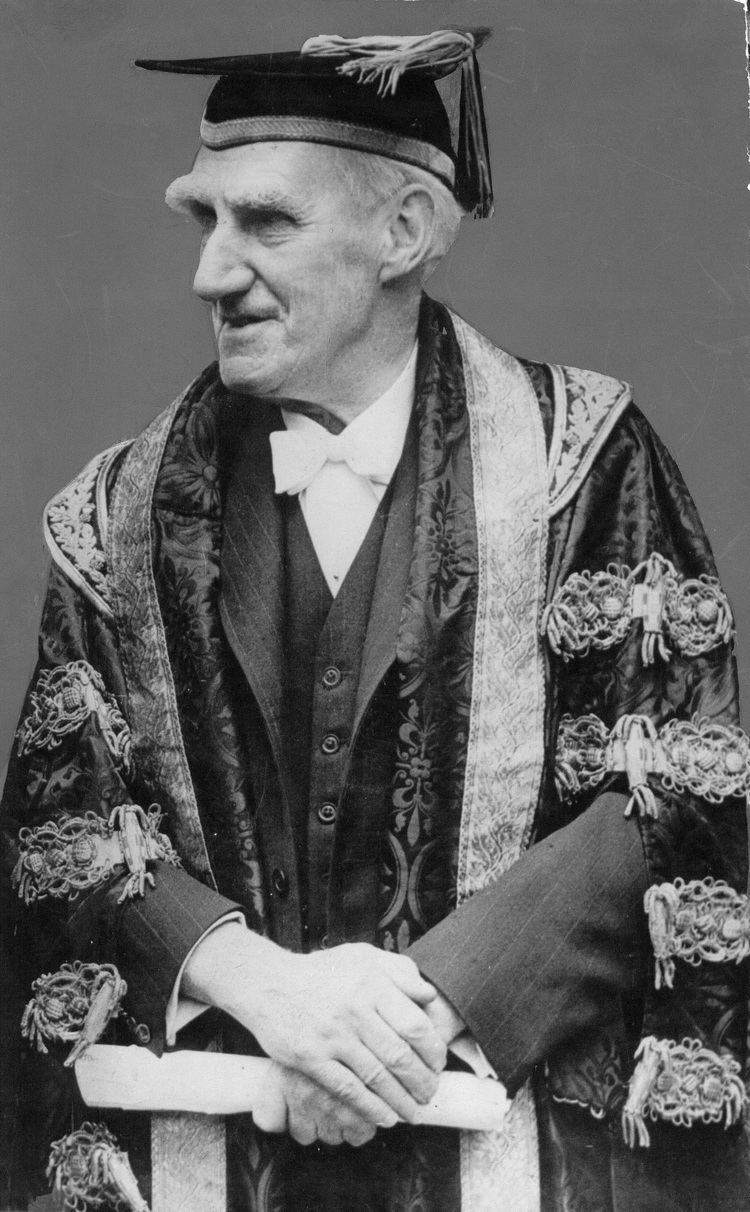
John Boyd Orr, 1st Baron Boyd-Orr
 (John Boyd Orr)
Médecin et biologiste écossais, premier directeur général de l'Organisation des Nations unies pour l'alimentation et l'agriculture (FAO), Nobel de la paix 1949.
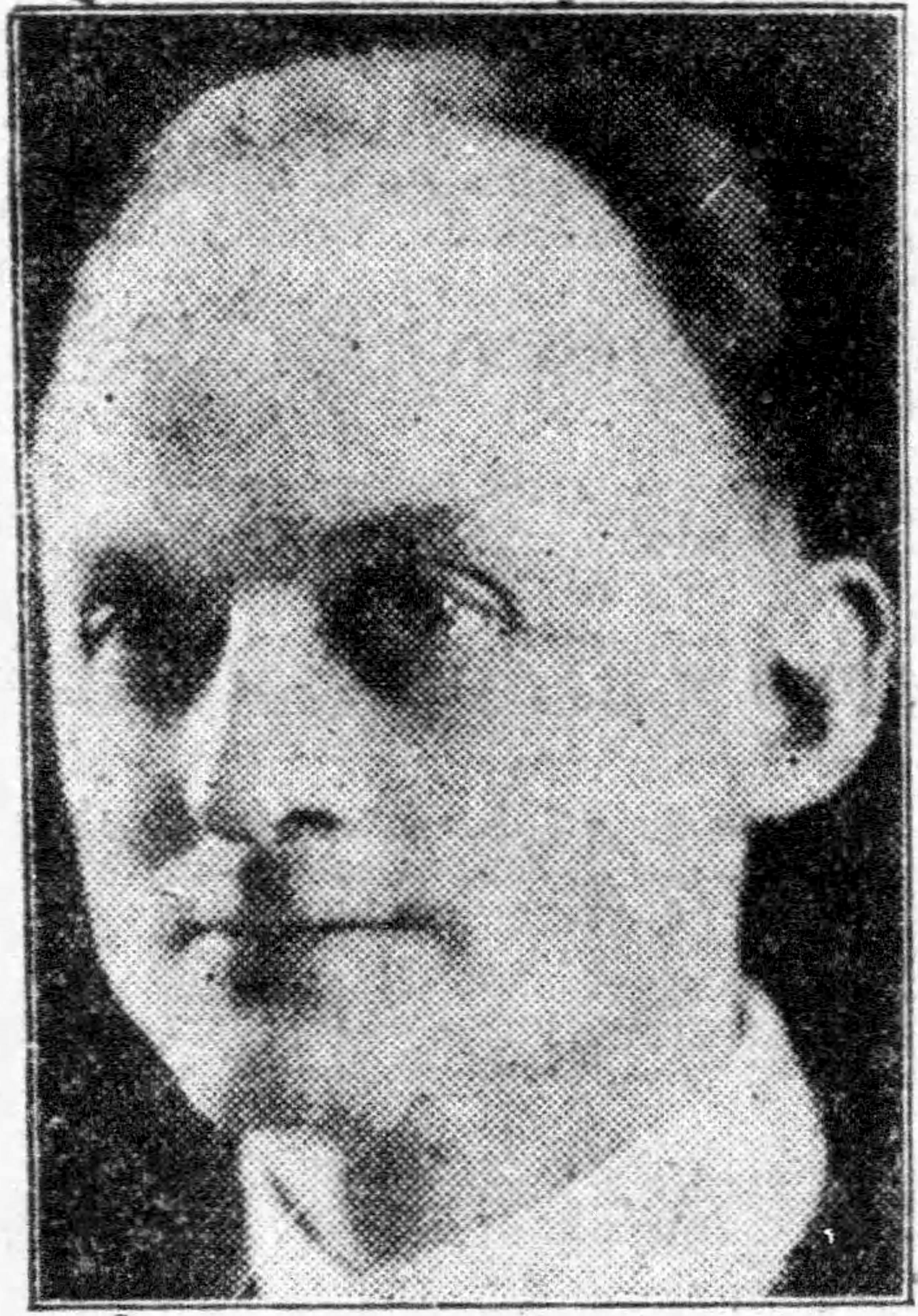
Reinhold Niebuhr
(Reinhold Niebuhr)
American public theologian and ethicist whose 'Moral Man and Immoral Society', formulation of Christian Realism, and 'Serenity Prayer' influenced generations of statesmen.
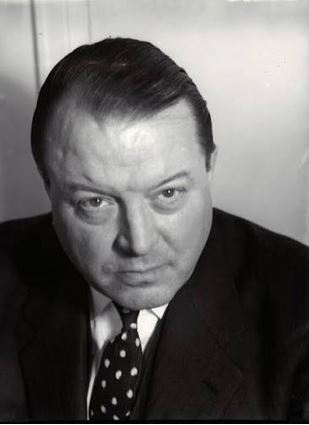
E. L. T. Mesens
 (Édouard Léon Théodore Mesens)
Central catalyst of Belgian Surrealism who was René Magritte's closest friend and patron, composed avant-garde music with Erik Satie, and introduced Surrealism to Britain as director of the London Gallery.
Dolores Cacuango
 (Dolores Cacuango Quilo)
Legendary indigenous leader known as 'Mama Dulu' who co-founded the Federación Ecuatoriana de Indios (FEI) in 1944 and founded Ecuador's first clandestine bilingual Quichua-Spanish schools for rural children.