 British India
•
1 views
British India
•
1 views
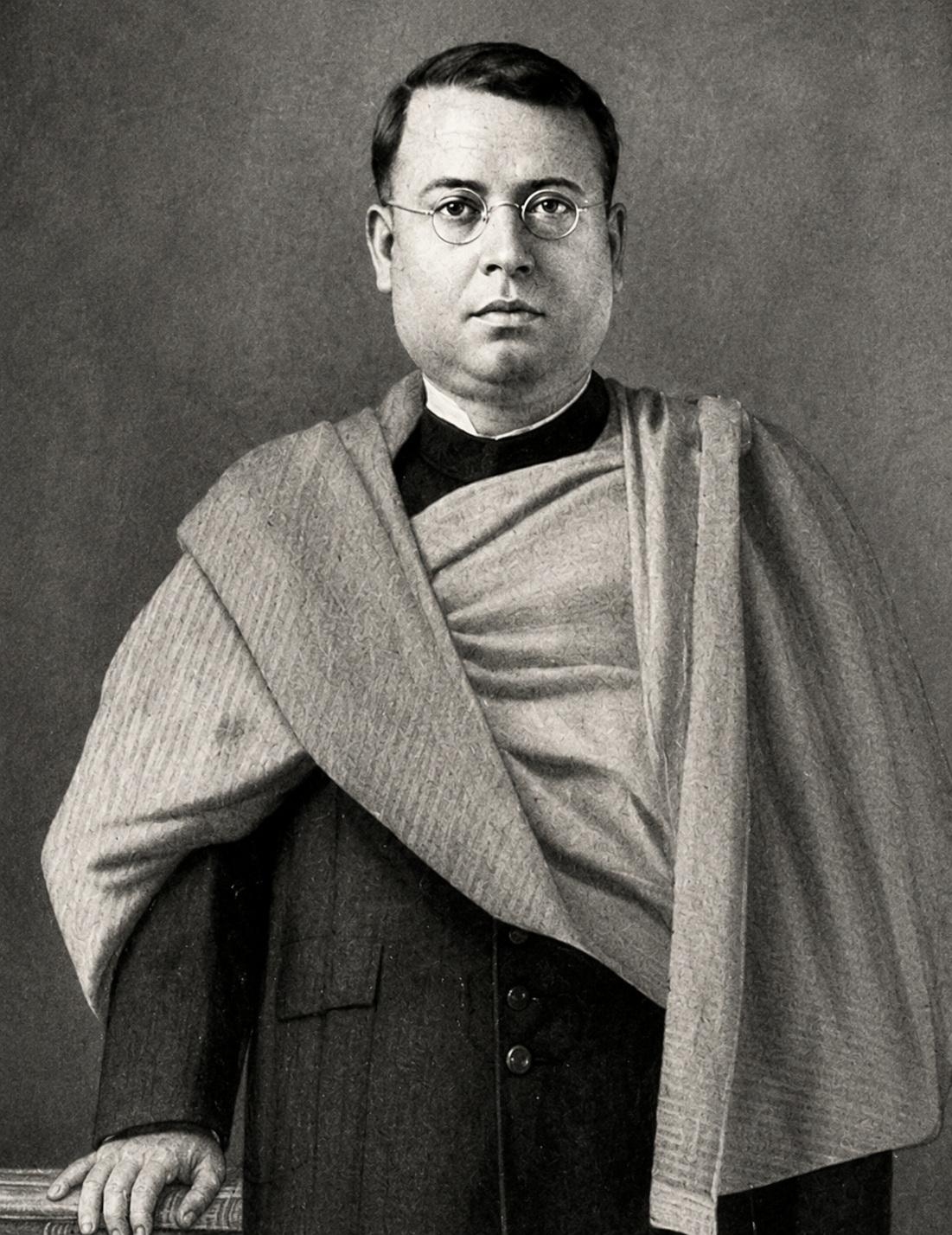
Jamini Roy

Beliatore (Bankura), British India
Archival Overview
Indian painter who renounced Western academic oil painting to create a bold, indigenous modernist style rooted in rural Bengali Kalighat folk patua scrolls and earthen mineral pigments.
Biographical Record
Trained at the Government College of Art in Calcutta, Jamini Roy (1887–1972) enjoyed early commercial success painting conventional academic portraits before experiencing a profound artistic crisis in the 1920s. Rejecting imported oils and canvas, he turned to rural folk traditions of his native Bankura.
Roy ground his own organic pigments from alluvial mud, rock dust, tamarind seeds, and vermilion, painting on woven mats and handmade paper with sweeping brushstrokes, almond eyes, and flat decorative planes. His depictions of Santhal villagers, mother and child, and Krishna democratized modern Indian art.
Key Life Milestones
First Solo Exhibition in Calcutta
Unveiled his radical folk modernist style, rejecting Western academic conventions.
Awarded Padma Bhushan
Honored by the Government of India as one of the 'Nine Masters' of national artistic heritage.
Memorial Guestbook & Tributes
0 messages recordedLeave a Respectful Tribute
Final Resting Place
Perpetual MemorialKolkata, India