Public Figures & Cultural Luminaries
Filterable archive covering centuries of intellectual, artistic, and moral contributions to the human story.
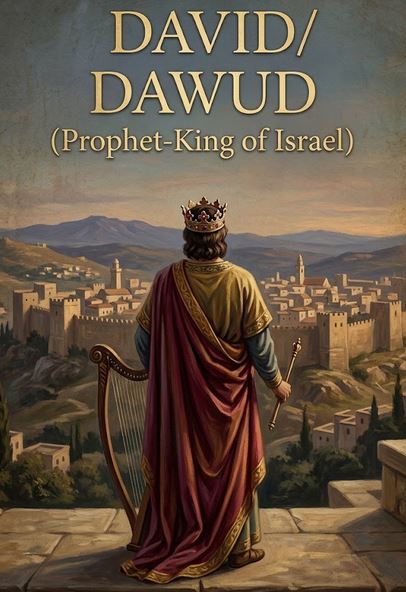
David / Dawud (Prophet-King of Israel)
 (דָּוִד / داود عليه السلام)
Shepherd boy who vanquished Goliath with a sling and righteous faith, ascending to become King of a unified Israel. Renowned for supreme melodic worship, divine repentance, and the Psalms (Zabur).
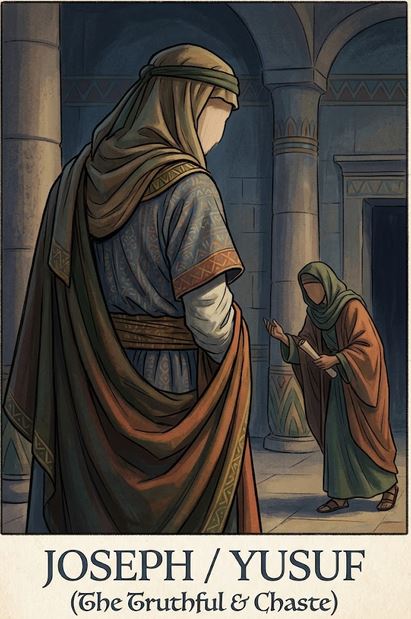
Joseph / Yusuf (The Truthful & Chaste)
(יוֹסֵף / يوسف الصديق عليه السلام)
Beloved son of Jacob whose life is immortalized as "the most beautiful of stories." Cast into a pit by envious brothers, sold into slavery, and wrongfully imprisoned, he rose to become Grand Vizier of Egypt through wisdom.
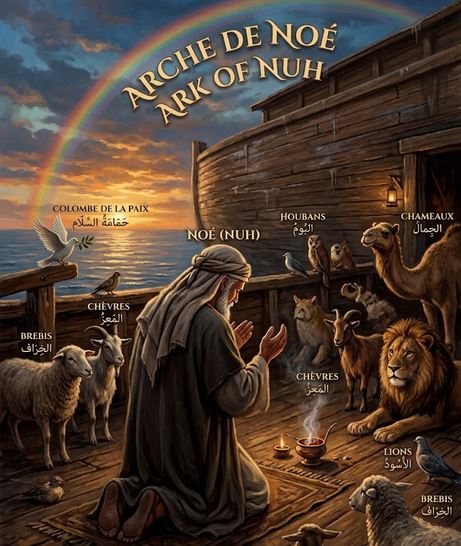
Noah / Nuh (The Grateful Servant)
 (נֹחַ / نوح عليه السلام)
Righteous patriarch who persevered for centuries preaching monotheistic virtue to a corrupt generation. Built the monumental Ark by divine inspiration to preserve living species and humanity through the Great Flood.
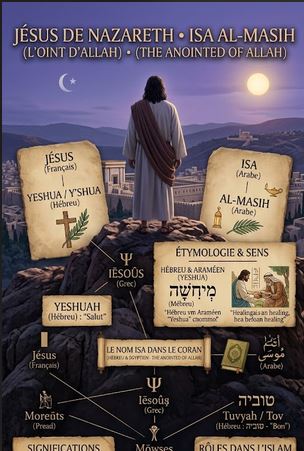
Jesus of Nazareth / Isa al-Masih
(יֵשׁוּעַ / عيسى المسيح عليه السلام)
Central spiritual teacher of Christianity and venerated Messianic Prophet (Isa) in Islam. Preached divine mercy, the Sermon on the Mount, sacrificial love, forgiveness of enemies, and healing of the poor and outcast.
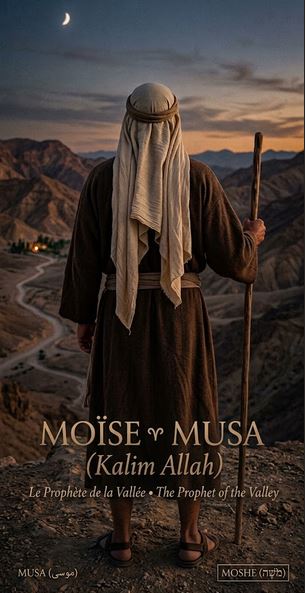
Moses / Musa (Kalim Allah)
 (מֹשֶׁה רַבֵּנוּ / موسى عليه السلام)
The paramount prophet, lawgiver, and liberator of the Israelites. Confronted Pharaoh, led the Exodus from Egyptian bondage, and received the Ten Commandments upon Mount Sinai.
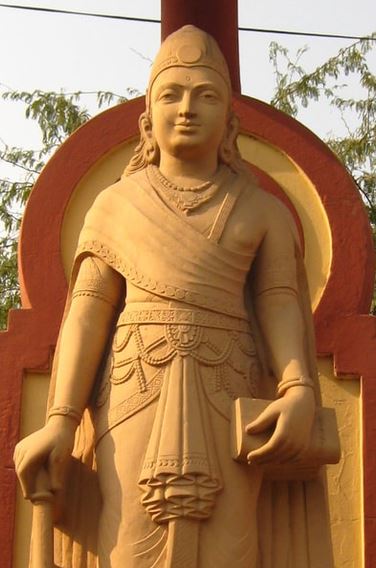
Chanakya (Kautilya / Vishnugupta)
 (चाणक्य (कौटिल्य))
Ancient Indian polymath, master strategist, and royal advisor who engineered the Maurya Empire. Author of Arthashastra, analyzing realpolitik, statecraft, economics, and institutional governance centuries before Machiavelli.
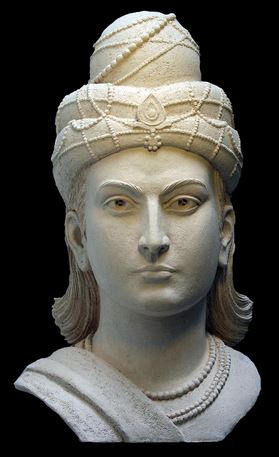
Ashoka Maurya (Devanampriya Priyadasi)
 (अशोकः / 𑀅𑀲𑁄𑀓)
Third emperor of the Maurya Empire who ruled almost the entire Indian subcontinent. Moved by the horrific bloodshed of the Kalinga War, he renounced war, embraced Buddhism, and ruled through non-violence and social welfare.
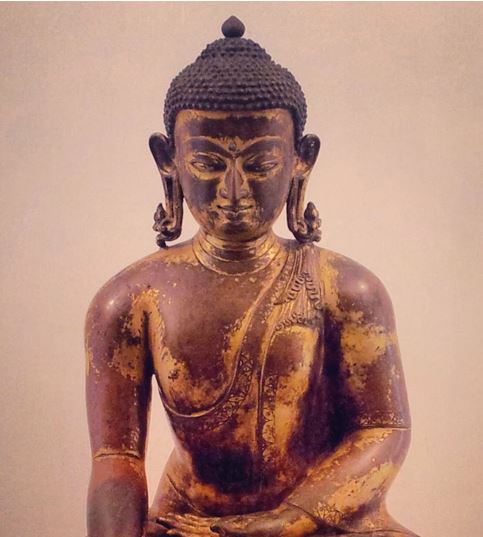
Siddhartha Gautama (Shakyamuni Buddha)
 (सिद्धार्थ गौतम / सिद्धार्थ गोतम)
Spiritual teacher from ancient South Asia whose teachings founded Buddhism. Renounced princely luxury to seek the cessation of suffering, attaining supreme enlightenment under the Bodhi Tree and sharing the Middle Way.
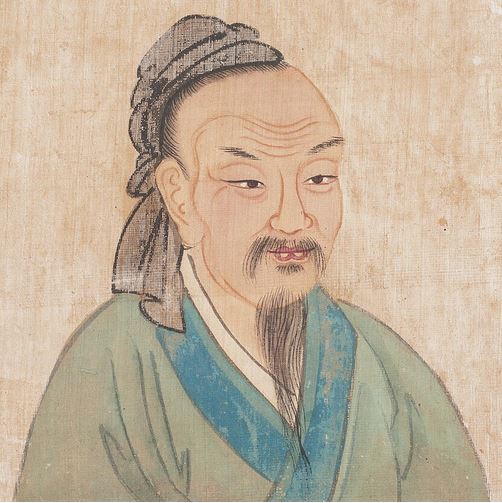
Qu Yuan
 (屈原)
(屈原)
Patriot-poet and minister of the Kingdom of Chu during the Warring States period, celebrated as China's first great named poet. Author of Li Sao (Encountering Sorrow); the annual Dragon Boat Festival commemorates his sacrifice.
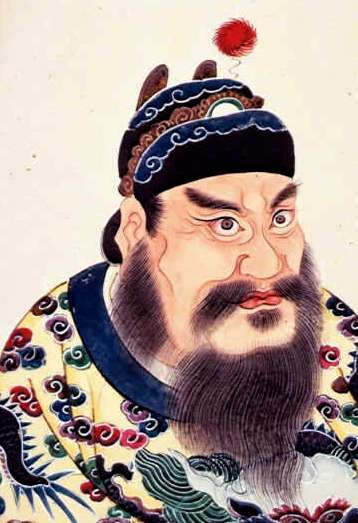
Qin Shi Huang (Ying Zheng)
(秦始皇 (嬴政))
The founder of the Qin Dynasty who conquered the Warring States to create a unified Chinese Empire in 221 BCE. Standardized Chinese script, measurements, and currency, connected the Great Wall, and commissioned the Terracotta Army.
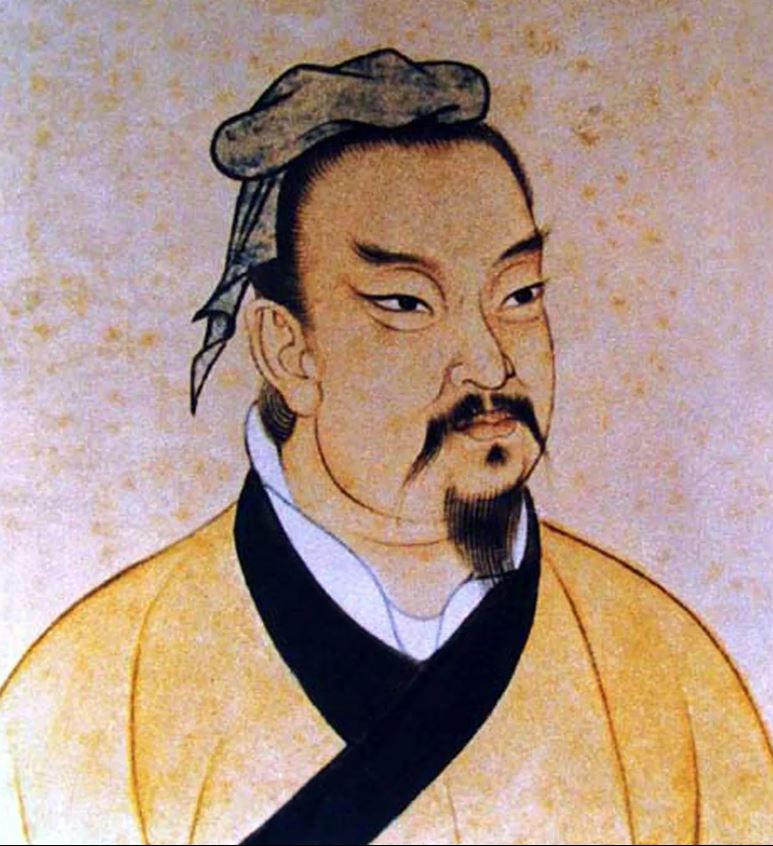
Sun Wu (Sun Tzu)
(孙子 (孙武))
Military general and master strategist who served King Helü of Wu. His classic treatise, The Art of War, is the most celebrated text on strategy and conflict resolution in human history, studied worldwide across all disciplines.
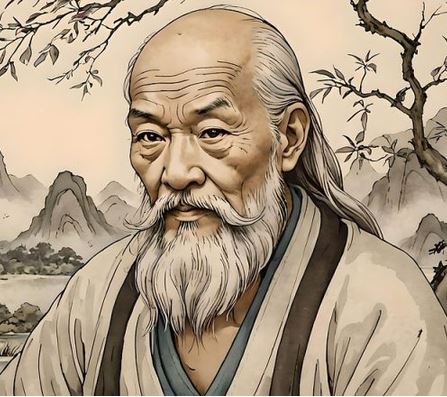
Laozi (Li Er)
(老子 (李耳))
Ancient philosopher and royal archivist of the Zhou court. Father of Daoism and author of the Tao Te Ching (Daodejing), teaching natural simplicity, cosmic harmony, and effortless action (Wu Wei).
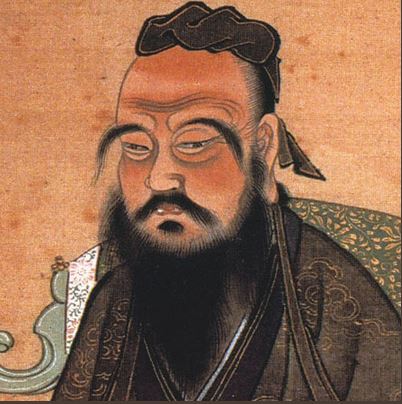
Kong Qiu (Kong Fuzi)
(孔夫子 (孔丘))
Philosopher and educator whose moral philosophy—recorded in the Analects—formed the foundation of East Asian civilization for over two millennia. Championed benevolence (Ren), righteousness (Yi), and harmonious ethical governance.
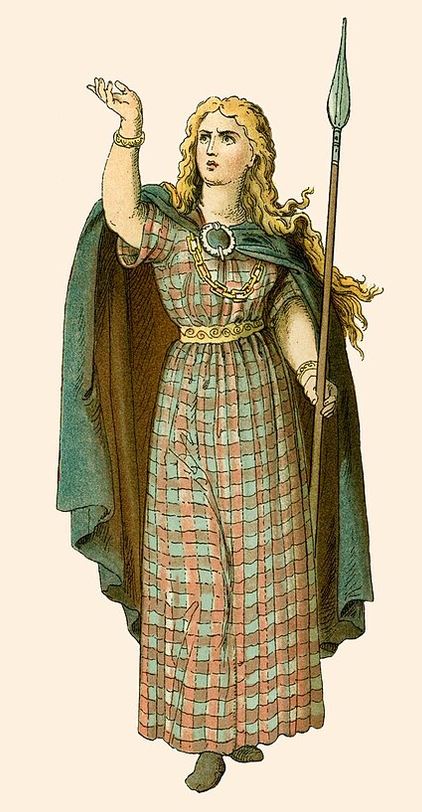
Boudica (Boadicea)
 (Boudīkā (Victorious Woman))
Warrior Queen of the British Iceni tribe who led a massive uprising against Roman imperial tyranny. United Celtic tribes and razed Roman colonial settlements, standing as an enduring symbol of liberty and resistance.
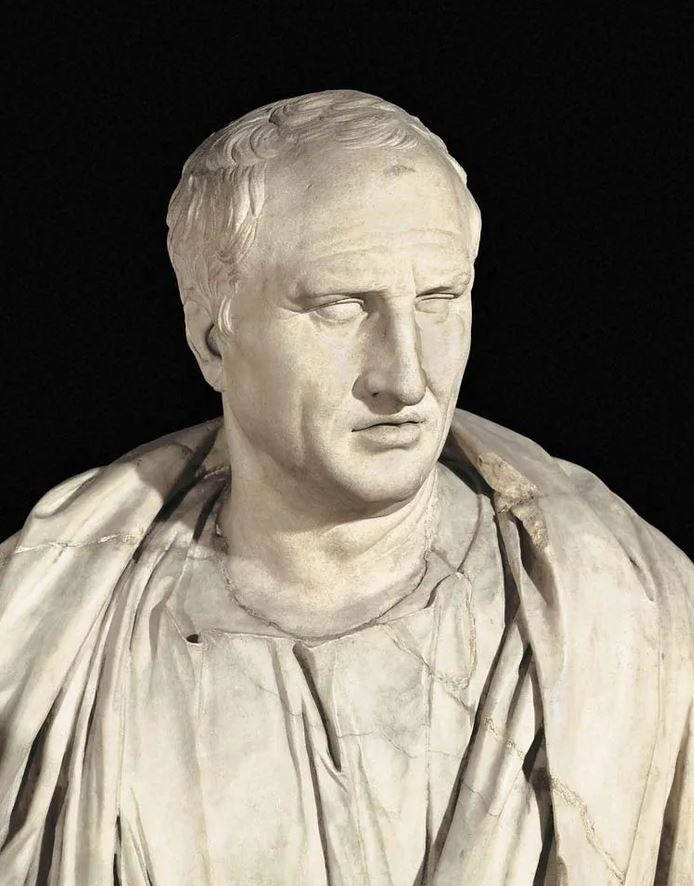
Marcus Tullius Cicero
 (M·TVLLIVS·M·F·M·N·CICERO)
Rome's greatest orator and prose stylist. Introduced Greek philosophy to the Latin language, championed republican constitutionalism against tyranny, and profoundly inspired the European Enlightenment and American founding.
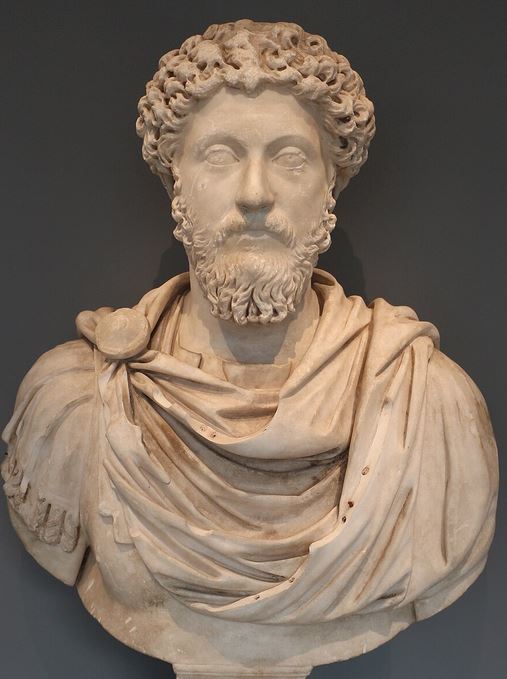
Marcus Aurelius Antoninus
(M·AVRELIVS·ANTONINVS·AVGVSTVS)
The last of the "Five Good Emperors" and humanity's quintessential philosopher-king. Led Rome through war and the Antonine plague while penning Meditations—a timeless masterwork of Stoic duty and inner peace.
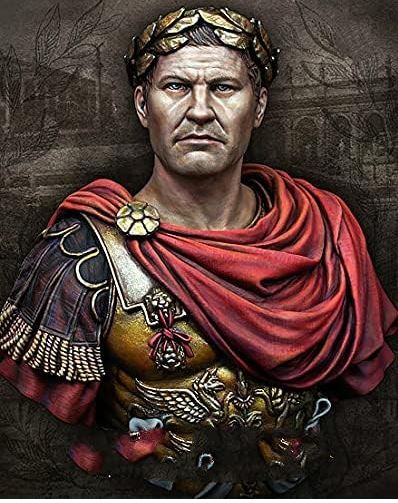
Gaius Julius Caesar
(C·IVLIVS·C·F·C·N·CAESAR)
Roman military commander and statesman whose conquest of Gaul and crossing of the Rubicon transformed the Roman Republic into an empire. Reformed the calendar, established veterans' colonies, and fell to the Ides of March.
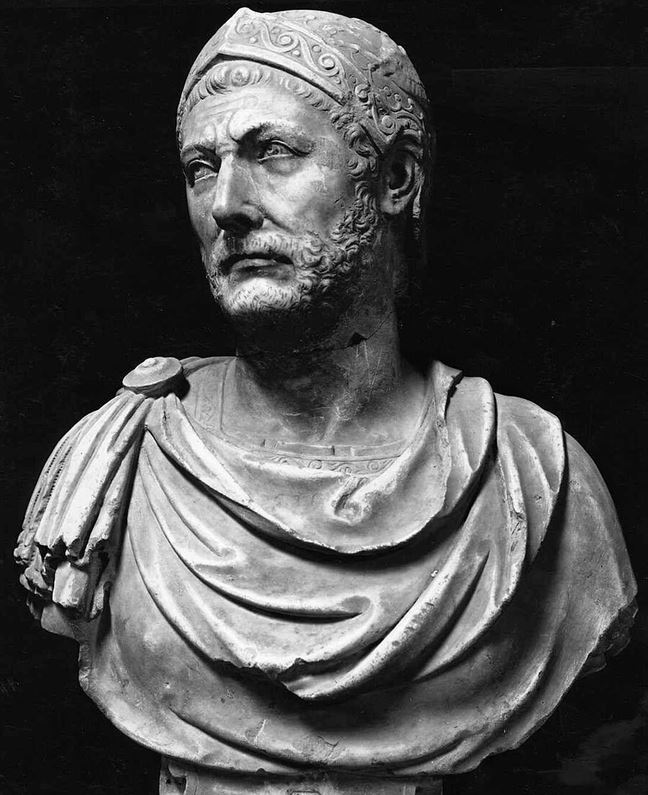
Hannibal Barca
 (𐤇𐤍𐤁𐤏𐤋 𐤁𐤓𐤒 (Ḥannibaʻal Baraq))
Carthaginian general celebrated as one of history's greatest tactical geniuses. Crossed the Pyrenees and Alps with war elephants and crushed Roman legions at Cannae and Trasimene, bringing Rome to the brink of defeat.