Public Figures & Cultural Luminaries
Filterable archive covering centuries of intellectual, artistic, and moral contributions to the human story.
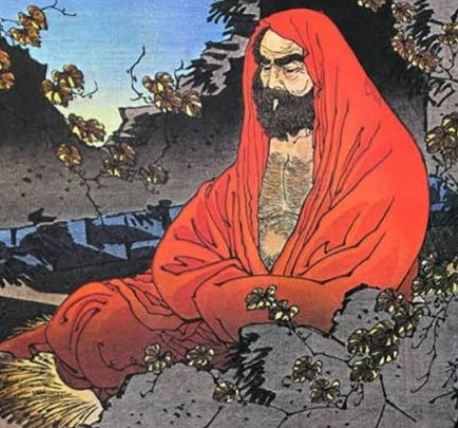
Bodhidharma (First Patriarch of Chan / Zen)
 (菩提達摩 (Putidamo / Daruma))
Semi-legendary Indian monk who journeyed across the Himalayas to China, founding the Chan (Zen) tradition. Famous for meditating nine years facing a cave wall at Shaolin Monastery, transmitting direct mind-to-mind awakening beyond words.
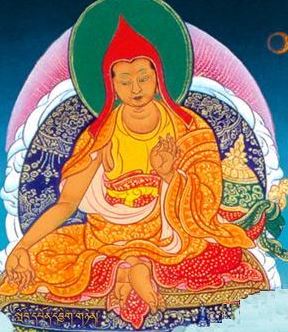
Vasubandhu (The Master of Abhidharma & Yogacara)
 (वसुबन्धु (Vasubandhu))
Fourth-century Gandharan philosopher and scholar who mastered Sarvastivada Abhidharma before being converted by his brother Asanga to Yogacara (Mind-Only) Buddhism, authoring the Abhidharmakosha and Twenty Verses on Consciousness-Only.
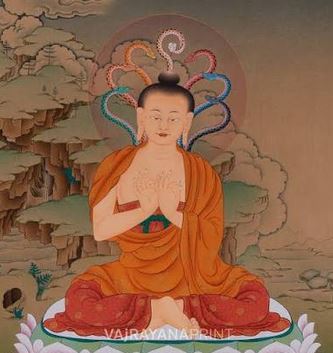
Acharya Nagarjuna (Founder of the Middle Way)
(नागार्जुन (Nāgārjuna))
One of history's greatest dialectical philosophers and founder of the Madhyamaka (Middle Way) school of Mahayana Buddhism. Formulated the doctrine of Sunyata (Emptiness) in the Mulamadhyamakakarika, dismantling all rigid conceptual dogmas.
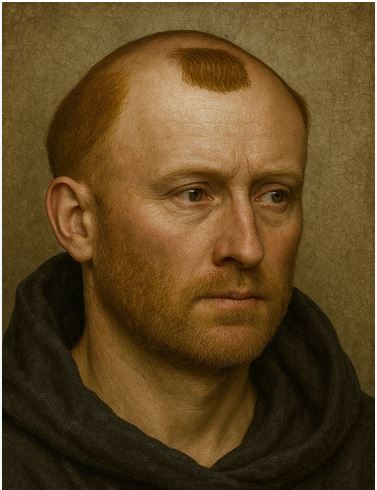
Eckhart von Hochheim (Meister Eckhart)
 (Eckhart von Hochheim)
Profound Dominican philosopher and mystic whose sermons explored the uncreated divine ground (Grund) of the soul. Taught radical detachment (Gelassenheit) and the eternal birth of the Word within human consciousness.
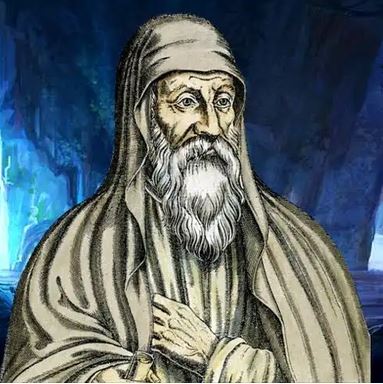
Origen Adamantius (Father of Christian Exegesis)
 (Ὠριγένης Ἀδαμάντιος)
One of antiquity's most prolific intellects and the pioneer of systematic Christian theology. Created the Hexapla, formulated allegorical biblical hermeneutics, and authored On First Principles (De Principiis).
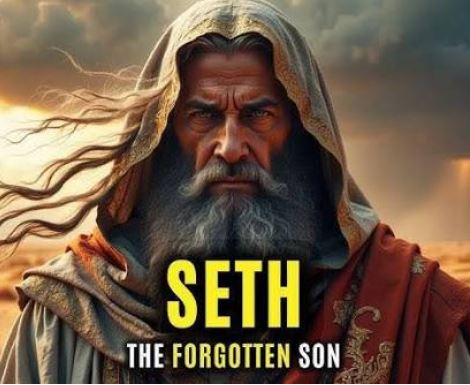
Seth / Sheeth (The Righteous Seed)
 (שֵׁת / شيث عليه السلام)
Third recorded son of Adam and Eve, granted by divine grace to replace Abel. Preserved sacred monotheism, moral law, and astronomical wisdom through the primeval generations before the Great Flood.
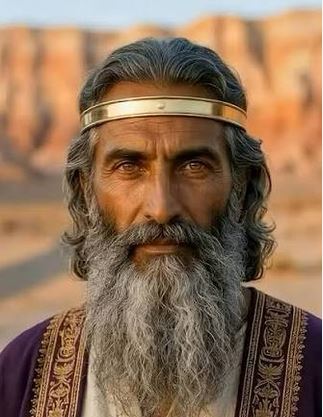
Melchizedek (King of Salem & Priest of the Most High)
 (מַלְכִּי־צֶדֶק)
Enigmatic king-priest of Salem (Jerusalem) who blessed Abraham following the rescue of Lot. Offered bread and wine, serving as the immortal archetype of an eternal priesthood of peace and righteousness.
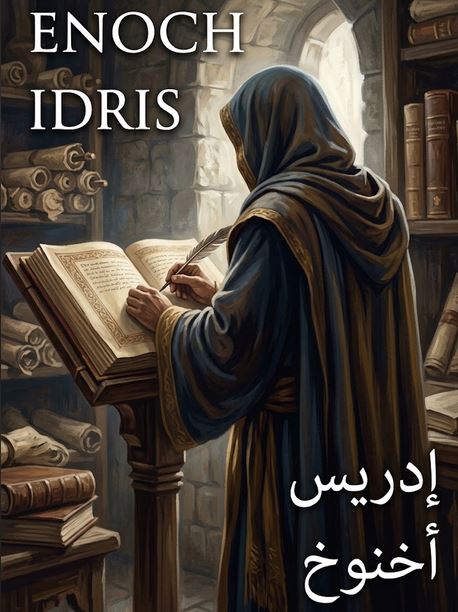
Enoch / Idris (The Scribe of Heaven)
(חֲנוֹךְ / إدريس عليه السلام)
Seventh patriarch from Adam celebrated in Jewish, Christian, and Islamic tradition as the first human to write with the reed pen and study astronomical orbits. Walked with God and was taken up without experiencing death.
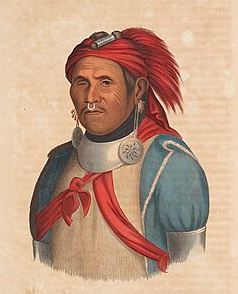
Tenskwatawa (The Open Door / Shawnee Prophet)
 (Tenskwatawa (The Open Door))
Shawnee spiritual leader and brother of Tecumseh. After falling into a death-like coma in 1805, he awakened with visionary teachings calling for total indigenous spiritual purification, resistance to alcohol, and pan-tribal unity.
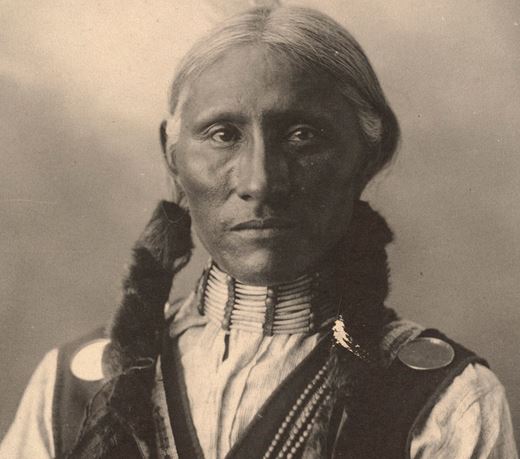
Sweet Medicine (Motsé'eóeve)
(Motsé'eóeve (Sweet Medicine))
Sacred prophet and cultural founder of the Cheyenne people. Summoned inside holy Bear Butte (Noahvose) by the Creator (Ma'heo'o), he received the Four Sacred Arrows and the Council of Forty-Four Peace Chiefs system.
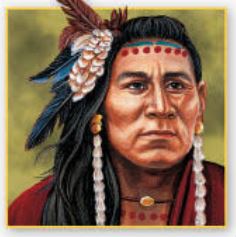
Deganawida (The Great Peacemaker)
 (Skén:nen Rahá:wi (Deganawida))
Legendary Huron/Haudenosaunee prophet who transformed five warring nations into the Iroquois Confederacy. Established the Great Law of Peace (Gayaneshagowa)—the world's oldest participatory constitutional democracy.
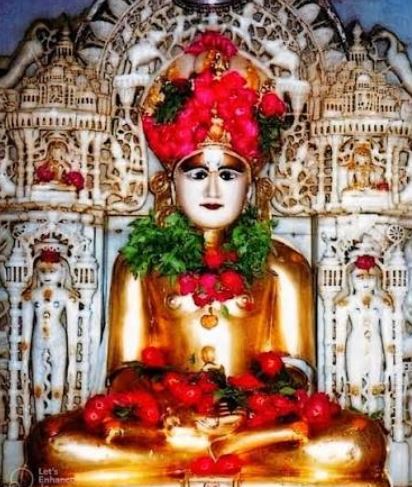
Parshvanatha (23rd Tirthankara)
(पार्श्वनाथ (Pārśvanātha))
Earliest historically verified Tirthankara of Jainism, living 250 years before Mahavira. Established the Fourfold Law of Restraint (Chaturyama Dharma) and protected living creatures with boundless compassion.
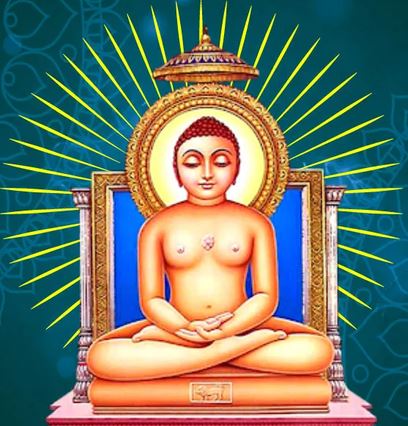
Vardhamana Mahavira (24th Tirthankara)
(महावीर (Vardhamāna Mahāvīra))
Supreme prophet and revitalizer of Jainism. Renounced royal majesty at age thirty to practice severe austerities, attaining Kevala Jnana (omniscience) and preaching absolute non-violence (Ahimsa) toward all living beings.
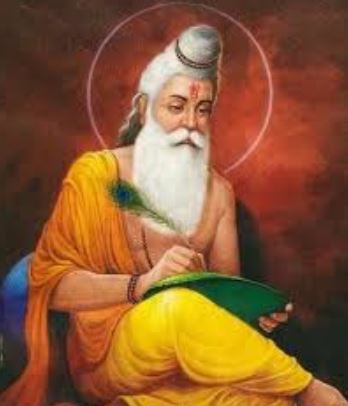
Maharishi Valmiki (The Adi Kavi)
(महर्षि वाल्मीकि)
Venerated sage-prophet and author of the epic Ramayana (24,000 verses). Grieved by the slaying of a crane, he invented the classical Sanskrit poetic meter (Shloka) and provided sanctuary to Queen Sita.
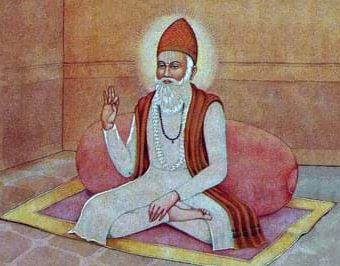
Kabir Das (The Mystic Weaver)
(संत कबीरदास)
Fifteenth-century mystic poet and weaver whose sharp couplets (Dohas) pierced through sectarian dogmatism, ritual bigotry, and caste cruelty, synthesizing Hindu and Muslim spirituality into pure love for the One.
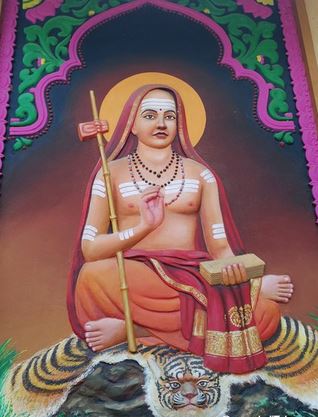
Adi Shankaracharya of Kalady
(आदि शङ्कराचार्य)
Eighth-century philosopher, theologian, and master sage who revitalized Vedic thought across India by establishing Advaita (Non-Dualism). Founded the four cardinal monastic Mathas and authored brilliant Upanishadic commentaries.
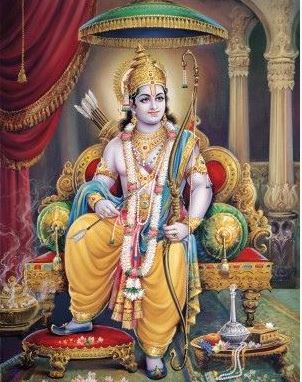
Rama of Ayodhya (Maryada Purushottama)
(श्रीराम (Śrī Rāma))
Seventh Avatar of Vishnu and hero of the epic Ramayana. Venerated throughout South and Southeast Asia as the ultimate exemplar of filial piety, righteous duty (Dharma), chivalry, and noble kingship.
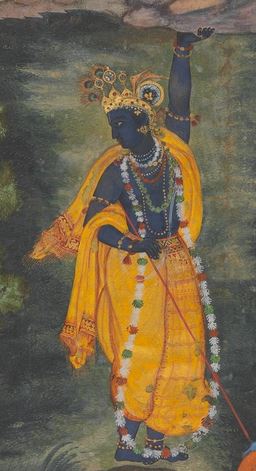
Krishna Vasudeva (The Supreme Teacher)
(श्रीकृष्ण (Śrī Kṛṣṇa))
Central divine figure of Hinduism, master statesman, and charioteer who delivered the Bhagavad Gita on the battlefield of Kurukshetra. Expounded Karma Yoga, Bhakti Yoga, and selfless righteous action.