Public Figures & Cultural Luminaries
Filterable archive covering centuries of intellectual, artistic, and moral contributions to the human story.
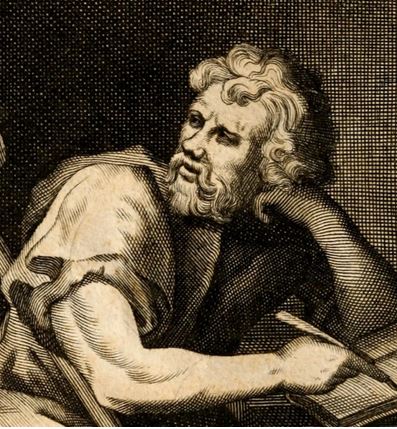
Epictetus
 (Ἐπίκτητος)
Greek Stoic philosopher born into slavery who established a renowned school in Nicopolis, teaching that inner serenity stems from distinguishing what is within our control from what is not.
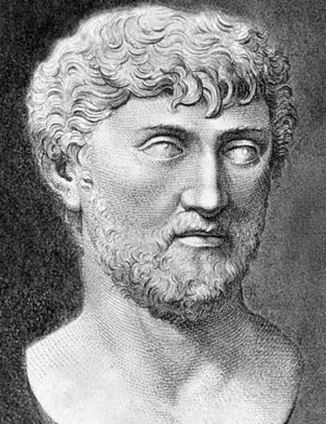
Lucretius (Titus Lucretius Carus)
 (Titus Lucretius Carus)
Roman poet and philosopher whose didactic epic De Rerum Natura (On the Nature of Things) articulated a sublime materialistic vision of the physical universe, atomism, and human freedom.
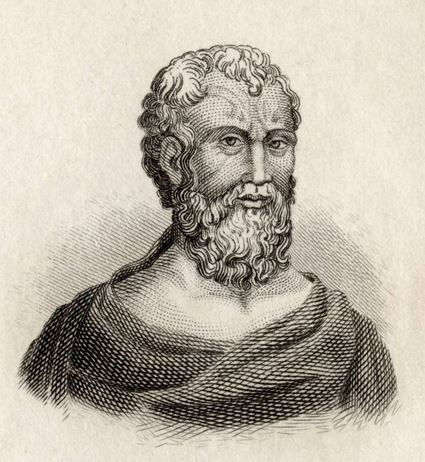
Zeno of Citium
 (Ζήνων ὁ Κιτιεύς)
Phoenician-Greek philosopher who founded the Stoic school at the Stoa Poikile in Athens, teaching that true virtue lies in living in harmony with universal nature and reason.
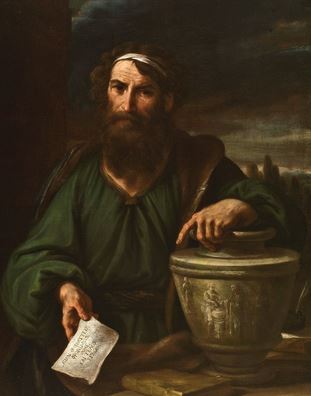
Epicurus of Samos
 (Ἐπίκουρος)
Founder of the Epicurean school ('The Garden'), who taught that the highest good is ataraxia (mental tranquility) achieved through modest living, enduring friendship, and liberation from fear.
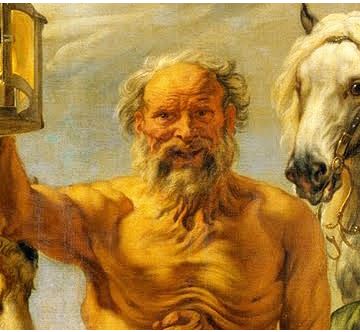
Diogenes of Sinope
(Διογένης ὁ Σινωπεύς)
Supreme archetype of Cynic philosophy who discarded all material possessions to live in a ceramic tub, challenging social hypocrisy with lamp in hand and defying Alexander the Great.
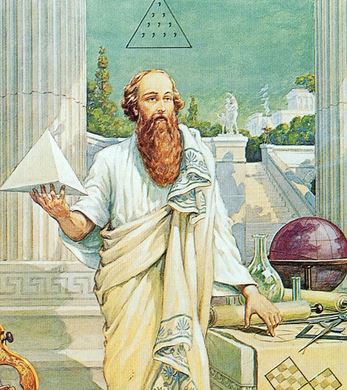
Pythagoras of Samos
(Πυθαγόρας ὁ Σάμιος)
Philosopher and mathematician whose brotherhood taught that number is the key to cosmic reality, discovering mathematical ratios in musical harmony and the immortality of the soul.
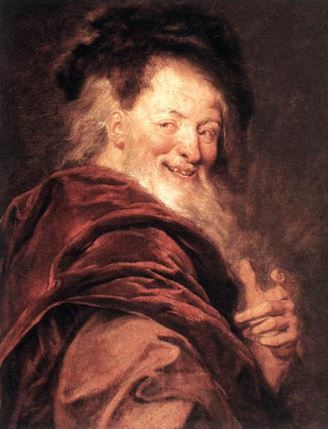
Democritus of Abdera
(Δημόκριτος)
The Laughing Philosopher who formulated the atomic theory of the universe, positing that all physical reality consists of indivisible particles (atomos) colliding in infinite void.
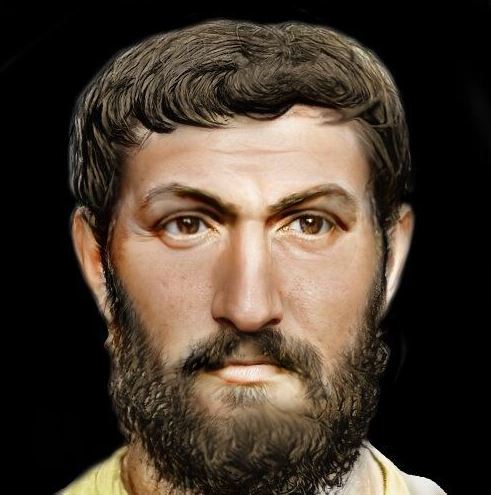
Parmenides of Elea
(Παρμενίδης ὁ Ἐλεάτης)
Founder of the Eleatic school and father of Western ontology, whose hexameter poem On Nature distinguished between the timeless realm of Truth (Aletheia) and sensory Opinion (Doxa).
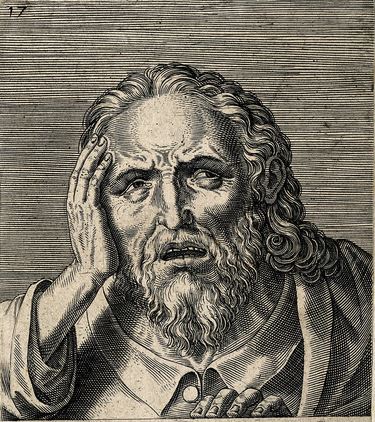
Heraclitus of Ephesus
(Ἡράκλειτος ὁ Ἐφέσιος)
Presocratic philosopher famous for his doctrine of universal cosmic flux (Panta Rhei), identifying living fire as the primordial element and the divine Logos as the rational order uniting opposites.
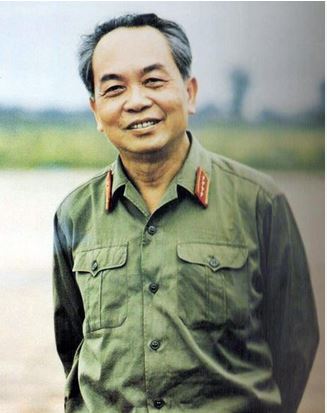
Võ Nguyên Giáp
 (Võ Nguyên Giáp)
Self-taught Vietnamese general and revolutionary strategist hailed as the "Red Napoleon." Defeated the French expeditionary corps at Dien Bien Phu (1954) and orchestrated the long people's war that unified Vietnam.
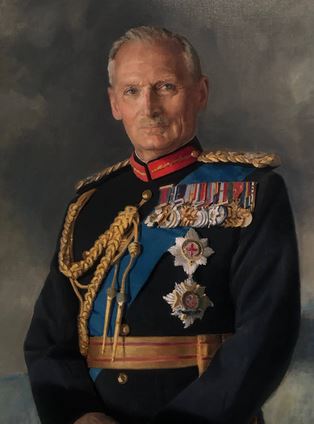
Bernard Law Montgomery, 1st Viscount Montgomery of Alamein
 (Bernard Law Montgomery)
British field marshal celebrated as "Monty." Transformed morale in the British Eighth Army, decisively defeating Erwin Rommel at the Second Battle of El Alamein, and commanding all Allied ground forces during Operation Overlord in Normandy.
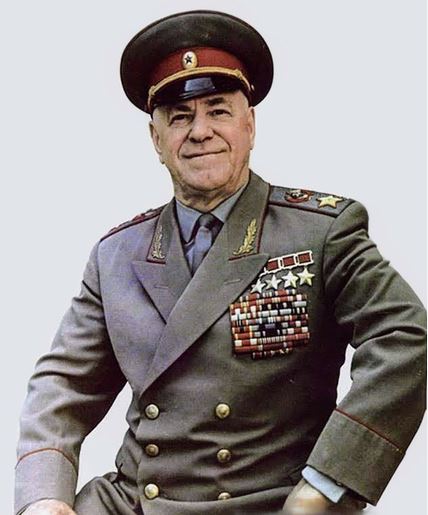
Georgy Konstantinovich Zhukov
 (Георгий Константинович Жуков)
Marshal of the Soviet Union and the premier operational architect of Allied victory over Nazi Germany. Commanded the defenses of Leningrad and Moscow, planned the encirclements at Stalingrad and Kursk, and captured Berlin in 1945.
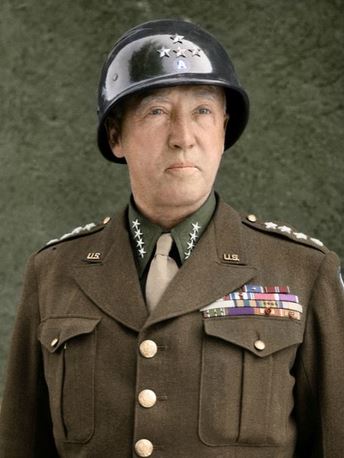
George Smith Patton Jr.
 (George S. Patton Jr.)
Celebrated U.S. Army general who commanded the U.S. Third Army across France and Germany in World War II. Renowned for ruthless speed, relentless armored offensive doctrine, and the dramatic winter relief of Bastogne during the Battle of the Bulge.
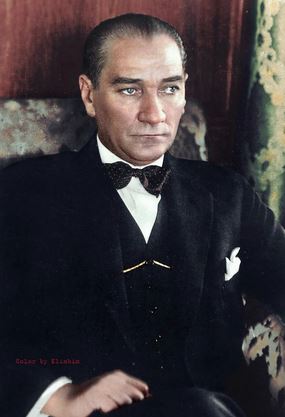
Mustafa Kemal Atatürk
(Mustafa Kemal Atatürk)
Ottoman commander and founding father of the Republic of Turkey. Victorious hero of the Gallipoli Campaign (1915) who led the Turkish War of Independence, liberating the Anatolian homeland and creating a modern secular republic.
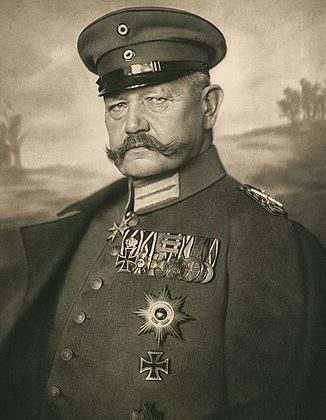
Paul Ludwig Hans Anton von Beneckendorff und von Hindenburg
 (Paul von Hindenburg)
German field marshal and national hero of the Battle of Tannenberg in World War I. Commanded the German Supreme Army Command alongside Erich Ludendorff and served as President of the Weimar Republic.
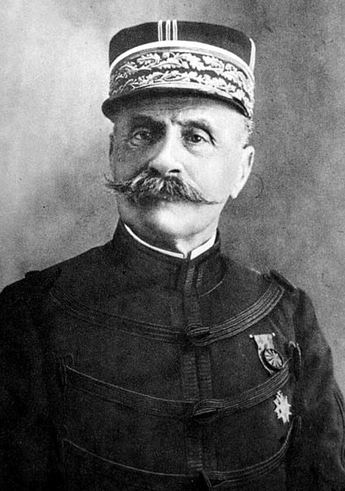
Ferdinand Foch
 (Ferdinand Foch)
Marshal of France and Supreme Allied Commander who coordinated French, British, American, and Belgian forces in 1918 to defeat the German spring offensives and execute the Hundred Days Offensive that won World War I.
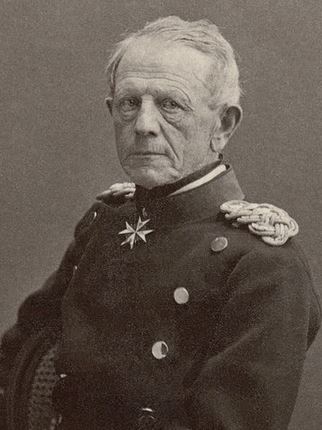
Helmuth Karl Bernhard Graf von Moltke
 (Helmuth von Moltke der Ältere)
Chief of the Prussian General Staff for thirty years who pioneered the modern General Staff system, exploitation of railways and telegraphs, and decentralized "mission-type tactics" (Auftragstaktik), winning the Wars of German Unification.
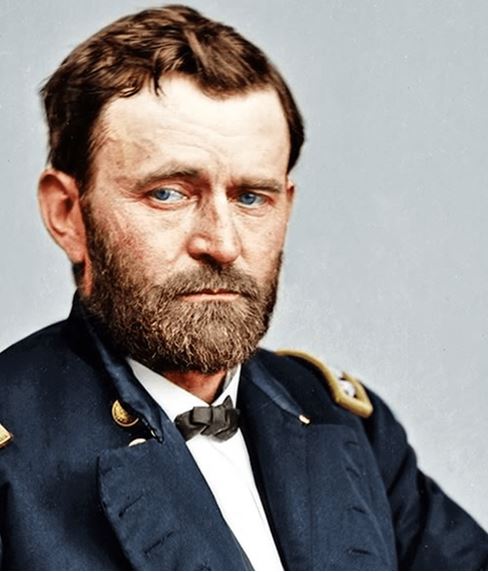
Ulysses S. Grant (Hiram Ulysses Grant)
(Hiram Ulysses Grant)
General of the Army and 18th President of the United States. Architect of the Union victory in the American Civil War whose Vicksburg campaign and relentless Overland offensive preserved the American Republic and ended slavery.