Public Figures & Cultural Luminaries
Filterable archive covering centuries of intellectual, artistic, and moral contributions to the human story.
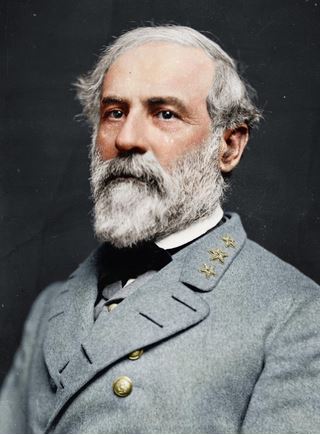
Robert Edward Lee
 (Robert Edward Lee)
American general and commander of the Confederate Army of Northern Virginia during the American Civil War. Celebrated for audacious tactical maneuvers against superior Union forces at Chancellorsville and Second Manassas.
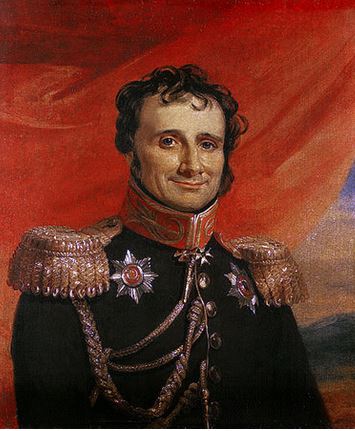
Antoine-Henri, Baron Jomini
 (Antoine-Henri de Jomini)
Swiss-born general and military theorist in French and Russian service whose systematic treatise "Summary of the Art of War" geometricized Napoleonic maneuvers, deeply shaping military academies including West Point.
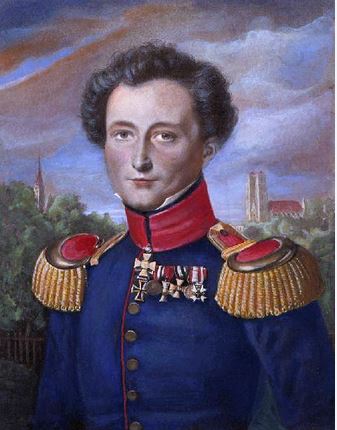
Carl Philipp Gottfried von Clausewitz
 (Carl von Clausewitz)
Prussian general and world-renowned military theorist whose masterwork "On War" (Vom Kriege) formulated the universal philosophical understanding of conflict, introducing "fog of war," "friction," and "center of gravity."
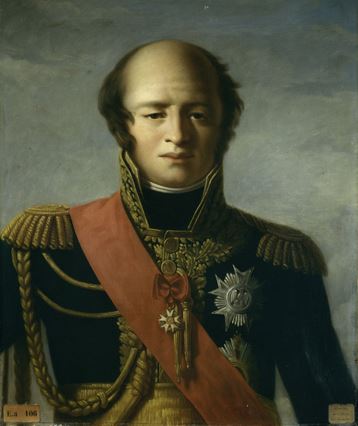
Louis-Nicolas d'Avout (Marshal Davout)
 (Louis-Nicolas Davout, duc d'Auerstaedt)
Napoleon Bonaparte's finest and most undefeated marshal, celebrated as "The Iron Marshal." Famously routed the main Prussian royal army of 63,000 at Auerstedt with just his lone III Corps of 27,000 men.
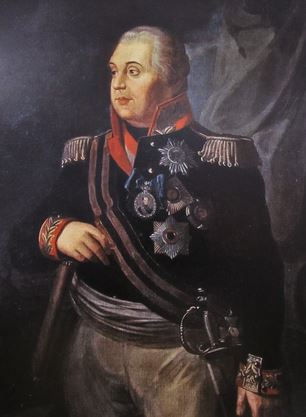
Mikhail Illarionovich Golenishchev-Kutuzov
 (Михаил Илларионович Кутузов)
Russian field marshal who defeated Napoleon Bonaparte's invasion of Russia in 1812. His strategic patience, brutal defensive stand at Borodino, and scorched-earth operational retreat preserved the Russian army and destroyed the Grande Armée.
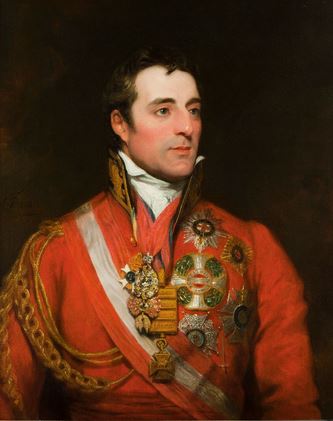
Arthur Wellesley, 1st Duke of Wellington
 (Arthur Wellesley)
Anglo-Irish soldier and statesman known as the "Iron Duke." Champion of defensive reverse-slope tactics who expelled French armies from Spain during the Peninsular War and defeated Napoleon Bonaparte at the Battle of Waterloo.
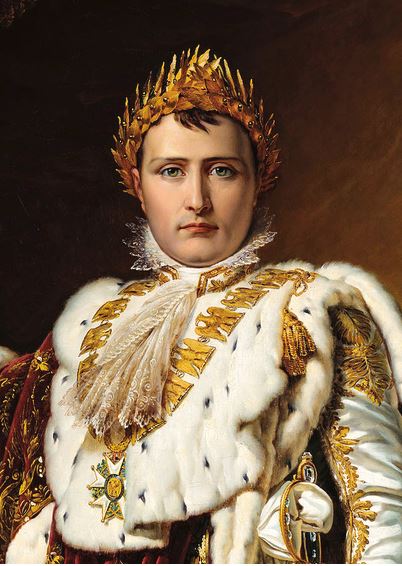
Napoleon Bonaparte (Napoléon Ier)
(Napoleone di Buonaparte)
Emperor of the French and military titan who revolutionized warfare through corps d'armée organization, central position maneuver, and devastating tactical speed. Fought over 60 pitched battles and reshaped modern European law and society.
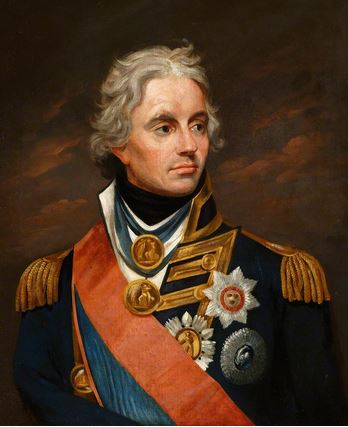
Horatio Nelson, 1st Viscount Nelson
 (Horatio Nelson)
Heroic British naval flag officer famed for his inspirational leadership, grasp of naval strategy, and unconventional "Nelson Touch" tactics. Clinched British global maritime supremacy at the decisive Battle of Trafalgar.
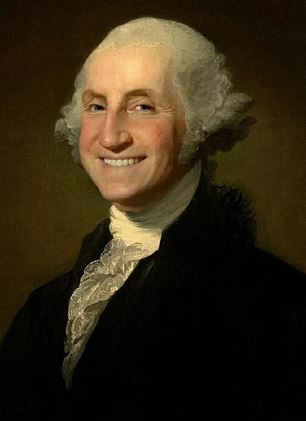
George Washington
(George Washington)
Commander-in-Chief of the Continental Army who preserved the American Revolution through Fabian perseverance, strategic resilience, and the decisive alliance with France, crowning independence at Yorktown.
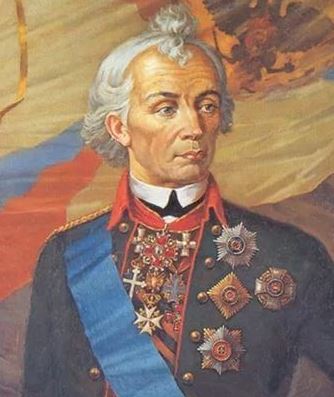
Alexander Vasilyevich Suvorov
(Александр Васильевич Суворов)
Russian military theorist and Generalissimo who fought in over 60 battles without suffering a single defeat. Author of "The Science of Victory," famous for storming the fortress of Izmail and leading the legendary crossing of the Alps.
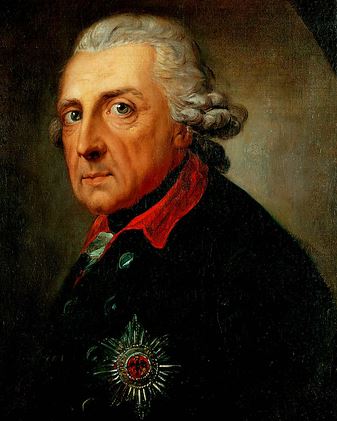
Frederick II of Prussia
(Friedrich der Große)
King of Prussia and military genius whose oblique order tactics, iron discipline, and operational agility during the Seven Years' War defeated the combined coalitions of Austria, France, and Russia, elevating Prussia to great power status.
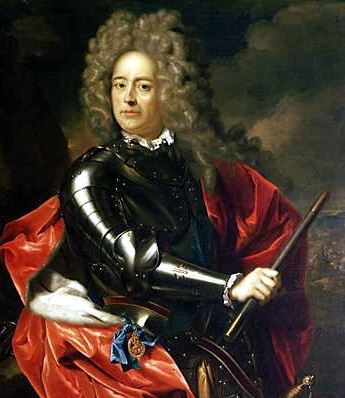
John Churchill, 1st Duke of Marlborough
(John Churchill, 1st Duke of Marlborough)
English general whose tactical and logistical mastery during the War of the Spanish Succession never suffered a defeat. Famous for his secret 250-mile march to the Danube and the crushing victory at Blenheim.
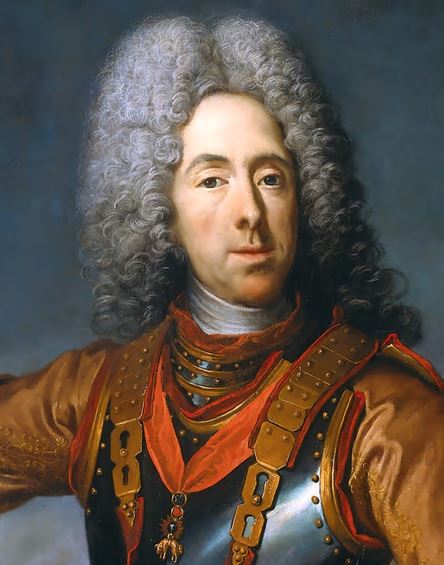
Prince Eugene of Savoy
(Eugenio di Savoia-Carignano)
Field marshal in Habsburg service celebrated as one of the greatest military commanders in European history. His crushing victories at Zenta (1697) and Belgrade (1717) broke Ottoman power in southeastern Europe.
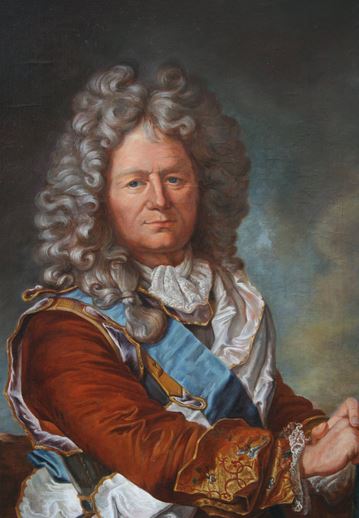
Sébastien Le Prestre de Vauban
(Sébastien Le Prestre, marquis de Vauban)
Marshal of France and military engineering genius who directed over 50 successful sieges without losing one, and constructed the famous "Pré Carré" border fortress network that fortified France for two centuries.
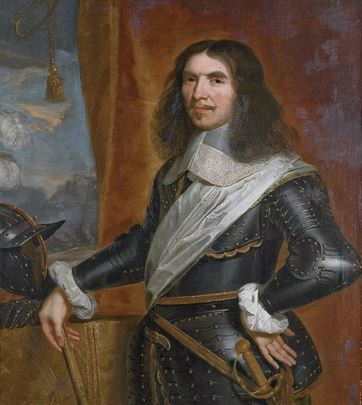
Henri de La Tour d'Auvergne, Vicomte de Turenne
(Henri de La Tour d'Auvergne, vicomte de Turenne)
Marshal General of France considered by Napoleon Bonaparte to be the greatest of all modern military commanders. Master of indirect approach, deception, and winter operational maneuver.
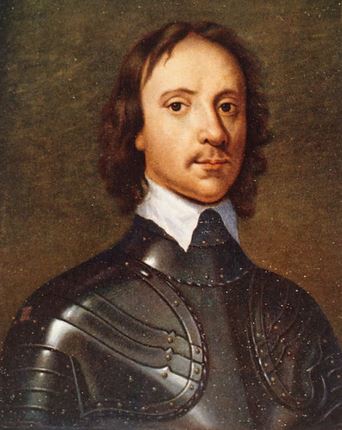
Oliver Cromwell
(Oliver Cromwell)
English general and statesman who forged the disciplined "New Model Army" and led the Parliamentary forces to total victory in the English Civil Wars, overthrowing the monarchy to rule as Lord Protector.
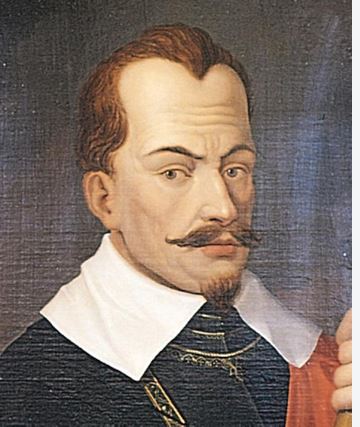
Albrecht Wenzel Eusebius von Wallenstein
 (Albrecht Václav Eusebius z Valdštejna)
Supreme commander of the imperial armies of the Holy Roman Empire during the Thirty Years' War. A military entrepreneur and master of large-scale logistics whose war-contributions system sustained armies of 100,000 men.
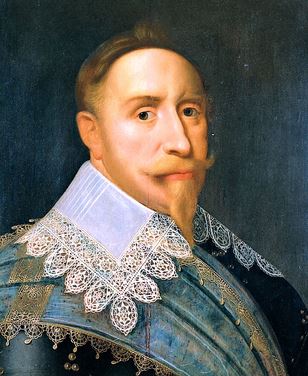
Gustav II Adolf (Gustavus Adolphus)
 (Gustav II Adolf)
King of Sweden universally acclaimed as the "Father of Modern Warfare." Pioneer of combined arms doctrine, mobile light field artillery, aggressive cavalry shock charges, and disciplined national conscription during the Thirty Years' War.