Public Figures & Cultural Luminaries
Filterable archive covering centuries of intellectual, artistic, and moral contributions to the human story.
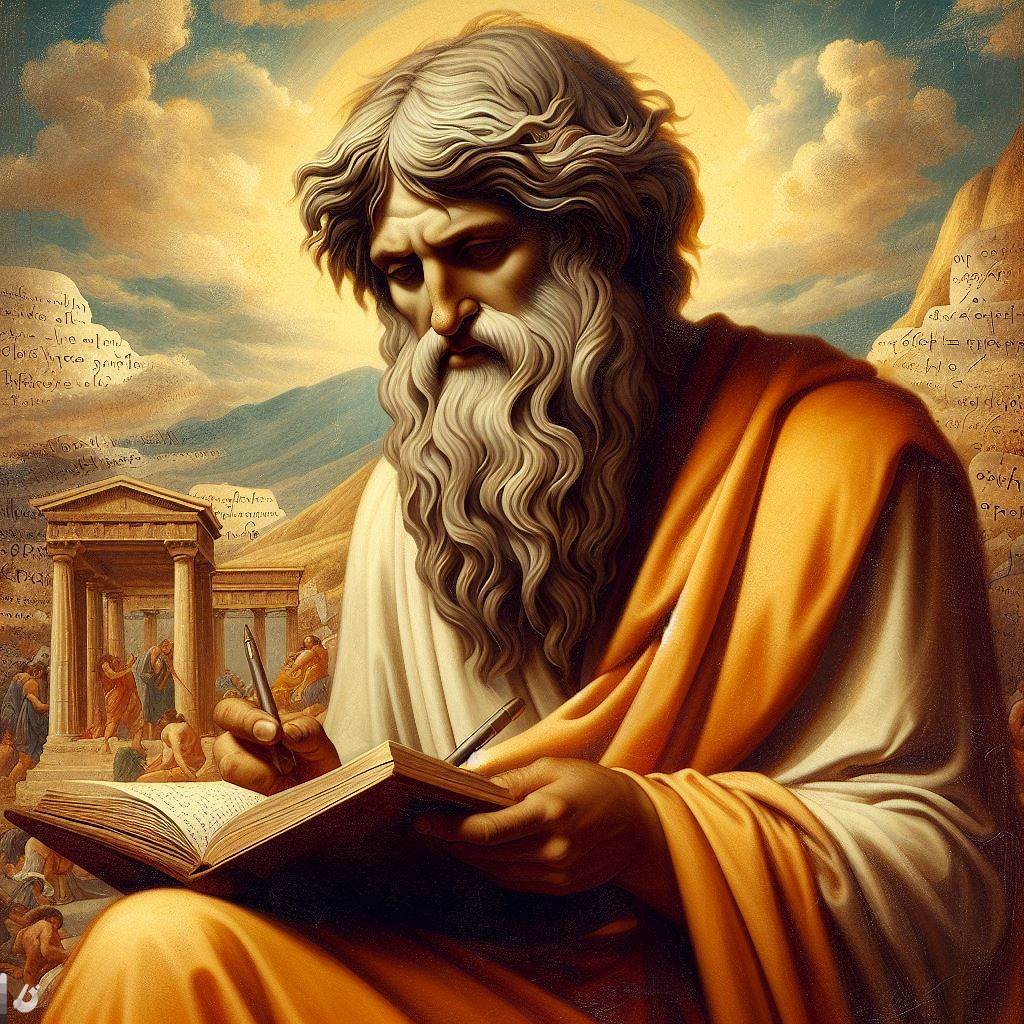
Hesiod
 (Ἡσίοδος)
Archaic Greek oral epic poet whose Theogony established the genealogy of the Greek gods and whose Works and Days founded didactic poetry and celebrated agrarian labor.
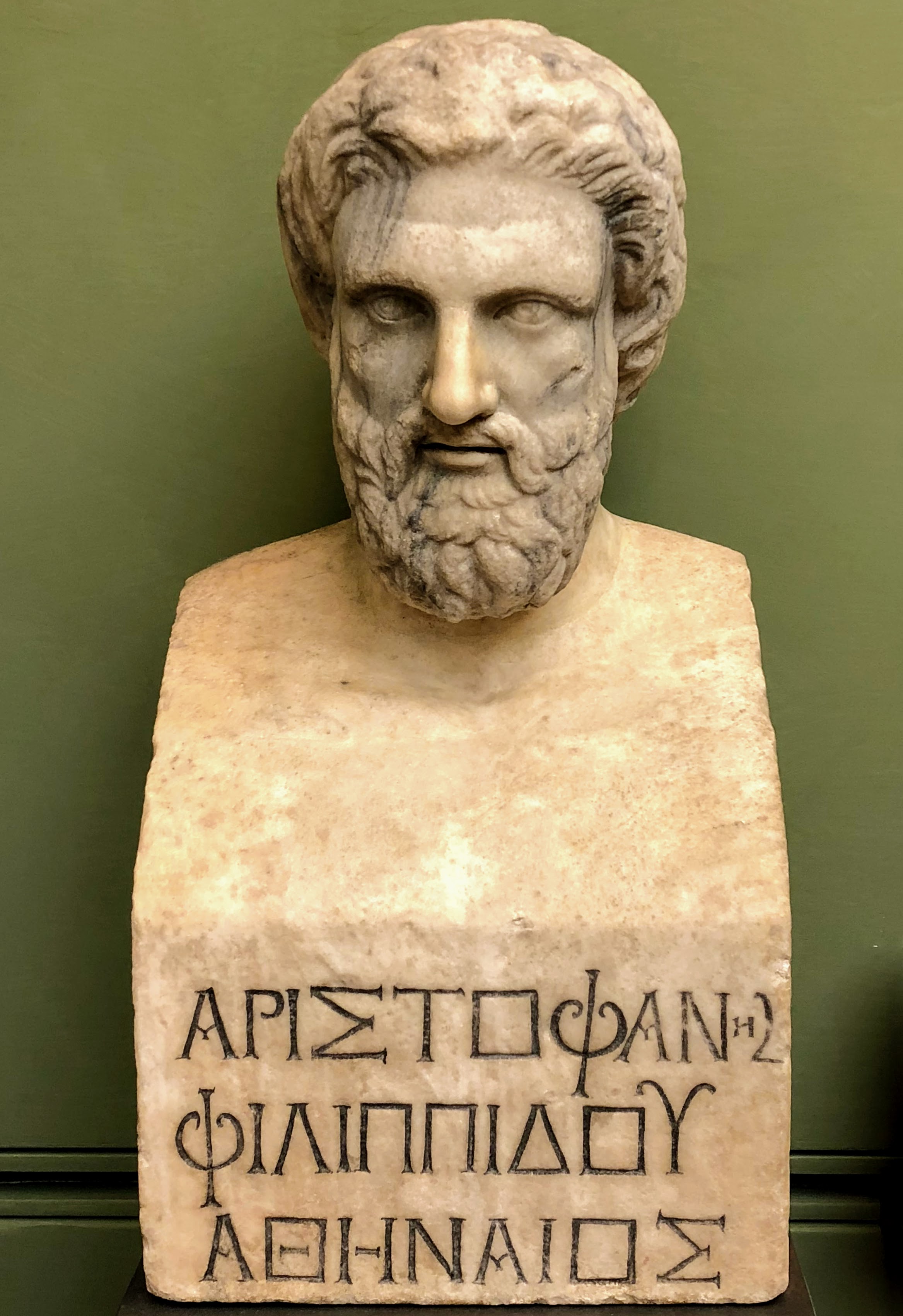
Aristophanes
(Ἀριστοφάνης)
Greatest comedic playwright of ancient Athens and undisputed master of Old Comedy, whose political and philosophical satires include Lysistrata, The Birds, and The Clouds.
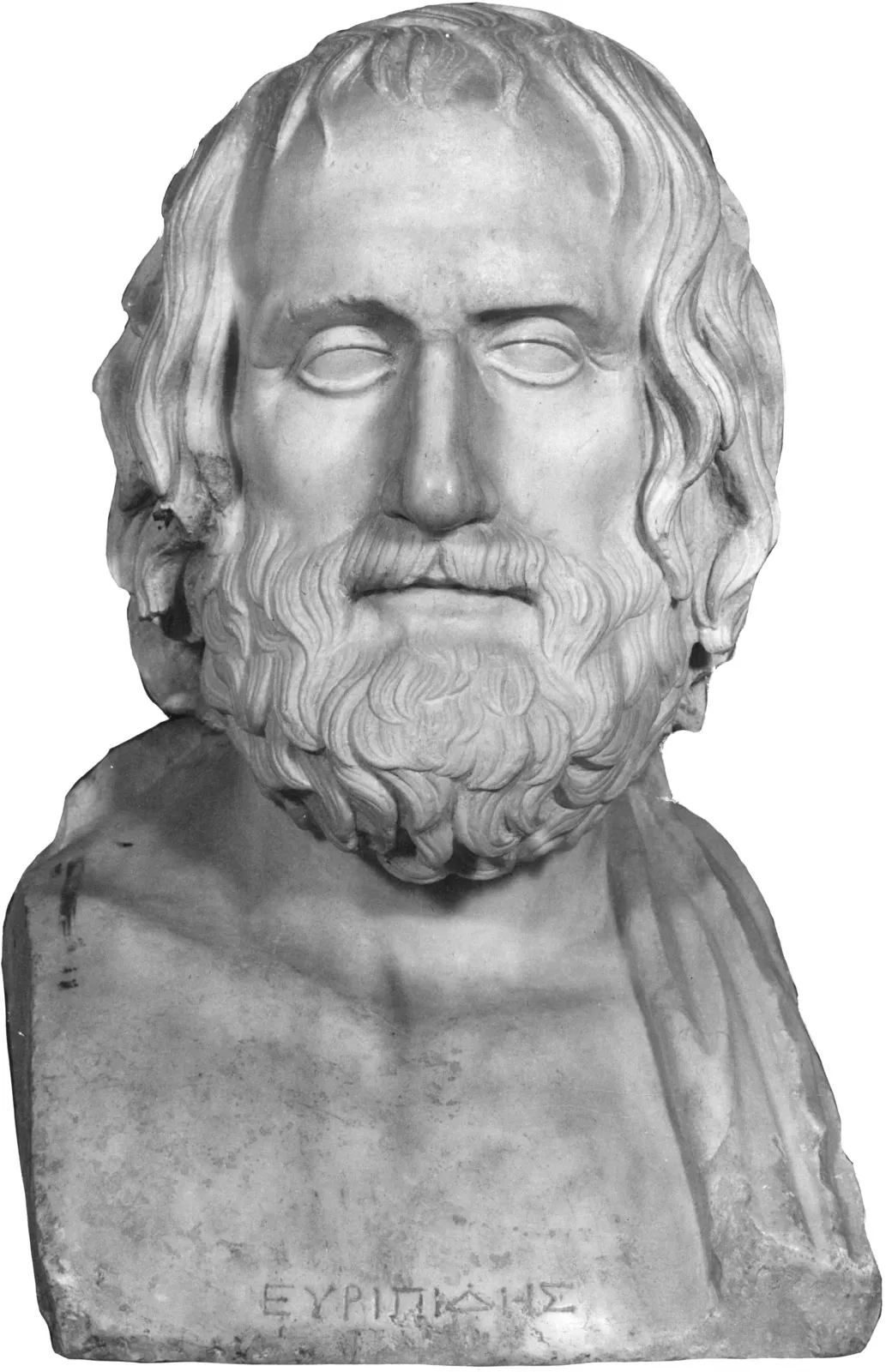
Euripides
(Εὐριπίδης)
Innovative Athenian tragedian renowned for psychological realism, sympathetic female protagonists, and scathing critiques of mythological gods in Medea, The Trojan Women, and The Bacchae.
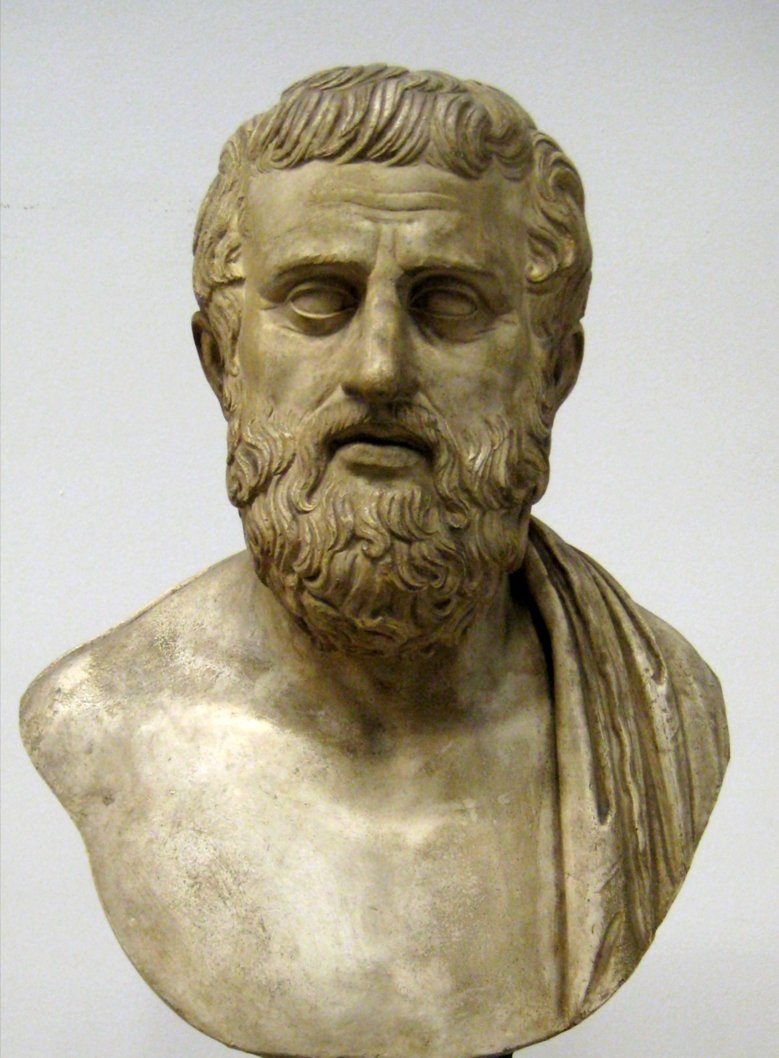
Sophocles
(Σοφοκλῆς)
Foremost classical Athenian tragedian who introduced the third actor, painted scenery, and explored human destiny versus divine law in Oedipus Rex and Antigone.
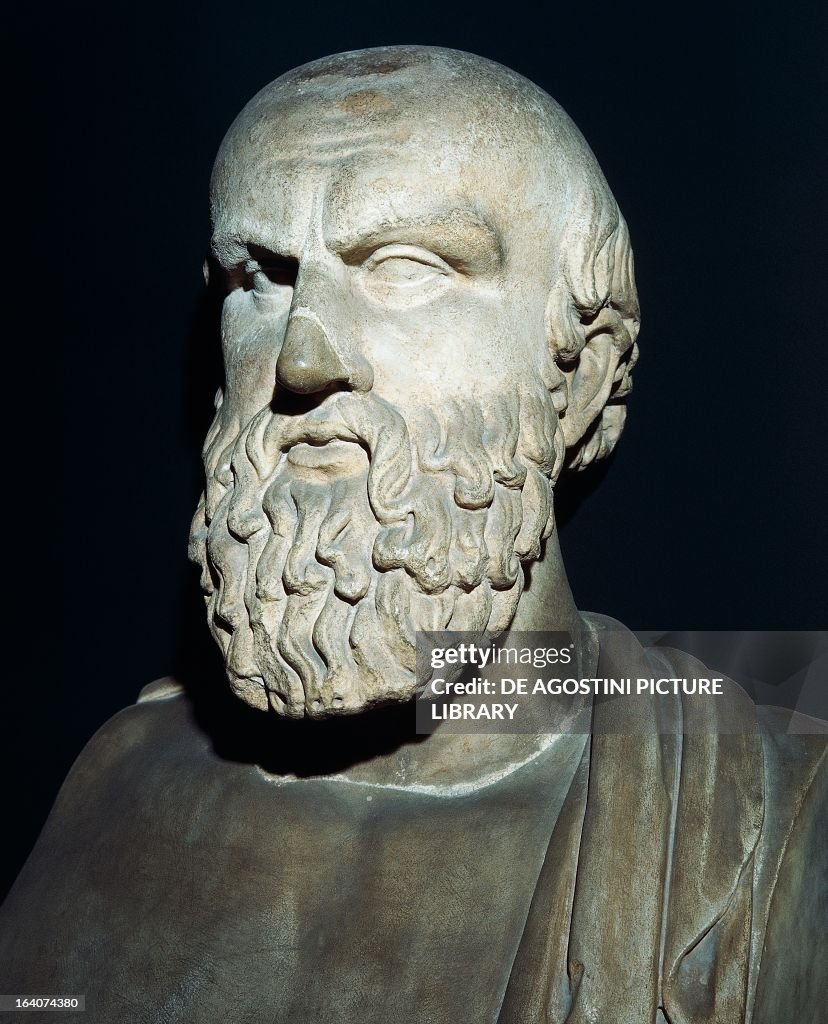
Aeschylus
(Αἰσχύλος)
Revered as the 'Father of Tragedy', Athenian dramatist who expanded the theater by adding a second actor, creating dialogue and dramatic conflict in masterworks like the Oresteia.
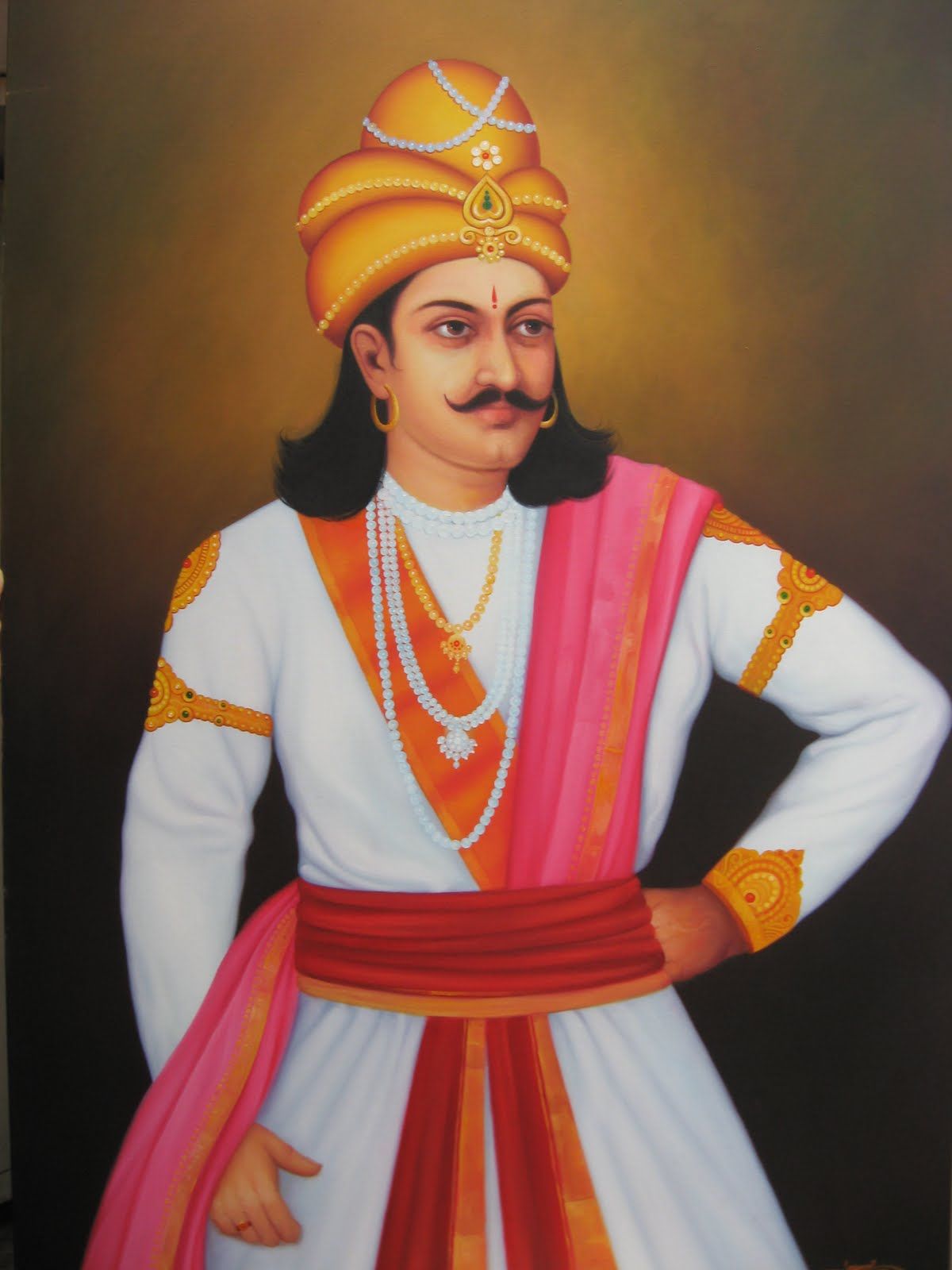
Chandragupta Maurya
 (चन्द्रगुप्त मौर्य)
Visionary founder of the Maurya Empire who united the Indian subcontinent for the first time in history with the mentorship of Chanakya.
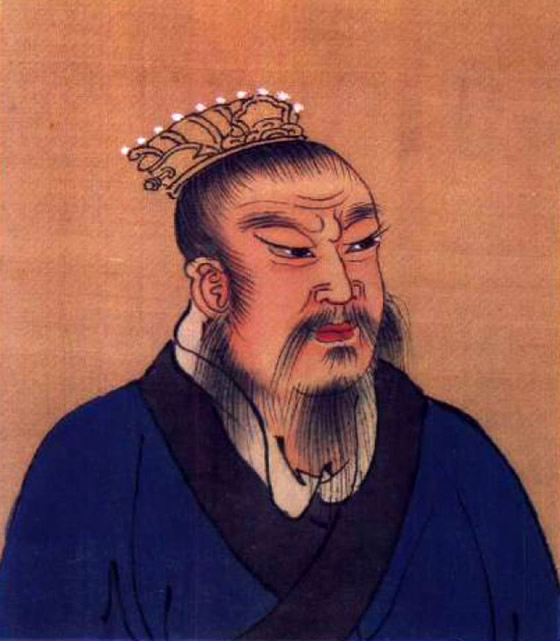
Emperor Gaozu of Han (Liu Bang)
 (汉高祖 刘邦 (Ji))
Peasant rebel who defeated Xiang Yu in the Chu-Han Contention to found the four-century Han Dynasty, giving China's majority ethnicity its name.
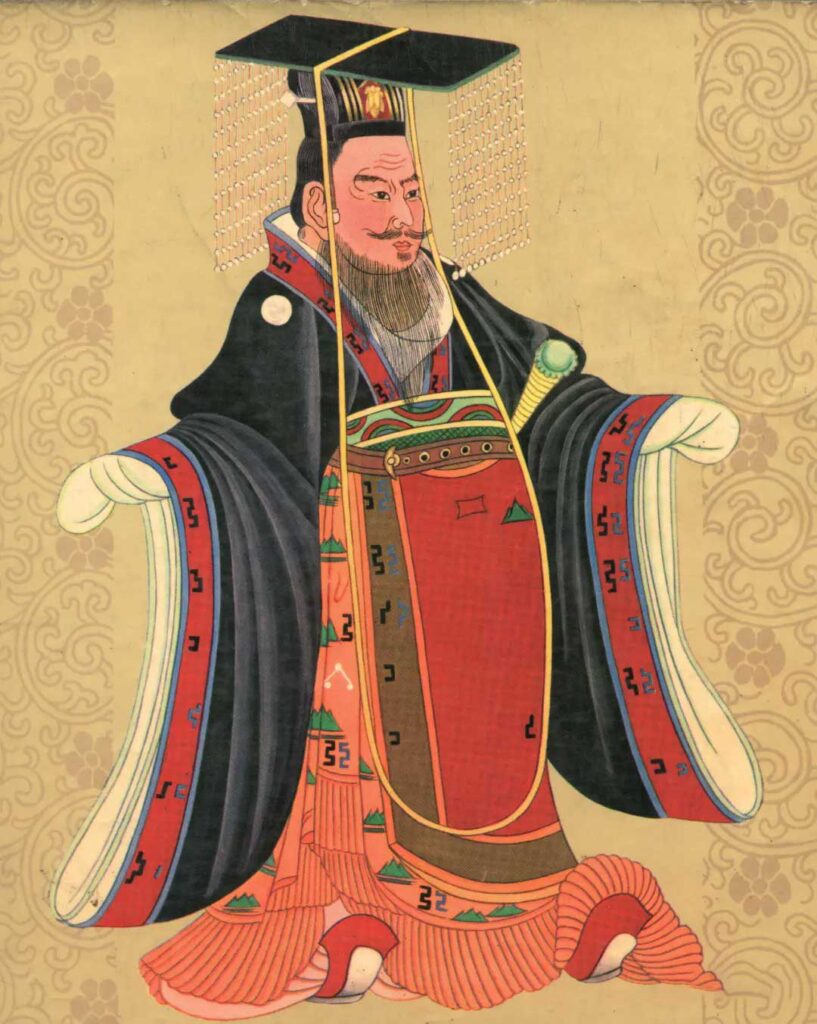
Emperor Wu of Han (Han Wudi)
(汉武帝 刘彻 (Liu Che))
Seventh Emperor of the Han Dynasty whose 54-year reign established the Silk Road, adopted Confucianism, and expanded China's imperial borders.
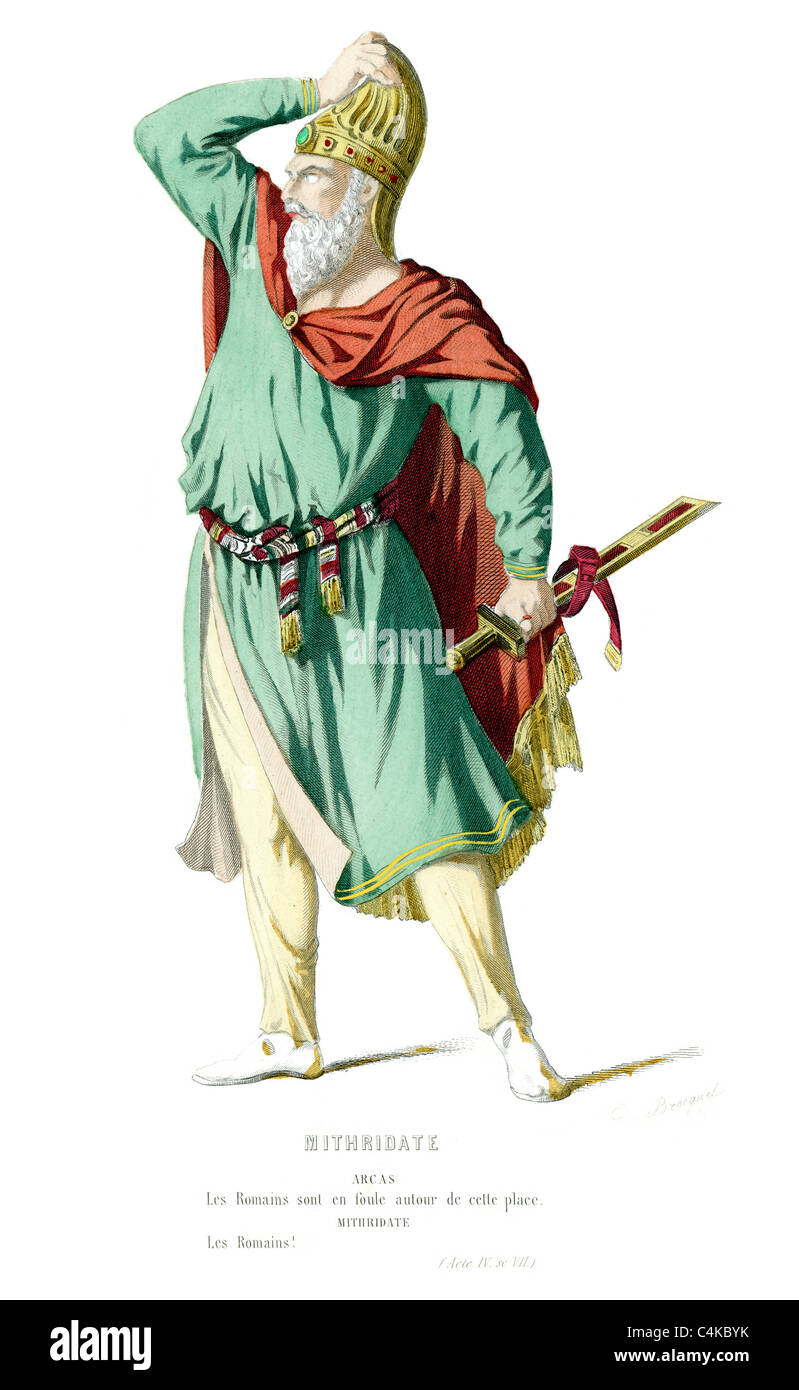
Mithridates VI Eupator
 (Μιθριδάτης Εὐπάτωρ Διονύσιος)
King of Pontus and northern Anatolia who waged three legendary Mithridatic Wars, Rome's most formidable rival of the late Republic.
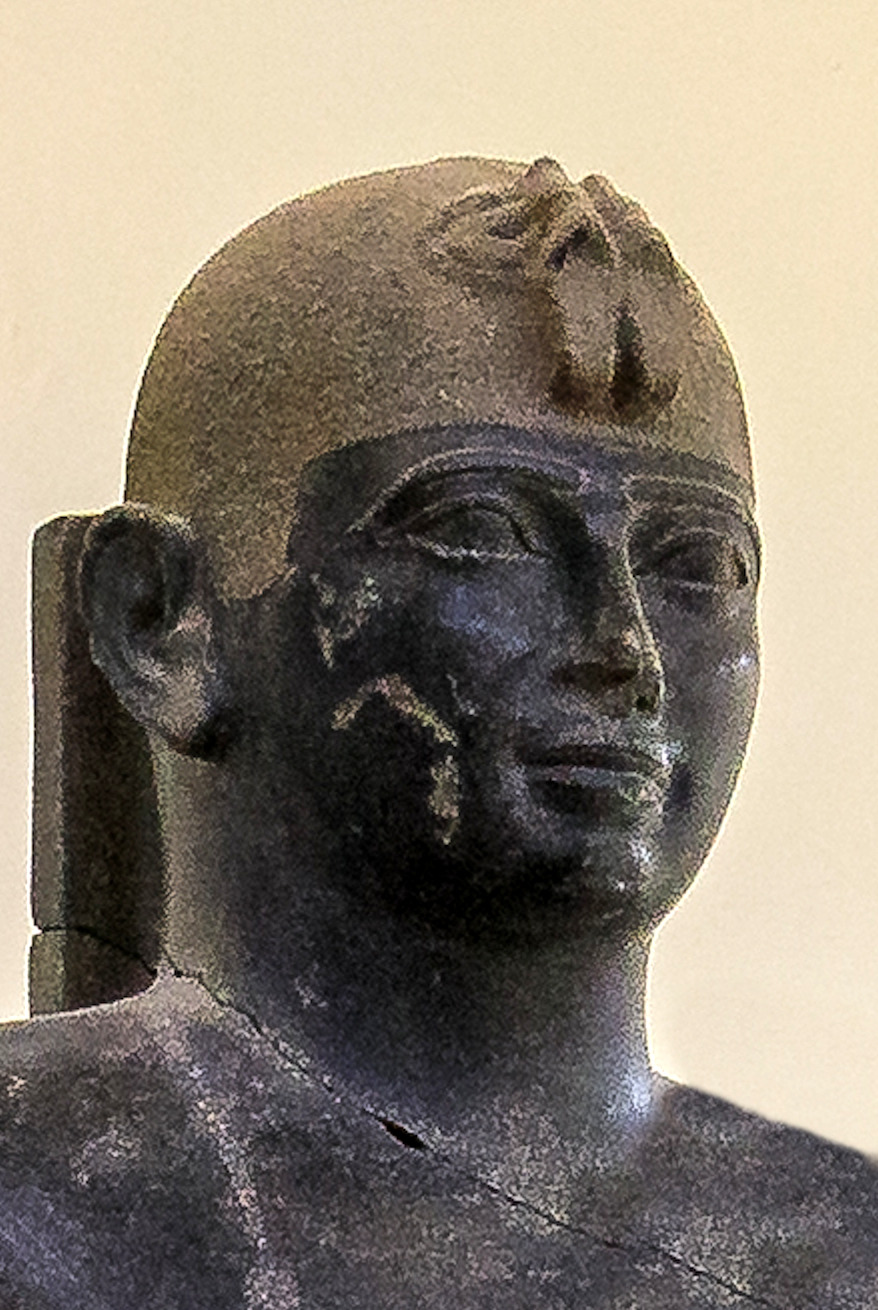
Taharqa
 (t-h-r-q (Nefertemkhure Taharqa))
Greatest Pharaoh of the Twenty-Fifth Dynasty of Egypt who presided over a renaissance of arts and defended the Levant against Assyria.
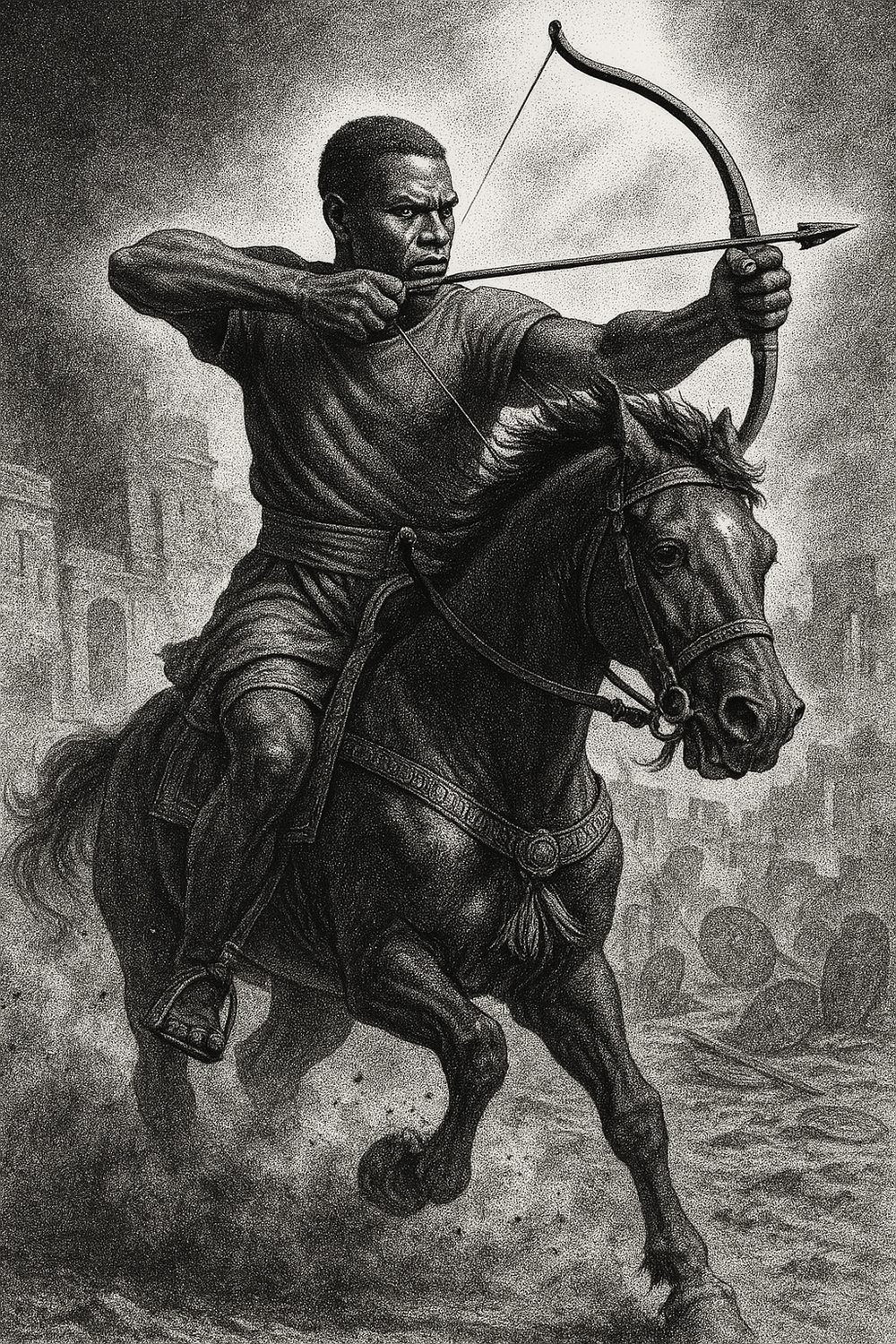
Piye (Piankhi)
(pꜣ-ꜥnḫ-j (Piye / Usermaatre))
Kushite monarch who conquered Egypt, founding the Twenty-Fifth 'Black Pharaohs' Dynasty and reviving pyramid building.
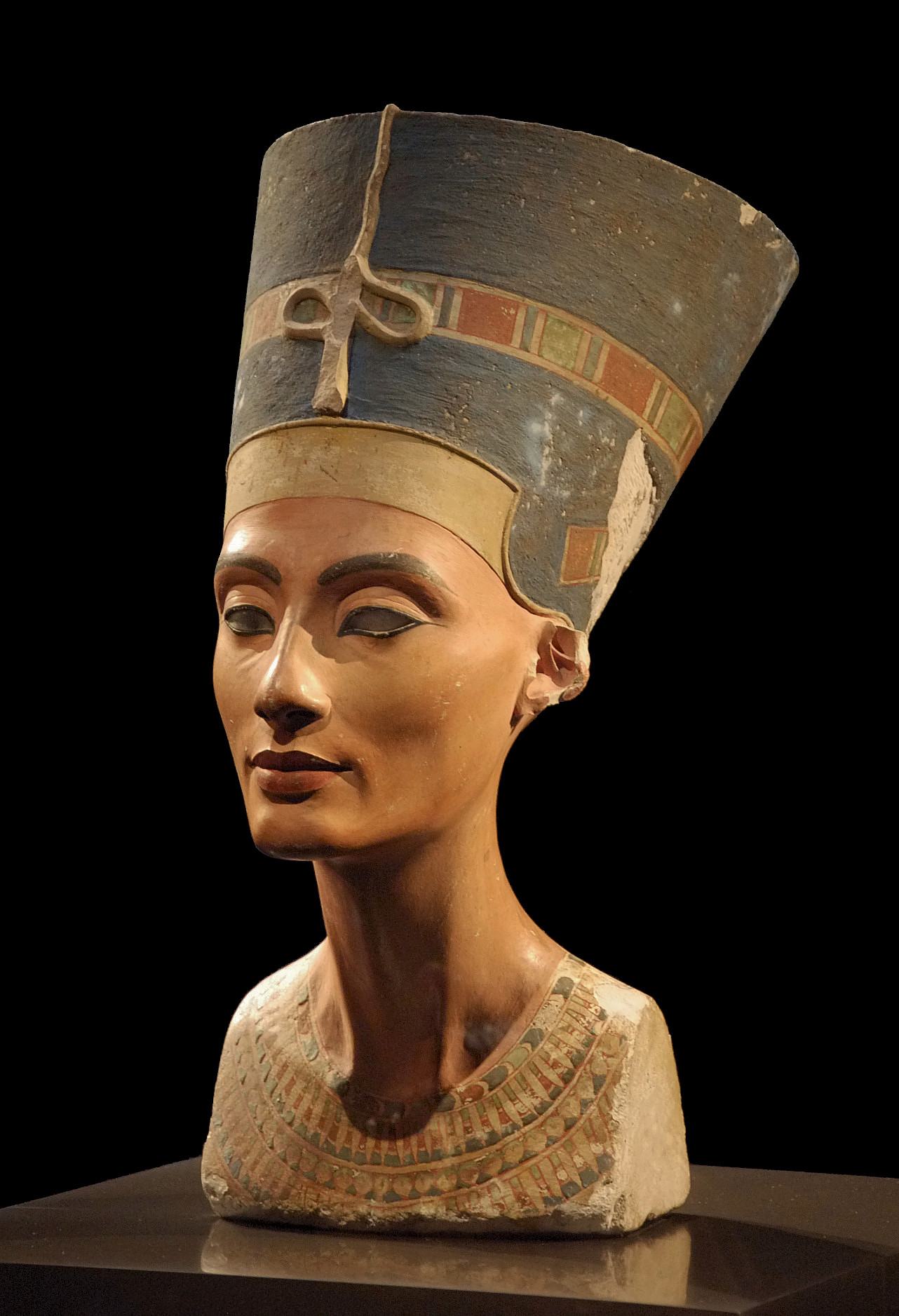
Nefertiti (Neferneferuaten Nefertiti)
 (nfr.t-jy.tj (The Beautiful One Has Come))
Queen of the Eighteenth Dynasty and Great Royal Wife of Pharaoh Akhenaten, iconic symbol of feminine majesty and power in antiquity.
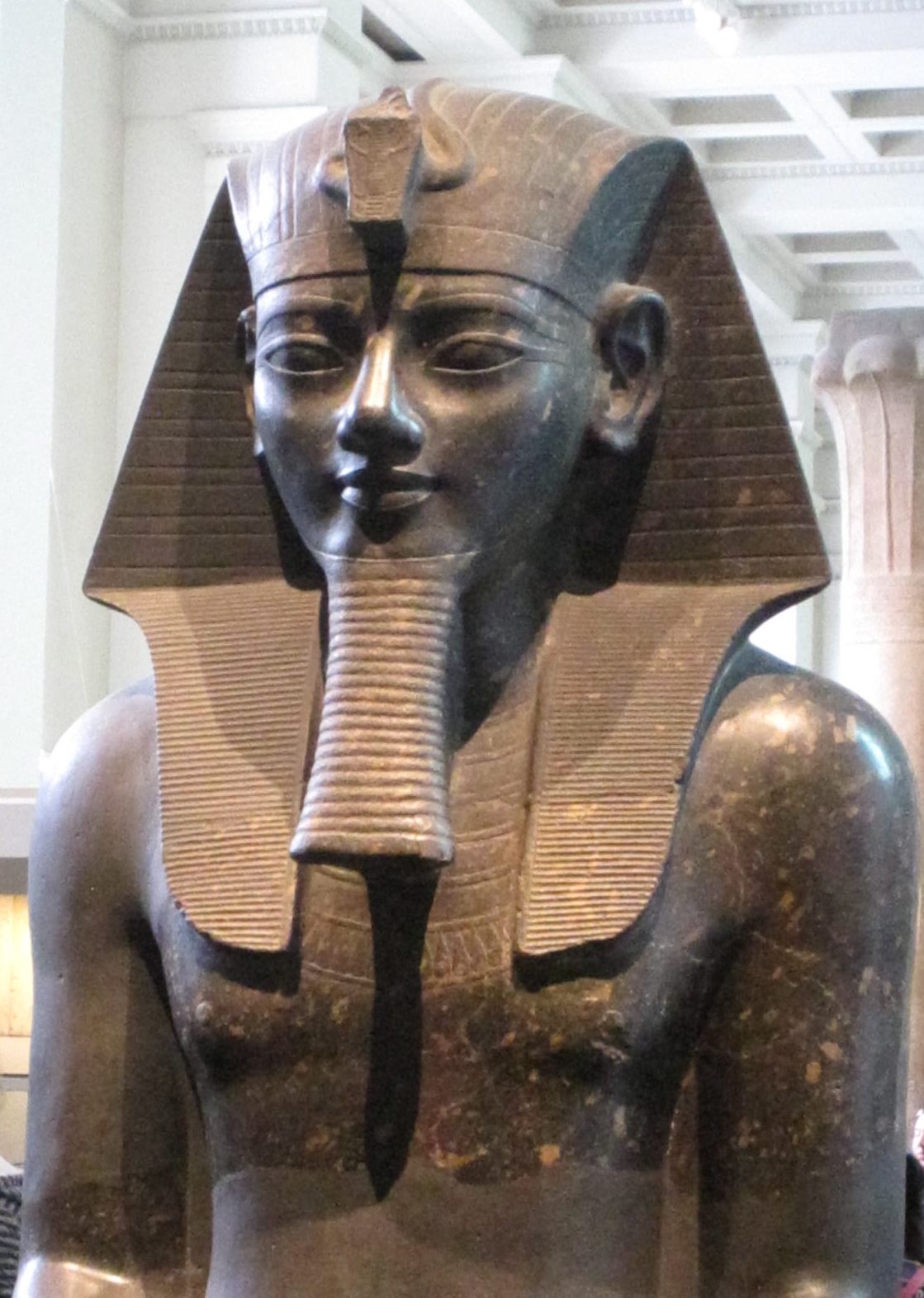
Amenhotep III (The Magnificent)
(Nebmaatre Amenhotep)
Ninth Pharaoh of the Eighteenth Dynasty whose nearly four-decade reign was the artistic and economic zenith of ancient Egypt.
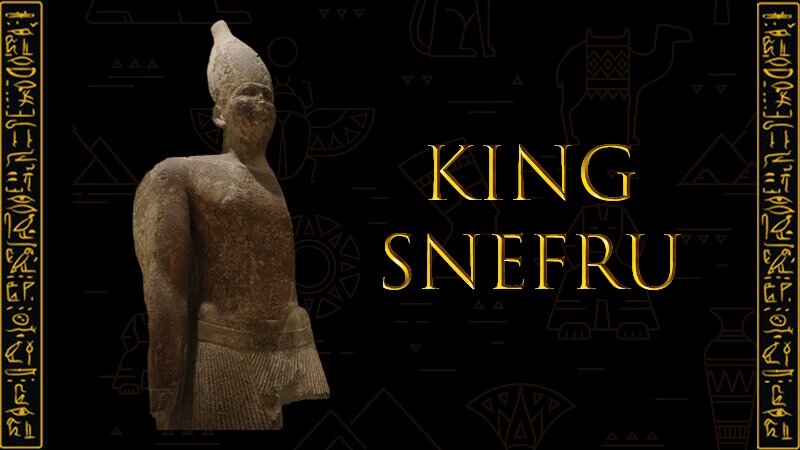
Sneferu (Snofru)
(snfr-wj (He of Beauty))
Founding Pharaoh of the Fourth Dynasty who perfected pyramid engineering, constructing the Meidum, Bent, and Red Pyramids.
Djoser (Netjerikhet)
(ḏsr (Netjerikhet))
Pharaoh of the Third Dynasty of Egypt who commissioned the Step Pyramid of Saqqara, the world's first monumental stone building.
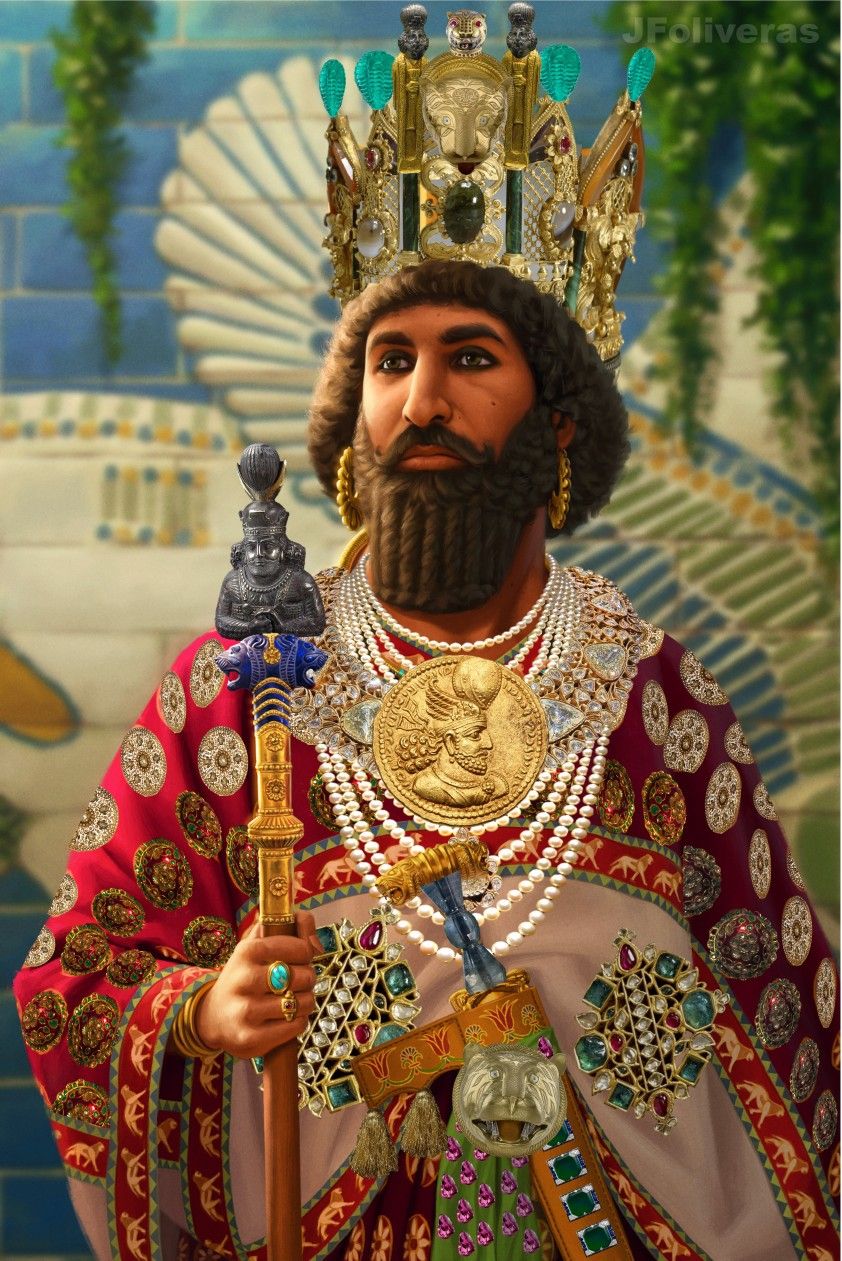
Xerxes I (Xerxes the Great)
 (𐎧𐏁𐎹𐎠𐎼𐏁𐎠 (Xšayarša))
Fourth King of Kings of the Achaemenid Empire who launched the massive Second Persian Invasion of Greece and built the Gate of All Nations.
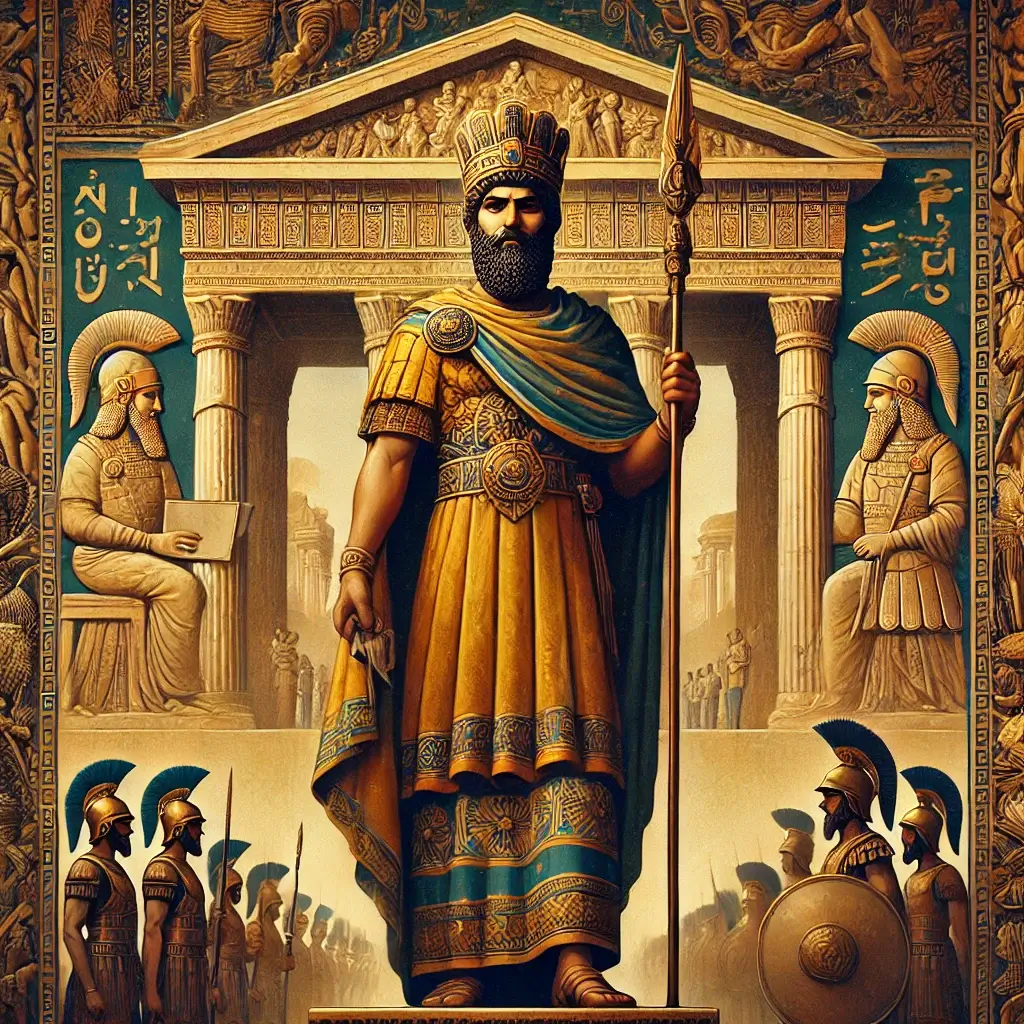
Darius I (Darius the Great)
(𐎭𐎠𐎼𐎹𐎺𐎢𐏁 (Dārayava(h)uš))
Third King of Kings of the Achaemenid Empire who built Persepolis, the Royal Road, and codified imperial administrative satrapies.
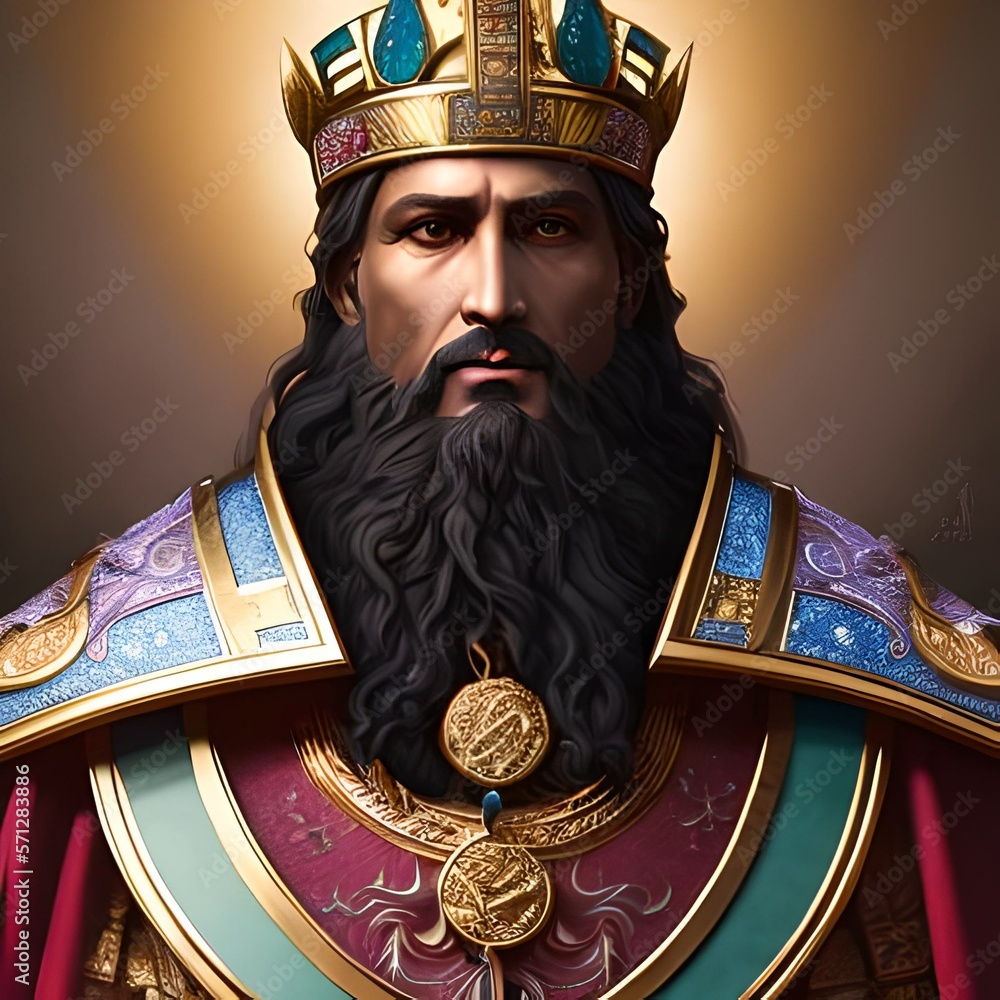
Nebuchadnezzar II
 (𒀭𒀝𒆪𒁺𒌨𒊑𒋀 (Nabû-kudurri-uṣur))
Longest-reigning king of the Neo-Babylonian Empire, renowned for the Ishtar Gate, the Hanging Gardens, and the Babylonian Exile.