Public Figures & Cultural Luminaries
Filterable archive covering centuries of intellectual, artistic, and moral contributions to the human story.
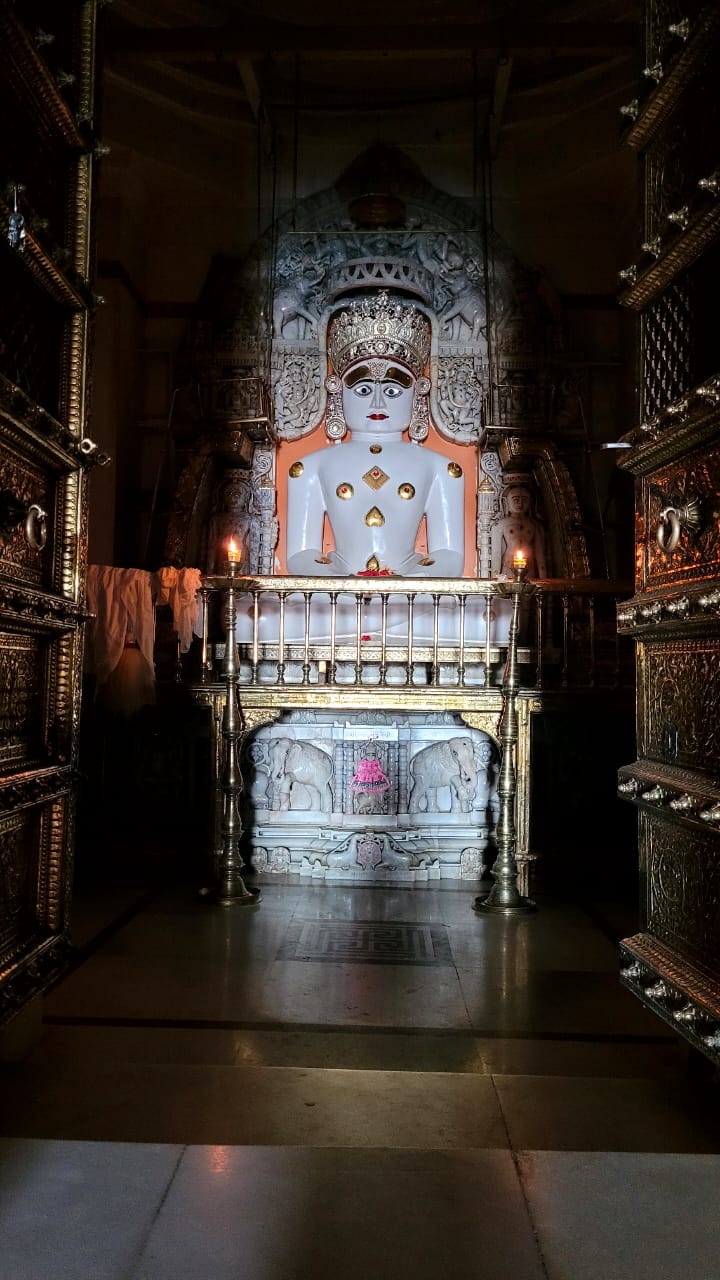
Ajitanatha (Second Tirthankara of Jainism)
 (अजितनाथ)
The second Tirthankara of Jainism, Ajitanatha ('The Unconquerable') was born to King Jitasatru and Queen Vijaya in Ayodhya; he conquered the inner enemies of attachment and aversion, attaining Moksha atop the sacred peaks of Shikharji.
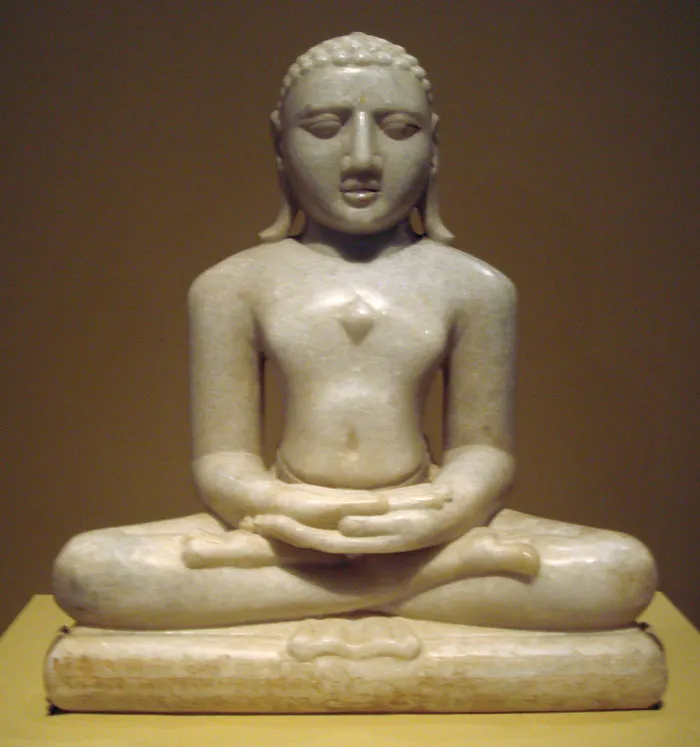
Rishabhanatha / Adinatha (First Tirthankara of Jainism)
(ऋषभनाथ / आदिनाथ)
The first Ford-Maker (Tirthankara) of the present cosmic time cycle and founder of the Ikshvaku dynasty, Rishabhanatha taught humanity agriculture, writing, statecraft, and arts before renouncing his empire to teach universal non-violence (Ahimsa).
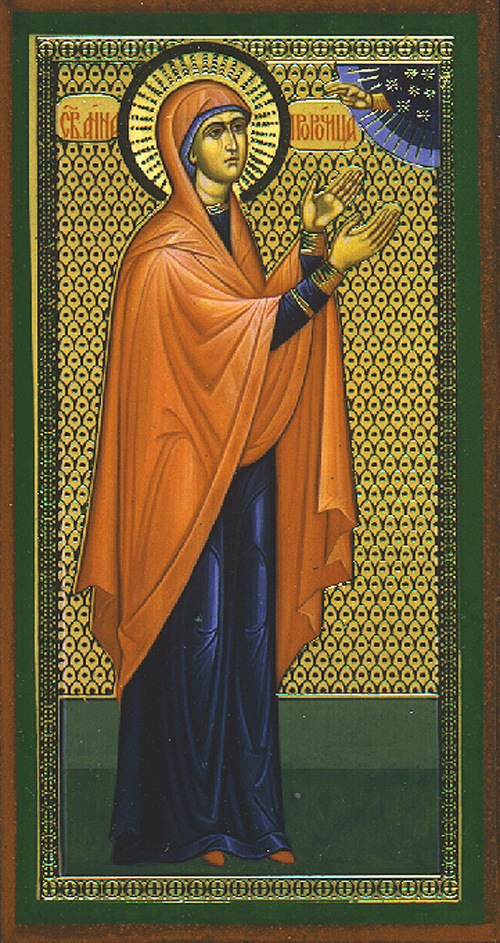
Anna the Prophetess (Daughter of Phanuel)
 (חַנָּה בַּת־פְּנוּאֵל / Ἄννα)
An octogenarian prophetess from the northern tribe of Asher, Anna spent decades in continuous temple prayer and fasting, immediately recognizing the Messiah at His Presentation and proclaiming redemption to all waiting in Jerusalem.
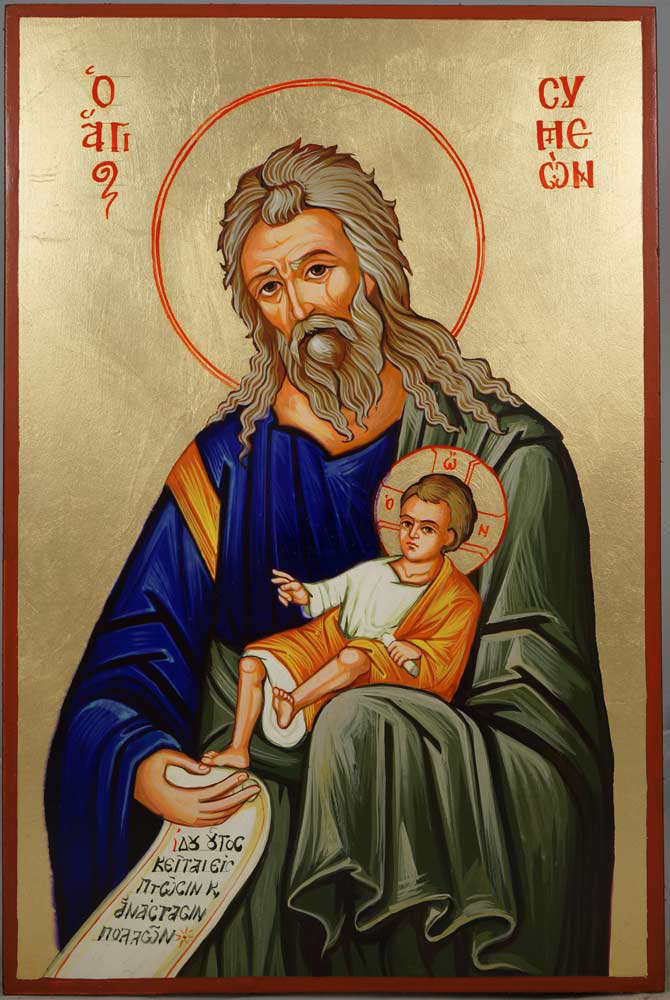
Simeon the God-Receiver (Righteous Prophet of Jerusalem)
 (שִׁמְעוֹן / Συμεών)
The venerable elder of Jerusalem who lived in devout expectation of the 'Consolation of Israel,' Simeon was revealed by the Holy Spirit that he would not see death before holding the Messiah in his arms.
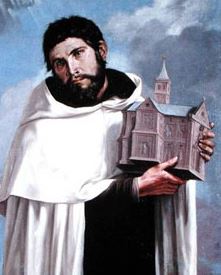
Agabus (Apostolic Prophet of Antioch)
(Ἄγαβος)
A prominent early Christian prophet of the apostolic church in Jerusalem and Antioch, Agabus demonstrated genuine charismatic prophecy by foretelling a worldwide famine under Emperor Claudius and Paul's arrest in Jerusalem.
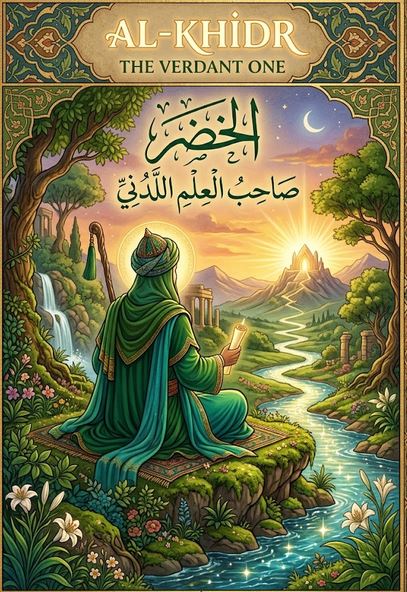
Al-Khidr (The Verdant One / Sage of Divine Knowledge)
 (الخضر)
The enigmatic mystic master and servant of God endowed with esoteric divine knowledge ('Ilm al-Ladunni), Al-Khidr famously guided Moses on an allegorical voyage that unveiled the hidden providence governing cosmic events.
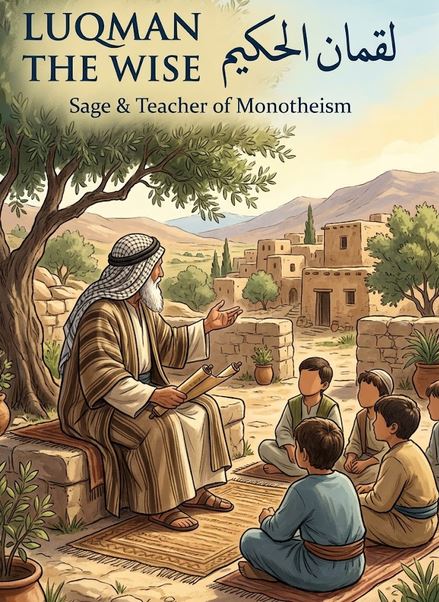
Luqman the Wise (Sage and Teacher of Monotheism)
 (لقمان الحكيم)
Honored in the Quran with a dedicated surah bearing his name, Luqman the Wise was an ancient Nubian sage endowed by God with profound wisdom, renowned for his moral fables and tender ethical counsel to his son.
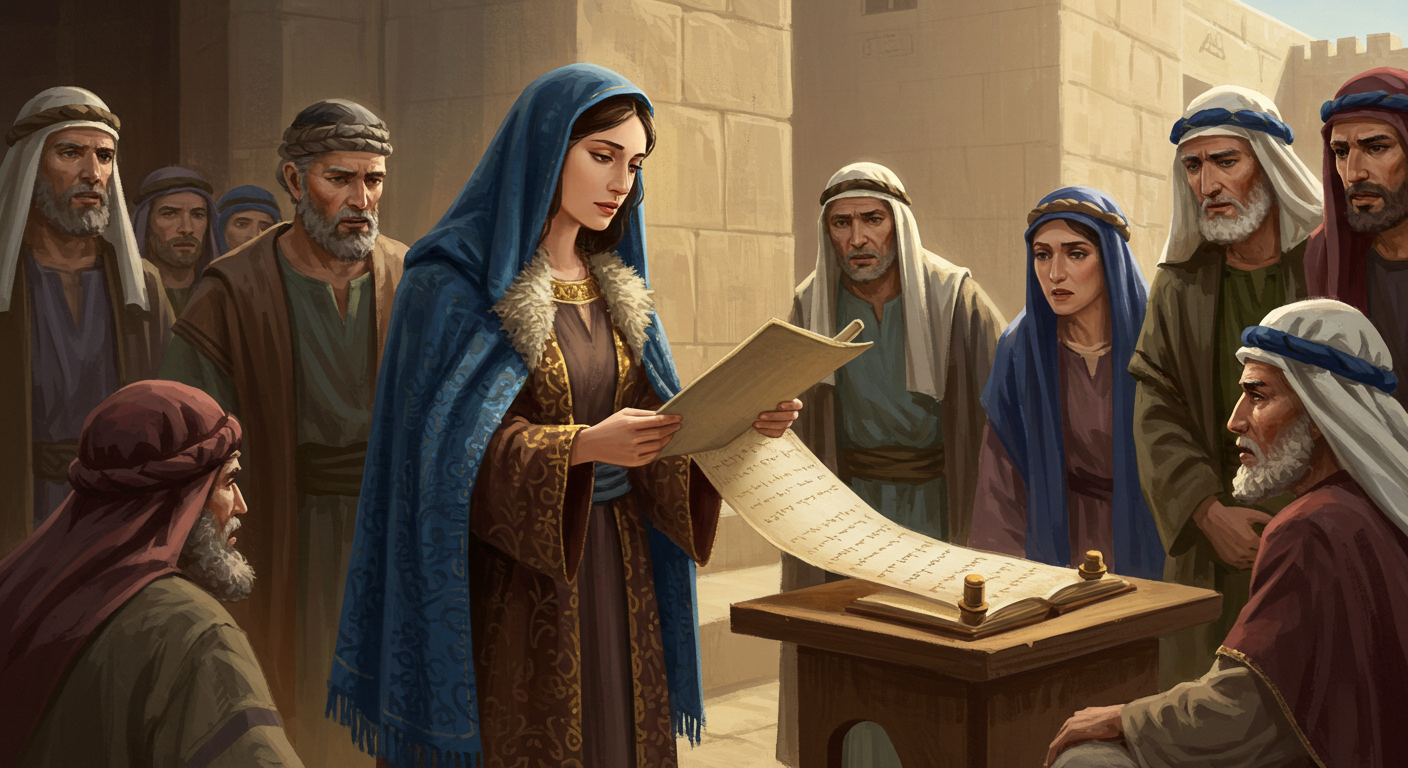
Huldah (Keeper of the Wardrobe and Prophetess)
(חֻלְדָּה הַנְּבִיאָה)
The venerated Jerusalem prophetess who resided in the Second Quarter, Huldah was sought out by the High Priest and royal delegation to authenticate the rediscovered Book of the Law, establishing canonical scripture and sparking Josiah's Great Reform.
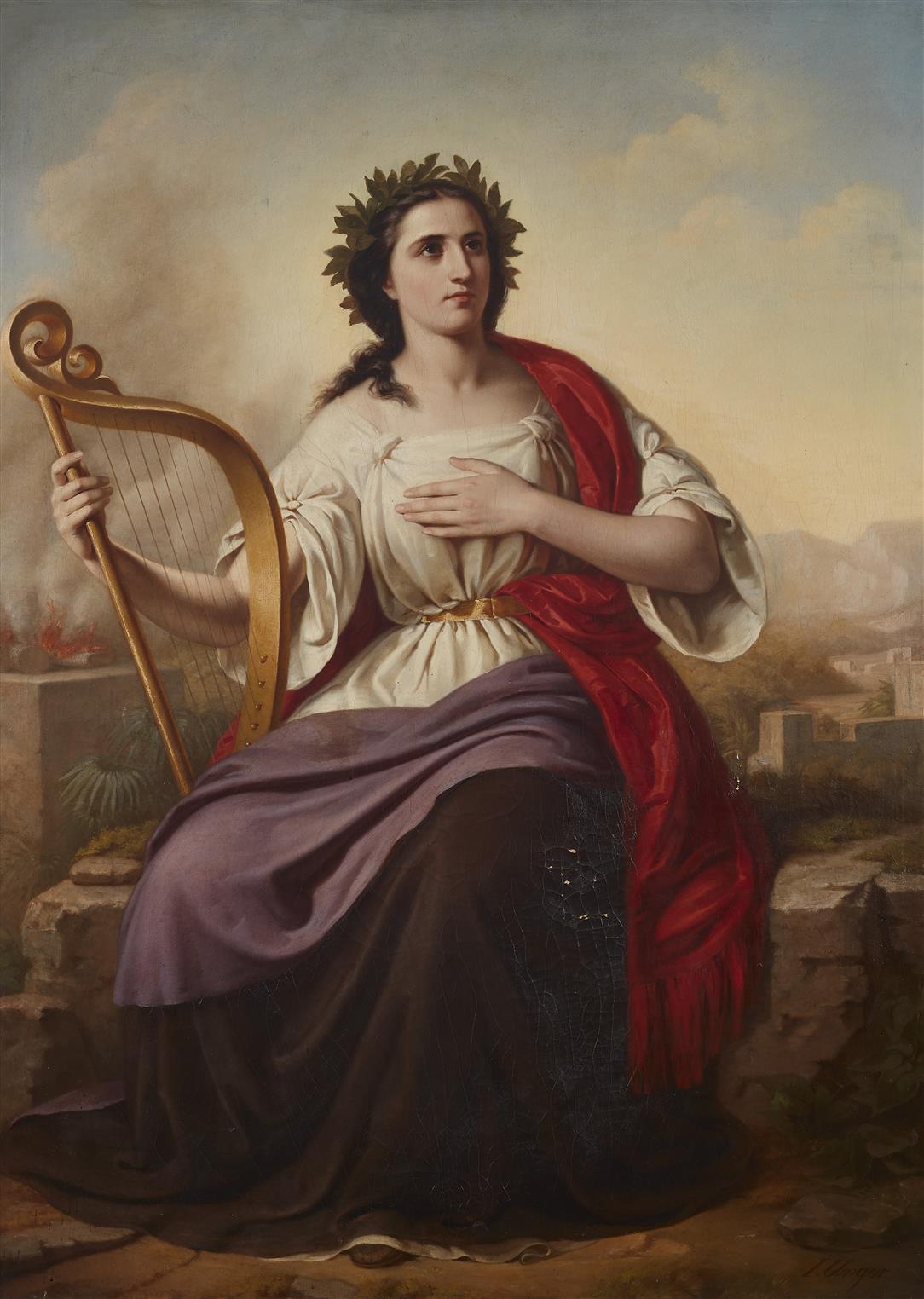
Deborah (Prophetess, Judge, and Mother in Israel)
(דְּבוֹרָה)
The only female Judge of ancient Israel, Deborah sat beneath the Palm of Deborah dispensing impartial justice, rallying the disunited tribes to throw off Canaanite oppression, and composing one of the oldest poetic victory odes in world literature.
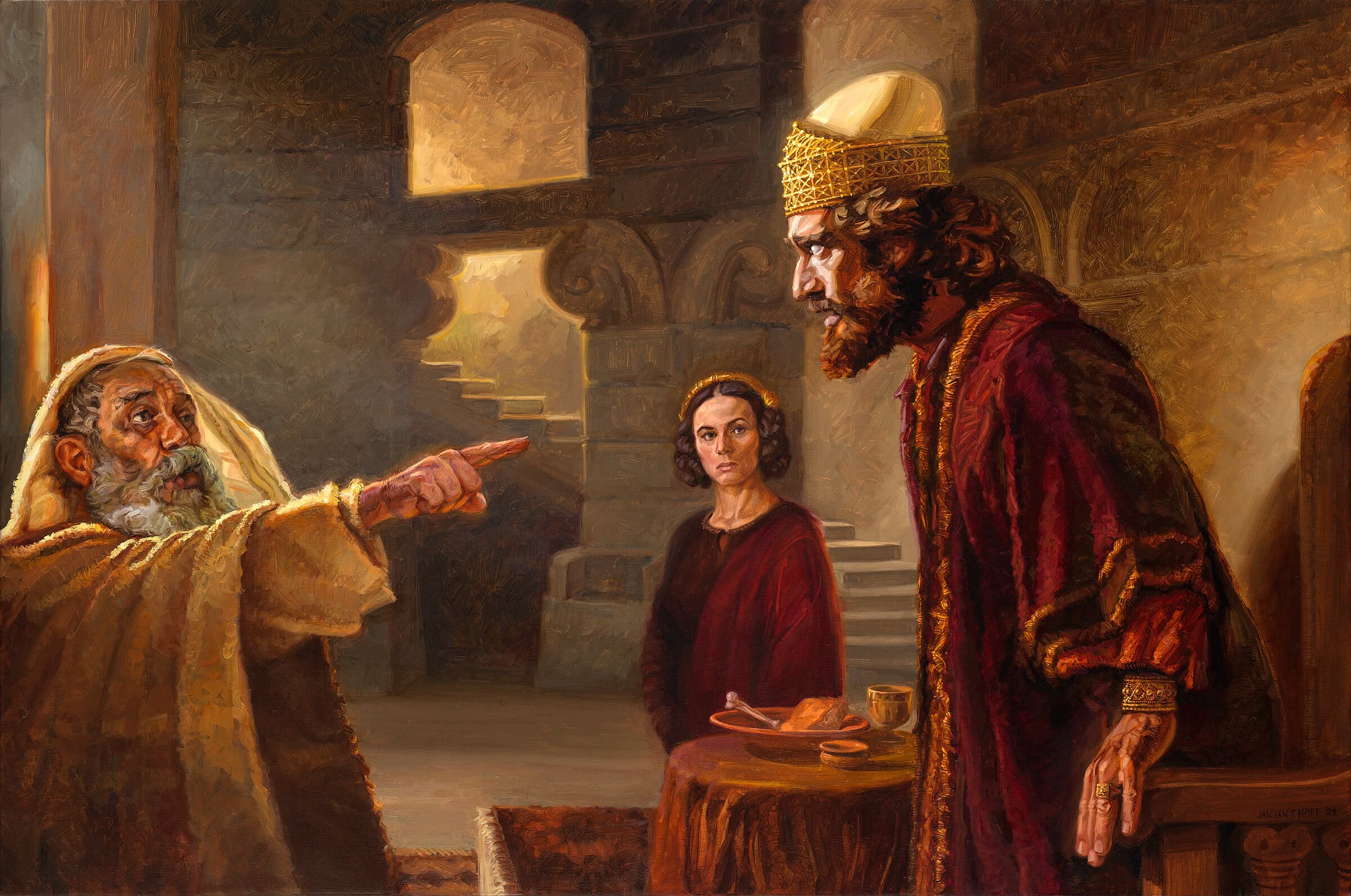
Nathan (Royal Prophet and Conscience of David)
(נָתָן הַנָּבִיא)
Court prophet and fearless moral counselor to King David, Nathan delivered the everlasting Davidic Covenant and later boldly confronted the sovereign over his grave sin with Bathsheba through the immortal parable of the ewe lamb.
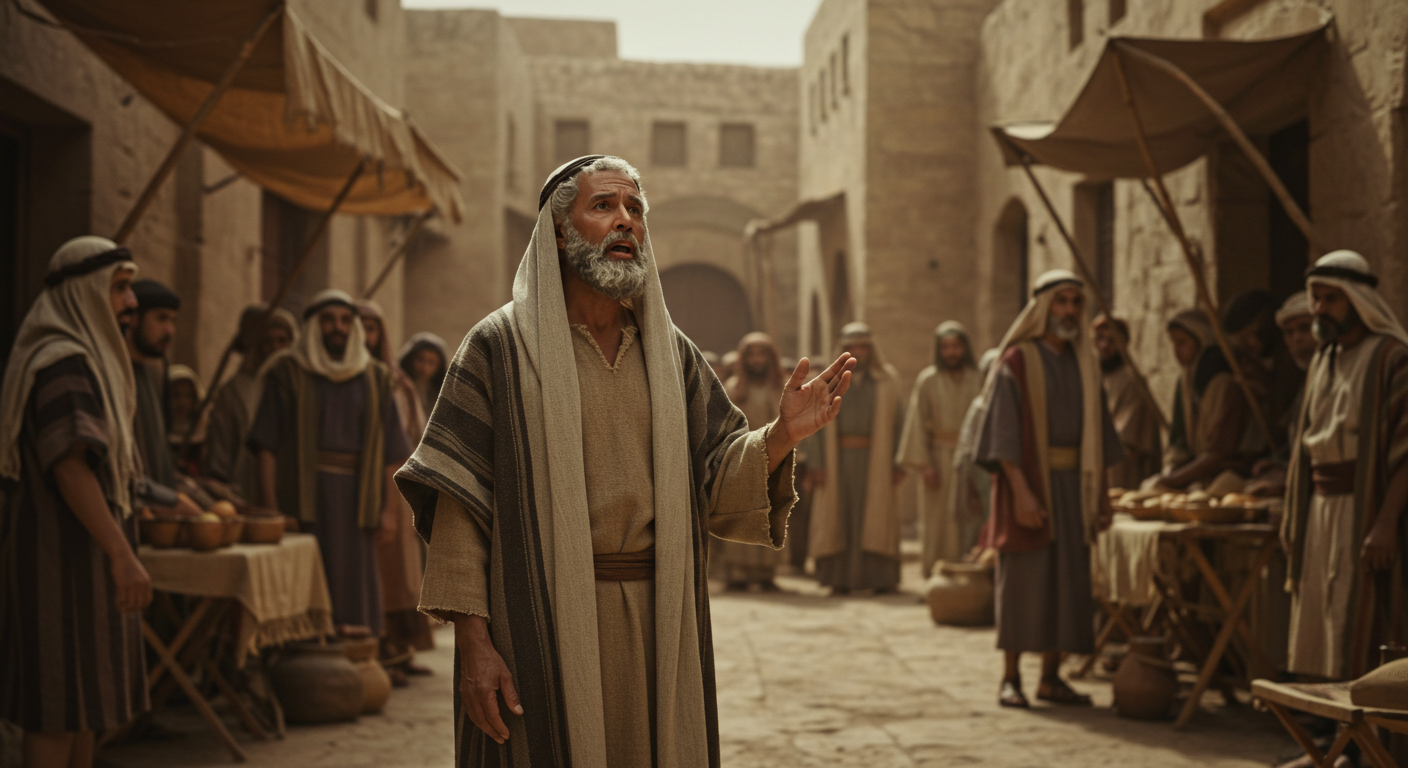
Malachi (The Messenger of the Covenant)
(מַלְאָכִי)
Closing the Hebrew prophetic canon, Malachi ('My Messenger') engaged the returned exiles in penetrating Socratic dialogue, condemning corrupt priesthood, marital unfaithfulness, and cheating of the poor, while foretelling the coming of Elijah.
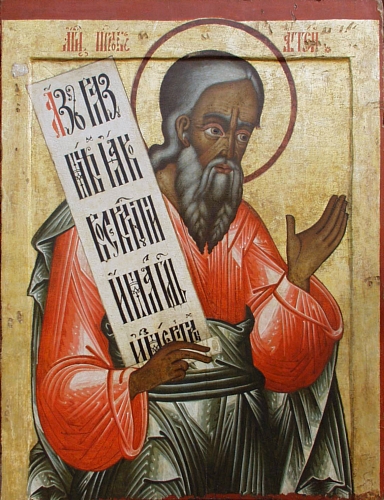
Haggai (Prophet of the Restored Temple)
 (חַגַּי)
The energetic post-exilic prophet who ended sixteen years of communal paralysis in Jerusalem, Haggai stirred Governor Zerubbabel and the high priest to finish building the Second Temple, promising that its glory would exceed the first.

Zephaniah (Herald of the Day of the Lord)
(צְפַנְיָה)
A prince of royal blood descended from King Hezekiah, Zephaniah served as the prophetic catalyst behind King Josiah's sweeping spiritual reformation, warning of the cosmic Day of the Lord while promising refuge to the humble.
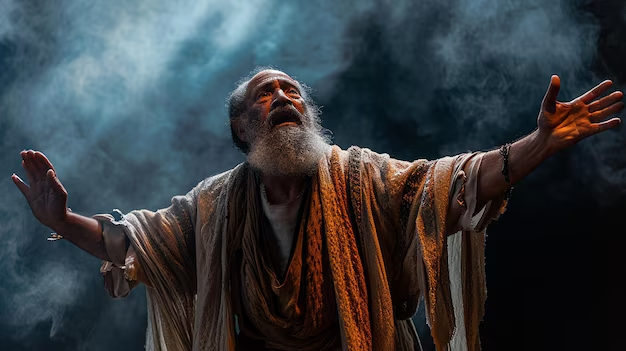
Habakkuk (The Questioning Prophet)
(חֲבַקּוּק)
A profound philosopher-prophet and temple musician who dared to wrestle directly with God over the problem of evil and suffering, Habakkuk gave humanity the foundational spiritual principle: 'The just shall live by his faith.'
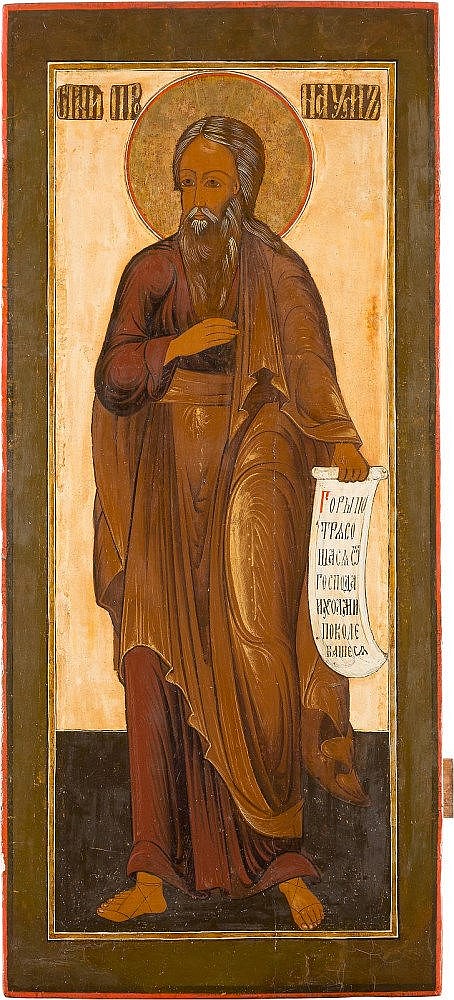
Nahum of Elkosh (Prophet of Retributive Justice)
(נַחוּם)
Hailing from Elkosh in northern Mesopotamia, Nahum provided poetic comfort to small nations crushed under the brutal Assyrian Empire, heralding the downfall of tyranny and proclaiming good tidings of lasting peace.
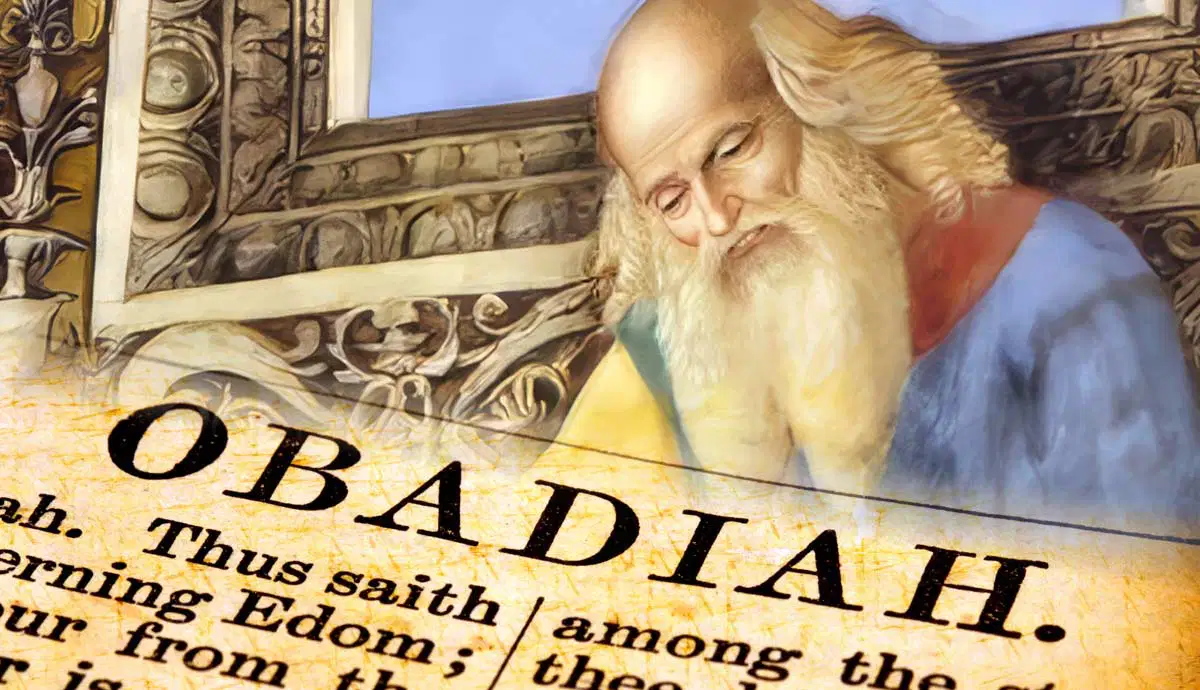
Obadiah (Visionary of Mount Zion)
(עֹבַדְיָה)
Author of the shortest book in the Hebrew Bible, Obadiah (traditionally identified with the royal steward who risked his life hiding one hundred persecuted prophets in caves) delivered a powerful oracle against pride and betrayal.
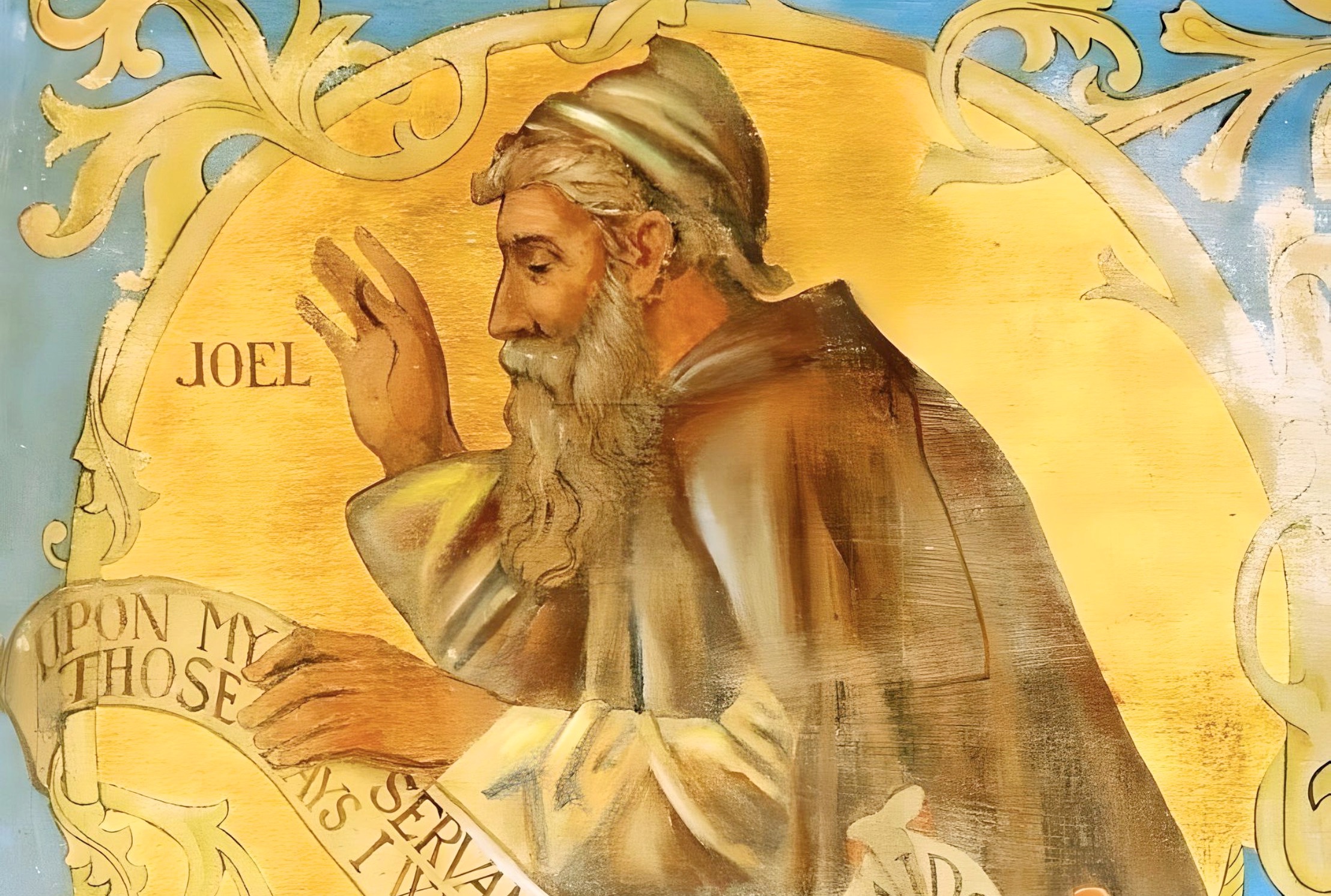
Joel (The Prophet of Pentecostal Outpouring)
(יוֹאֵל)
The son of Pethuel and visionary prophet of Judah, Joel transformed the tragedy of an unprecedented ecological locust plague into an urgent call for genuine inward repentance, foretelling the universal pouring out of the Spirit upon all flesh.
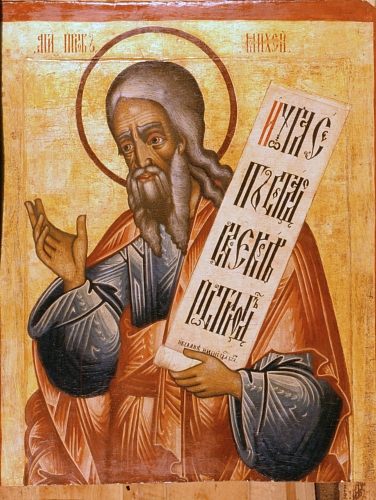
Micah of Moresheth (Prophet of Justice and Humility)
(מִיכָה הַמֹּרַשְׁתִּי)
A contemporary of Isaiah originating from rural Judah, Micah championed the rights of defenseless farmers against land-grabbing urban elites, famously prophesying that nations would beat their swords into plowshares.