Public Figures & Cultural Luminaries
Filterable archive covering centuries of intellectual, artistic, and moral contributions to the human story.
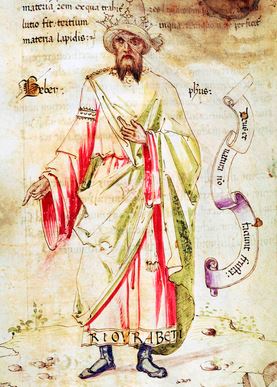
Ja'far ibn Muhammad al-Sadiq (The Truthful)
 (جعفر بن محمد الصادق)
Sixth Imam of the Ahl al-Bayt celebrated as "Al-Sadiq" (The Truthful). Formulated Ja'fari jurisprudence and presided over an unprecedented academic circle in Medina that educated foremost jurists and pioneers of chemistry.
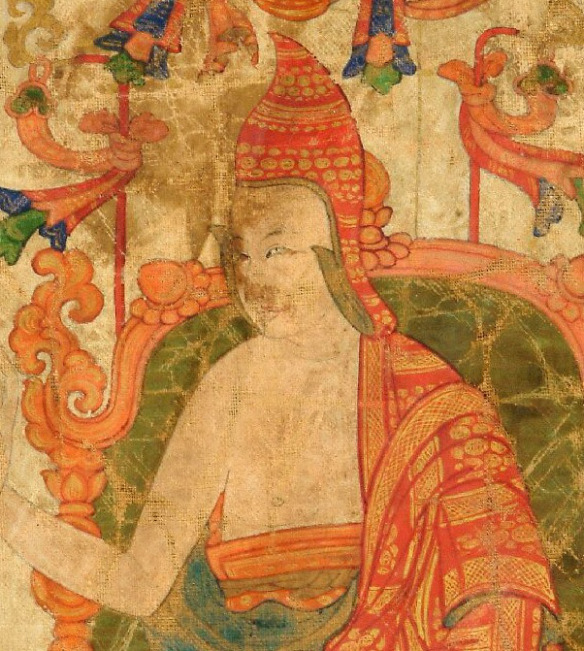
Shantideva
 (शान्तिदेव)
Nalanda monk and Bodhisattva whose 'Bodhicaryavatara' (The Way of the Bodhisattva) is the supreme poetic masterpiece on generating Bodhicitta and exchanging self for others.
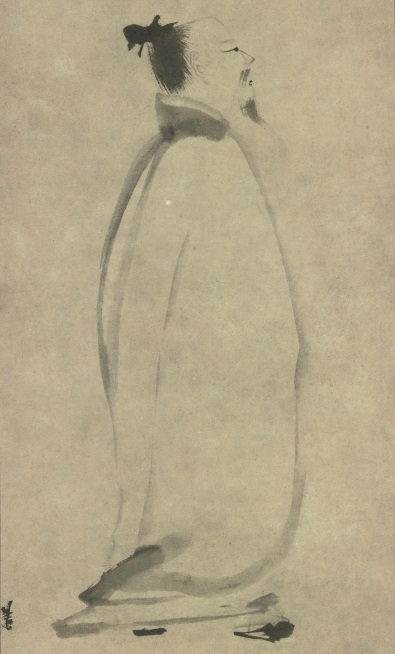
Li Bai
 (李白 (Li Po / Shixian))
Tang dynasty genius poet (701–762), revered as the 'Poet Immortal' (Shixian), whose romantic lyricism, effortless grace, and boundless imagination produced over a thousand immortal poems celebrated across the world.
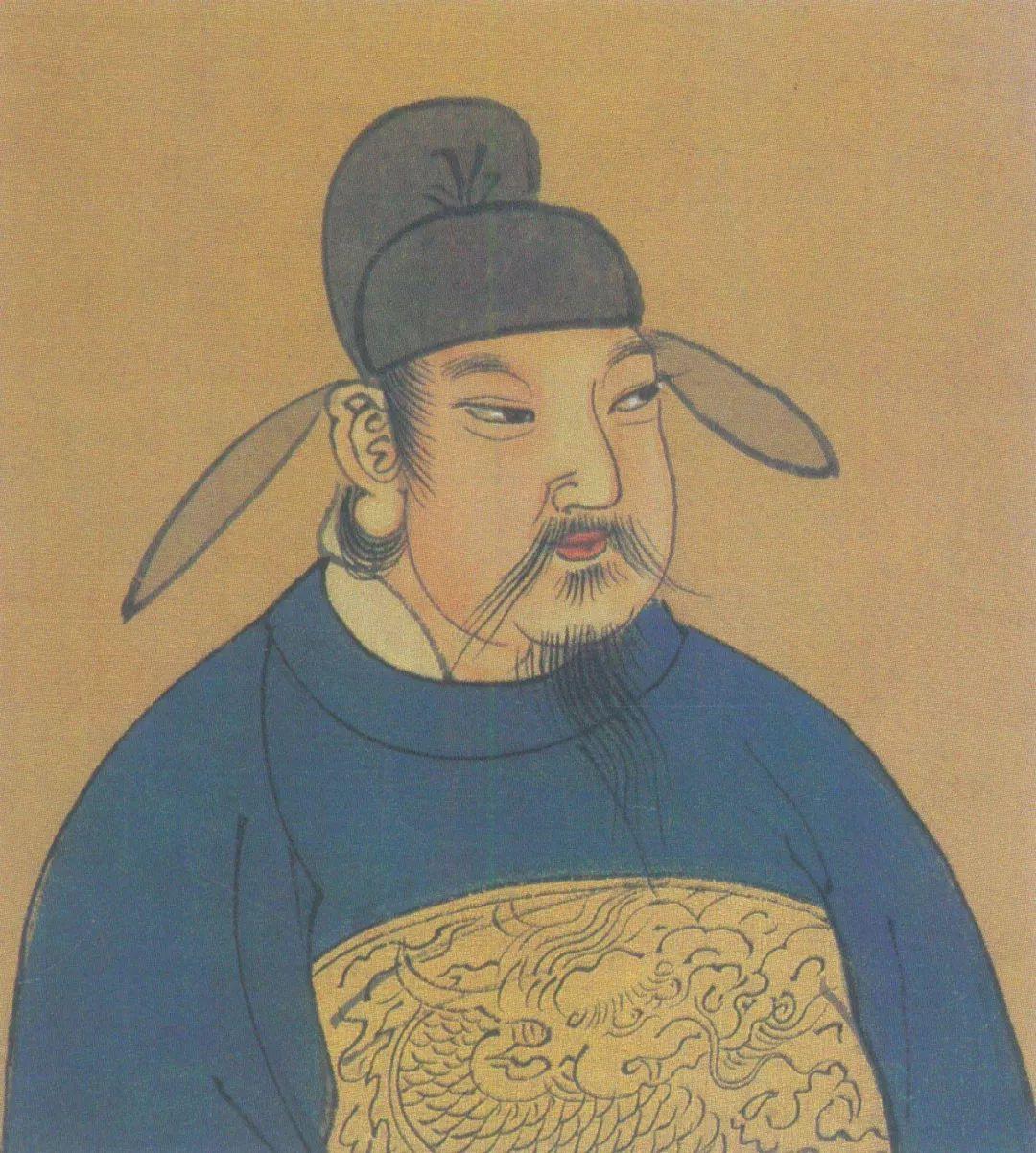
Emperor Xuanzong of Tang
(唐玄宗 (李隆基))
Longest-reigning emperor of the Tang Dynasty whose Kaiyuan Era marked the pinnacle of Chinese classical poetry, painting, and opera, tragically shattered by the An Lushan Rebellion.
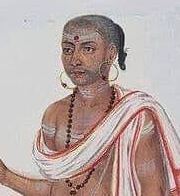
Kumarila Bhatta
(कुमारिल भट्ट)
Titan of Purva Mimamsa philosophy whose brilliant treatises 'Shlokavarttika' and 'Tantravarttika' defended Vedic realism and commonsense realism against Buddhist nominalism, establishing the intrinsic validity of knowledge (Svatah-pramanya).
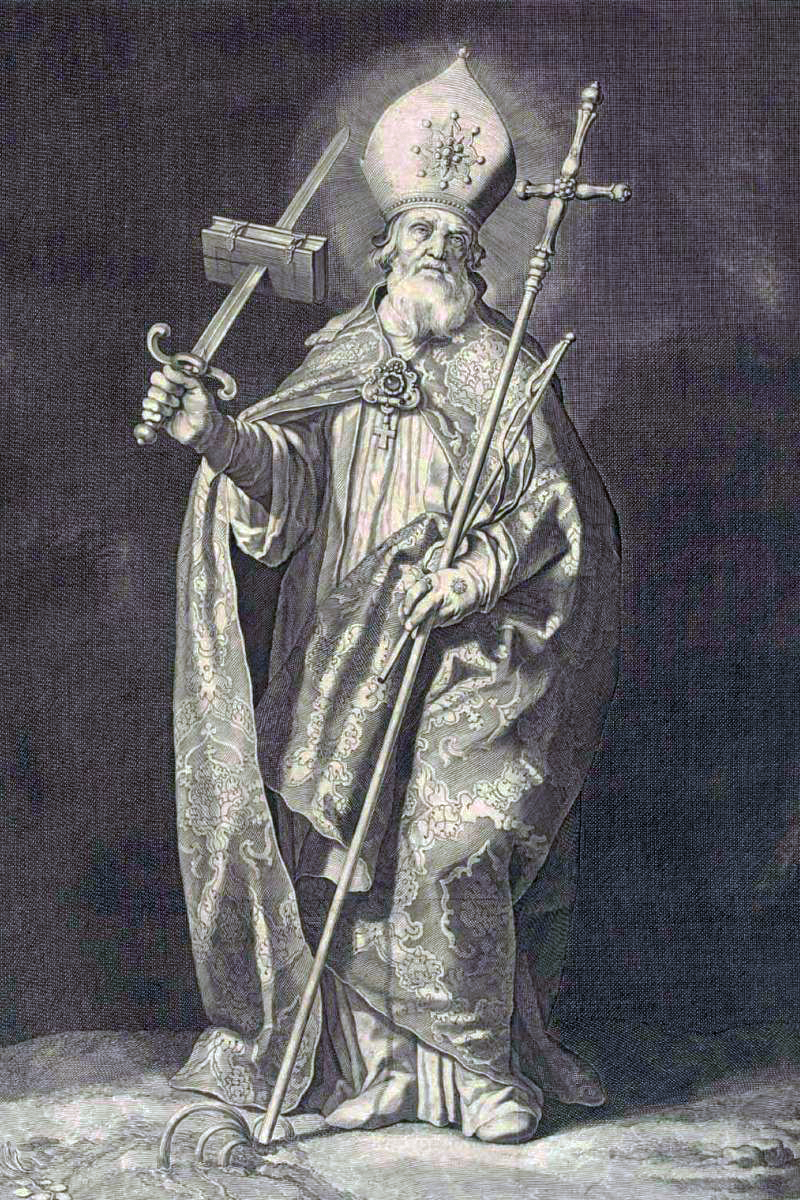
Boniface
 (Winfrid)
Anglo-Saxon missionary and archbishop who fatedly evangelized the Germanic peoples, reformed the Frankish church, and felled Donar's Oak at Geismar.
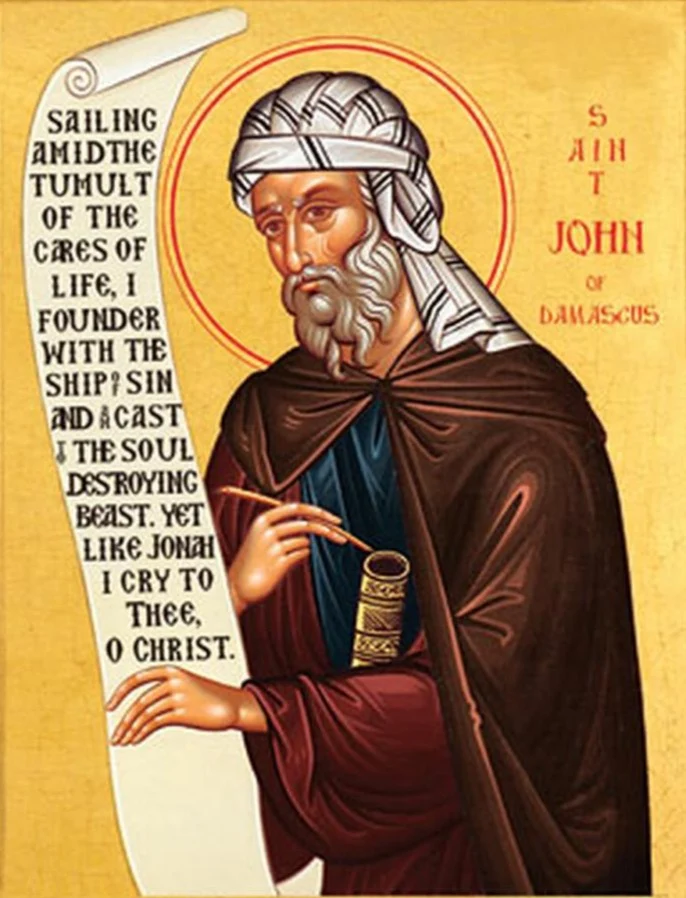
John of Damascus
 (Ἰωάννης ὁ Δαμασκηνός)
Doctor of the Church and last of the Greek Fathers, whose 'Fount of Knowledge' synthesized patristic dogma and whose three Apologetic Treatises defended holy icons.
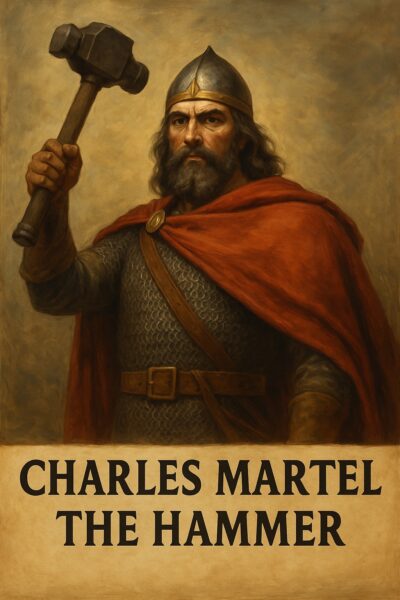
Charles Martel (The Hammer)
 (Karl Martell / Carolus Martellus)
Frankish statesman and military commander who defeated the Umayyad Caliphate at the Battle of Tours in 732, laying the foundation for the Carolingian Empire.
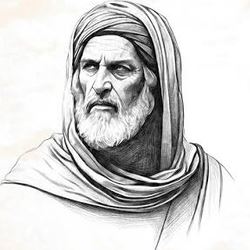
Zayd ibn Ali Zayn al-Abidin (زيد بن علي)
Grandson of Husayn, eminent legal scholar, and founder of the Zaydiyya school whose 'Majmu al-Fiqh' is one of the earliest codified legal manuals in Islamic history.
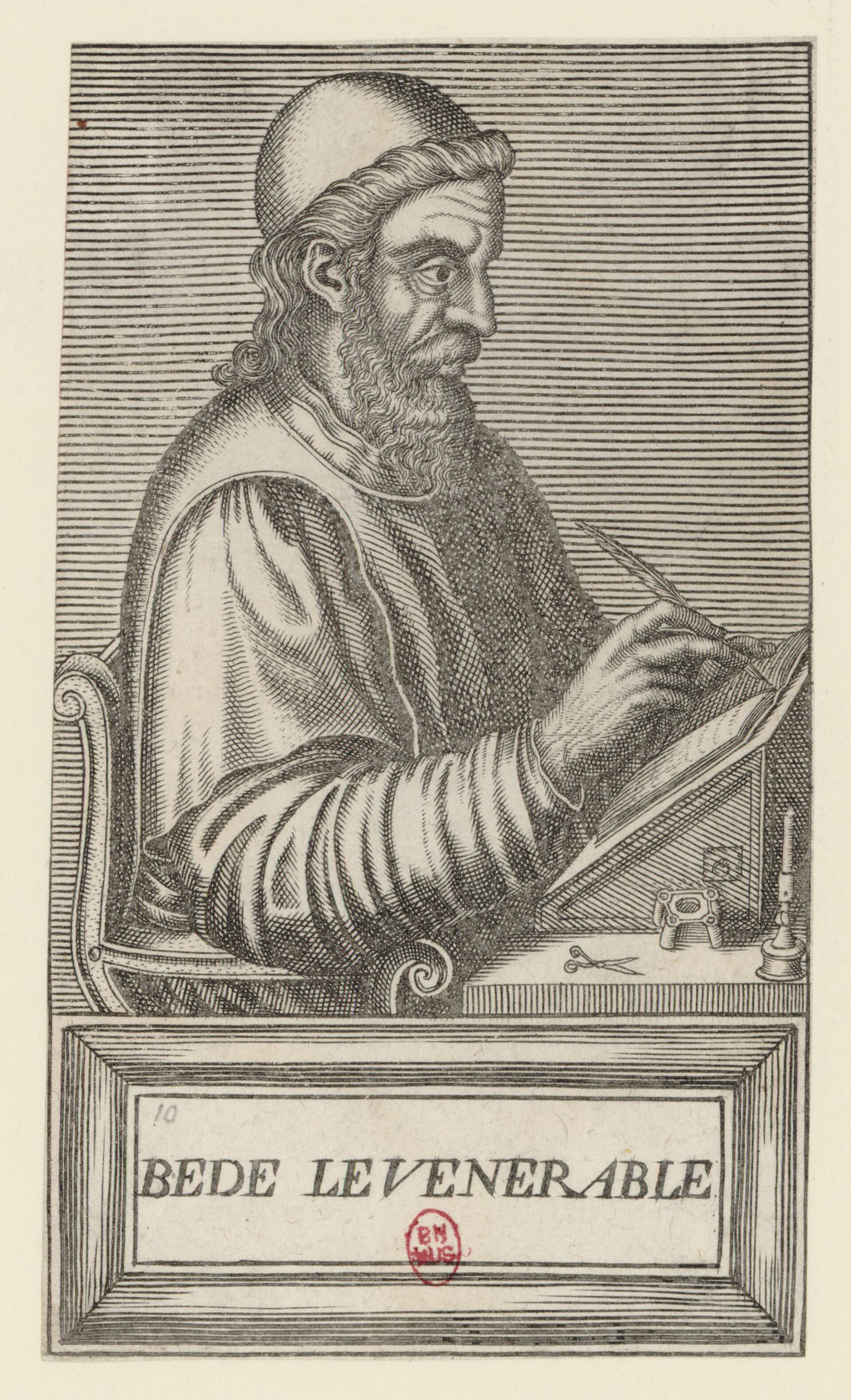
Bede the Venerable
(Beda Venerabilis)
Northumbrian monk, Doctor of the Church, and Father of English History whose 'Ecclesiastical History of the English People' and calendar calculations (AD dating) forged English identity.
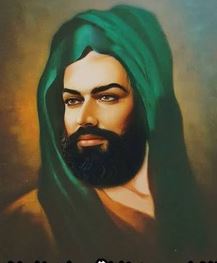
Muhammad ibn Ali al-Baqir (محمد بن علي الباقر)
Fifth Shia Imam whose title 'Al-Baqir' (The Splitter of Knowledge) reflects his foundational role in laying out the principles of Shia jurisprudence and theology in Medina.
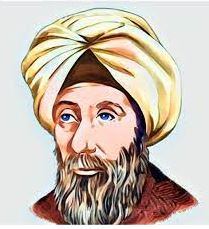
Al-Hasan ibn Abi al-Hasan al-Basri (الحسن البصري)
Patriarch of early Islamic piety, asceticism, and eloquence; born in Medina in the household of the Prophet's wife Umm Salama and revered as the spiritual beacon of the Tabieen generation.
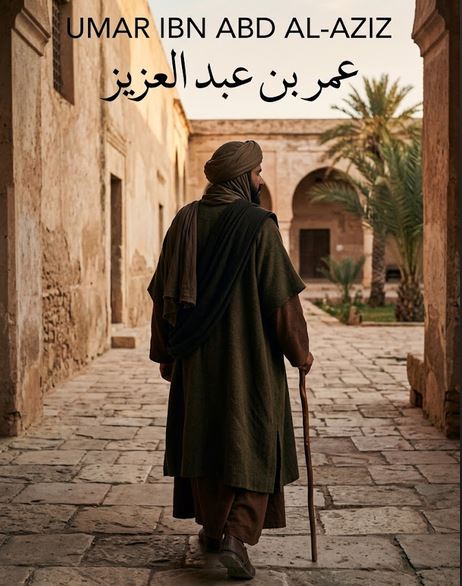
Omar ibn Abd al-Aziz (The Fifth Rightly Guided Caliph)
(عمر بن عبد العزيز)
Eighth Umayyad Caliph celebrated in Sunni tradition as the "Fifth Rightly Guided Caliph" (Al-Khulafa al-Rashidun). In two years of rule, he dismantled royal corruption, returned royal family estates to the public treasury, and abolished the discriminatory Jizya tax on non-Arab converts.
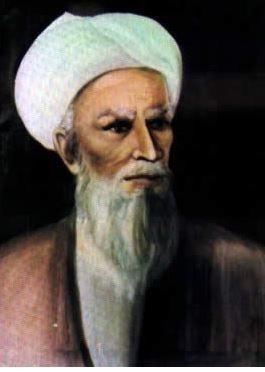
Musa ibn Nusayr (موسى بن نصير)
Umayyad governor and military commander who completed the Islamic conquest of the Maghreb and co-directed with Tariq ibn Ziyad the conquest of the Visigothic Kingdom in Hispania (Andalusia).
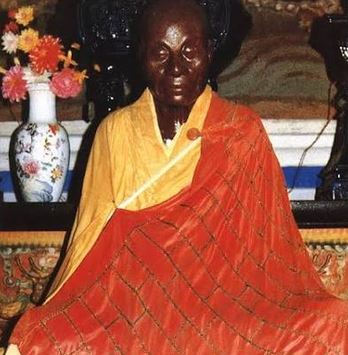
Dajian Huineng (Sixth Patriarch of Chan)
(大鑒惠能 (Dajian Huineng))
Illiterate woodcutter from southern China who became the Sixth Patriarch of Chan Buddhism and author of the Platform Sutra. Established the Southern School of Sudden Enlightenment, democratizing Zen across East Asia.
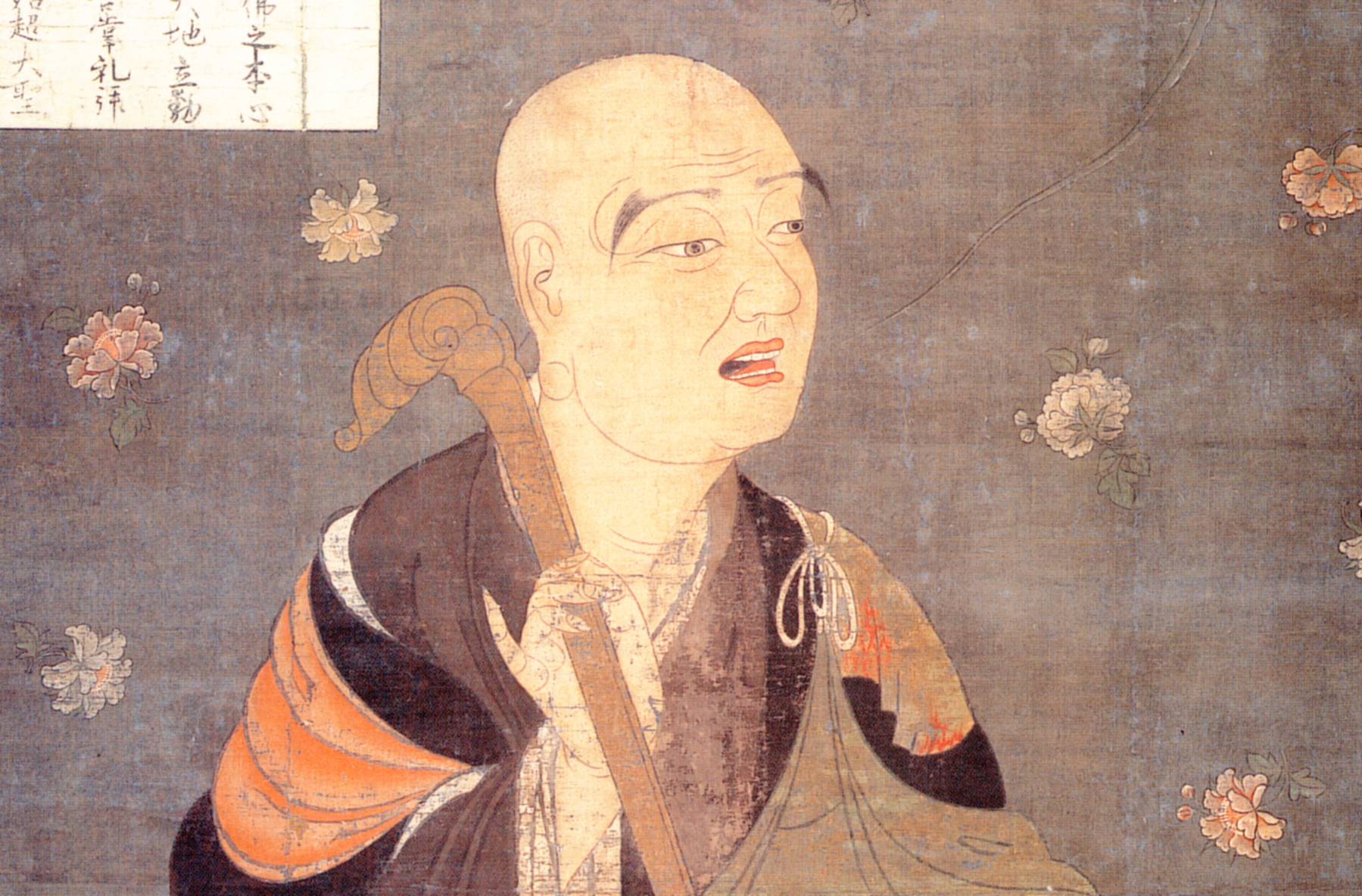
Fazang
(法藏)
Third patriarch and principal architect of Huayan Buddhism whose Golden Lion treatise and concept of the Indra's Net cosmic interpenetration captivated Empress Wu Zetian.
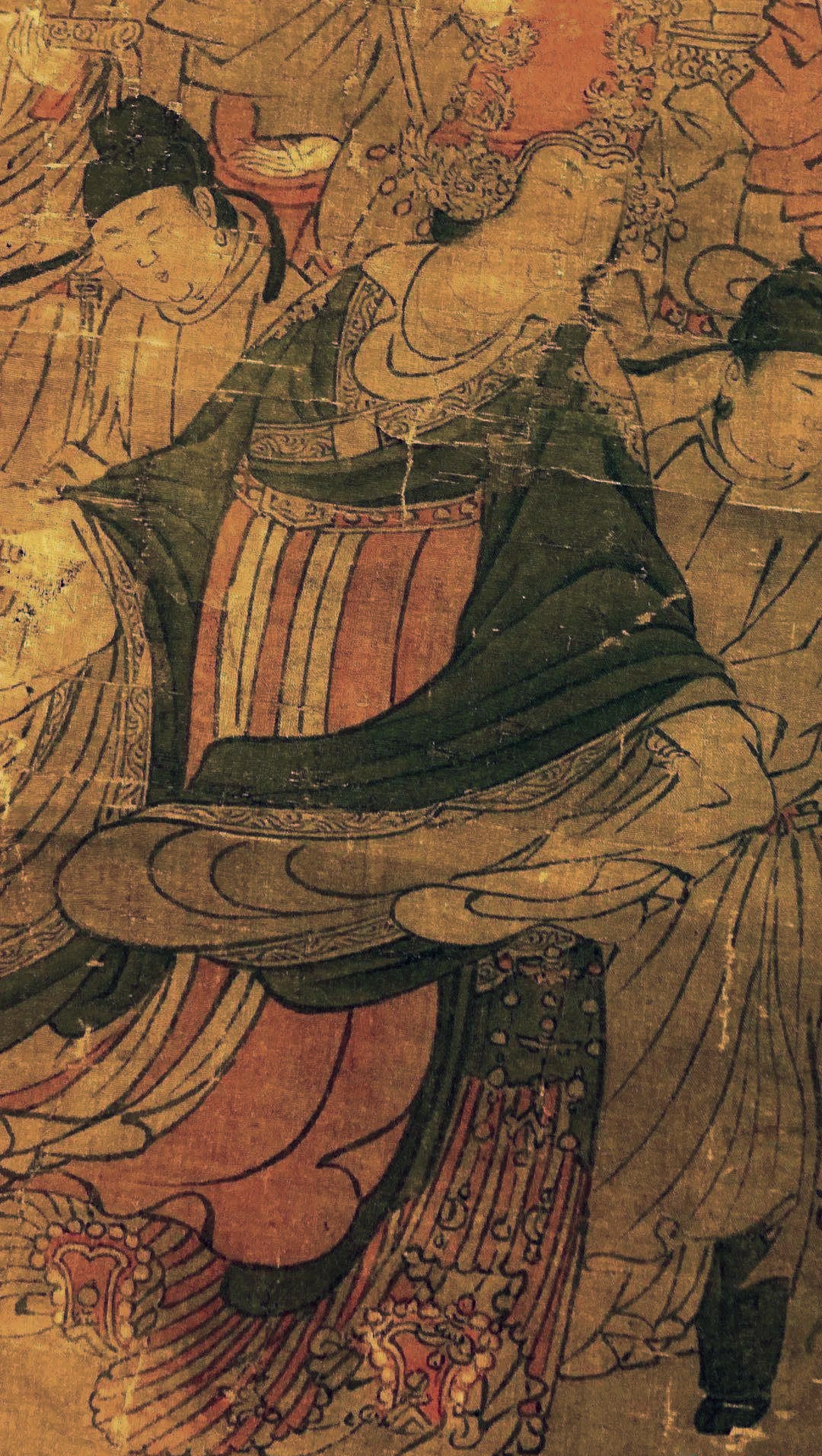
Wu Zetian
(武则天 (武曌))
Only female emperor regnant in five millennia of Chinese history, who founded her own Zhou Dynasty (690–705 CE), expanded the empire, and democratized government through imperial civil service examinations.
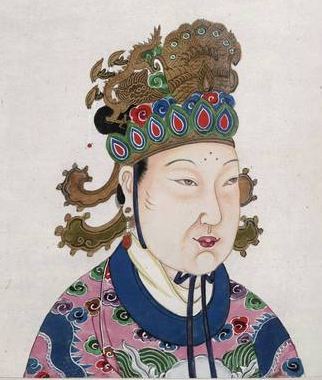
Wu Zetian (Emperor Wu Zhao of Zhou)
(武則天 (Wu Zhao / Sacred and Divine Emperor))
The only female emperor in four millennia of Chinese history. Founded her own Zhou Dynasty (690–705 CE), broke the hereditary aristocracy by promoting scholars through meritocratic imperial examinations, and commissioned the colossal Longmen Grottoes Buddhas.