Public Figures & Cultural Luminaries
Filterable archive covering centuries of intellectual, artistic, and moral contributions to the human story.
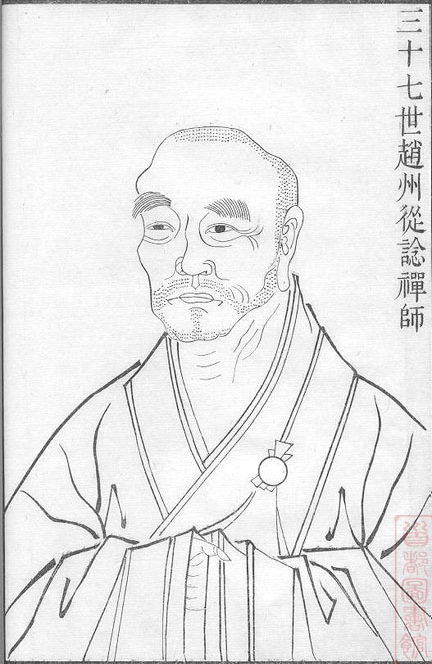
Zhaozhou Congshen
 (趙州從諗)
Iconic Chinese Chan master famous for his eighty years of traveling, profound paradoxical brevity, and the ultimate koan 'Mu' (Does a dog have Buddha-nature?).
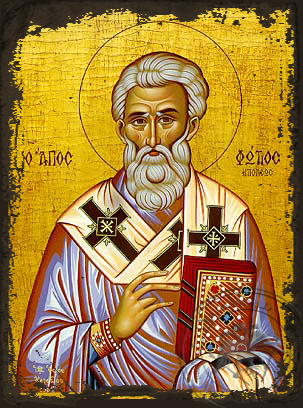
Photios the Great
 (Φώτιος)
Ecumenical Patriarch of Constantinople and towering polymath whose 'Bibliotheca' saved classical antiquity and who defended Eastern pneumatology against the Filioque.
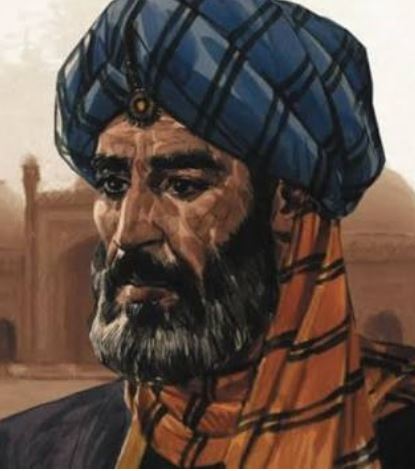
Abu Isa Muhammad al-Tirmidhi
 (أبو عيسى محمد الترمذي)
Eminent Hadith scholar and student of al-Bukhari who compiled 'Jami` at-Tirmidhi'—introducing precise grading terms (Hasan Sahih)—and authored 'Al-Shama'il al-Muhammadiyya'.
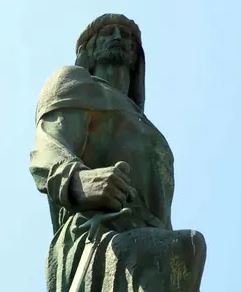
Abu Dawud al-Sijistani
(أبو داود السجستاني)
Master Hadith compiler and jurist whose 'Sunan Abi Dawud' is the premier canonical collection focused on legal ahadith (Ahadith al-Ahkam) governing jurisprudence.
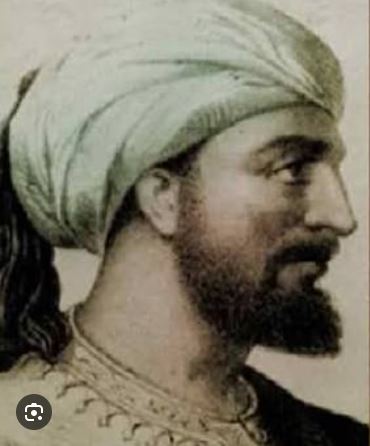
Muhammad ibn Yazid Ibn Majah
(ابن ماجه)
Persian Hadith scholar, exegete, and historian whose 'Sunan Ibn Majah' completes the revered 'Kutub al-Sittah' (Six Canonical Hadith Books) of Sunni Islam.
Muslim ibn al-Hajjaj
(مسلم بن الحجاج)
Supreme Hadith master whose compilation 'Sahih Muslim' represents the second most authentic collection of prophetic traditions in Sunni Islam, praised for thematic arrangement.
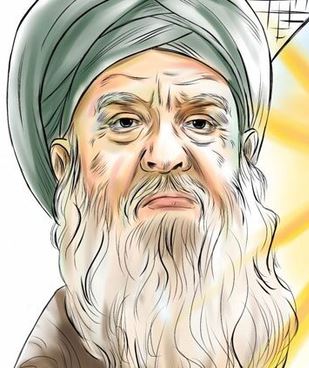
Bayazid al-Bistami
(بايزيد البسطامي)
Celebrated Persian mystic and master of ecstatic contemplation whose profound utterances of divine intimacy made him an enduring symbol of total ego-annihilation in God.
Muhammad ibn Isma'il al-Bukhari (Amir al-Mu'minin fi al-Hadith)
 (محمد بن إسماعيل البخاري)
Supreme Hadith master recognized as "Amir al-Mu'minin" in prophetic traditions. Evaluated over 600,000 traditions with peerless critical methodology to compile Sahih al-Bukhari—the most authentic book in Sunni Islam after the Quran.
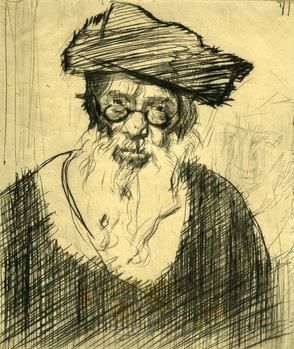
Abu Uthman Amr ibn Bahr al-Kinani al-Basri (Al-Jahiz)
(الجاحظ (عمرو بن بحر الكناني البصري))
Supreme prose stylist of the Arabic Golden Age and pioneering zoologist whose encyclopedic masterworks—Kitab al-Hayawan (Book of Living Creatures) and Kitab al-Bukhala (Book of Misers)—laid the foundations of modern Arabic literary art (Adab).
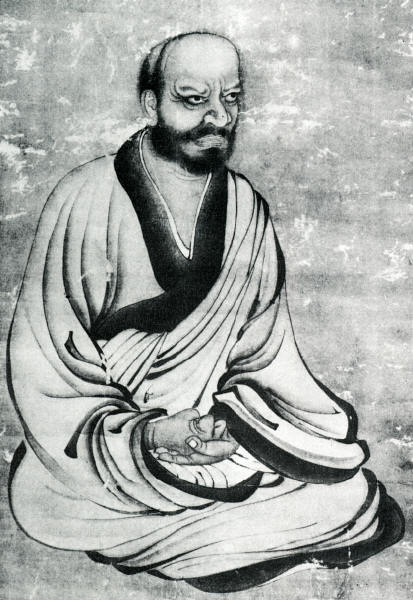
Linji Yixuan
(臨濟義玄)
Founder of the Linji (Rinzai) school of Chan/Zen Buddhism famous for his shouts (katsu), blows, and radical teachings on the 'true person of no rank'.
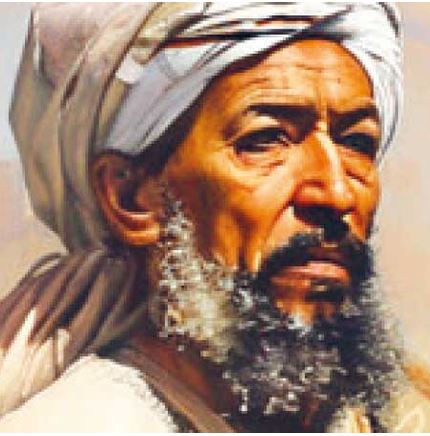
Al-Harith ibn Asad al-Muhasibi
(الحارث المحاسبي)
Early Baghdad spiritual master, moral theologian, and psychologist whose 'Al-Ri'aya li-Huquq Allah' laid the psychological foundations for examining inner conscience and moral motives.
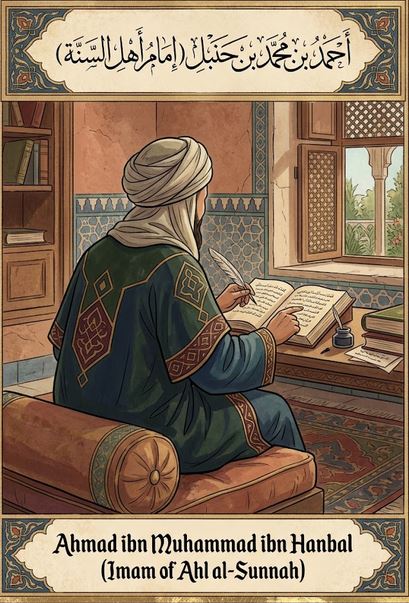
Ahmad ibn Muhammad ibn Hanbal (Imam of Ahl al-Sunnah)
(أحمد بن حنبل الشيباني)
Heroic scholar and ascetic who founded the Hanbali school of jurisprudence. Endured years of imprisonment and flogging during the Abbasid Inquisition (Mihna) rather than compromise his conviction regarding the uncreated Word of God.
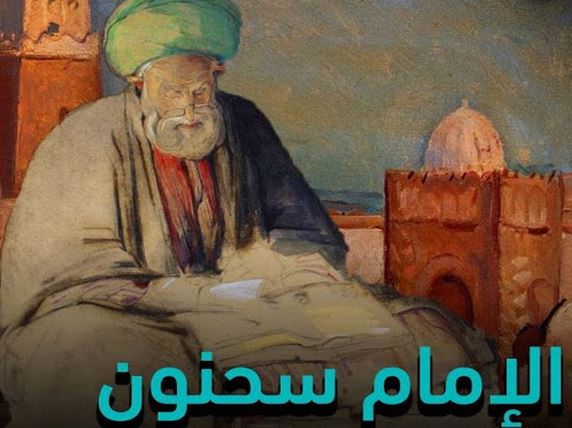
Imam Sahnun
 (سحنون بن سعيد التنوخي)
Venerated North African jurist and Qadi of Kairouan who authored 'Al-Mudawwana al-Kubra', the definitive founding compendium of the Maliki school of Islamic jurisprudence in the Maghreb and al-Andalus.
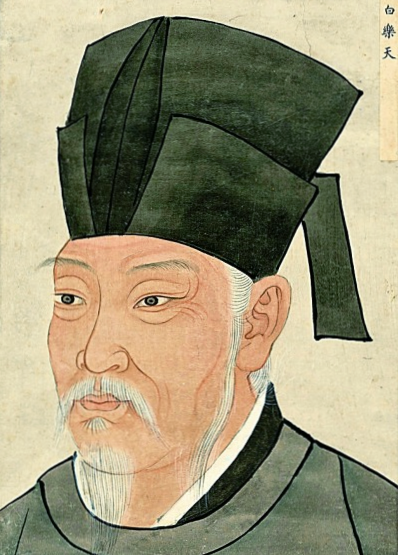
Bai Juyi
(白居易 (Bai Letian / Xiangshan Jushi))
Celebrated Tang dynasty poet and statesman (772–846), famous for his accessible plain-style verse, social criticism, and narrative masterpieces 'Song of Everlasting Regret' and 'The Pipa Song'.
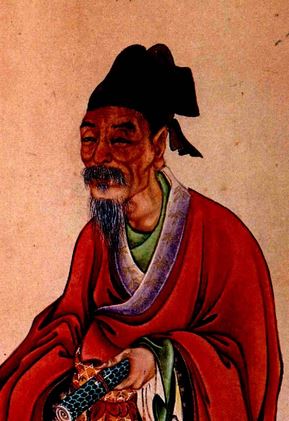
Bai Juyi (Bo Juyi)
(白居易)
One of the greatest poets of China's Tang dynasty whose accessible, socially conscious verses—including The Song of Everlasting Sorrow and The Pipa Player—were so plainspoken that even elderly village peasants could understand them.
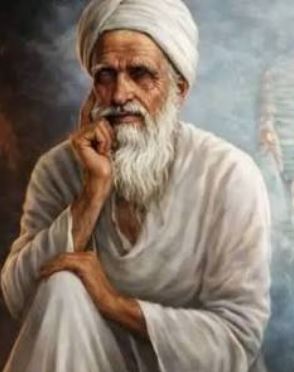
Ziyadat Allah I
(زيادة الله الأول)
Aghlabid Emir of Ifriqiya (817–838 CE) who launched the historic Muslim conquest of Sicily in 827 CE and rebuilt the magnificent Great Mosque of Kairouan in its enduring stone splendour.
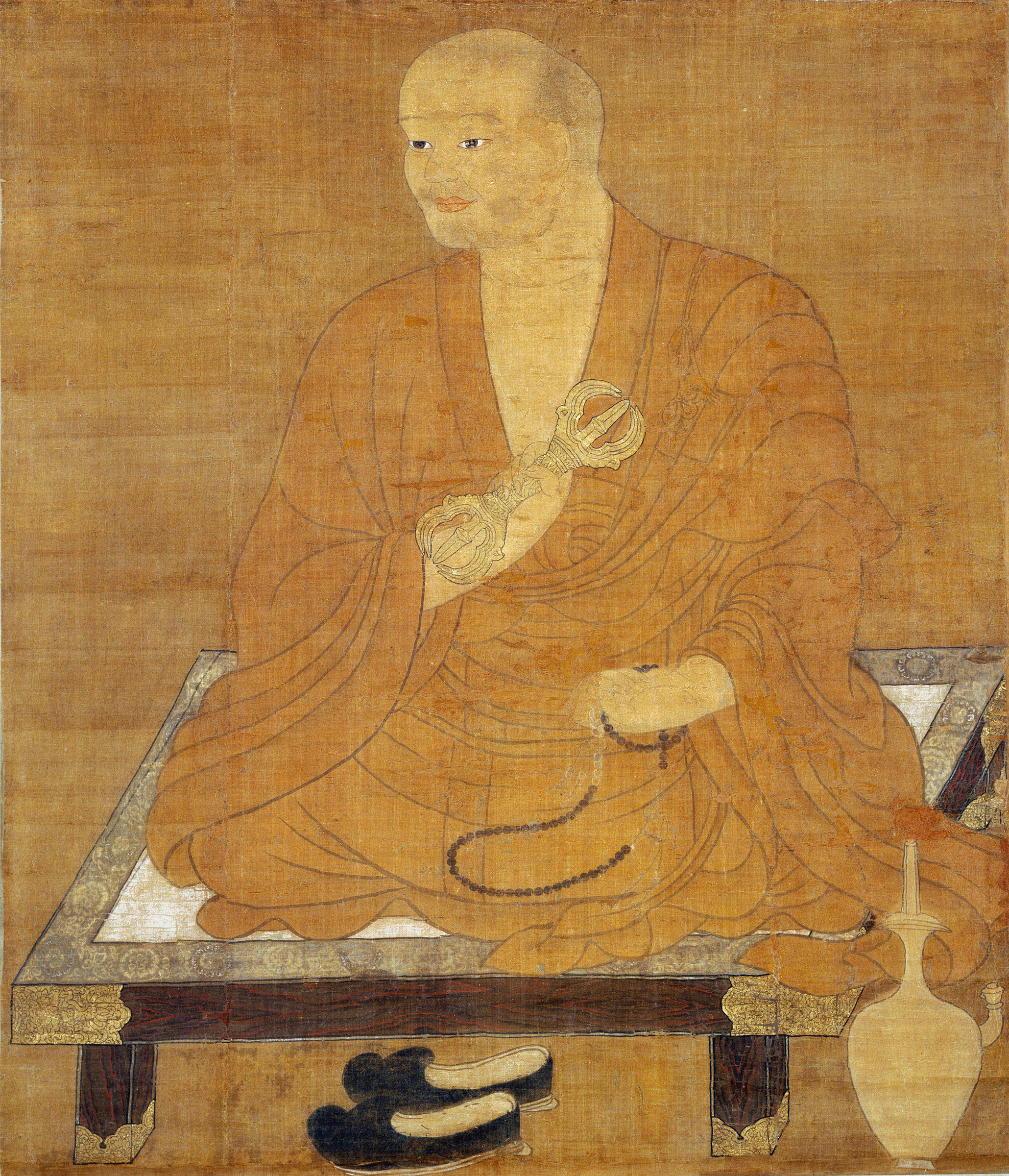
Kukai
 (空海)
(空海)
Polymath, calligrapher, engineer, and founder of Shingon Esoteric Buddhism who built Mount Koya and taught 'attaining Buddhahood in this very body' (Sokushin Jobutsu).
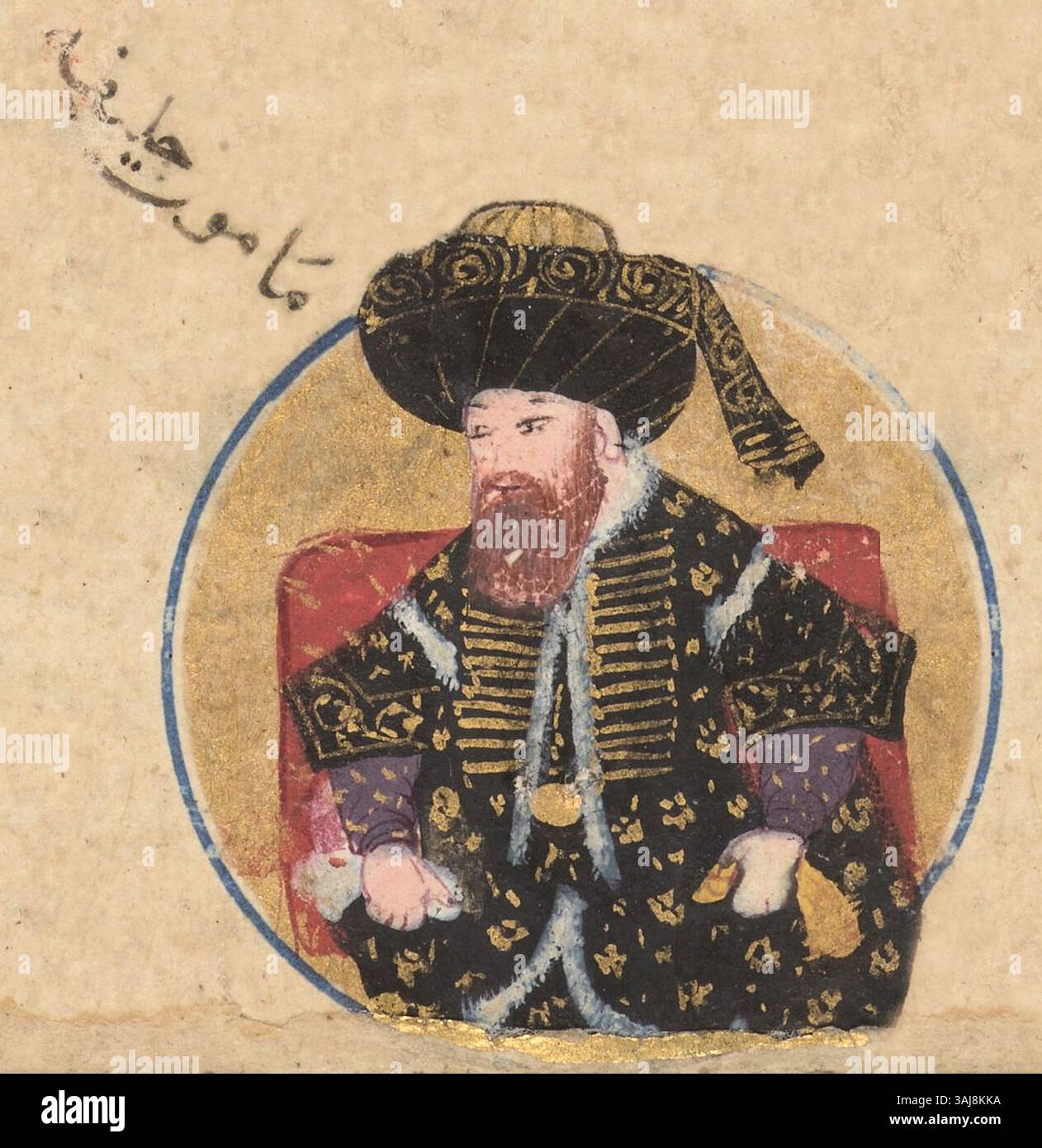
Al-Ma'mun (The Scholar Caliph)
(عبد الله المأمون بن هارون الرشيد)
Abbasid Caliph who presided over the zenith of the Islamic Golden Age, expanding the House of Wisdom and measuring the circumference of the Earth.