Public Figures & Cultural Luminaries
Filterable archive covering centuries of intellectual, artistic, and moral contributions to the human story.
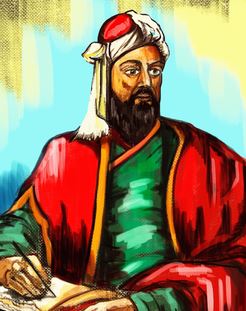
Nizam al-Mulk
 (Abu Ali Hasan ibn Ali Tusi)
Pinnacle of medieval Islamic statecraft and institutional administration; built the educational foundations that fostered minds like Al-Ghazali.
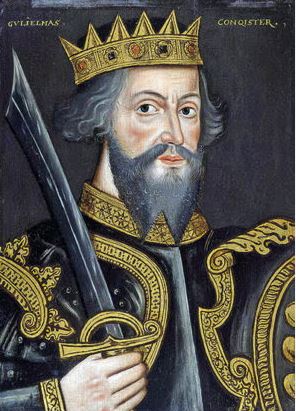
William I of England (William the Conqueror / Guillaume le Conquérant)
 (Guillaume le Conquérant)
Duke of Normandy who launched the Norman Conquest of England in 1066, decisively winning the Battle of Hastings. Replaced the Anglo-Saxon aristocracy with Anglo-Norman feudalism, commissioned the Domesday Book, and built the Tower of London.
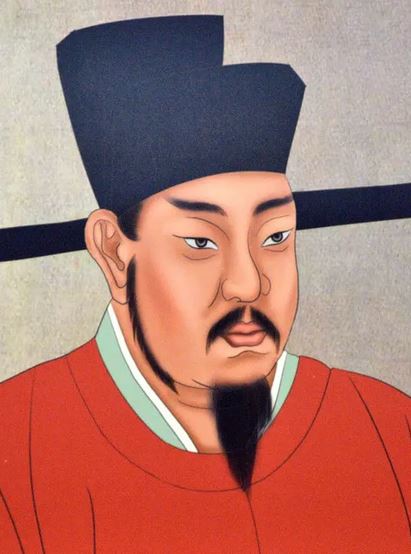
Wang Anshi
 (王安石)
(王安石)
Pioneered welfare-state economics and proto-monetary market regulation nearly a millennium ahead of modern Western state planning.
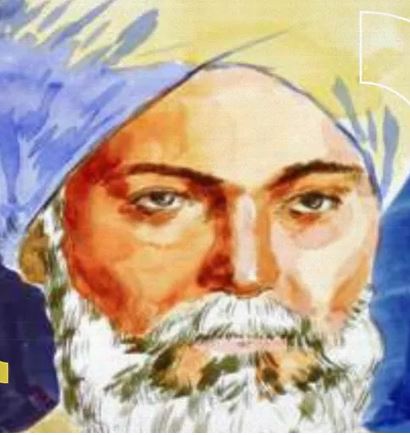
Abd al-Malik ibn Abd Allah al-Juwayni (إمام الحرمين الجويني)
Eminent Shafi'i jurist and theologian who taught in Mecca and Medina, headed the prestigious Nizamiyya Academy of Nishapur, and mentored Abu Hamid al-Ghazali.
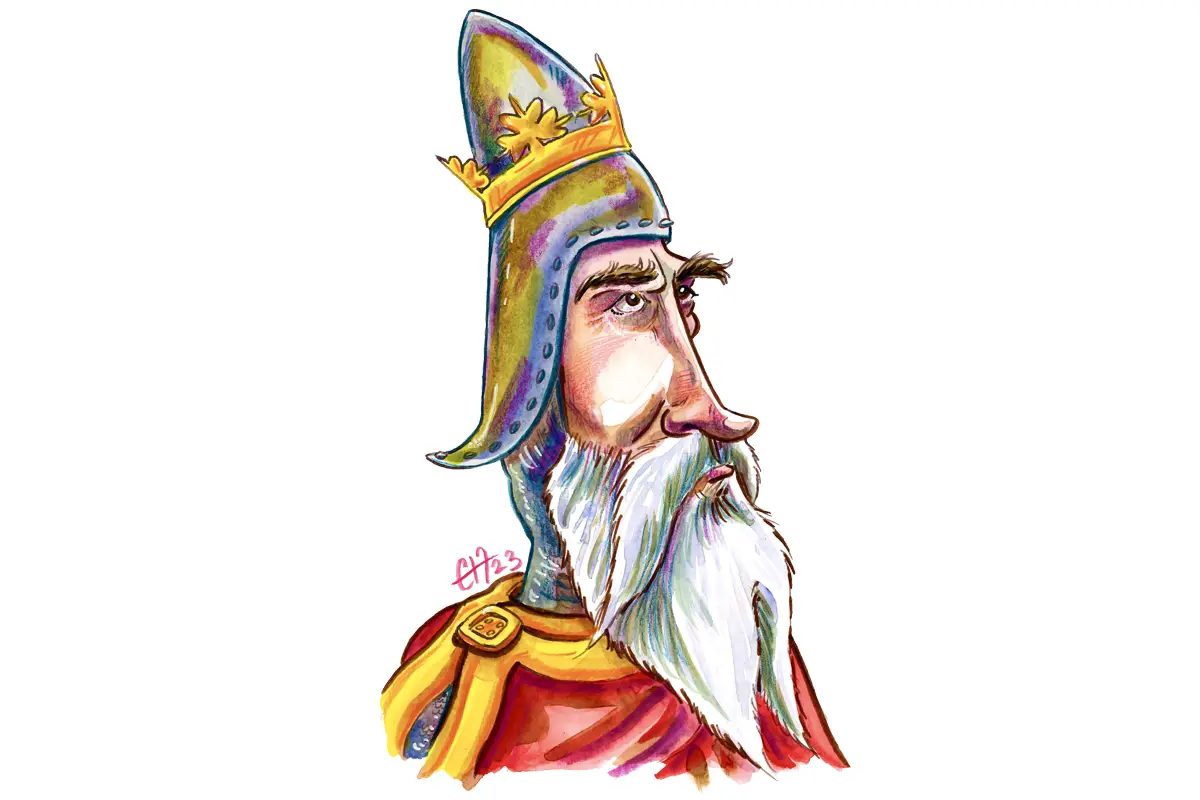
Robert Guiscard (The Cunning)
(Robert Guiscard / Robert de Hauteville)
Norman adventurer and conqueror who established the Duchy of Apulia and Calabria, drove Byzantium and Saracens from southern Italy, and sacked Rome.
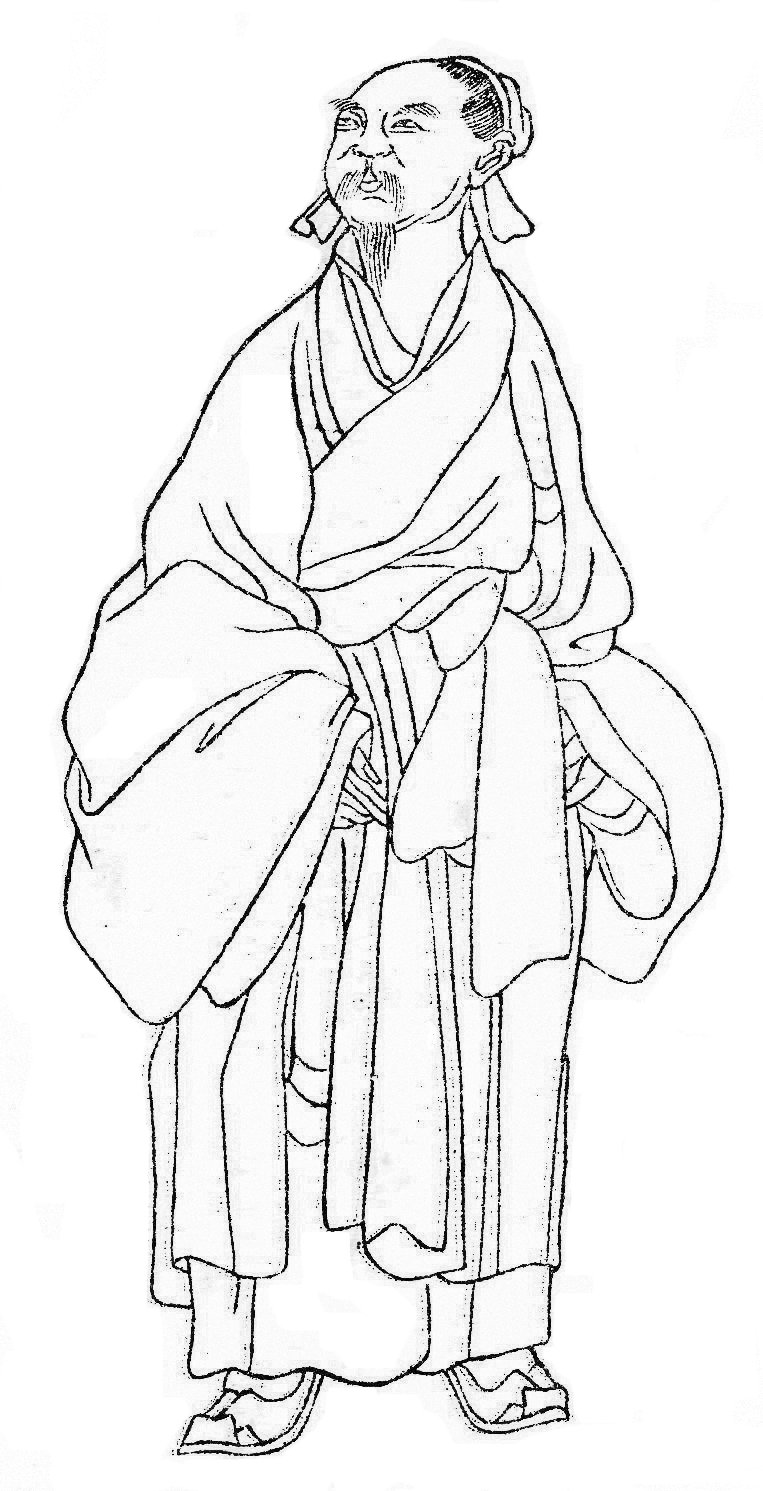
Zhang Zai
(張載)
Northern Song dynasty Neo-Confucian philosopher and founder of the Hengqu School whose four-line moral manifesto and essay 'The Western Inscription' (Ximing) articulated the universal ethical kinship of all humanity with Heaven and Earth.
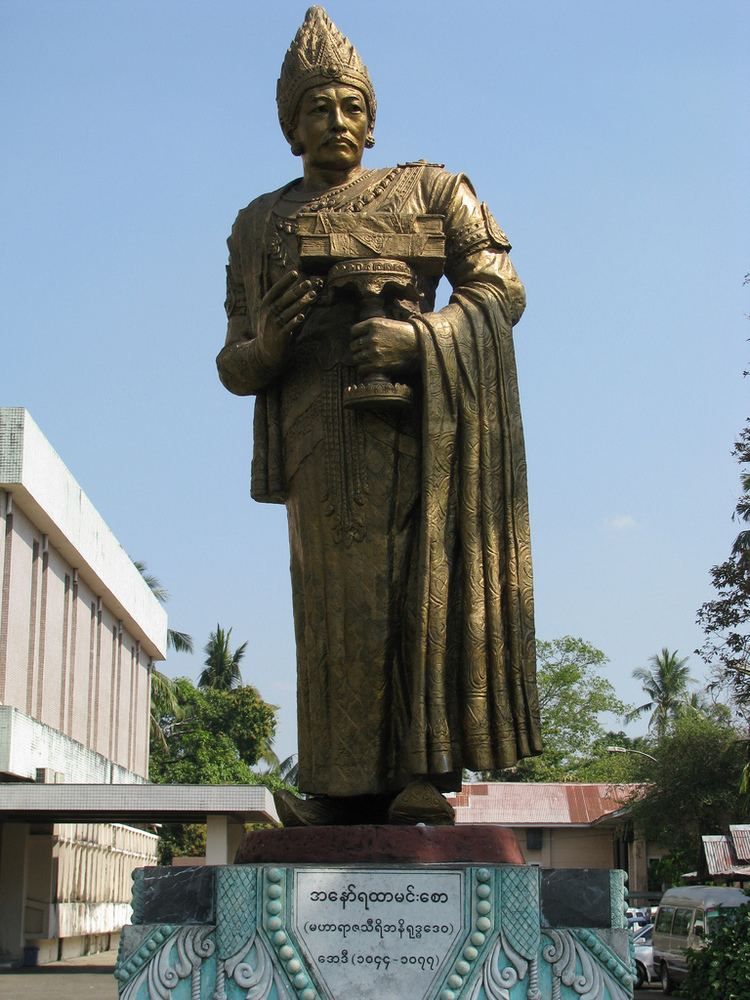
King Anawrahta Minsaw
 (အနော်ရထာ မင်းစော)
Founder of the Pagan Empire who unified Myanmar into a single nation, introduced Theravada Buddhism, and initiated Bagan's golden temple era.
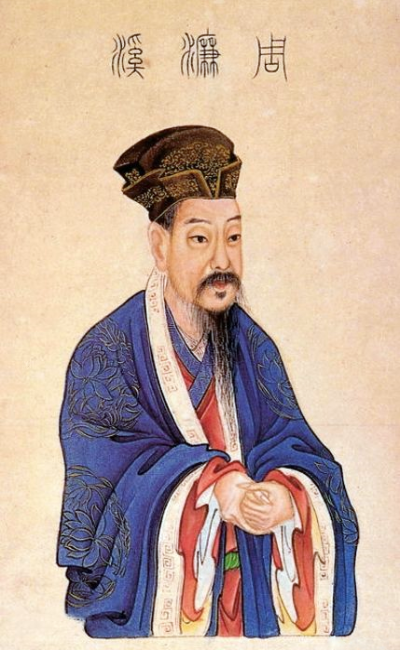
Zhou Dunyi
(周敦頤)
Northern Song dynasty thinker regarded as the 'First Pioneer of Neo-Confucianism', author of the 'Explanation of the Diagram of the Supreme Ultimate' (Taijitu Shuo) and the celebrated ode to moral purity, 'On the Love of the Lotus'.
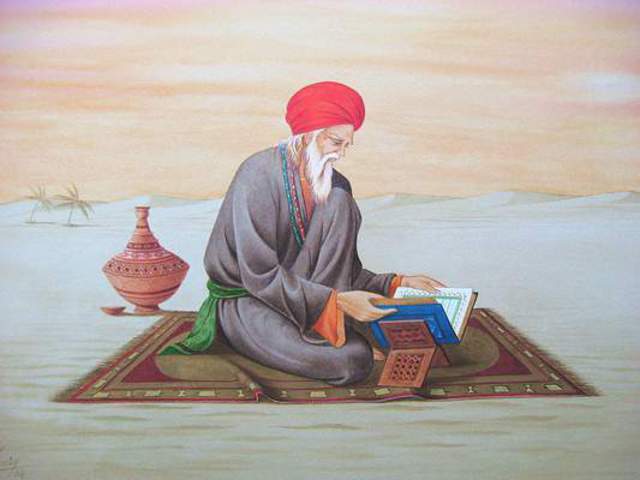
Abd al-Karim ibn Hawazin al-Qushayri
(عبد الكريم بن هوازن القشيري)
Eminent Shafi'i jurist, Ash'ari theologian, and Sufi master whose 'Al-Risalah al-Qushayriyya' is the definitive classic handbook defining authentic spiritual path and stations.
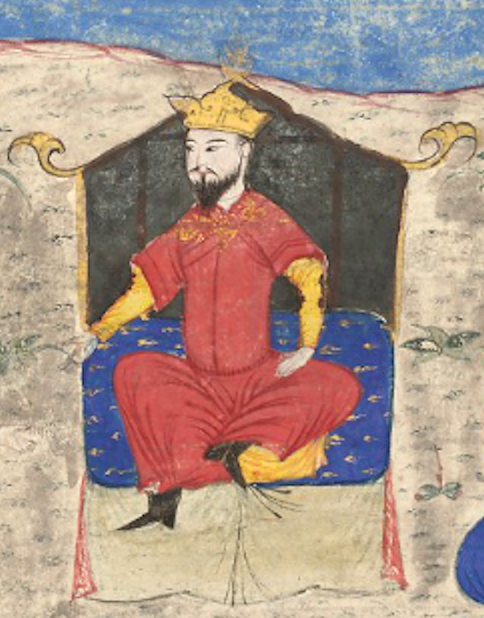
Alp Arslan
 (آلب أرسلان (محمد بن داود))
Second Sultan of the Great Seljuk Empire whose historic victory over Byzantine Emperor Romanos IV at the Battle of Manzikert in 1071 opened Anatolia to Turkish settlement.
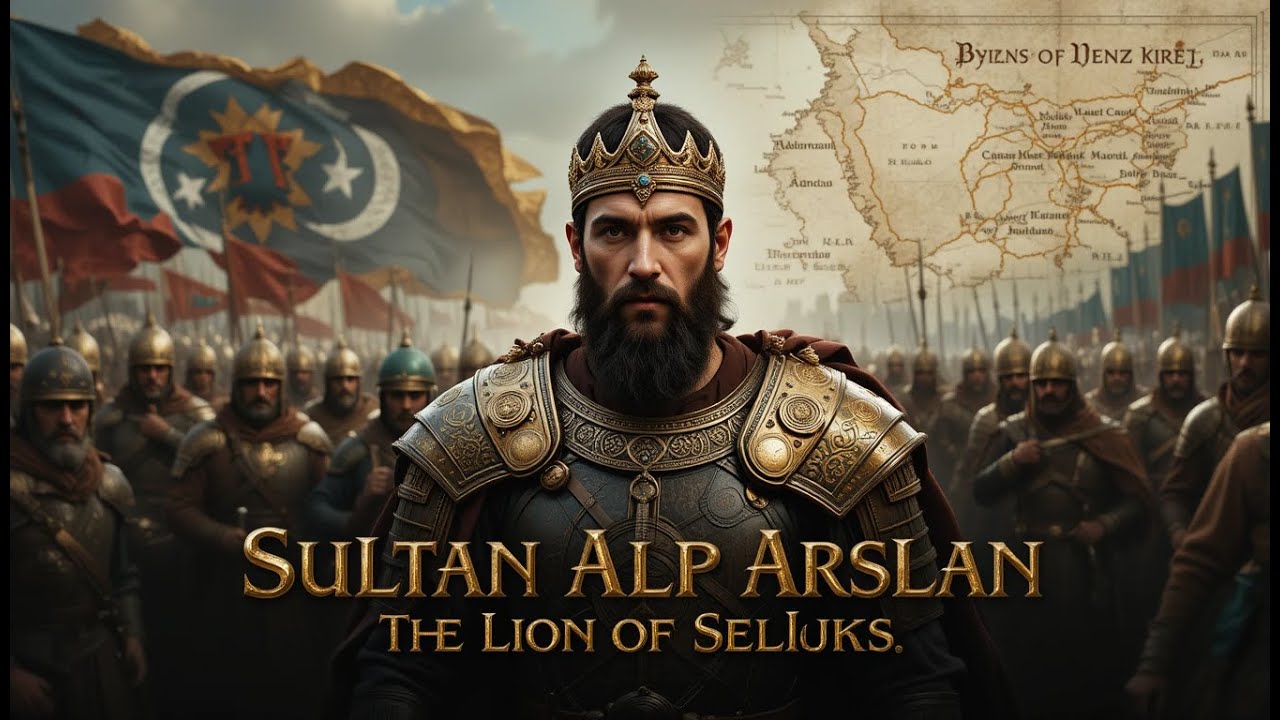
Alp Arslan (The Heroic Lion)
(آلپ ارسلان / Muhammed bin Davud Çağrı)
Second Sultan of the Seljuk Empire whose historic victory over Byzantine Emperor Romanos IV Diogenes at the Battle of Manzikert in 1071 opened Anatolia to Turkish settlement.
Muhammad ibn al-Hasan al-Tusi (الشيخ الطوسي)
Supreme Shia jurist and theologian who authored two of the Four Canonical Books (Al-Tahdhib and Al-Istibsar) and founded the legendary Hawza of Najaf after fleeing Baghdad in 1056.
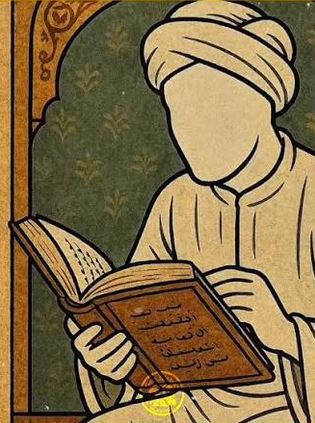
Ahmad ibn Husayn al-Bayhaqi (أحمد بن الحسين البيهقي)
Major Shafi'i jurist and traditionist whose 'Al-Sunan al-Kubra' in ten volumes is the most comprehensive legal Hadith encyclopedia ever assembled.
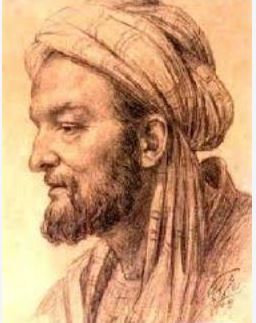
Ali ibn Ahmad Ibn Hazm (ابن حزم الأندلسي)
Andalusian polymath, poet, and Zahiri jurist whose 'Al-Muhalla' codified literalist jurisprudence and whose 'Al-Fasl' pioneered the academic discipline of comparative religion.
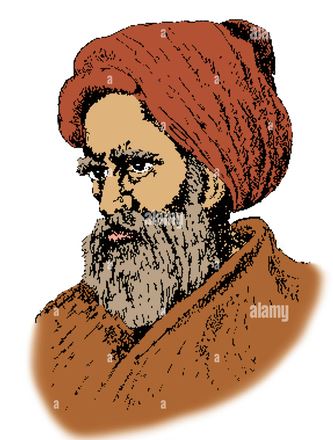
Abu Muhammad Ali ibn Ahmad ibn Hazm al-Andalusi
 (ابن حزم الأندلسي)
Brilliant Andalusian polymath and literalist (Zahiri) thinker of Islamic Spain whose psychological masterpiece on romantic courtly love, Tawq al-Hamamah (The Ring of the Dove), influenced European troubadour poetry.
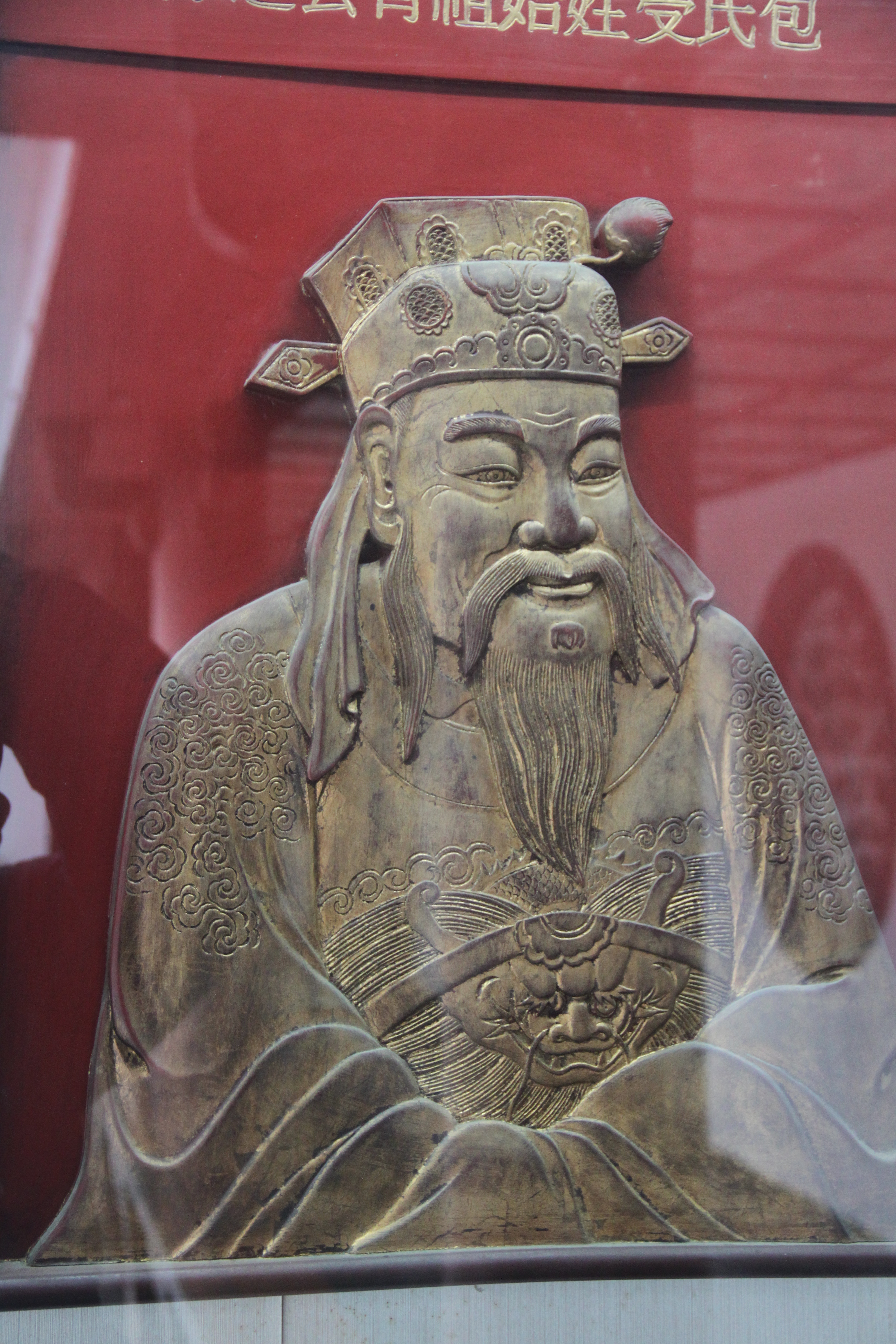
Bao Zheng
(包拯)
Legendary Song dynasty magistrate and prefect of Kaifeng celebrated across Chinese history as 'Justice Bao' (Bao Qingtian), the symbol of absolute judicial incorruptibility.
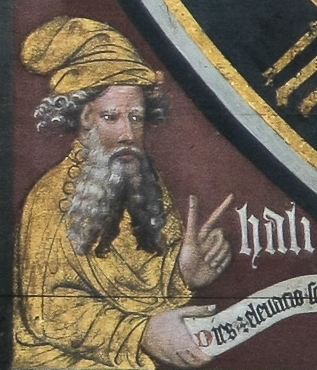
Ali ibn Ridwan
 (علي بن رضوان)
Self-taught Egyptian polymath and Chief Royal Physician of the Fatimid Caliphate, renowned for his detailed astronomical recording of the supernova SN 1006 and his commentary on Galen.
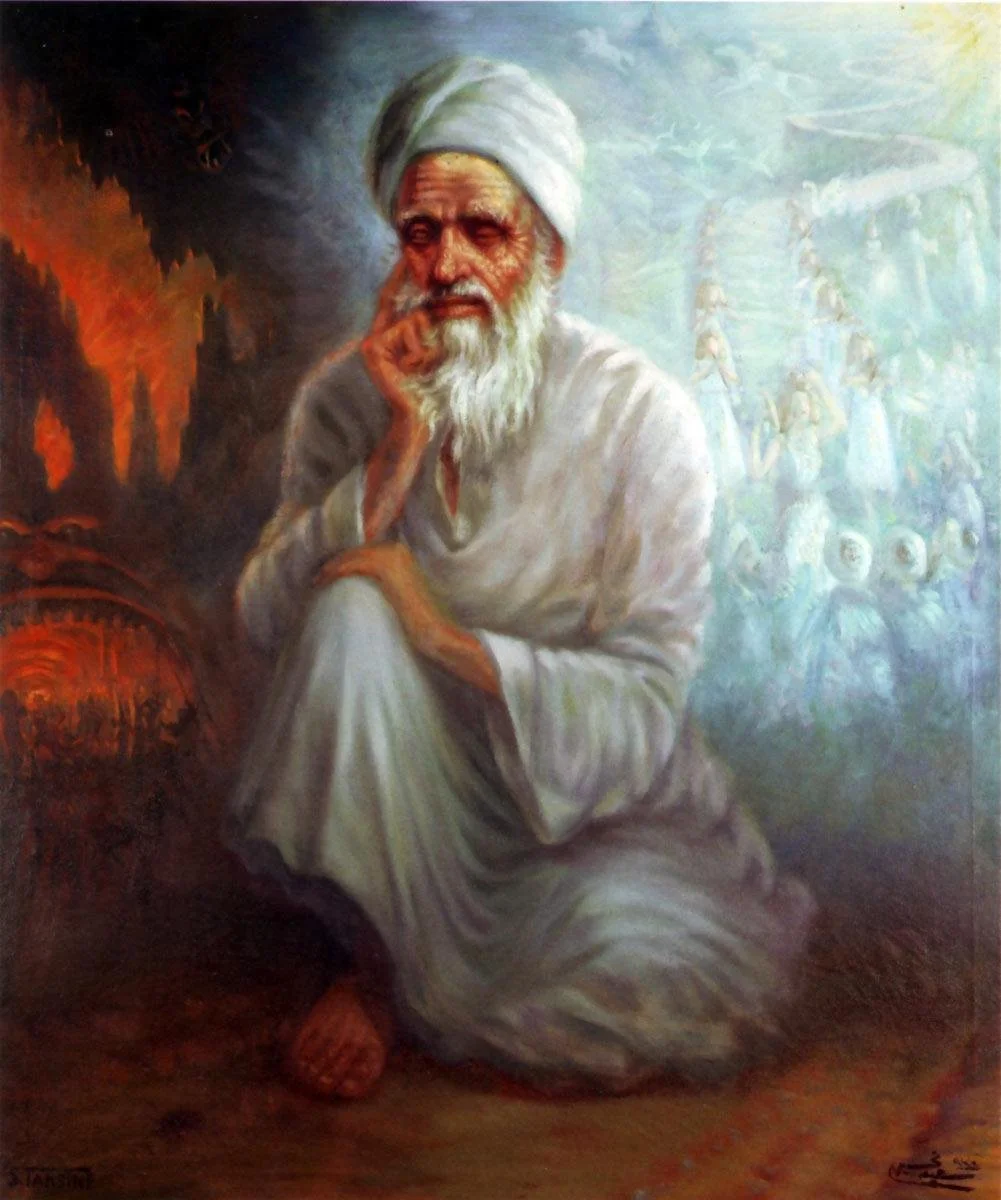
Abu al-Ala al-Ma'arri
 (أبو العلاء المعري)
Blind Arab philosopher-poet, rationalist, and vegan whose masterpiece Resalat Al-Ghufran (The Epistle of Forgiveness) foreshadowed Dante's Divine Comedy.