Public Figures & Cultural Luminaries
Filterable archive covering centuries of intellectual, artistic, and moral contributions to the human story.
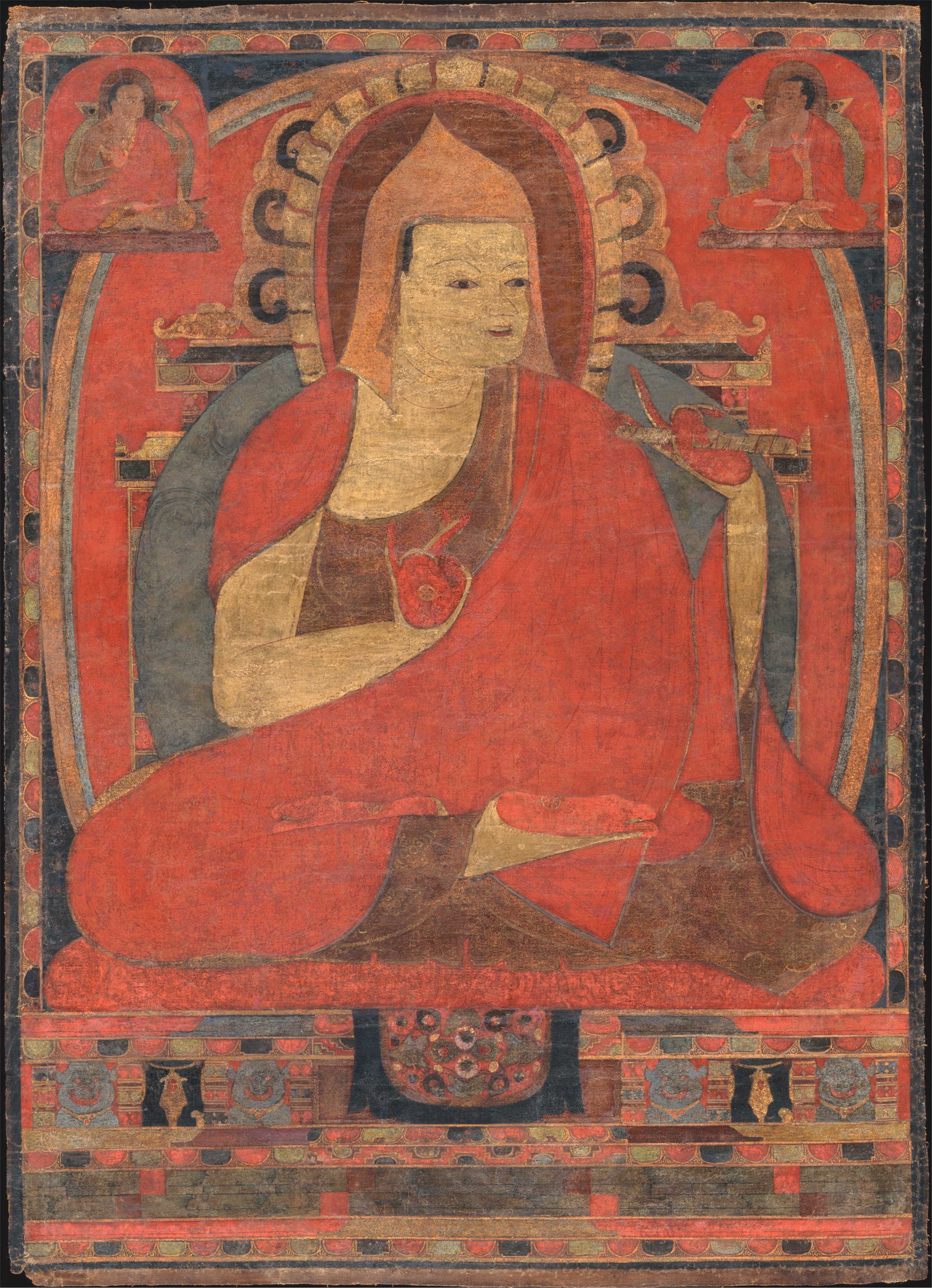
Atisha Dipankara Srijnana
 (अतिश दीपङ्कर श्रीज्ञान)
Bengali Buddhist master and abbot of Vikramashila University who journeyed to Tibet in 1042, sparking the Second Propagation of Tibetan Buddhism and authoring 'A Lamp for the Path to Enlightenment'.
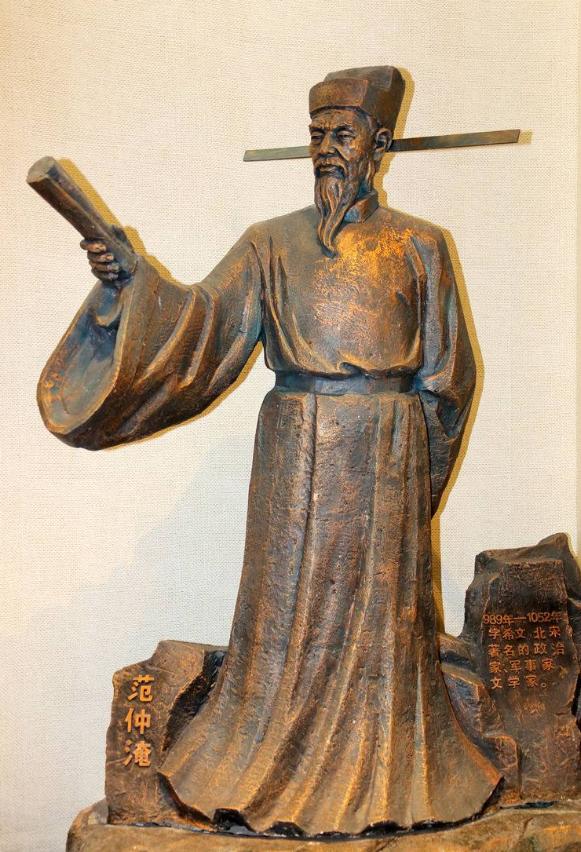
Fan Zhongyan
 (范仲淹)
(范仲淹)
Song dynasty Chancellor, scholar, and general who instituted the Qingli Reforms and wrote the immortal motto: 'Be the first to grieve the cares of the realm, and the last to enjoy its pleasures'.
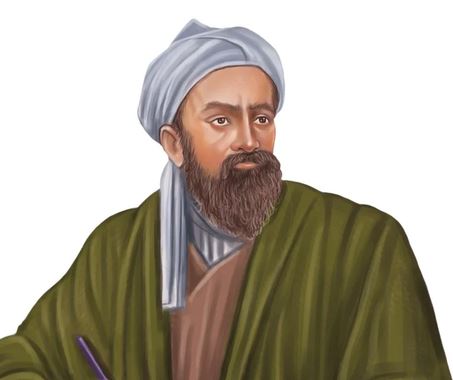
Al-Biruni (Abu Rayhan al-Biruni)
 (أبو الريحان محمد بن أحمد البيروني)
Universal polymath who calculated the Earth's radius to within 1% using mountain trigonometry, founded comparative Indology, and pioneered anthropology and mineral density tables.
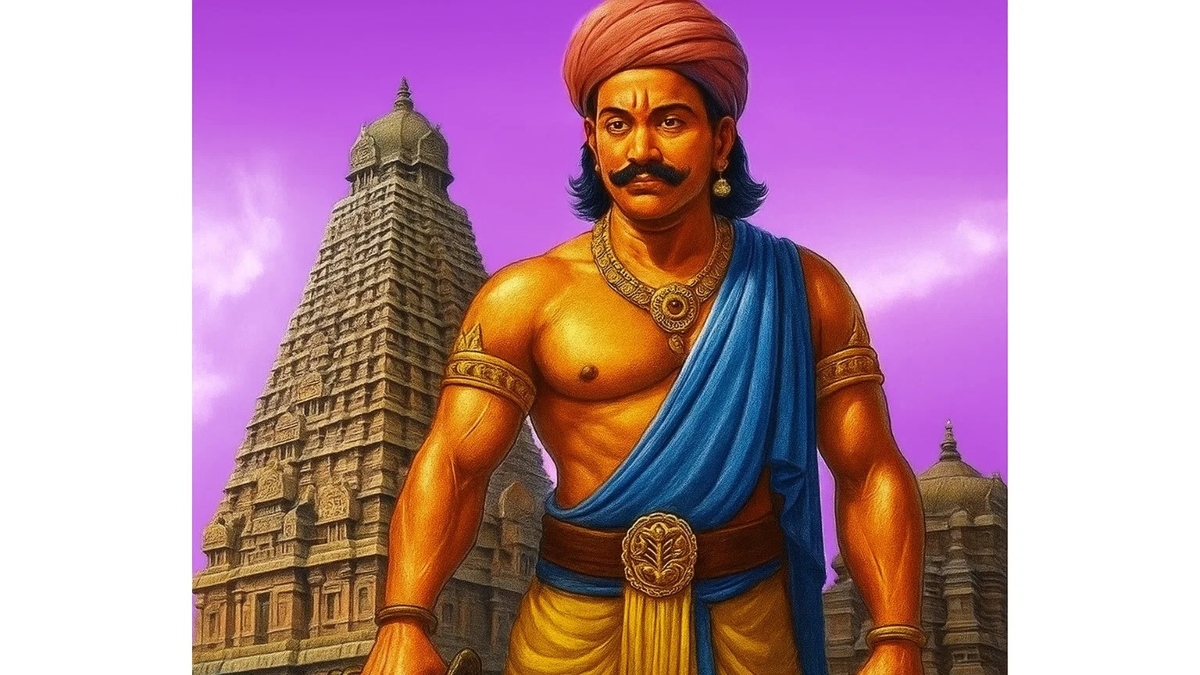
Rajendra Chola I (Gangaikonda Chola)
 (முதலாம் இராஜேந்திர சோழன்)
Chola emperor and thalassocrat who led expeditions to the Ganges River and dispatched a mighty naval armada conquering the Srivijaya Empire in Southeast Asia.
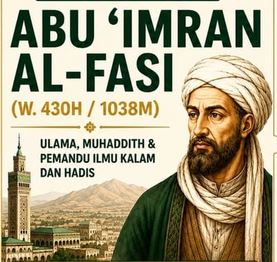
Abu Imran al-Fasi
 (أبو عمران الفاسي)
Eminent Zenata Berber Maliki scholar from Fez who taught in Kairouan and whose historic meeting with Saharan chieftain Yahya ibn Ibrahim inspired the founding of the Almoravid Empire.
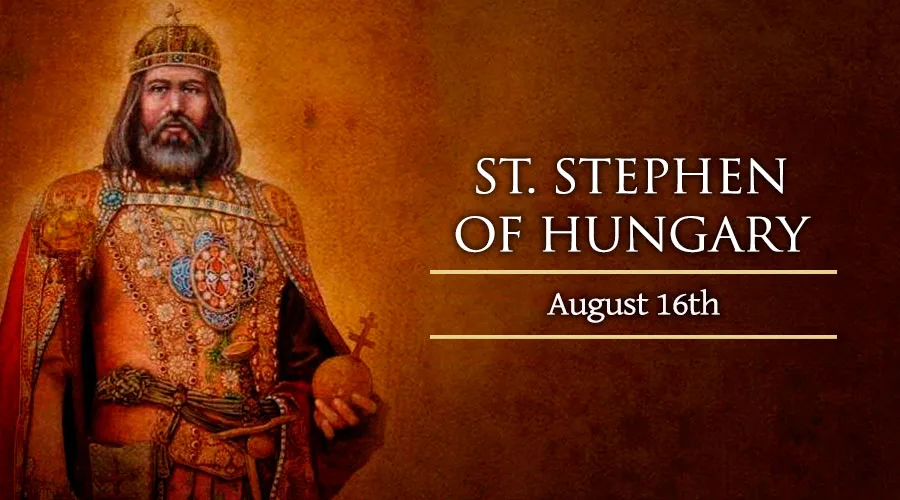
Stephen I of Hungary (Saint Stephen)
 (Szent István király (Vajk))
First King of Hungary who Christianized the Magyar tribes, established the Kingdom of Hungary, and received the Holy Crown from Pope Sylvester II.
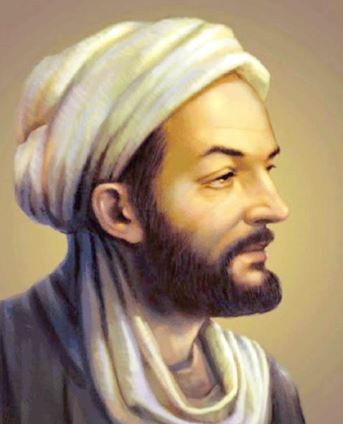
Ibn Sina (Avicenna)
(أبو علي الحسين بن عبد الله بن سينا)
'Prince of Physicians' and towering philosopher whose metaphysical encyclopedia The Book of Healing and Floating Man thought experiment shaped Islamic and European philosophy.
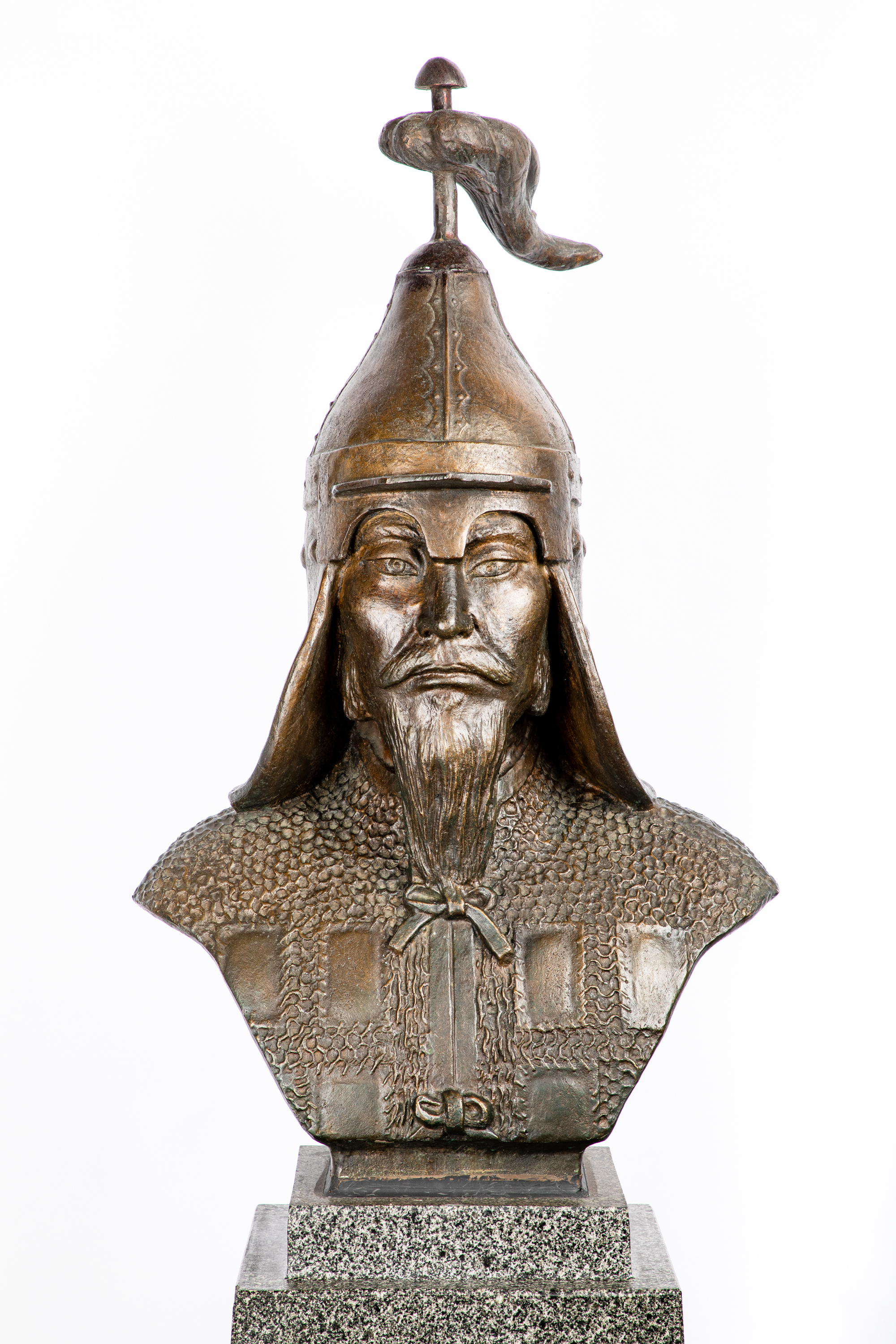
Gang Gam-chan
 (강감찬)
(강감찬)
Revered military commander and civil official of the Goryeo Kingdom of Korea who defeated the Khitan Liao Empire's massive invasion at the Battle of Guju in 1019 at age seventy-one.
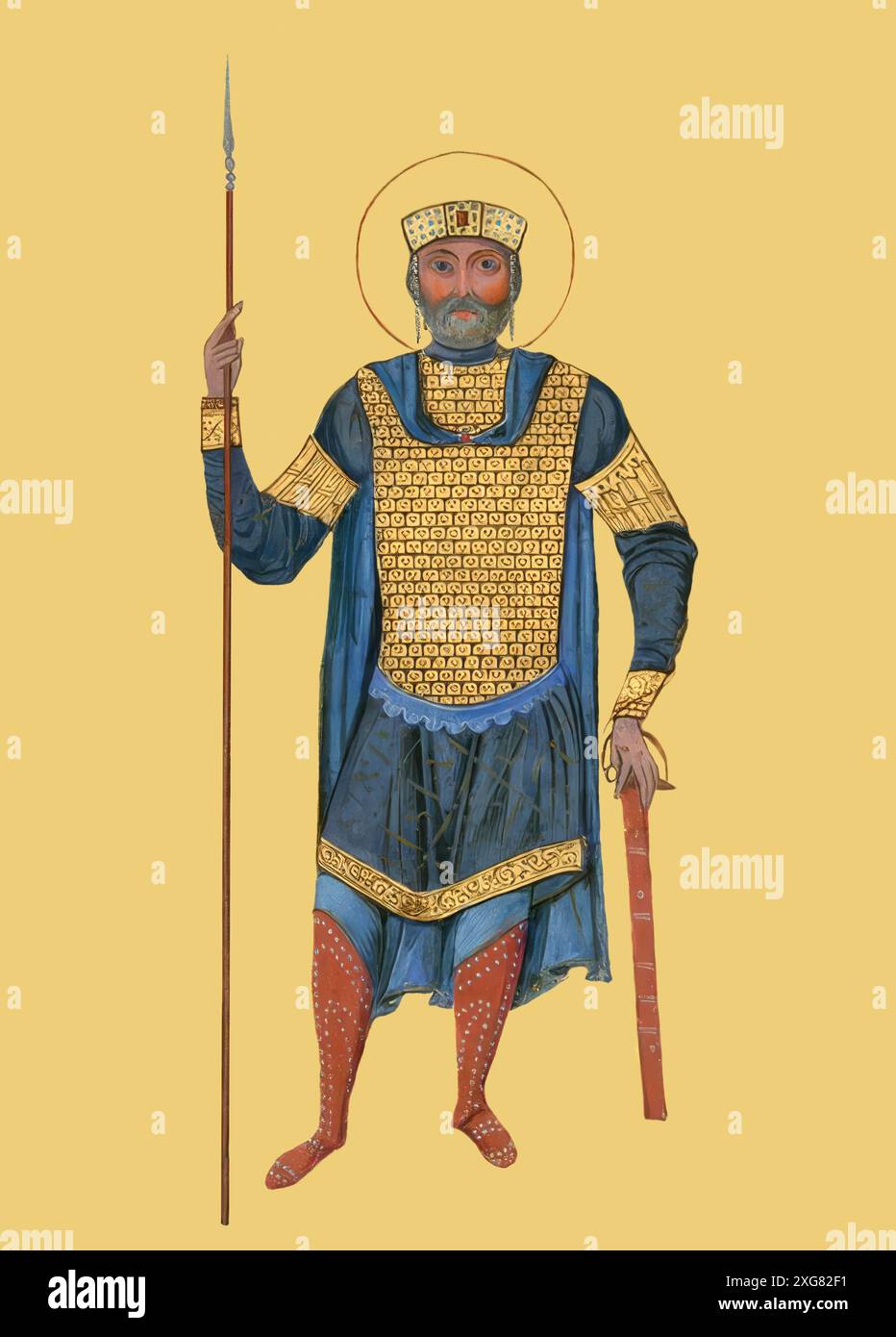
Basil II (The Bulgar Slayer)
 (Βασίλειος Β΄ Βουλγαροκτόνος)
Longest-reigning Emperor of the Byzantine Empire who created the Varangian Guard and brought the medieval empire to its military zenith.
Muhammad ibn Muhammad al-Nu'man (الشيخ المفيد)
Foremost Twelver Shia theologian and jurist in Buyid Baghdad whose masterworks 'Kitab al-Irshad' and 'Tashih al-I'tiqad' established rationalist theology and legal methodology.
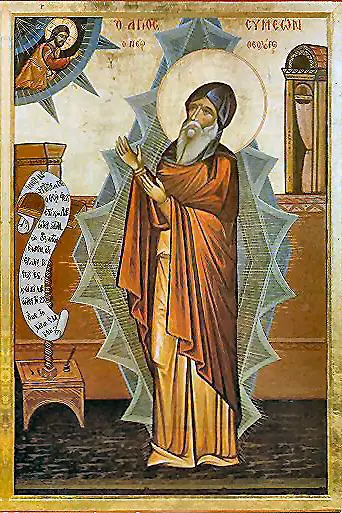
Symeon the New Theologian
(Συμεὼν ὁ Νέος Θεολόγος)
Byzantine mystic, abbot of Saint Mamas, and poet of divine light whose 'Hymns of Divine Love' urged personal, conscious experience of the Holy Spirit.
Muhammad ibn al-Husayn al-Sharif al-Radi (الشريف الرضي)
Great Arab poet, scholar, and statesman of Baghdad who compiled 'Nahj al-Balagha' (The Peak of Eloquence), assembling the immortal sermons and letters of Ali ibn Abi Talib.
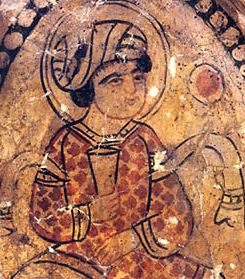
Muhammad ibn Abd Allah al-Hakim (الحاكم النيسابوري)
Distinguished Hadith master, judge, and historian whose 'Al-Mustadrak ala al-Sahihayn' collected authentic traditions meeting the criteria of Bukhari and Muslim.
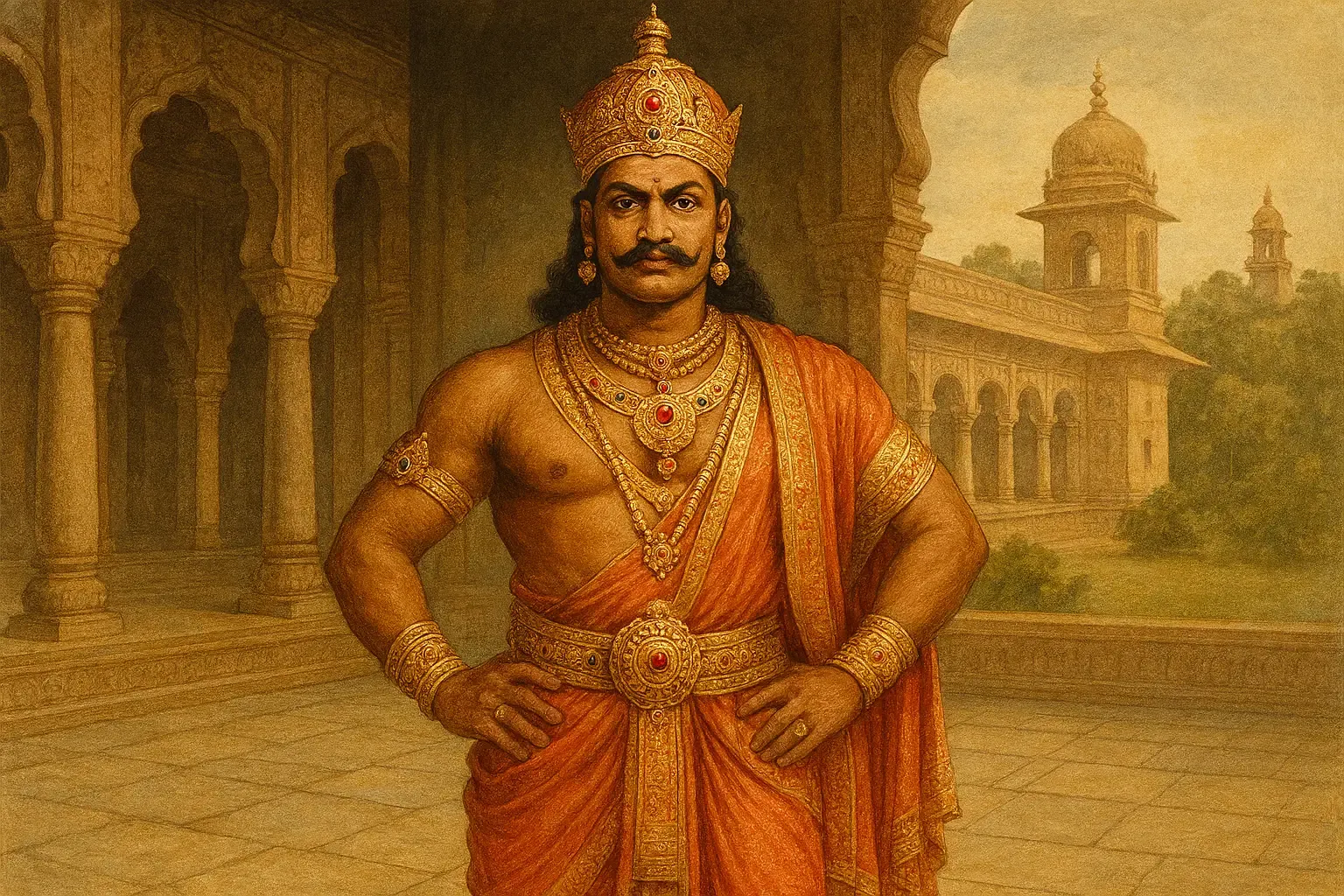
Rajaraja Chola I (Rajaraja the Great)
(முதலாம் இராஜராஜ சோழன்)
Legendary emperor of the Chola Empire who transformed southern India into a maritime superpower and erected the majestic Brihadisvara Temple.
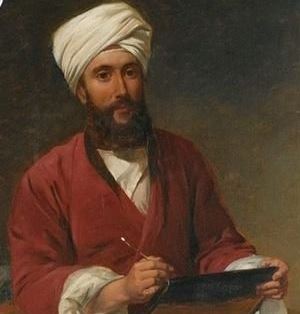
Abu Bakr Muhammad al-Baqillani
 (أبو بكر الباقلاني)
Foremost Ash'ari theologian, Maliki judge, and diplomat whose 'I'jaz al-Quran' established the theological doctrine of the Quran's inimitable literary miracle.
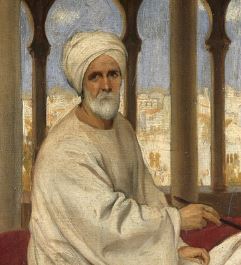
Al-Zahrawi (Abulcasis)
 (أبو القاسم خلف بن عباس الزهراوي)
'Father of Operative Surgery' of Islamic Spain whose 30-volume Al-Tasrif introduced over 200 surgical instruments, catgut internal sutures, and shaped surgery across Europe for 500 years.
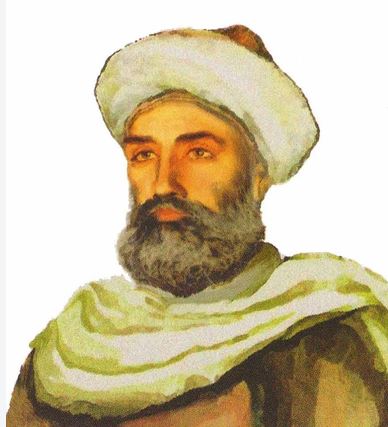
Ibn Yunus (ابن يونس المصري)
Fatimid Egyptian astronomer and mathematician who compiled the legendary 'Zij al-Kabir al-Hakimi' (The Hakemite Tables), formulated early prosthaphaeresis trigonometric identities, and observed eclipses with unprecedented accuracy.
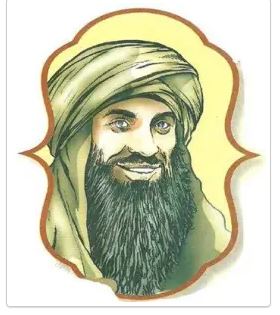
Ali ibn Umar al-Daraqutni
(الدارقطني)
Supreme Hadith critic and master of Ilal (hidden defects in chains of narration) whose 'Sunan al-Daraqutni' and 'Kitab al-Ilal' set the technical peak of Hadith analysis.